Why Should I Switch To An Electric Car In 2026?

Image source: Shutterstock
Thinking about switching to an electric car but still weighing up whether it’s really the right move for you? This question is now more relevant than ever!
Electric cars have quietly crossed a tipping point. What once felt new, expensive, or uncertain is now mainstream, proven, and increasingly hard to ignore. Charging infrastructure has improved significantly across the UK, real-world driving ranges comfortably cover everyday journeys, and electric vehicles are no longer just for early adopters. For many drivers, the bigger question is no longer “why would I switch?” - it’s “why wouldn’t I?”
Timing also plays a huge role. With the 2030 ban on new petrol and diesel cars fast approaching, demand for electric vehicles is only going to increase. You don’t need to wait to make the switch, though! There are generous financial incentives available to get more people driving electric (one of which is electric car salary sacrifice, of course). Lower fuel and maintenance costs already make EVs cheaper to run, but when you factor in tax savings, upfront costs, and bundled insurance and servicing, the overall cost difference becomes impossible to ignore.
This guide is designed to answer one simple, but important, question: why should you switch to an electric car in 2026?
How Can You Save By Switching To An EV?
Switching to an electric car isn’t just better for the planet, it’s often better for your finances too! While upfront prices can look higher, lower fuel, maintenance, and tax costs quickly change the picture.
With electric car salary sacrifice, the savings go even further. Paying from your gross salary reduces monthly costs, removes deposits, and bundles key expenses, making EVs a more affordable alternative to petrol or diesel cars.
Dramatically Lower Fuel Costs
Fuel is one of the most immediate savings when you go electric.

Petrol (10,000 miles/year): ~£1,450
Home charging: ~£400 per year
Public charging (standard): ~£900 per year
Public charging via salary sacrifice charging: ~£450–£650 per year
Image source: Shutterstock
That’s a £800–£1,200 saving every year, simply by plugging in instead of filling up. Charging also fits more naturally into daily life - most drivers charge while parked at home, at work, or during longer stops, rather than making dedicated trips to a petrol station.
The Charge Scheme allows you to pay for all your EV charging (whether at home, at work, or on public networks) through salary sacrifice, reducing costs further by paying before tax, making cheaper charging accessible even if you don’t have a driveway!
Lower Maintenance Costs
Electric cars are much simpler than petrol or diesel vehicles, and that simplicity shows up quickly in day-to-day ownership. With fewer moving parts, there’s simply less that can wear out or fail.
On average, maintenance costs break down like this:
Electric car servicing: ~£165 per year
Petrol car servicing: ~£300 per year
That saving comes from the things electric cars don’t have:
No oil changes
No exhaust systems
No timing belts
No clutches
Brake wear is also reduced thanks to regenerative braking, which slows the car while recovering energy. As a result, brake pads can often last 80,000 miles or more, compared to around 30,000 miles on petrol cars.
If you switch through electric car salary sacrifice, these costs become even easier to manage. Servicing, tyres, breakdown cover, and maintenance are typically fully included in one monthly payment, removing unexpected bills and making ownership far more predictable.
Lower Vehicle Tax In 2026
Vehicle Excise Duty rules have changed, but electric cars still come out ahead in 2026 - especially compared to higher-emission vehicles.
Here’s how the figures compare:
Petrol and diesel cars: £180–£580 per year
Electric cars: £10 in year one, then £195 per year from April 2025
While the gap has narrowed, electric cars still offer up to £385 in annual savings compared with many petrol and diesel models. Over the course of a lease, that difference adds up, particularly when combined with lower fuel and maintenance costs.
Salary Sacrifice Savings
Salary sacrifice is where the financial case for switching to electric really accelerates. Instead of paying from your take-home pay, the cost comes out of your gross salary before tax. The table below puts that into perspective:
| Factor | Business Ownership | The Electric Car Scheme Salary Sacrifice |
|---|---|---|
| Initial cost | £40,000 outlay | £0 |
| Corporation tax relief | £10,000 (25%) | NI savings: £828/year |
| BiK reporting | Required (4%) | Employee responsibility |
| Insurance | Employer pays | Included in package |
| Maintenance | Employer manages | Included in package |
| Residual risk | Employer bears | Zero (Complete Protection) |
| Employee benefit value | Limited | £3,000-£8,000/year |
| Balance sheet | Asset + liability | Zero impact |
| Cash flow | Major outlay | Zero impact |
| Net 3-year cost | £30,000+ | £0 (or net gain) |
On top of that, most salary sacrifice packages include:
Insurance
Servicing and maintenance
Breakdown cover
Tyres
Those inclusions can easily add another £2,000+ of value per year, bringing the total effective saving to around £4,400 annually - all with £0 upfront cost.
Company Car Tax Benefits
For company car drivers, electric vehicles remain one of the most tax-efficient options available in 2026. Benefit-in-Kind rates currently look like this:
Petrol and diesel cars: up to 37%
Electric cars: 4% from April
In practical terms, that means:
A £40,000 petrol company car could cost a 40% taxpayer around £5,920 per year in tax
An equivalent electric car would cost around £640 per year
That’s an annual saving of approximately £5,280, making electric cars one of the most valuable employee benefits available today!
Charging Is Now Easier Than Ever
Charging an electric car in the UK is now far more straightforward than many people expect. The network has grown rapidly and continues to expand.
Key facts for 2026:
87,000+ public charge points across the UK
Rapid chargers are roughly every 20 miles on major routes
Widespread workplace, on-street, and destination charging
Most drivers don’t rely on a single charging method. Instead, they combine home charging with workplace or public charging, fitting it naturally into their routine while the car is parked. With salary sacrifice charging available across home, work, and public networks, charging costs become easier to manage - even if you don’t have a driveway.
Range Anxiety Is Largely Eliminated
Modern electric cars are designed around real-world driving, which means range anxiety is now (for most people) a thing of the past.
Typical ranges now look like this:
Average new EV: 250–300 miles
Average UK daily drive: ~20 miles
Even allowing for winter range reductions of 10–20%, most drivers only need to charge once a week. For commuting, school runs, shopping, and leisure trips, range anxiety is rarely an issue in practice.
A Better Driving Experience
Beyond the financial savings, electric cars offer a noticeably different driving experience, and for many drivers, it’s a pleasant surprise.
Electric cars deliver:
Instant, smooth acceleration
One-pedal driving in traffic
Improved handling from a low centre of gravity
These benefits make everyday driving feel calmer and more effortless, especially in city traffic or stop-start conditions.
No Upfront Costs With Salary Sacrifice
One of the biggest barriers to changing cars has always been the upfront cost. Deposits, insurance payments, and charger installation can quickly add up.
Salary sacrifice removes those hurdles:
£0 deposit
Insurance included
Home charger included (if you decide to have it as an additional extra)
In real terms, that can eliminate £7,000 or more in upfront spending, making electric cars accessible to far more drivers from day one.
What Environmental Impact Does Switching To An Electric Car Have?
For many drivers, cost is the first reason to consider an electric car - but the environmental impact remains a powerful one. In 2026, the evidence is clear: switching to electric delivers meaningful carbon reductions without requiring changes to how you live or drive.
60-70% lower lifetime emissions than petrol cars
The electricity grid in the UK is now around 40% renewable
The average EV saves around 1.5 tonnes of CO₂ per year
As the grid continues to decarbonise, that advantage only grows, meaning the environmental case for switching strengthens every year you drive electric.
Other Social Benefits
The benefits of switching extend beyond carbon alone. Electric cars also improve the environments we live and work in, particularly in towns and cities.
That includes:
Zero tailpipe emissions, helping improve local air quality
Reduced noise pollution, especially at lower speeds
Direct support for the UK’s net zero commitments
Strong ESG alignment for both employers and employees
For drivers, it’s a way to reduce environmental impact without sacrificing comfort or convenience. For employers, it’s a visible, practical step towards sustainability goals.
Is 2026 the Right Time to Switch to Electric?
Choosing an electric car is one thing, but choosing when to switch can make a real difference to cost, availability, and overall value. Several factors align to make this a particularly smart moment to go electric, before incentives reduce and demand accelerates.
Market Maturity
Electric vehicles are no longer experimental. Technology is proven, reliability is high, and drivers can choose from over 100 models across every category.
Before The 2030 Rush
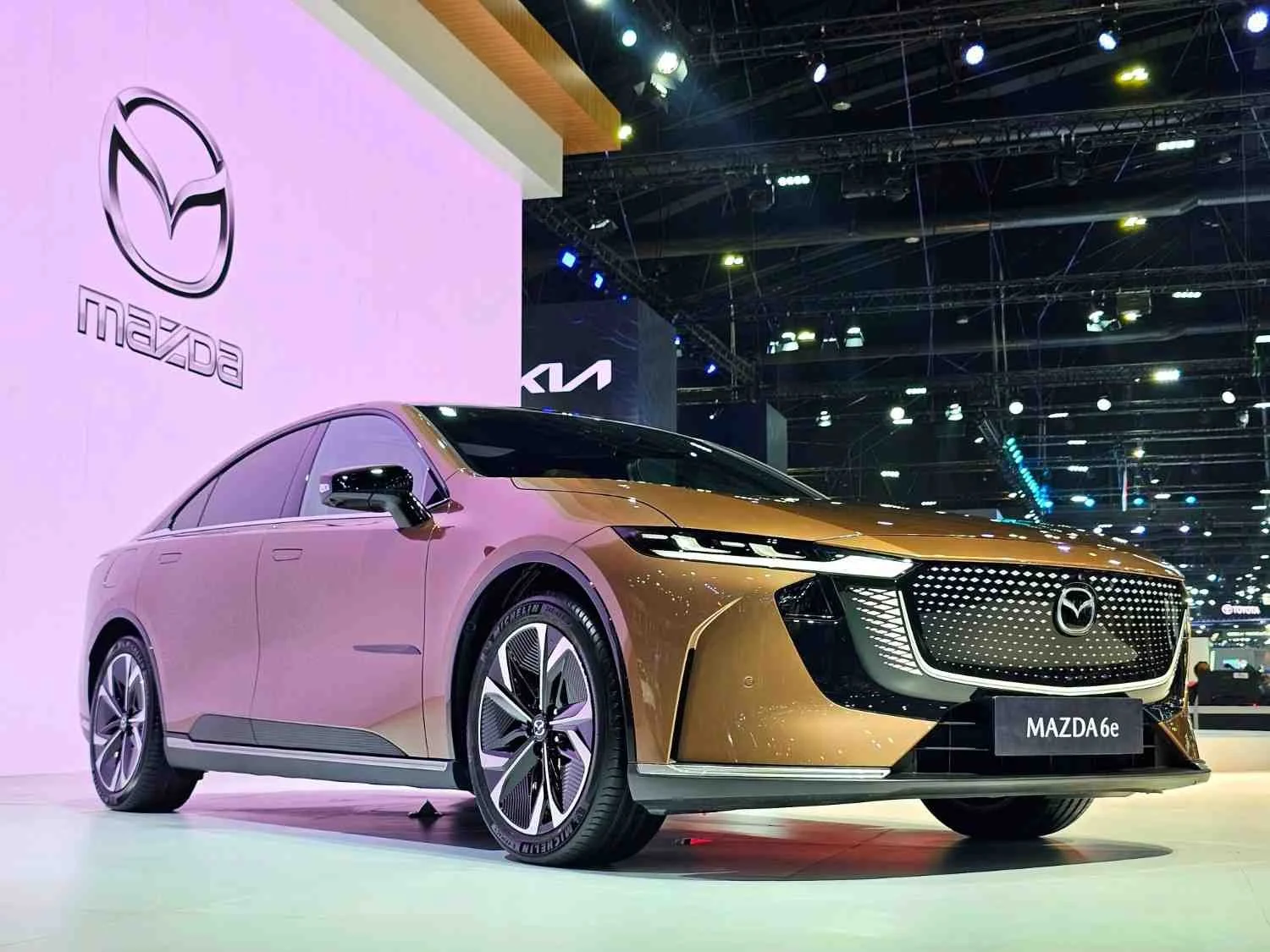
As the petrol and diesel ban approaches, demand will surge. Switching in 2026 means:
Better vehicle availability
Shorter lead times
Less competition for charging and supply
Image source: Shutterstock
Optimal Salary Sacrifice Window
BiK is rising to 4% from April 2026, with further increases expected in later years. Locking in now secures maximum tax efficiency!
Used EV Market Expansion
Used electric cars are now widely available, often with rapid delivery and full salary sacrifice coverage, making EVs accessible from around £200 per month.
Addressing Common Switching Concerns
What’s Stopping You?
“Electric cars are too expensive.”
Salary sacrifice reduces costs by 20–50%, removes deposits, and lowers running expenses.
“I’m worried about range.”
Modern EVs cover 250–300 miles, far beyond typical daily needs.
“I don’t have a driveway.”
Public charging, workplace charging, and salary sacrifice charging make home access non-essential.
“Insurance will cost more.”
Insurance is usually included, paid before tax.
“What about batteries?”
Most EVs come with 8–10 year battery warranties, and degradation is typically just 5–10% over eight years.
“Maintenance sounds complicated.”
EVs require around 50% less maintenance, often fully included.
How To Switch To An Electric Car
Once you’ve decided to go electric, the next step is choosing the right route. While there are several ways to make the switch, some options offer far better value, simplicity, and protection than others.
Option 1: Through Your Employer (Recommended)
Check if your employer offers an electric car salary sacrifice
Use a savings calculator to see how much you could save by making the switch
Choose your vehicle
Apply (often approved within 48 hours)
Receive your EV in 2–12 weeks
Option 2: Encourage Your Employer
Many employers introduce schemes after employee requests – with zero cost to the business.
Option 3: Personal Leasing
Still possible, but choosing a personal lease is typically more expensive because you don’t have the tax advantages available to you.
Frequently Asked Questions About Switching To An EV
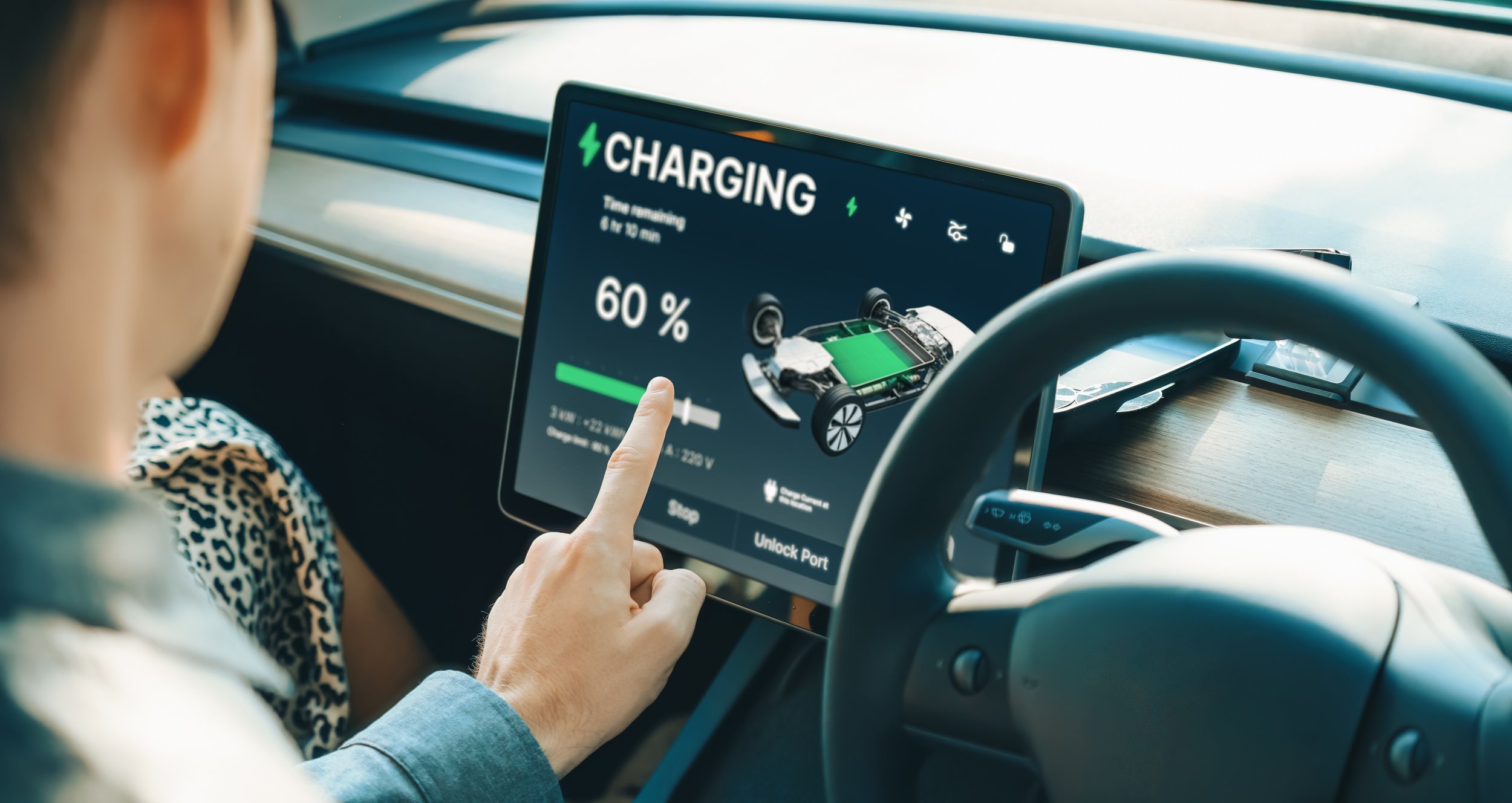
Image source: Shutterstock
Should I Switch To An Electric Car In 2026?
Yes. Charging infrastructure is mature, costs are lower, and salary sacrifice makes switching affordable before the 2030 rush.
How Much Money Will I Save Switching To Electric?
Most drivers save £3,720–£6,120 per year when combining running costs and salary sacrifice savings.
Is It Too Early To Switch To Electric?
No. Technology is proven, infrastructure is widespread, and 2026 offers optimal timing.
Can I Afford An Electric Car Without A Deposit?
Yes. Salary sacrifice allows you to switch with £0 upfront, including insurance and maintenance.
What If I Don’t Have Home Charging?
There are 87,000+ public chargers, and many drivers rely entirely on public or workplace charging.
Will Electric Cars Hold Their Value?
Residual values are stabilising. With salary sacrifice, depreciation risk isn’t yours.
What Happens To Electric Cars In Winter?
Range typically drops 10–20% during winter, but most EVs still comfortably cover daily driving.
How Long Does Charging Take?
Home charging takes 6–10 hours overnight. Rapid charging adds around 200 miles in 20–30 minutes.
Are Electric Cars Really Better For The Environment?
Yes. They produce 60–70% lower lifetime emissions, improving every year.
Can I Tow With An Electric Car?
Many EVs can tow 1,600–2,000kg, though towing reduces range significantly.
What If I Change Jobs After Switching?
Salary sacrifice schemes typically include protection, preventing personal liability.
Is It Worth Switching If I Drive Low Mileage?
Yes. Salary sacrifice savings apply regardless of mileage, plus insurance and maintenance savings still count.
What’s The Best Electric Car To Switch To?
It depends on your needs – city cars, family SUVs, and premium models are all widely available.
How Reliable Are Electric Cars Compared To Petrol?
EVs have far fewer moving parts and are generally more reliable.
Can I Switch To A Used Electric Car?
Yes. Used EVs are increasingly available with fast delivery and full coverage.
In 2026, switching to an electric car is no longer a future decision - it’s a practical one. Electric cars are cheaper to run, simpler to maintain, and more enjoyable to drive than petrol or diesel alternatives. With electric car salary sacrifice, many drivers can switch with no upfront cost while saving thousands each year on fuel, tax, insurance, and maintenance. Explore your options using The Electric Car Scheme’s quote tool!
Charging is no longer a barrier, ranges suit everyday driving, and acting now helps you avoid the rush and rising costs as 2030 approaches. If you’re asking whether it’s the right time to go electric, the answer for most drivers is yes. The only thing left to decide is how you make the switch!
ECS GUIDES AND ADVICE
Ready to Go Electric? Your Guides and Tools to a Smooth Switch
-
 How the Scheme Works
Find out how salary sacrifice can work for you or your business.
-
 The Charge Scheme
Save 20-50% on all charging costs through salary sacrifice - at home, the office, or in public..
-
 Complete Employer Protection
All employers and drivers are protected from day 1.
-
 Used Electric Cars
Discover the most affordable way to drive electric. Cars delivered in 14 days.
You might also like…




Last updated: 02/03/2026
Our pricing is based on data collected from The Electric Car Scheme quote tool. All final pricing is inclusive of VAT. All prices above are based on the following lease terms; 10,000 miles pa, 36 months, and are inclusive of Maintenance and Breakdown Cover. The Electric Car Scheme's terms and conditions apply. All deals are subject to credit approval and availability. All deals are subject to excess mileage and damage charges. Prices are calculated based on the following tax saving assumptions; England & Wales, 40% tax rate. The above prices were calculated using a flat payment profile. The Electric Car Scheme Limited provides services for the administration of your salary sacrifice employee benefits. The Electric Car Scheme Holdings Limited is a member of the BVRLA (10608), is authorised and regulated by the FCA under FRN 968270, is an Appointed Representative of Marshall Management Services Ltd under FRN 667174, and is a credit broker and not a lender or insurance provider.
Copyright and Image Usage: All images used on this website are either licensed for commercial use or used with express permission from the copyright holders, in compliance with UK and EU copyright law. We are committed to respecting intellectual property rights and maintaining full compliance with applicable regulations. If you have any questions or concerns regarding image usage or copyright matters, please contact us at marketing@electriccarscheme.com and we will address them promptly.