
Electric Cars In Winter: How Cold Weather Affects Range And What You Can Do About It

With winter 2025/2026 upon us, many drivers considering an electric car salary sacrifice scheme wonder how well electric vehicles perform in extreme climates. This comprehensive guide explores how cold weather impacts electric cars, along with practical winter driving tips backed by the latest 2025/26 data. Whether you're already driving through a company electric car scheme or researching The Electric Car Scheme for your business, understanding winter performance is crucial for making an informed decision about salary sacrifice electric cars.
How Does Cold Weather Affect Electric Car Range?
Cold weather significantly impacts electric vehicle performance, but understanding why helps you manage expectations and maximize efficiency. Let's explore the science behind winter range loss and what it means for your EV.
Why Do EV Batteries Lose Range in Winter?
Cold weather negatively affects EV batteries, which are typically made of lithium-ion cells that perform poorly in low temperatures and may even sustain damage if exposed to freezing conditions for extended periods. Understanding the chemistry helps you appreciate why winter preparation is so important for electric cars.
In colder temperatures, the electrolytes in lithium-ion batteries thicken and slow down, preventing lithium ions from properly integrating into the electrodes. This can lead to lithium ions depositing on the electrode surface and forming lithium metal—a process that temporarily reduces available battery capacity and power output.
Additionally, cold temperatures slow the chemical reactions that generate a charge in lithium-ion batteries, resulting in a smaller charge capacity and reduced power. Cold weather also increases the battery's internal resistance, making the charging process less efficient and reducing the energy available for driving.
Modern electric vehicles available through salary sacrifice schemes include sophisticated battery thermal management systems that actively work to minimize these effects, but some range reduction is inevitable in cold weather.
How Much Range Do Electric Cars Lose in Winter?
Research from WhatCar? testing during winter 2024/25 found that EVs lose an average of 15-20% of their range in colder weather. This is a crucial consideration when choosing an electric car through salary sacrifice, as you'll want to ensure your selected model still meets your daily driving needs even with winter losses.
In comprehensive tests of 12 fully charged vehicles, each set to eco mode (or the closest equivalent), it was actually the most expensive models that saw their range diminish the fastest. For instance, the Lexus RZ displayed a range of zero after 136 miles, though it managed to continue for an additional 21 miles, bringing its total range to 157 miles. This gave the Lexus RZ the lowest efficiency in the test, achieving just 2.5 miles per kWh.
These findings highlight why it's essential to research specific models when considering electric car salary sacrifice—not all EVs perform equally in cold conditions, and choosing a winter-capable model can make a significant difference to your daily driving experience.
What's the Difference Between Summer and Winter Range?
The table below shows the real-world impact of winter driving compared to summer driving for three popular EVs available through The Electric Car Scheme:
| Make and Model | Winter Range | Summer Range | Difference (%) |
|---|---|---|---|
| BMW i4 eDrive40 M Sport (Pro Pack) | 261 Miles | 317 Miles | 21.6% |
| Cupra Born 58kWh V3 | 182 Miles | 219 Miles | 20.6% |
| Tesla Model Y Long Range | 272 Miles | 304 Miles | 11.8% |
The Tesla Model Y Long Range demonstrates exceptional winter performance with just 11.8% range loss, making it one of the best options for UK drivers who need reliable year-round performance. This model is available through electric car salary sacrifice schemes, allowing employees to save 20-50% compared to personal leasing.
Which Electric Cars Have The Best Winter Range in 2025/26?
Not all electric vehicles are equally vulnerable to reduced range in cold weather. If you're considering an electric car through a salary sacrifice scheme, choosing a model with proven winter performance can significantly improve your daily driving experience and reduce range anxiety during the colder months.
The Top-Performing Winter EVs
Twice a year, during peak summer and winter, What Car takes a sample of popular electric cars and puts them through rigorous endurance testing to see how they fare in extreme climates compared to their advertised range provided by car manufacturers. Below are the results of their latest 2024/25 winter testing—crucial data for anyone considering salary sacrifice electric cars.
| Make And Model | Usable Battery Size | Official Range | Test Range | Short Fall | Efficiency On Test | Cost Per Mile |
|---|---|---|---|---|---|---|
| Mercedes EQE 300 Sport Edition | 89kWh | 380 Miles | 300 Miles | 21% | 3.4 Miles/kWh | 8.6p |
| Tesla Model 3 Long Range | 75kWh | 390 Miles | 293 Miles | 24.8% | 3.9 Miles/kWh | 7.4p |
| BYD Seal Design | 82.5kWh | 354 Miles | 255 Miles | 28% | 3.1 Miles/kWh | 9.4p |
| BMW i5 eDrive M Sport Pro | 81.2kWh | 338 Miles | 253 Miles | 25.1% | 3.1 Miles/kWh | 9.3p |
The Mercedes EQE and Tesla Model 3 Long Range performed best in winter 2024/25, experiencing only a 21% and 24.8% shortfall in range respectively. These models represent excellent choices for electric car salary sacrifice, offering reliable winter performance combined with the substantial savings available through The Electric Car Scheme.
Are Electric Cars Still Cheaper Than Petrol in Winter?
Yes—decisively. Despite the drop in range during winter months, What Car found that EVs remain significantly more economical than their petrol and diesel counterparts even in the coldest conditions.
The most cost-effective petrol car that What Car has ever tested was the Toyota Yaris, costing around 11.2p per mile to fuel. Compare this to the most effective EV they tested—the Mini Electric—coming in at just 8.7p per mile to charge! Even the BMW i5 at 9.3p per mile and BYD Seal at 9.4p per mile remain substantially cheaper than petrol alternatives.
Therefore, don't be disheartened by your EV's lower performance during winter—you're still paying far less than the average petrol and diesel car owner, especially when you factor in the 20-50% savings available through electric car salary sacrifice schemes.
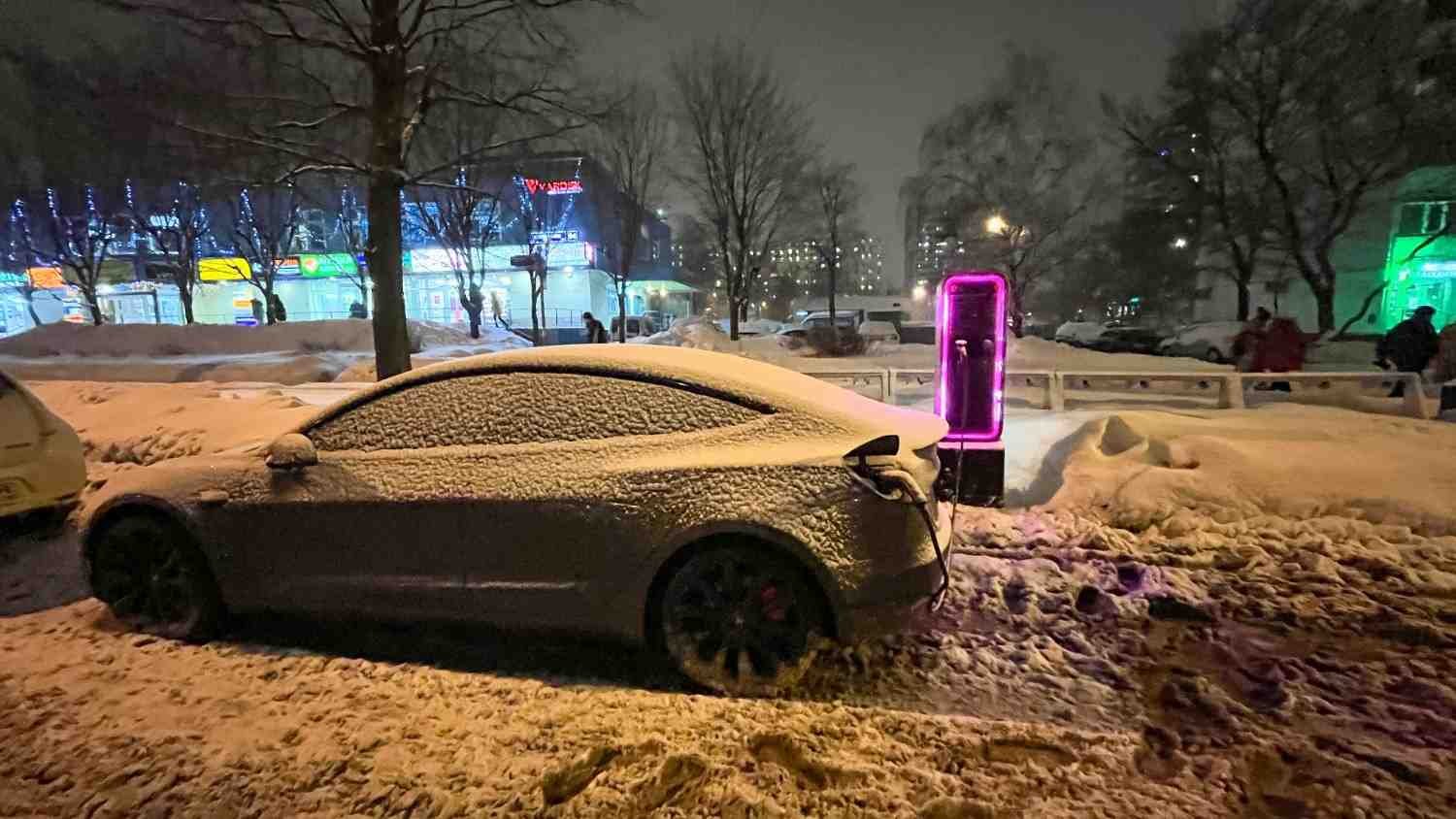
When researching which EV you want to drive, it's worth looking into its winter performance credentials. All of the cars mentioned in the table can be salary sacrificed through The Electric Car Scheme. Use our salary sacrifice calculator to explore the great prices we have on offer for winter-capable electric vehicles.
What Should You Look for in a Winter-Ready Electric Car?
When choosing an electric car through an electric car salary sacrifice scheme, winter performance should be a key consideration—especially if you live in colder regions of the UK or regularly drive in winter conditions. Here's what makes an EV winter-ready and why these features matter for your daily driving experience.
Heat Pump Technology: The Winter Game-Changer
Modern EVs with heat pumps are significantly more efficient at heating the cabin in cold weather, using up to 50% less energy than traditional resistive heaters. This translates directly to better winter range and lower charging costs.
A heat pump works by extracting heat from the outside air (even when it's cold) and transferring it into the cabin, similar to how a refrigerator works in reverse. This process is far more energy-efficient than simply converting electrical energy directly into heat through resistance heating.
Look for models like the Tesla Model Y, Hyundai IONIQ 5, or Volkswagen ID.4 that include heat pumps as standard or optional equipment. When you salary sacrifice an electric car with a heat pump, you're investing in technology that will preserve more range throughout the winter months.
Battery Thermal Management Systems
Advanced battery thermal management systems actively heat or cool the battery to maintain optimal operating temperature, regardless of external conditions. This is crucial for winter performance, as it ensures the battery operates efficiently even in freezing temperatures.
The Mercedes EQE and BMW i5 feature sophisticated thermal management that helps minimize winter range loss—as evidenced by their top performance in What Car's winter testing. These systems can preheat the battery while the car is charging, ensuring it's at optimal temperature before you start driving.
Adequate Battery Size Matters More in Winter
Larger batteries provide more usable range even with winter losses. When salary sacrificing an electric car, consider models with 70kWh+ batteries to ensure you still have comfortable range in winter conditions without constantly worrying about charging.
For example, if a 60kWh battery EV loses 20% range in winter, you're left with 48kWh of usable capacity. But an 80kWh battery losing the same 20% still gives you 64kWh—significantly more usable energy for your daily driving needs.
Essential Heated Surfaces
Multiple heated surfaces (seats, steering wheel, windscreen) allow you to stay comfortable while using less cabin heating—a critical winter efficiency strategy. Most modern EVs available through The Electric Car Scheme include these features as standard, but it's worth confirming when selecting your vehicle.
Heated seats use approximately 50-100 watts per seat, compared to 3,000-5,000 watts for full cabin heating. This dramatic difference in energy consumption means you can stay comfortable while preserving 5-10% more range on winter journeys.
What Are The Best Tips for Driving an Electric Car in Winter?
Maximizing your EV's winter performance requires a combination of preparation, smart driving techniques, and efficient cabin management. These proven strategies can help you preserve 10-15% more range during the coldest months—making a significant difference to your daily driving experience with an electric car salary sacrifice scheme.
How Should I Prepare My Electric Car Before Driving in Winter?
Pre-journey preparation is perhaps the most effective way to preserve winter range. These simple steps, done while your EV is still connected to power, can save 5-10% of your battery capacity for actual driving.
Plug in and Preheat While Connected
To optimise your electric car's performance in cold weather, it's essential to plug in your vehicle and preheat it while it's still connected to the charger. This helps ensure the battery is warm before driving, reducing energy loss and improving range significantly.
Most modern EVs available through salary sacrifice schemes offer smartphone apps that allow you to schedule preheating to finish just before you plan to leave. This means you can walk out to a warm car with a fully charged, optimally-heated battery—all without using any of your driving range.
Preheating while plugged in draws power from the grid rather than your battery, effectively giving you "free" cabin heating. For a typical morning commute, this can preserve 2-3kWh of battery capacity—equivalent to 6-10 miles of additional range.
Take Advantage of Workplace Charging Points
If your workplace offers charging points, taking advantage of them becomes even more valuable during winter. Charging during the workday not only ensures your car is ready for the drive home but also keeps your battery at an optimal temperature for better efficiency in colder weather.
Many employers participating in company electric car schemes are installing workplace charging infrastructure to support employees. If your company hasn't yet set up charging facilities, it's worth raising this with your HR department—especially if multiple employees are interested in electric car salary sacrifice.
Optimise Home Charging Preparation
At home, make sure your charging equipment is in good condition and that your garage or charging area is as insulated as possible. This helps keep the battery from getting too cold while it's charging overnight, improving efficiency and preserving battery health.
If you charge at home using an off-peak electricity tariff, schedule your charging to complete shortly before you plan to drive. This ensures the battery is still warm from charging when you begin your journey, maximizing efficiency. Many EV charging apps allow you to set departure times that automatically optimize charging schedules.
Through The Charge Scheme, employees can save 20-50% on home charging costs through salary sacrifice—making winter charging even more affordable while enjoying optimal battery performance.
Pre-condition Your Battery When Possible
Many EVs offer a pre-conditioning feature that allows you to warm up the battery before you start driving. If your car has this option, use it religiously in winter to ensure the battery is operating at its best, delivering maximum power and efficiency from the moment you pull away.
Pre-conditioning is especially valuable before rapid charging sessions. Many modern electric cars can automatically preheat the battery when you navigate to a rapid charger, ensuring you achieve maximum charging speeds even in freezing conditions.
Plan Routes with Charging Stops
When driving in cold conditions, planning your route ahead of time becomes even more crucial. Make sure to include charging stops along the way, especially for longer trips, to avoid running out of power due to reduced efficiency in low temperatures.
Use apps like ZapMap, PlugShare, or your vehicle's built-in navigation to identify charging stations along your route. Factor in the 15-20% winter range reduction when planning, and aim to arrive at charging stops with at least 20% battery remaining—this ensures you're not stressing about range and can take advantage of faster charging speeds at higher battery temperatures.
How Can I Maximise EV Range While Driving in Cold Weather?
Once you're on the road, your driving style and vehicle settings have a substantial impact on winter range. These techniques can help you extract maximum efficiency from your electric car during cold weather driving.

“EV drivers specifically need to be aware that cold temperatures impact their range. Accelerating gradually and maintaining consistent speeds will not only maximise your energy efficiency but also help reduce the risks of winter hazards, like icy or wet roads.”
Reduce Your Speed on Motorways
Driving at lower speeds can help conserve energy, especially on motorways where aerodynamic drag increases exponentially with speed. For instance, reducing your speed from 70mph to 65mph can improve your EV's range by 8-12% and efficiency, particularly in colder weather.
At 70mph, your electric car is fighting significant wind resistance, which requires substantial energy. Every 5mph reduction in speed decreases aerodynamic drag considerably—energy that can instead be used for heating or extending your range. During winter, when range is already reduced, this simple adjustment can make the difference between reaching your destination comfortably or needing an unplanned charging stop.
Always Use ECO Driving Mode
Most electric vehicles available through salary sacrifice schemes have an ECO driving mode that optimizes energy usage by adjusting acceleration, power delivery, and even climate control settings. Using this mode, especially in winter, can help you get the most out of every charge and reduce unnecessary energy consumption by 10-15%.
ECO mode typically limits maximum acceleration and top speed while optimizing regenerative braking and reducing climate control power consumption. While the reduced acceleration might take some getting used to, the range benefits during winter make it worthwhile for most daily driving situations.
Maximise Regenerative Braking
Regenerative braking recovers energy when you slow down or stop, helping to recharge the battery and extend your range. Make sure to maximize this feature in normal driving conditions—it can recover 10-20% of the energy used during your journey.
However, be cautious about relying too heavily on regenerative braking in snowy or icy conditions, as it can cause loss of traction on slippery surfaces. Many modern EVs automatically reduce regenerative braking intensity when they detect low-grip conditions, but it's still worth being aware of this limitation during winter driving.
To maximize regenerative braking benefits, anticipate stops and slow down gradually rather than braking hard at the last moment. This allows the system to capture maximum energy. In heavy traffic or urban driving, effective use of regenerative braking can add several miles to your available range.
Keep Your Battery Charged Between 20-80%
To prolong battery life and ensure optimal performance, try to keep your battery charged within the 20-80% range. Avoid letting it dip too low or charging it to full capacity unnecessarily, especially during cold weather, as extreme charge levels can stress the battery and reduce its efficiency.
The 20-80% charging window represents the battery's "sweet spot" where chemical reactions occur most efficiently and cell stress is minimized. In winter, this becomes even more important as the battery is already working harder due to cold temperatures. Maintaining this range helps preserve both short-term performance and long-term battery health.
For daily driving with an electric car through salary sacrifice, this charging strategy works perfectly—you can easily charge at home or work without needing to reach 100%, and 60% of your battery capacity is typically more than enough for most daily journeys, even with winter losses.

What's The Most Energy-Efficient Way to Heat an Electric Car?
Cabin management is often overlooked but represents one of the most significant opportunities to preserve winter range. Traditional cabin heating can consume 3-5kW of power—equivalent to 10-15 miles of range per hour. Smart heating strategies can reduce this dramatically.
Use Seat Heaters Instead of Full Cabin Heat
Seat heaters are a far more energy-efficient way to stay warm in your EV during winter months. Instead of turning on the entire cabin heat, use the seat heaters to directly warm up your body, which consumes just 50-100 watts compared to 3,000-5,000 watts for full cabin heating—a massive difference that helps preserve your battery.
Heated seats work by directly warming your body through conduction, providing comfort exactly where you need it. This targeted approach is far more efficient than heating the entire cabin volume, most of which doesn't contribute to passenger comfort. Combined with a heated steering wheel, you can often remain comfortable without any cabin heating at all.
Focus Heating on Occupied Seats Only
To further optimise energy use, focus the heating on the seats that are actually being used. Many vehicles allow you to adjust the temperature for individual seats, so avoid heating unoccupied ones to save power—potentially preserving 2-4 miles of range per hour of driving.
This is particularly relevant for solo driving or when you're not carrying passengers. There's no point heating all seats when only the driver's seat is occupied. Most modern EVs available through salary sacrifice offer individual seat heating controls, making this easy to manage.
Utilise Your Heated Steering Wheel
If your electric car has a heated steering wheel, take advantage of it religiously! This feature warms your hands without needing to heat the entire cabin, making it a highly efficient way to stay comfortable while driving in cold conditions—using just 30-50 watts.
Your hands are in constant contact with the steering wheel, making this one of the most effective comfort features for energy efficiency. Combined with heated seats, many drivers find they can remain comfortable with cabin heating set to 18-19°C rather than 21-22°C—a temperature difference that can save 1-2kW of continuous power draw.
Turn Off Unused Air Vents
If you're not using certain air vents, be sure to turn them off. Unused vents can waste energy by circulating unnecessary heat, so keeping only the essential ones on will help reduce energy consumption and preserve range.
Focus airflow on the windscreen (for demisting), your feet, and face if needed. Rear vents in particular can often be closed completely if you're driving alone, reducing the cabin volume that needs to be heated. This simple adjustment can save 10-15% of your heating energy consumption.
Consider Wearing Warmer Clothing
To reduce your reliance on cabin heating, consider dressing in layers and wearing warmer clothing. This way, you can keep the cabin temperature lower and still stay comfortable during your drive—potentially preserving 5-8 miles of range on a typical winter commute.
A warm jacket, gloves (until the steering wheel heats up), and appropriate footwear mean you can set the cabin temperature 2-3°C lower while maintaining comfort. This isn't about being uncomfortable—it's about being smart with energy use and maximizing the efficiency of your electric car salary sacrifice vehicle.
What Highway Code Rules Apply to EVs in Winter?
Winter driving introduces additional legal compliance considerations that electric car drivers need to be aware of. Breaching these Highway Code rules can result in substantial fines and penalty points—so it's important to understand your obligations when driving in cold weather.
How Can I Avoid Winter Driving Fines?
Clear All Snow and Ice Before Driving (Rule 229)
Before setting off in winter conditions, you must clear **all snow and ice** from your windscreen, windows, mirrors, and lights. Driving with obscured visibility is a breach of Highway Code Rule 229 and can result in fines.
Even if you're in a hurry, taking a few extra minutes to properly clear your vehicle is essential. Police can issue on-the-spot fines for vehicles with inadequately cleared windows, and in serious cases, this could be considered dangerous driving.
Fine risk: Variable, typically £60-£100 on-the-spot penalty
Top tip: Keep a proper ice scraper and de-icer in your EV. While your electric car's pre-conditioning feature can help warm the windscreen, it's not a substitute for physically clearing snow and ice.
EV Charging Etiquette and Safety (Rule 239)
If you're stopping to charge your electric car in winter weather, it's important to do so safely—even if it means spending a bit more time in the freezing cold. According to Highway Code Rule 239, EV drivers must:
- Park close to charge points
- Avoid creating trip hazards for pedestrians with charging cables
- Ensure cables are properly managed and not across walkways
This becomes particularly important in winter when ice, snow, and reduced visibility make trip hazards more dangerous. A charging cable lying across a snowy pavement could cause serious injury to pedestrians.
Fine risk: Up to £130 for creating pedestrian hazards
Best practice: Use charging bays properly, keep cables taut and close to your vehicle, and never stretch cables across pedestrian areas. If a charging point's cable won't reach comfortably, choose a different space rather than creating a hazard.
Coat Removal While Driving
While wearing a warm coat or jacket before driving is sensible, removing it while driving - after your EV has warmed up - could put you at risk of a £100 on-the-spot fine. This is because it requires taking your hands off the wheel, which is considered dangerous driving.
This could also result in three penalty points on your driving licence if caught in the act. While this applies to all vehicles, EV drivers using pre-conditioning may be particularly tempted to wear heavy coats that become too warm once the cabin heats up.
Fine risk: £100 on-the-spot fine + 3 penalty points
Solution: Layer your clothing appropriately before driving so you're comfortable from the start. Use your EV's heated seats and steering wheel for warmth rather than relying solely on heavy clothing, and set the cabin temperature to a comfortable level before setting off.
Insurance Implications of Pre-conditioning
Many electric cars allow you to preheat the vehicle while it's still charging—an excellent way to preserve battery range. However, never leave your car unlocked or unattended while preconditioning, as this creates a well-known theft risk that could invalidate your insurance.
Professional car thieves are aware that many EV owners preheat their vehicles on cold mornings, sometimes leaving them unlocked or with keys inside. Several insurers now explicitly state that claims related to theft during preconditioning will be rejected if the vehicle was left insecure.
Insurance risk: Claim rejection for theft
Best practice: Use your EV's smartphone app to schedule preconditioning to complete just before you plan to leave. Most modern electric cars allow you to warm the vehicle while it's still locked, eliminating the security risk. Alternatively, stay with your vehicle during preconditioning or ensure it's locked and secure.
Can I be fined for not clearing snow from my electric car?
Yes, driving with snow or ice on your windscreen, windows, or lights is a breach of Highway Code Rule 229. Police can issue fines of £60-£100 for inadequately cleared vehicles, and in serious cases it may be considered dangerous driving with higher penalties.
What are the rules for EV charging cables in winter?
Highway Code Rule 239 requires EV drivers to park close to charge points and avoid creating trip hazards with charging cables. This is particularly important in winter when icy conditions make falls more dangerous. Fines up to £130 can be issued for creating pedestrian hazards.
Will my insurance cover theft if I leave my EV preconditioning?
Most insurance policies will reject claims if your vehicle is stolen while unlocked or with keys inside during preconditioning. Always use your EV's remote preconditioning features and ensure the vehicle remains locked and secure.

“We recommend using heated seats instead of warming up the entire car. If your car has regenerative braking, it may be less effective in cold weather. This feature captures lost energy when an electric car slows down, but it doesn’t work as well in winter conditions—so plan your charging accordingly.”
Salary Sacrifice Makes Winter-Ready EVs Affordable
The upfront cost of purchasing a winter-capable electric car can be prohibitive, with premium models featuring heat pumps and advanced thermal management systems often costing £45,000-£75,000. However, electric car salary sacrifice schemes make these high-performing EVs accessible to far more drivers than traditional purchasing or leasing routes.
Through The Electric Car Scheme, employees can save 20-50% on high-performing EVs with excellent winter range, including:
Mercedes EQE (21% winter range loss, 3.4 miles/kWh efficiency)
Tesla Model 3 Long Range (24.8% winter range loss, 3.9 miles/kWh efficiency)
BMW i5 (25.1% winter range loss, 3.1 miles/kWh efficiency)
Tesla Model Y Long Range (11.8% winter range loss—best in class)
With the current 3% Benefit-in-Kind rate for 2025/26 (rising to 5% by 2027), salary sacrifice electric cars represent exceptional value, especially when you factor in the lower running costs compared to petrol vehicles—even in winter conditions where EVs still cost 7-9p per mile versus 11-15p for conventional cars.
How Does Salary Sacrifice Work for Winter-Capable EVs?
As an employee benefit, your company leases an electric car through The Electric Car Scheme on your behalf. In return, you agree to pay for the lease through your gross pay (before tax) from your salary. This arrangement delivers substantial savings because:
Pre-tax deductions reduce your taxable income, saving Income Tax and National Insurance
Low BiK rate of just 3% for 2025/26 makes electric cars exceptionally tax-efficient
Complete Employer Protection from day one—no financial risk to your employer if you leave
All-inclusive packages can include charging infrastructure, maintenance, insurance, and breakdown cover
For example, a Mercedes EQE—one of the best winter performers—might cost £750 per month on a personal lease. Through salary sacrifice, the same vehicle could cost just £375-£525 per month after tax savings, depending on your tax bracket. That's a saving of £2,700-£4,500 annually, making a premium winter-capable EV affordable for many more employees.
Additional Winter Savings with The Charge Scheme
Through The Charge Scheme, employees can now salary sacrifice their EV charging costs as well, saving an additional 20-50% on all charging—whether at home, at work, or in public. This is particularly valuable during winter when you may need to charge more frequently due to reduced range.
Combined with an electric car salary sacrifice scheme, this creates a comprehensive cost-saving approach to EV ownership that addresses both the vehicle and the "fuel" costs through tax-efficient salary deductions.
Ready to explore which winter-ready electric car is right for you? Use our salary sacrifice calculator to see how much you could save on a premium electric vehicle with excellent cold-weather performance.
Salary Sacrifice Makes Winter-Ready EVs Affordable
The upfront cost of purchasing a winter-capable electric car can be prohibitive, with premium models featuring heat pumps and advanced thermal management systems often costing £45,000-£75,000. However, electric car salary sacrifice schemes make these high-performing EVs accessible to far more drivers than traditional purchasing or leasing routes.
Through The Electric Car Scheme, employees can save 20-50% on high-performing EVs with excellent winter range, including:
Mercedes EQE (21% winter range loss, 3.4 miles/kWh efficiency)
Tesla Model 3 Long Range (24.8% winter range loss, 3.9 miles/kWh efficiency)
BMW i5 (25.1% winter range loss, 3.1 miles/kWh efficiency)
Tesla Model Y Long Range (11.8% winter range loss—best in class)
With the current 3% Benefit-in-Kind rate for 2025/26 (rising to 5% by 2027), salary sacrifice electric cars represent exceptional value, especially when you factor in the lower running costs compared to petrol vehicles—even in winter conditions where EVs still cost 7-9p per mile versus 11-15p for conventional cars.
How Does Salary Sacrifice Work for Winter-Capable EVs?
As an employee benefit, your company leases an electric car through The Electric Car Scheme on your behalf. In return, you agree to pay for the lease through your gross pay (before tax) from your salary. This arrangement delivers substantial savings because:
Pre-tax deductions reduce your taxable income, saving Income Tax and National Insurance
Low BiK rate of just 3% for 2025/26 makes electric cars exceptionally tax-efficient
Complete Employer Protection from day one—no financial risk to your employer if you leave
All-inclusive packages can include charging infrastructure, maintenance, insurance, and breakdown cover
For example, a Mercedes EQE—one of the best winter performers—might cost £750 per month on a personal lease. Through salary sacrifice, the same vehicle could cost just £375-£525 per month after tax savings, depending on your tax bracket. That's a saving of £2,700-£4,500 annually, making a premium winter-capable EV affordable for many more employees.
Additional Winter Savings with The Charge Scheme
Through The Charge Scheme, employees can now salary sacrifice their EV charging costs as well, saving an additional 20-50% on all charging—whether at home, at work, or in public. This is particularly valuable during winter when you may need to charge more frequently due to reduced range.
Combined with an electric car salary sacrifice scheme, this creates a comprehensive cost-saving approach to EV ownership that addresses both the vehicle and the "fuel" costs through tax-efficient salary deductions.
Ready to explore which winter-ready electric car is right for you? Use our salary sacrifice calculator to see how much you could save on a premium electric vehicle with excellent cold-weather performance.
Salary Sacrifice Makes Winter-Ready EVs Affordable
The upfront cost of purchasing a winter-capable electric car can be prohibitive, with premium models featuring heat pumps and advanced thermal management systems often costing £45,000-£75,000. However, electric car salary sacrifice schemes make these high-performing EVs accessible to far more drivers than traditional purchasing or leasing routes.
Through The Electric Car Scheme, employees can save 20-50% on high-performing EVs with excellent winter range, including:
Mercedes EQE (21% winter range loss, 3.4 miles/kWh efficiency)
Tesla Model 3 Long Range (24.8% winter range loss, 3.9 miles/kWh efficiency)
BMW i5 (25.1% winter range loss, 3.1 miles/kWh efficiency)
Tesla Model Y Long Range (11.8% winter range loss—best in class)
With the current 3% Benefit-in-Kind rate for 2025/26 (rising to 5% by 2027), salary sacrifice electric cars represent exceptional value, especially when you factor in the lower running costs compared to petrol vehicles—even in winter conditions where EVs still cost 7-9p per mile versus 11-15p for conventional cars.
How Does Salary Sacrifice Work for Winter-Capable EVs?
As an employee benefit, your company leases an electric car through The Electric Car Scheme on your behalf. In return, you agree to pay for the lease through your gross pay (before tax) from your salary. This arrangement delivers substantial savings because:
Pre-tax deductions reduce your taxable income, saving Income Tax and National Insurance
Low BiK rate of just 3% for 2025/26 makes electric cars exceptionally tax-efficient
Complete Employer Protection from day one—no financial risk to your employer if you leave
All-inclusive packages can include charging infrastructure, maintenance, insurance, and breakdown cover
For example, a Mercedes EQE—one of the best winter performers—might cost £750 per month on a personal lease. Through salary sacrifice, the same vehicle could cost just £375-£525 per month after tax savings, depending on your tax bracket. That's a saving of £2,700-£4,500 annually, making a premium winter-capable EV affordable for many more employees.
Additional Winter Savings with The Charge Scheme
Through The Charge Scheme, employees can now salary sacrifice their EV charging costs as well, saving an additional 20-50% on all charging—whether at home, at work, or in public. This is particularly valuable during winter when you may need to charge more frequently due to reduced range.
Combined with an electric car salary sacrifice scheme, this creates a comprehensive cost-saving approach to EV ownership that addresses both the vehicle and the "fuel" costs through tax-efficient salary deductions.
Ready to explore which winter-ready electric car is right for you? Use our salary sacrifice calculator to see how much you could save on a premium electric vehicle with excellent cold-weather performance.
Are you an employer?
BOOK A DEMOAre you an employee?
SEE AVAILABLE CARSECS GUIDES AND ADVICE
Ready to Go Electric? Your Guides and Tools to a Smooth Switch
-
 How the Scheme Works
Find out how salary sacrifice can work for you or your business.
-
 The Charge Scheme
Save 20-50% on all charging costs through salary sacrifice - at home, the office, or in public..
-
 Complete Employer Protection
All employers and drivers are protected from day 1.
-
 Used Electric Cars
Discover the most affordable way to drive electric. Cars delivered in 14 days.
You Might Also Like…


Last updated: 08/12/2025
Our pricing is based on data collected from The Electric Car Scheme quote tool. All final pricing is inclusive of VAT. All prices above are based on the following lease terms; 10,000 miles pa, 36 months, and are inclusive of Maintenance and Breakdown Cover. The Electric Car Scheme’s terms and conditions apply. All deals are subject to credit approval and availability. All deals are subject to excess mileage and damage charges. Prices are calculated based on the following tax saving assumptions; England & Wales, 40% tax rate. The above prices were calculated using a flat payment profile. The Electric Car Scheme Limited provides services for the administration of your salary sacrifice employee benefits. The Electric Car Scheme Holdings Limited is a member of the BVRLA (10608), is authorised and regulated by the FCA under FRN 968270, is an Appointed Representative of Marshall Management Services Ltd under FRN 667174, and is a credit broker and not a lender or insurance provider.
Copyright and Image Usage: All images used on this website are either licensed for commercial use or used with express permission from the copyright holders, in compliance with UK and EU copyright law. We are committed to respecting intellectual property rights and maintaining full compliance with applicable regulations. If you have any questions or concerns regarding image usage or copyright matters, please contact us at marketing@electriccarscheme.com and we will address them promptly.
