10 Benefits of Electric Cars in 2026: Cost, Environmental & Performance Advantages
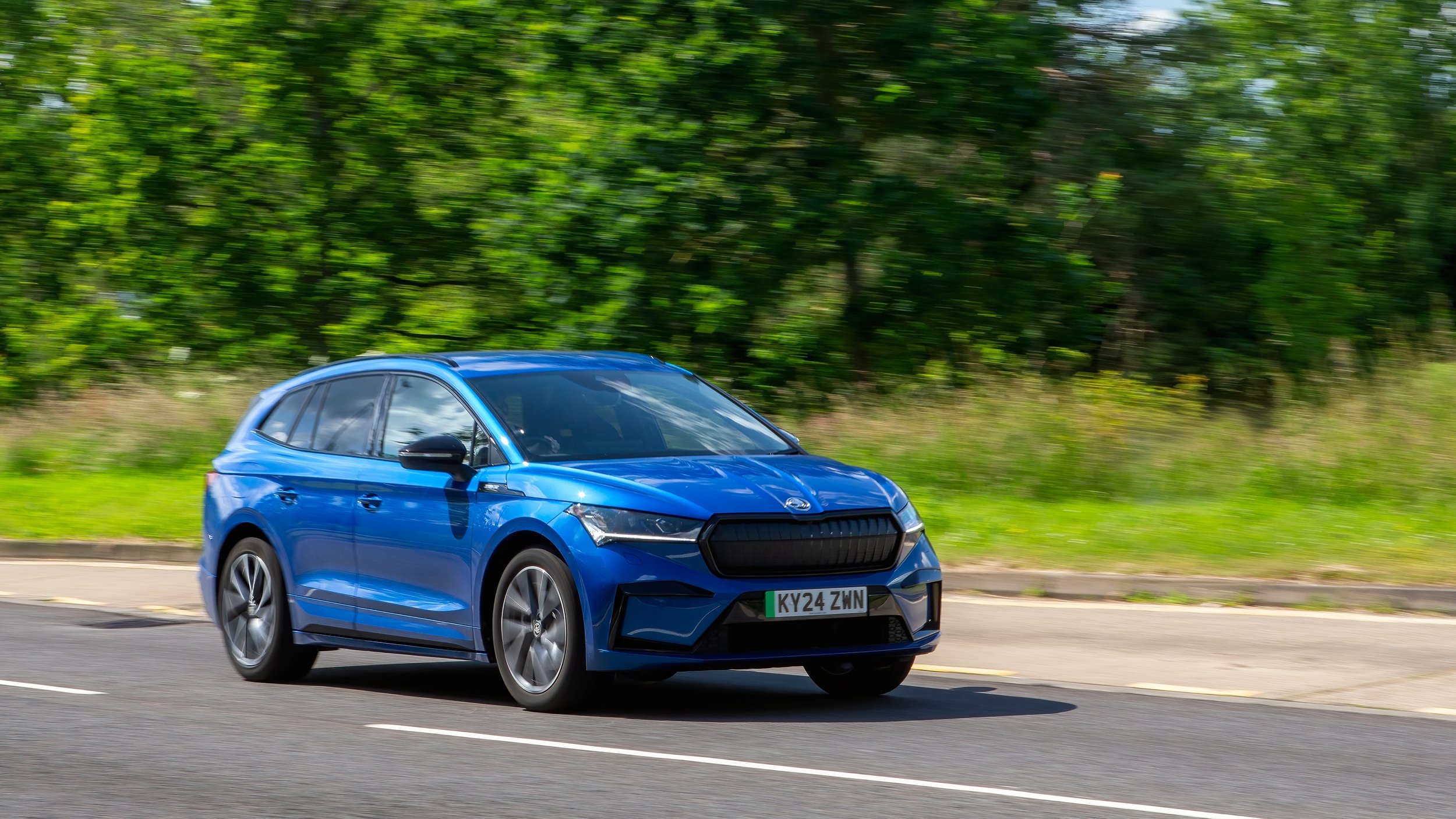
Image source: Shutterstock
Electric cars have moved from early adoption to everyday reality for UK drivers. With lower running costs, cleaner driving, improved range, and generous tax incentives, switching to electric has never been more practical or more affordable.
In this guide, we explore the key benefits of electric cars in 2026, from environmental impact and day-to-day savings to performance, maintenance, and how salary sacrifice schemes like The Electric Car Scheme can reduce the cost of driving electric by 20–50%. Whether you’re just starting to explore EVs or weighing up your next car, this article will help you make a confident, informed decision.
Why Are Electric Cars Becoming So Popular In The UK?
Electric cars are no longer a future concept; they’re now a mainstream choice for UK drivers.
How Many EVs Are On UK roads in 2026?
By the end of 2025, the UK passed 1.2 million battery electric vehicles (BEVs) on the road. Adoption continues to rise as more drivers reach natural replacement points for petrol and diesel cars.
What Is The UK’s Zero-Emission Vehicle (ZEV) Mandate?
The ZEV mandate requires manufacturers to sell an increasing proportion of zero-emission vehicles each year. This has:
Increased consumer choice
Improved availability
Helped stabilise pricing
In 2025, EVs exceeded 22% of all new registrations, and that figure continues to grow.
How Has The EV Charging Infrastructure Improved?
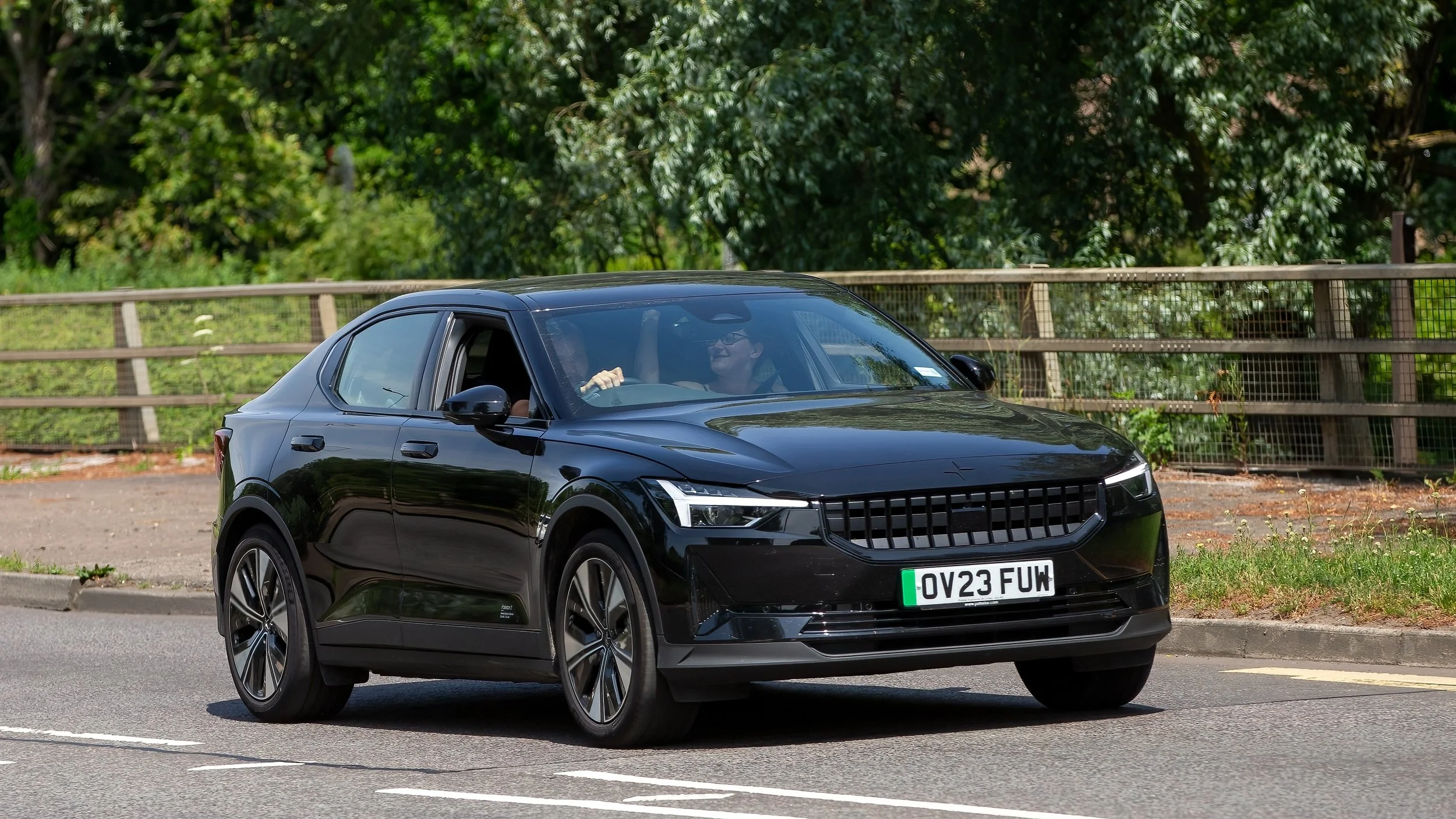
The UK charging network now includes:
70,000+ public charge points
15,000+ rapid and ultra-rapid chargers
Strong motorway, workplace, retail, and residential coverage
For most drivers, charging access is no longer a barrier to switching.
Image source: Shutterstock
What Are The Environmental Benefits Of Electric Cars?
How Much CO₂ Do Electric Cars Save?
A typical electric car saves around 1.5 tonnes of CO₂ per year compared with a petrol equivalent. Over a full ownership cycle, this delivers a meaningful reduction in emissions.
Are Electric Cars Really Cleaner Than Petrol Cars?
Yes. Even when battery production and electricity generation are included, electric cars produce around 58% lower lifetime emissions than petrol vehicles.
What About Battery Production Emissions?
Battery manufacturing does create higher upfront emissions. However, these are usually offset after 20,000–30,000 miles of driving. From that point onwards, the electric car delivers net environmental benefits.
How Does The UK Electricity Grid Affect EV Emissions?
More electricity now comes from renewable sources. As the grid continues to decarbonise, emissions linked to EV charging automatically fall, without drivers needing to change behaviour.
How Much Cheaper Is It To Run An Electric Car?
What Does It Cost To Charge An Electric Car At Home?
Charging costs depend on your tariff:
Standard tariff (~28p/kWh): ~£17 for a full 60kWh charge
EV off-peak tariff (~7p/kWh): ~£4.20 for the same charge
That’s roughly 200 miles of driving.
How Do EV Charging Costs Compare To Petrol?
For 10,000 miles per year:
Petrol car fuel: ~£1,450
EV (standard home charging): ~£780
EV (off-peak charging): ~£130
How Can Salary Sacrifice Reduce Charging Costs Further?
When charging costs are combined with salary sacrifice benefits, effective costs can fall even further - particularly for higher-rate taxpayers.
What Tax Benefits Do Electric Cars Have?
Do Electric Cars Pay Road Tax In 2026?
Yes, but at low levels:
EVs registered from April 2025: £10 in year one, then £195 per year
EVs registered before April 2025: £0 until their first renewal after April 2025
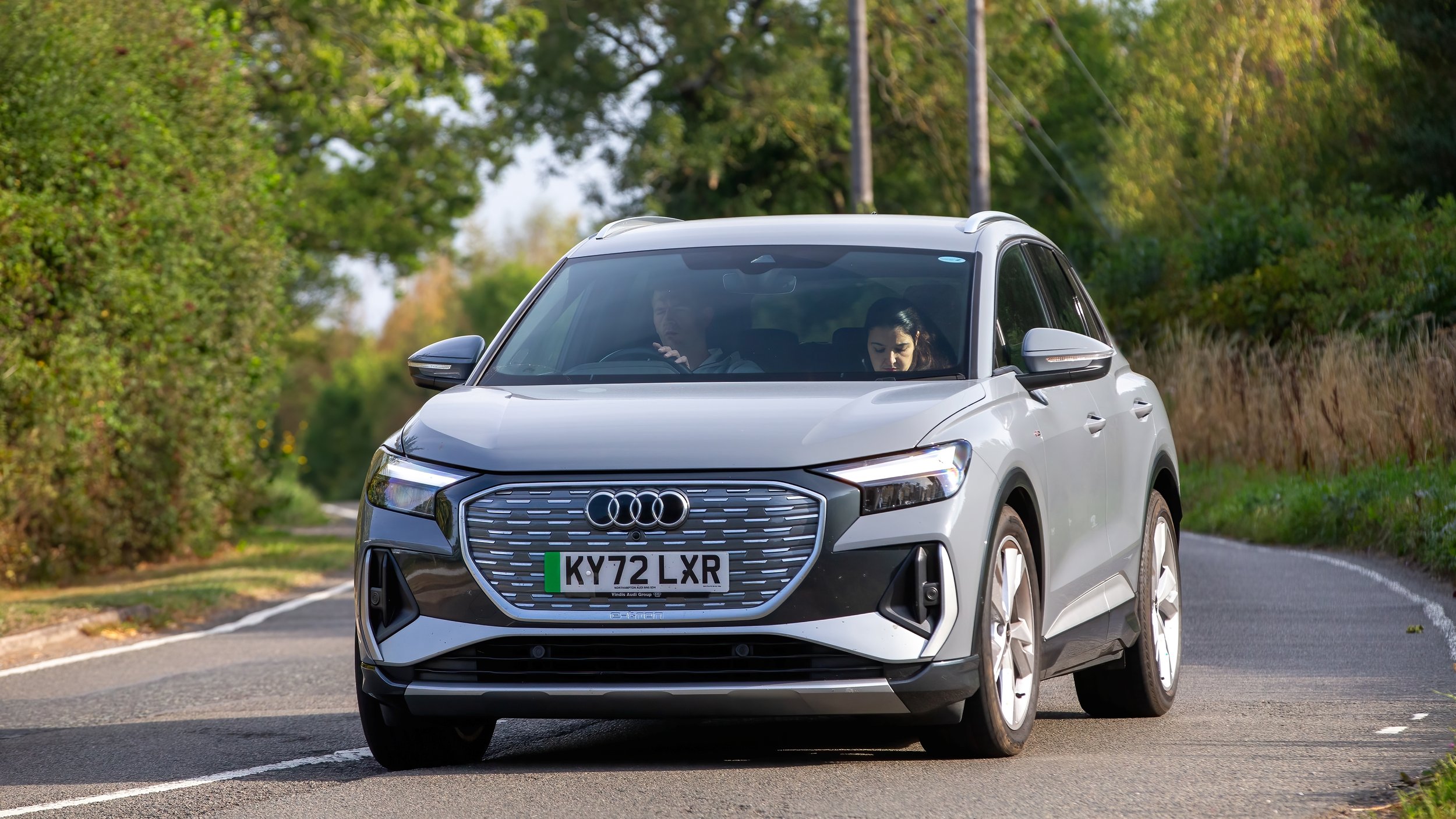
Image source: Shutterstock
What is Benefit-in-Kind (BiK) Tax For Electric Cars?
2025/26: 3%
2026/27: 4%
2027/28: 5%
By comparison, petrol and diesel company cars can attract BiK rates of up to 37%.
Are Electric Cars Exempt From Congestion And Clean Air Charges?
Which UK Cities Have Clean Air Zones?
Clean air zones operate in cities including London, Birmingham, Bath, Bristol, Manchester, and others.
Do EVs Still Get ULEZ Exemptions?
The Cleaner Vehicle Discount ended in December 2025. However, electric cars still meet the strictest emissions standards and avoid charges that apply to many petrol and diesel vehicles.
What Are The Potential Savings?
For drivers entering clean air zones regularly, this can save hundreds or thousands of pounds per year.
What Makes The Driving Experience Better In Electric Cars?
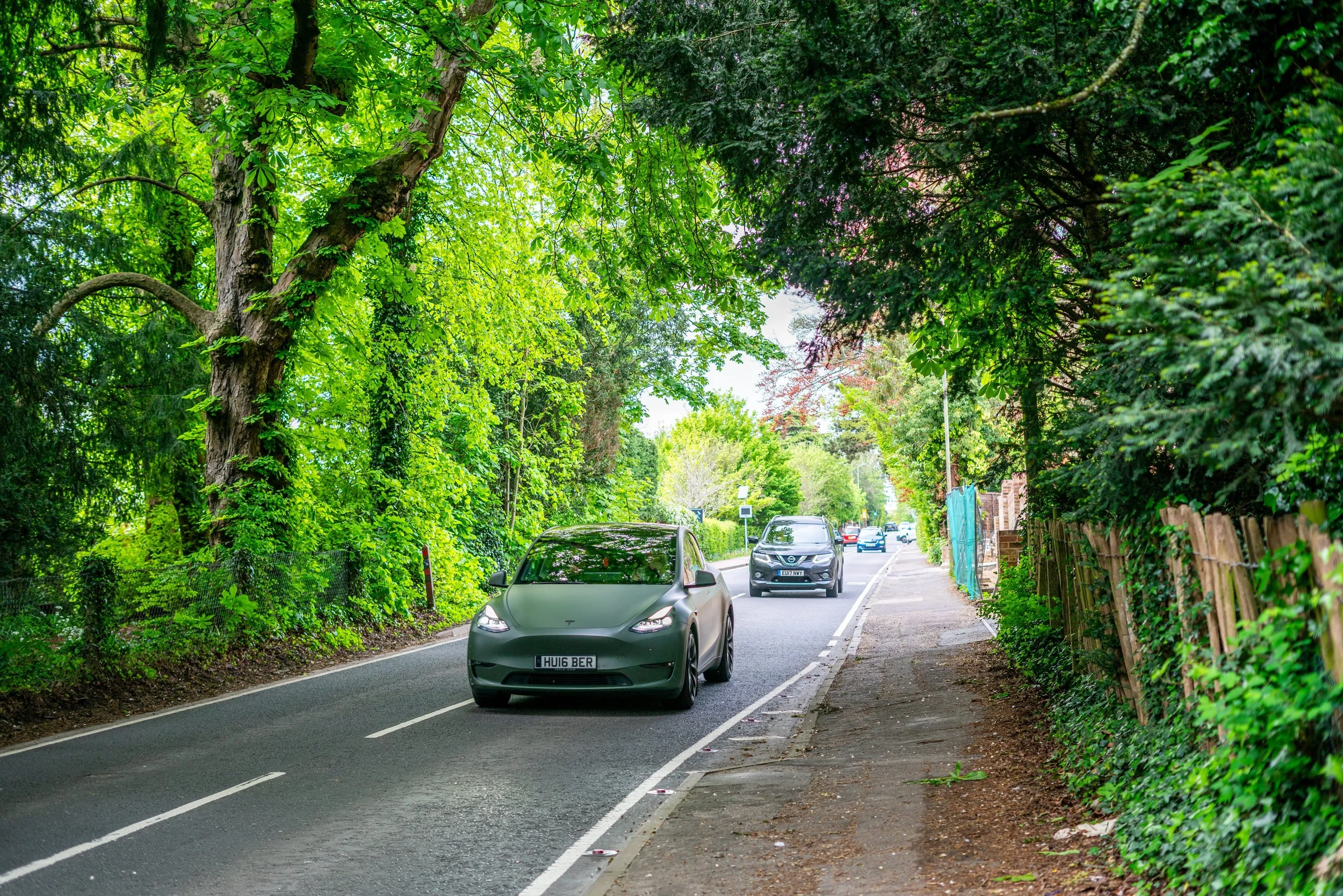
Image source: Shutterstock
Instant Torque And Smooth Acceleration
Electric motors deliver power instantly, making everyday driving smoother and more responsive.
Regenerative Braking
Regenerative braking improves efficiency while reducing brake wear, contributing to lower maintenance costs.
Quieter, More Refined Journeys
With fewer vibrations and less noise, electric cars offer a calmer driving experience, particularly in towns and on longer trips.
Energy Efficiency
Electric cars convert around 60% of energy into movement, compared with 17–21% for petrol cars.
How Much Do Electric Cars Cost To Maintain?
Electric cars have fewer moving parts, which reduces servicing requirements.
Why EV Maintenance Costs Are Lower
No oil changes
No timing belts
Fewer brake replacements
No exhaust systems
What EVs Still Need
Tyres
Brake fluid changes
Cabin filters
Windscreen wipers and washers
Battery Health And Warranties
Most modern EVs:
Retain ~90% capacity after 8 years
Come with 8–10 year warranties
10-year maintenance comparison
Petrol car servicing: ~£2,050+
Electric car servicing: ~£1,650
Typical saving: £400–£600
How Much Can I Save With Electric Car Salary Sacrifice?
Salary sacrifice is one of the most compelling benefits of switching to electric.
What Is Electric Car Salary Sacrifice?
Your employer leases the car, and you give up part of your gross salary to cover the cost. Because deductions are made before tax, you save on Income Tax and National Insurance.
What Is BiK And Why Do Low BiK Rates Matter?
With BiK at 4% in 2026/27, electric cars remain one of the most tax-efficient company car options available.
Real-world savings examples
Family SUV: Audi Q8 e-tron
Salary sacrificing the Audi Q6 would save you 30% instead of leasing the car yourself. You will save £380 on employee income savings and £34 in National Insurance savings every month!

| Savings Breakdown - Audi Q6 Sport 83kWh | £60,000 Salary |
|---|---|
| Average monthly salary sacrifice (inc VAT) | £1,060 |
| Employee income savings | -£380 |
| Employee national insurance savings | -£34 |
| Average benefit-in-kind tax over term | £93 |
| Net cost/You pay | £739 |
Affordable EV: Dacia Spring
If you’re looking for an affordable EV, the Dacia Spring should be on your radar! If you’re someone earning £60k per annum, you could be leasing the Spring for as little as £149 per month!

| Savings Breakdown - Dacia Spring Expression 27kWh | £60,000 Salary |
|---|---|
| Average monthly salary sacrifice (inc VAT) | £213 |
| Employee income savings | -£85 |
| Employee national insurance savings | -£4 |
| Average benefit-in-kind tax over term | £26 |
| Net cost/You pay | £149 |
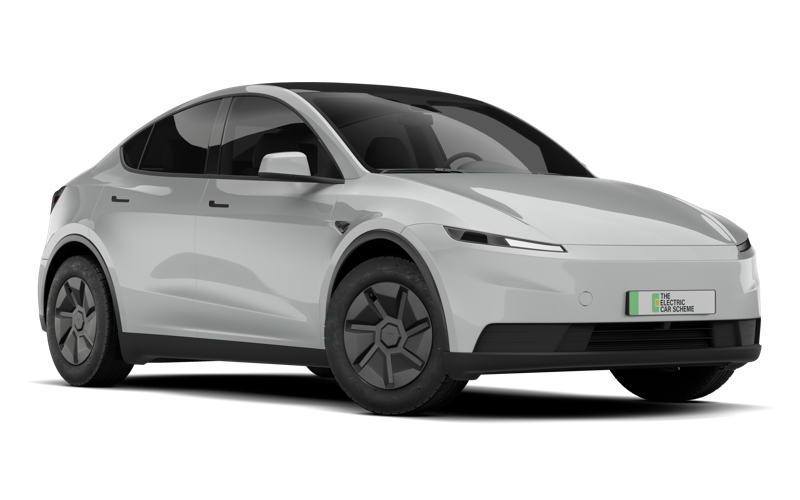
Premium EV: Tesla Model Y
The Tesla Model Y is a fan favourite and salary sacrifice is the most cost-efficient way to lease one!
| Savings Breakdown - Tesla Model Y | £60,000 Salary |
|---|---|
| Average monthly salary sacrifice (inc VAT) | £810 |
| Employee income savings | -£324 |
| Employee national insurance savings | -£16 |
| Average benefit-in-kind tax over term | £72 |
| Net cost/You pay | £542 |
This removes many of the uncertainties of private car ownership.
What Are The Performance Benefits Of Electric Cars?
Acceleration
Instant torque delivers confident overtaking and smooth motorway merging.
Range
Typical EV range: 250–350 miles
Long-distance suitability
Rapid chargers add 100–150 miles in 20–30 minutes, aligning naturally with rest breaks.
What Is The Resale Value Of Electric Cars?
Electric car resale values have stabilised as the market matures.
Are EVs holding their value?
Yes. Improved battery durability, longer warranties, and strong used-EV demand have helped residual values.
What affects resale value?
Battery health
Mileage
Software updates
Charging capability
Frequently Asked Questions About Electric Car Benefits
Q: What is the biggest benefit of owning an electric car?
Lower running costs and cleaner driving are the most common reasons.
Q: Are electric cars really better for the environment?
Yes, even accounting for battery production.
Q: How much does it cost to charge an EV?
Between £4 and £17 for around 200 miles, depending on your tariff.
Q: Do electric cars still pay road tax?
Yes, but at much lower levels than petrol or diesel cars.
Q: How long do EV batteries last?
Typically 15–20 years, with minimal degradation.
Q: Can electric cars handle long journeys?
Yes, modern range and rapid charging make long trips straightforward.
Final thoughts
Electric cars in 2026 are cleaner, cheaper to run, and easier to live with than ever before. When combined with salary sacrifice through The Electric Car Scheme, they become an accessible, predictable, and practical option for many UK drivers.
Switching to electric is no longer about compromise - it’s about making a confident, informed choice that works financially and environmentally.
Are you an employer?
BOOK A DEMOAre you an employee?
SEE AVAILABLE CARSECS GUIDES AND ADVICE
Ready to Go Electric? Your Guides and Tools to a Smooth Switch
-
 How the Scheme Works
Find out how salary sacrifice can work for you or your business.
-
 The Charge Scheme
Save 20-50% on all charging costs through salary sacrifice - at home, the office, or in public..
-
 Complete Employer Protection
All employers and drivers are protected from day 1.
-
 Used Electric Cars
Discover the most affordable way to drive electric. Cars delivered in 14 days.
Last updated: 22/12/2025
Our pricing is based on data collected from The Electric Car Scheme quote tool. All final pricing is inclusive of VAT. All prices above are based on the following lease terms; 10,000 miles pa, 36 months, and are inclusive of Maintenance and Breakdown Cover. The Electric Car Scheme's terms and conditions apply. All deals are subject to credit approval and availability. All deals are subject to excess mileage and damage charges. Prices are calculated based on the following tax saving assumptions; England & Wales, 40% tax rate. The above prices were calculated using a flat payment profile. The Electric Car Scheme Limited provides services for the administration of your salary sacrifice employee benefits. The Electric Car Scheme Holdings Limited is a member of the BVRLA (10608), is authorised and regulated by the FCA under FRN 968270, is an Appointed Representative of Marshall Management Services Ltd under FRN 667174, and is a credit broker and not a lender or insurance provider.
Copyright and Image Usage: All images used on this website are either licensed for commercial use or used with express permission from the copyright holders, in compliance with UK and EU copyright law. We are committed to respecting intellectual property rights and maintaining full compliance with applicable regulations. If you have any questions or concerns regarding image usage or copyright matters, please contact us at marketing@electriccarscheme.com