Is Range Anxiety Real? The Truth About EV Range in 2026

Thinking about going electric, but worried you might run out of charge at the worst possible moment? You’re not alone. Range anxiety is one of the most common concerns people have when considering an electric car - but in 2026, is it still a genuine issue, or simply a hangover from the early days of EVs?
With modern electric cars offering far longer ranges, a rapidly expanding UK charging network and smarter ways to charge at home and on the road, the reality looks very different from the perception. In this guide, we’ll separate fact from fiction, look at what real EV drivers experience, and explain why range anxiety rarely matches everyday driving in the UK.
What Is Range Anxiety And Why Do People Worry About It?
Range anxiety is the fear that your electric car will run out of battery before you reach your destination or a charging point.
If that sounds familiar, it’s because it mirrors the “low battery panic” many of us feel with our phones. The difference? With EVs, the fear rarely reflects real-world use.
What Causes Range Anxiety In Potential EV Buyers?
Unfamiliarity with EV driving
Uncertainty about charger availability
Media focus on rare negative stories
Comparing EV charging to quick petrol refuelling
How Common Is Range Anxiety?
Range anxiety is very common before buying an electric car, particularly among drivers who have never experienced EV ownership. Many potential buyers worry about whether an electric car will meet their needs, especially for longer journeys.
However, this concern drops sharply once people start driving electric vehicles and build confidence in charging routines and real-world range.
Is Range Anxiety Based On Reality Or Perception?
For most drivers, range anxiety is driven more by perception than real-world experience.
In 2024, breakdowns caused by electric vehicles running out of charge fell to a record low of 1.85%. To put that into context, back in 2015 the same issue accounted for 8.26% of EV breakdowns, at a time when battery ranges were shorter, charging infrastructure was limited, and EV ownership was far less common. The sharp decline over the past decade reflects significant improvements in battery technology, charging speeds and the availability of public and home charging.
How Far Can Modern Electric Cars Actually Travel?
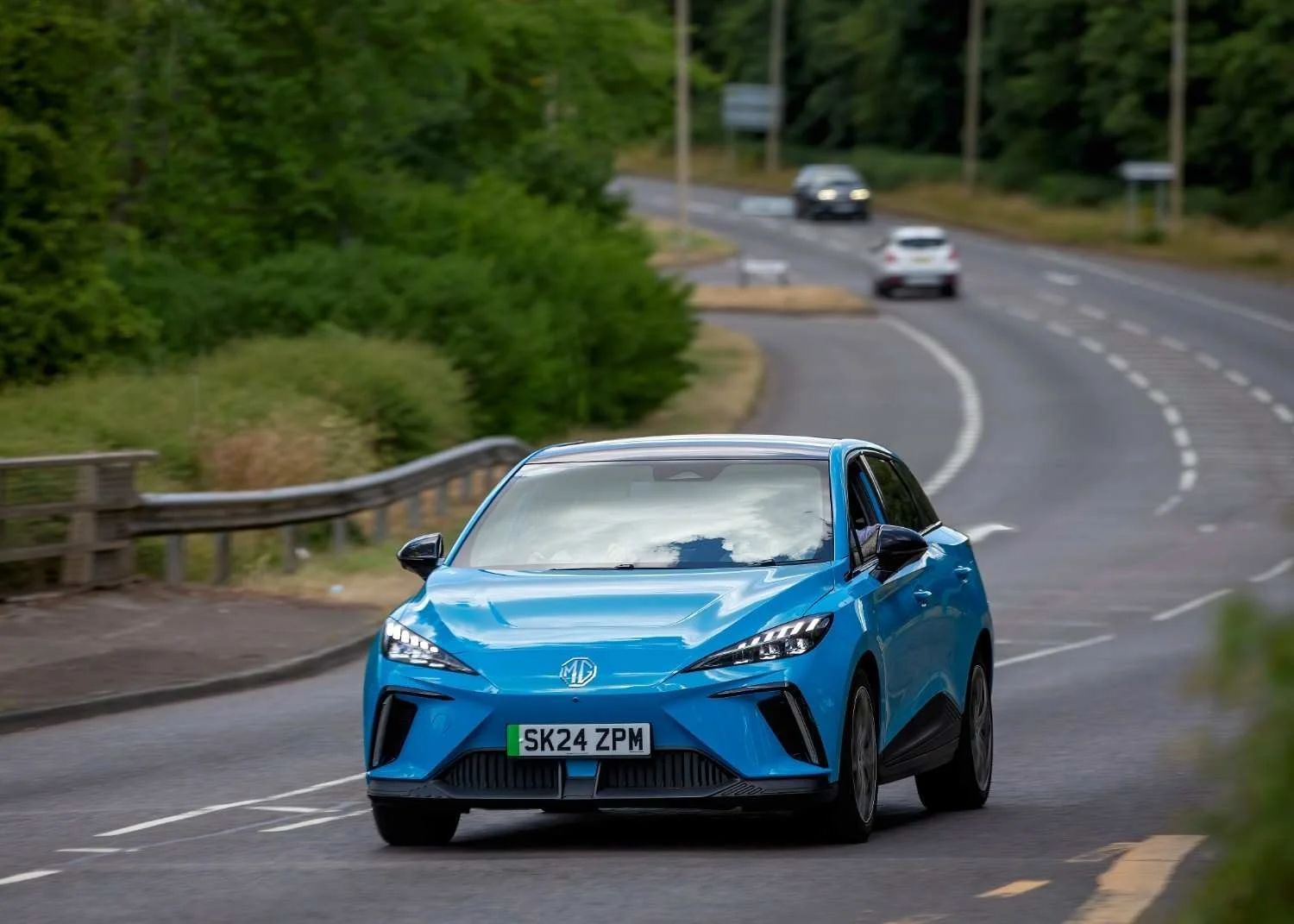
Modern electric cars have come a long way in a relatively short period. Improvements in battery density, efficiency and software mean today’s EVs deliver far more usable range than early models.
What’s The Average EV Range In 2026?
The average new electric car sold in the UK now offers around 280 miles of WLTP range, with many popular models exceeding 300 miles.
Do EVs Achieve Their Advertised Range?
WLTP figures are best viewed as a benchmark rather than a guarantee. In real-world conditions, most drivers experience 10–20% less range, depending on temperature, speed and driving style - still far more than enough for daily use.
How Far Do People Actually Drive Each Day In The UK?
According to the UK Department for Transport’s National Travel Survey, people in Great Britain travelled an average of 6,082 miles per person in 2024, across all modes of transport. When broken down across the year, this equates to around 16–17 miles of travel per person per day on average, with cars accounting for the majority of distance travelled.
The same dataset also shows that everyday travel is comprised of short journeys. A large proportion of trips are under five miles, reinforcing the idea that most day-to-day driving distances fall well within the range of modern electric vehicles.
Taken together, this data highlights a clear mismatch between how far people typically travel and the range capabilities of today’s EVs, which now average around 280 miles on a single charge.
Supporting Evidence On Short Journeys
Further analysis of Department for Transport data summarised by Road Safety GB shows that in 2023, approximately:
25% of all trips were under one mile
71% of all trips were under five miles
This reinforces that most journeys are short, frequent trips rather than long-distance driving - a pattern that strongly aligns with electric vehicle use, particularly for drivers who can charge at home overnight!
How Many Charging Points Are There In The UK?
The UK has over 87,000 public charging points across 44,326 locations - such as motorways, supermarkets, workplaces, residential streets and town centres.
This doesn’t include the hundreds of thousands of private home and workplace chargers already in use!
How Does This Compare To Petrol Stations?
In comparison, there are over 8,000 petrol stations in the UK. While charging works differently, this comparison highlights just how widespread EV charging has become.
How Fast Can You Charge An Electric Car?
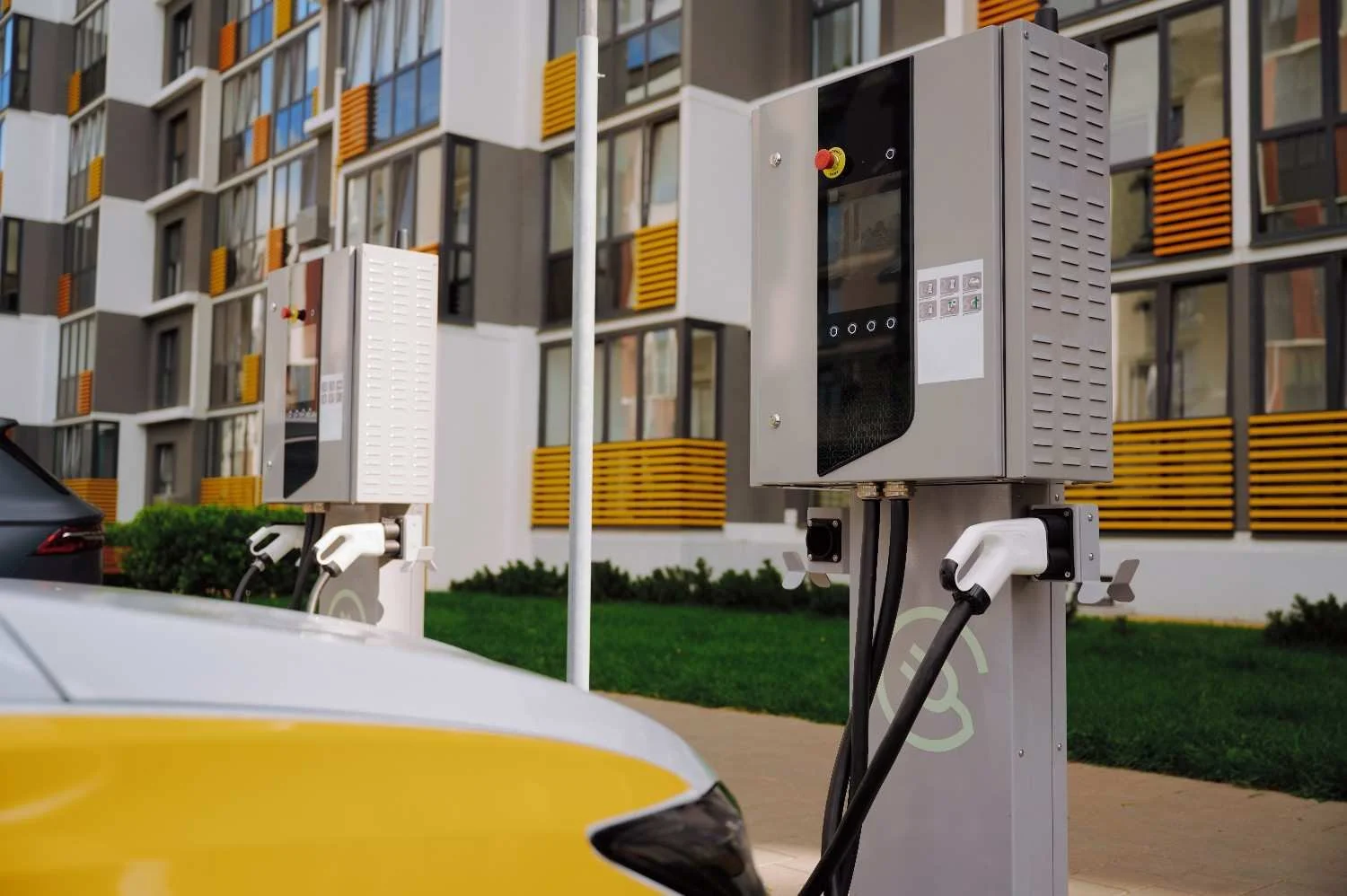
Source: Shutterstock
Charging speed depends on where you plug in:
Home charging (7kW): Ideal for overnight top-ups
Rapid charging (50kW): 20–80% in around 30–40 minutes
Ultra-rapid charging (150–350kW): Add 100+ miles in 10–20 minutes
For long journeys, charging usually fits naturally around rest breaks.
Do EV Drivers Actually Experience Range Anxiety?
Real-world data paints a very different picture from the concerns often raised before buying an electric car. While range anxiety is frequently cited as a barrier to adoption, evidence from breakdown and ownership data shows that genuinely running out of charge is increasingly rare.
For most drivers, range anxiety tends to disappear once they gain real-world experience. As charging routines become familiar and drivers learn how far their car can comfortably go on a single charge, concern is replaced by confidence - often within the first few weeks of ownership.
What Factors Affect Electric Vehicle Range?
Like any car, an electric vehicle’s range can vary depending on how and where it’s driven. Factors such as temperature, speed, and energy use inside the cabin all play a role, which is why real-world range may differ from official figures.
Cold weather can reduce range, typically by 15–25%, as batteries are less efficient at lower temperatures and more energy is used to heat the cabin. Hot weather can also do the same!
It will come as no surprise that motorway driving at sustained high speeds can also reduce range by around 20–30%, largely due to increased aerodynamic drag. Using cabin heating has a smaller but still noticeable impact, often reducing range by 8–15%, while urban driving can actually improve efficiency thanks to regenerative braking.
One of the simplest ways to minimise these effects is pre-conditioning - warming the battery and cabin while the car is still plugged in. This uses electricity from the grid rather than the battery, helping preserve range, particularly in winter.
How Can You Overcome Range Anxiety?
Most drivers overcome range anxiety not through technical knowledge, but through everyday experience. Charging at home overnight quickly becomes the norm for many EV owners, removing the need to think about range daily.

Using route-planning tools and charging apps for longer journeys also builds confidence, as drivers can see where chargers are located and plan natural breaks around them. Over time, drivers learn their vehicle’s true real-world range and develop an intuitive understanding of how far they can travel comfortably.
Image source: Shutterstock
For many people, this adjustment happens quickly. Within a month of ownership, it’s common for drivers to report that they rarely think about range at all!
How Does Salary Sacrifice Help With Range And Charging Concerns?
Salary sacrifice plays an important role in reducing both the practical and psychological aspects of range anxiety. By lowering the cost of electric vehicles through tax savings, it gives drivers access to longer-range models that might otherwise feel out of reach.
Many salary sacrifice packages also include home charger installation, making overnight charging straightforward and convenient. On top of this, solutions like The Charge Scheme help reduce the cost of public charging, removing uncertainty around expenses on longer journeys.
With insurance, maintenance, and breakdown cover typically bundled into one monthly cost, salary sacrifice offers a level of predictability that makes switching to electric feel far less daunting.
When Is Range Anxiety Actually Justified?
While range anxiety is largely unfounded for most drivers, there are a small number of scenarios where it can be more relevant. Drivers who live in very remote rural areas, regularly travel more than 100 miles in a single day, or lack access to home or workplace charging, may need to think more carefully about vehicle choice and charging strategy.
Even in these cases, range anxiety doesn’t mean electric driving isn’t viable - it simply requires better planning, a suitable vehicle, and access to the right charging solutions. Importantly, these situations affect less than 5% of UK drivers, meaning the vast majority can switch to electric without concern.
How Will Range Anxiety Decrease In The Future?
Range anxiety is already far less common than it once was, and this trend is set to continue. Battery technology is improving, delivering longer real-world ranges, while charging infrastructure continues to expand across the UK at a fast pace.
At the same time, faster charging speeds are reducing the inconvenience of long journeys, and better in-car navigation is making it easier to plan charging stops with confidence. Together, these developments mean that for most drivers, range anxiety is not only manageable today - it’s steadily becoming irrelevant, which is great news!
Frequently Asked Questions About Range Anxiety
What Is Range Anxiety?
Range anxiety is the fear that an electric car will run out of battery before reaching a destination or a charging point. It’s most common among people who haven’t driven an EV before. For most owners, it fades quickly with experience.
How Common Is Range Anxiety Among EV Drivers?
Range anxiety is common before buying an EV, but much less common after. Real-world data shows that only a small percentage of EV drivers ever experience genuine range-related issues. Most drivers report increased confidence within the first few weeks.
What Is The Average Range Of Electric Cars In 2026?
The average new electric car sold in the UK now offers around 280 miles of WLTP range. Many popular models exceed 300 miles, while even more affordable EVs typically offer well over 200 miles.
How Far Do Most People Actually Drive Each Day?
According to UK Department for Transport data, people travel an average of around 16–17 miles per day across all transport modes, with cars accounting for most of that distance. This means typical daily driving is well within the range of modern EVs.
How Many Charging Points Are There In The UK?
As of December 2025, there are around 86,000 public charging points across the UK. This is supported by hundreds of thousands of additional home and workplace chargers.
How Long Does It Take To Charge An Electric Car?
Charging time depends on the charger used. Home charging is typically done overnight, while rapid and ultra-rapid public chargers can add significant range in 10–40 minutes, making long journeys manageable.
What Happens If An Electric Car Runs Out Of Charge?
Running out of charge is rare, but if it does happen, roadside assistance can recover the vehicle to a nearby charger. Modern EVs provide multiple warnings well before the battery is empty, giving drivers time to act.
How Accurate Are Electric Car Range Estimates?
Dashboard range estimates are generally reliable and adjust based on driving style, speed and conditions. Official WLTP figures are best used as a comparison benchmark rather than a real-world guarantee.
Does Cold Weather Reduce EV Range?
Yes, cold weather can reduce range by around 15–25% due to battery efficiency and heating use. Pre-conditioning the car while plugged in helps minimise this impact.
Is Range Anxiety Worse For Motorway Driving?
Motorway driving uses more energy due to higher speeds, which can reduce range. However, rapid chargers on major routes make longer motorway journeys straightforward with minimal planning.
Can You Take An Electric Car On Long Road Trips?
Yes. With proper planning and access to rapid chargers, long-distance trips are entirely feasible. Many drivers find journeys more relaxed due to regular rest breaks.
Do You Need To Charge An EV To 100% Every Time?
No. Most drivers charge to around 80% for daily use, which is better for battery longevity. Full charges are typically only needed before longer trips.
Which Apps Help Reduce Range Anxiety?
Charging and route-planning apps help drivers locate chargers, check availability and plan journeys in advance. These tools are especially useful when travelling to unfamiliar areas.
How Does Salary Sacrifice Help With Range Anxiety?
Salary sacrifice reduces the cost of longer-range EVs through tax savings. It can also include home charging and solutions like The Charge Scheme, making public charging more affordable and predictable.
Is Range Anxiety Worse With Used Electric Cars?
Used EVs may have some battery degradation, but this is usually modest. Most still offer more than enough range for everyday driving, and battery warranties provide additional reassurance.
How Will Range Anxiety Change Over The Next Few Years?
As battery technology improves and charging infrastructure expands, range anxiety is expected to continue declining. Faster charging and longer ranges are already making EVs easier to live with.
Is Range Anxiety A Real Issue For Most Drivers?
For the vast majority of UK drivers, range anxiety does not reflect real-world driving needs. With modern EV ranges and widespread charging, it’s largely a perception rather than a practical problem.
For most drivers, range anxiety simply doesn’t reflect real-world driving. With modern EVs, a growing charging network, and salary sacrifice through The Electric Car Scheme, switching to electric has never felt more straightforward!
Are you an employer?
BOOK A DEMOAre you an employee?
SEE AVAILABLE CARSYou might also like….


ECS GUIDES AND ADVICE
Ready to Go Electric? Your Guides and Tools to a Smooth Switch
-
 How the Scheme Works
Find out how salary sacrifice can work for you or your business.
-
 The Charge Scheme
Save 20-50% on all charging costs through salary sacrifice - at home, the office, or in public..
-
 Complete Employer Protection
All employers and drivers are protected from day 1.
-
 Used Electric Cars
Discover the most affordable way to drive electric. Cars delivered in 14 days.
Last updated: 06/01/2026
Our pricing is based on data collected from The Electric Car Scheme quote tool. All final pricing is inclusive of VAT. All prices above are based on the following lease terms; 10,000 miles pa, 36 months, and are inclusive of Maintenance and Breakdown Cover. The Electric Car Scheme's terms and conditions apply. All deals are subject to credit approval and availability. All deals are subject to excess mileage and damage charges. Prices are calculated based on the following tax saving assumptions: England & Wales, 40% tax rate. The above prices were calculated using a flat payment profile. The Electric Car Scheme Limited provides services for the administration of your salary sacrifice employee benefits. The Electric Car Scheme Holdings Limited is a member of the BVRLA (10608), is authorised and regulated by the FCA under FRN 968270, is an Appointed Representative of Marshall Management Services Ltd under FRN 667174, and is a credit broker and not a lender or insurance provider.
Copyright and Image Usage: All images used on this website are either licensed for commercial use or used with express permission from the copyright holders, in compliance with UK and EU copyright law. We are committed to respecting intellectual property rights and maintaining full compliance with applicable regulations. If you have any questions or concerns regarding image usage or copyright matters, please contact us at marketing@electriccarscheme.com