Can Electric Cars Tow a Caravan? 2026 UK Guide

Yes, electric cars can tow a caravan, and several UK EVs now match or beat diesel SUVs on braked towing capacity. The BMW iX and Kia EV9 GT-Line both carry a 2,500kg braked rating, which covers the vast majority of touring caravans on UK roads. The trade-off is range. Towing typically cuts usable range by 45–50%, so charging stops need more planning than they would on a normal trip.
This guide covers what changes when you hitch a caravan to an electric car salary sacrifice vehicle in 2026: legal towing capacity, the realistic range hit, which EVs are properly built for the job, and what the best tow-capable models cost through a salary sacrifice scheme at 4% Benefit-in-Kind for 2026/27.
Can Electric Cars Tow a Caravan?
Electric cars can tow a caravan, but only if the specific model and trim are type-approved for towing. Manufacturers test the braking system, suspension, and electrical components separately for towing use, so a car's on-paper specification doesn't automatically mean every version of it can pull a trailer. The factory tow package needs to be fitted from new. Aftermarket hitches are rarely covered by the manufacturer's towing rating, even if they physically fit.
Two figures matter when you’re checking whether a car can tow your caravan:
Braked Towing Capacity: This refers to the maximum weight your car can tow when the trailer has its own braking system. For example, the BMW iX can tow up to 2,500kg with a braked trailer.
Unbraked Towing Capacity: This is the maximum weight your car can safely tow when the trailer doesn't have its own brakes. This is typically much lower than the braked capacity, often around 750kg.
The Caravan and Motorhome Club recommends keeping a caravan's maximum technically permissible laden mass to no more than 85% of the towing vehicle's kerbweight. It's a handling guideline rather than a legal limit, but exceeding it raises the risk of snaking at speed, where the trailer starts to oscillate behind the car.
How Much Range Do You Lose Towing With An EV?
Towing cuts an EV's range more than most drivers expect. No independent UK towing-range test has yet been published for the current model year, so the figure widely used for journey planning across current EV-towing guides is a reduction of 45–50% against the WLTP figure. That's a planning estimate rather than a measured result, and it's a sensible one to build your route around rather than assume you'll beat it.
Several factors affect how much range you lose in practice:
Caravan weight and frontal area, since a boxier, heavier tourer creates more drag and rolling resistance
Driving speed, with motorway cruising costing noticeably more range than towing at 50–55mph
Terrain, particularly sustained gradients
Weather, especially headwinds and cold temperatures, which reduce EV range even without a trailer attached
The practical result is that a car with a WLTP range of 300 miles solo might realistically manage 150 to 165 miles with a laden caravan behind it. That's still workable for most UK caravan trips, but it means treating your first charging stop as a fixed point in the journey rather than an afterthought.
What To Check Before You Tow With An Electric Car
Before you hitch up, a few checks make the difference between a smooth trip and a stressful one. This section covers the essentials to confirm ahead of time rather than at the campsite gate.
Confirm the exact trim has the factory tow package fitted, rather than assuming the whole model range is towing-capable
Check the car's braked towing capacity against your caravan's maximum technically permissible laden mass, keeping to the 85% guideline where possible
Look at tongue weight (the downward force on the tow ball), which is usually limited to around 100kg on the EVs in this guide and counts against the car's payload
Plan your route around chargers that can accommodate a car and caravan together, since many rapid chargers are not designed for vehicles towing a trailer
Check your insurance covers towing with an electric vehicle specifically, because some policies treat this differently from a standard car
Weight distribution inside the caravan also matters more with an EV than you might assume. The battery pack sits low in the chassis on every car in this guide, which lowers the centre of gravity and improves stability when a caravan is attached, but it doesn't remove the need to load the caravan itself correctly.
The Best Electric Cars For Towing a Caravan in 2026
Five UK-available EVs stand out for their towing capabilities in 2026, rather than a high number on a spec sheet alone. All five have appeared in independent towing tests or awards this year, and all five are available to lease through The Electric Car Scheme.
BMW iX
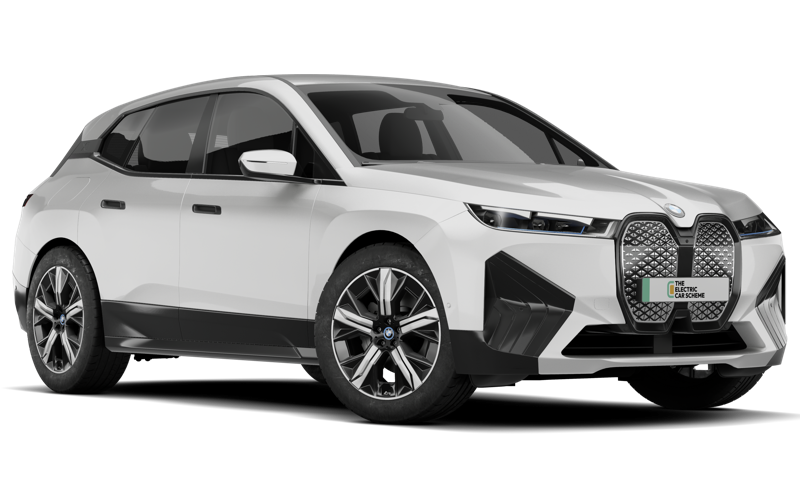
The BMW iX leads the group on outright capacity and has the towing-specific award to back it up, which matters more than the number alone. Its dual-motor all-wheel drive and low-slung battery pack give it a planted feel with a loaded caravan behind it, and the 2,500kg braked rating is the highest of any electric BMW SUV currently sold.
Kia EV9 GT-Line
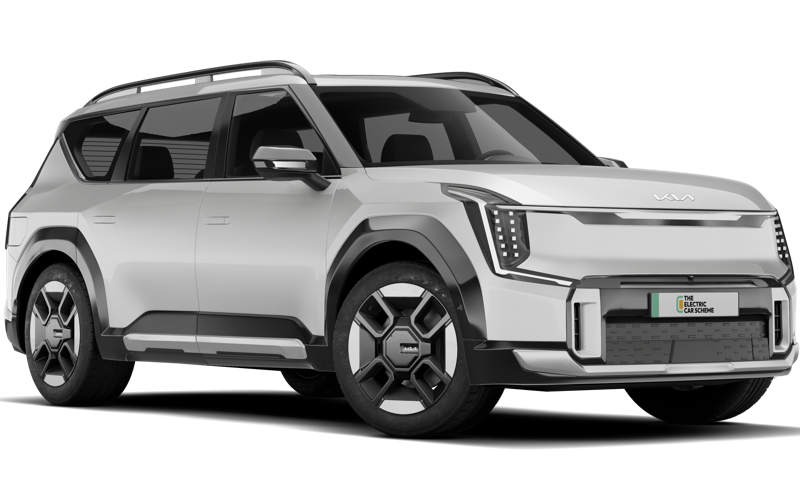
This model matches the iX on capacity and has been the standout choice in independent towing tests for two years running, largely because its weight and four-wheel drive keep it settled even with a heavier caravan attached. The Kia EV9 is also one of the few EVs on this list that has seven-seat family practicality alongside its towing ability.
Volvo EX90
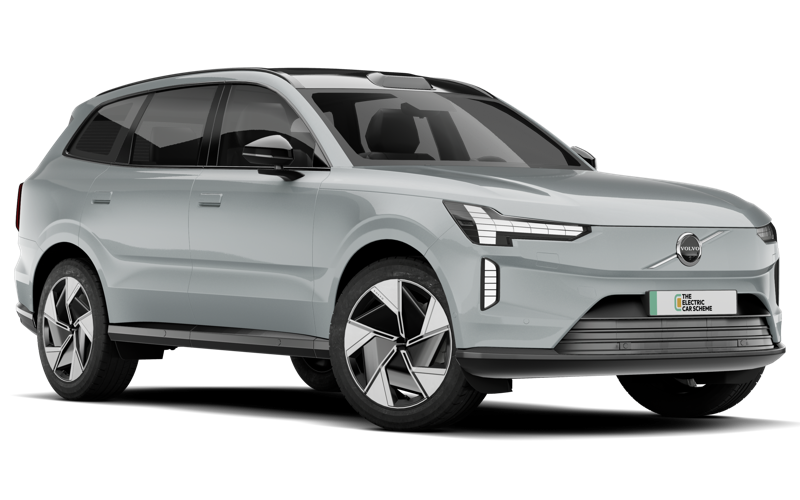
The Volvo EX90 brings a different strength to the group. Its air suspension keeps ride height consistent regardless of load, and its trailer stability assist system is built into the safety software rather than added as an afterthought, actively managing sway before it develops.
Porsche Macan Electric
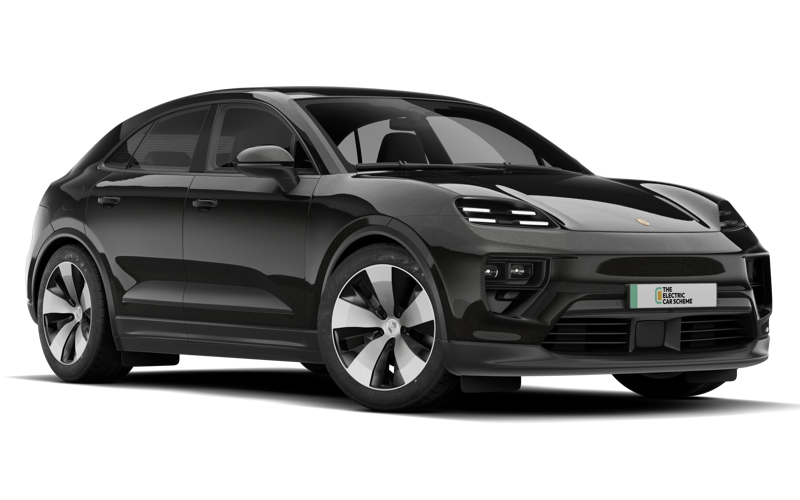
This model won't tow the heaviest caravans on this list, but the Porsche Macan’s compact footprint compared with the iX and EV9 makes reversing onto a pitch or through a ferry terminal considerably easier, and its stopping power was singled out as class-leading in its 2026 towing category.
Tesla Model Y
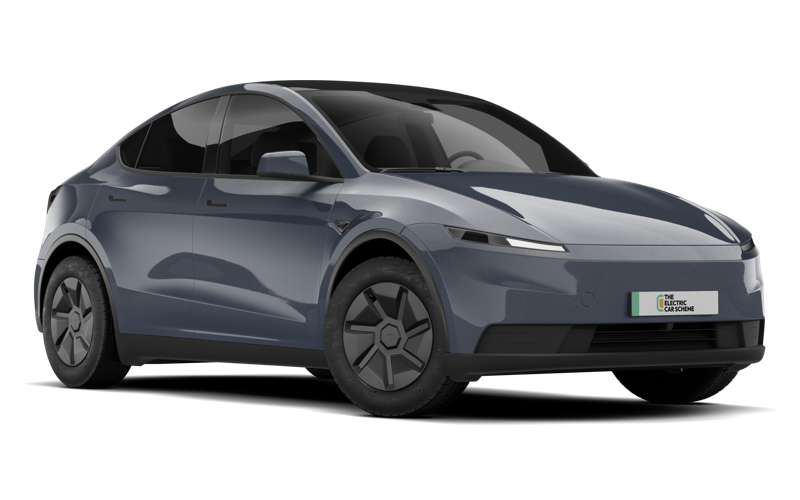
The Tesla Model Y is the most accessible car here, and its 1,600kg rating suits a smaller or lighter tourer well. It won't match the others for the biggest twin-axle caravans, but for weekend trips with a compact single-axle van, it's a practical and lower-cost option.
Salary Sacrifice Costs For The Best Tow EVs
The figures below are based on a 36-month lease, a £60,000 annual salary, 10,000 miles a year, and a flat payment profile, which reflects the standard terms used across our worked examples. Actual costs vary by circumstance, so treat these as a starting point rather than a quote.
| Cost breakdown | BMW iX 300kW xDrive45 Sport | Kia EV9 GT-Line 99.8kWh | Volvo EX90 245kW Single Motor Core | Porsche Macan Electric 265kW 100kWh | Tesla Model Y RWD |
|---|---|---|---|---|---|
| Average monthly salary sacrifice (inc VAT) | £1,156 | £1,094 | £1,221 | £1,420 | £754 |
| Employee income tax savings | -£462 | -£438 | -£488 | -£568 | -£301 |
| Employee National Insurance savings | -£23 | -£22 | -£24 | -£28 | -£15 |
| Average Benefit-in-Kind tax over term | £149 | £148 | £145 | £136 | £83 |
| Net cost / you pay | £819 | £782 | £853 | £959 | £520 |
The BMW iX, Kia EV9, and Volvo EX90 carry the highest gross monthly sacrifice of the group, reflecting their higher P11D values, but the tax treatment narrows the gap considerably. At 4% Benefit-in-Kind for 2026/27, even the most expensive car here still leaves the employee paying meaningfully less than the equivalent personal lease once income tax and National Insurance savings are applied. The Tesla Model Y remains the lowest net cost by some margin, which is worth weighing against its lower towing capacity if you're planning to tow regularly.
Employees typically save between 20% and 50% compared with a personal lease across the range, and every car in this guide is available to configure and quote through The Electric Car Scheme's salary sacrifice cars range.
Charging and Route Planning When Towing
Charging is the part of EV towing that catches most first-time caravanners out. This section covers what to plan for before you set off, rather than at the services with a queue behind you.
Many rapid charging bays are not designed for a car and caravan together, so you may need to unhitch before you can plug in
Pull-through charging bays, where you can drive straight through without reversing a trailer, are becoming more common but are still limited on many routes
Battery temperature management matters more when towing, since the extra load increases energy draw and can affect charging speed at the next stop
Building in a buffer of 20 to 30 minutes at each planned charging stop accounts for busier bays or a less straightforward pull-through than expected
If you're new to EV ownership generally, it's worth getting comfortable with everyday charging and range habits before adding a caravan into the mix, starting with the basics in our first-time EV driver guide. The same planning principles that make EV camping trips straightforward apply here, too, with a bigger range to plan around, as with the best EVs for camping.
Frequently Asked Questions
Can An Electric Car Tow A Caravan?
Yes, provided the specific model and trim has the manufacturer's factory tow package fitted. Not every electric car on sale is type-approved for towing, so it's worth checking the exact trim rather than assuming the wider model range qualifies. The cars in this guide all carry braked towing capacities between 1,600kg and 2,500kg.
How Much Range Do You Lose Towing With An Electric Car?
Most current guidance points to a reduction of around 45–50% against the car's WLTP range when towing a caravan. The exact figure depends on the caravan's weight and shape, your speed, the terrain, and the weather. Planning your first charging stop around the lower end of that estimate is the safer approach.
Which EV Is Best For Towing A Caravan?
The BMW iX and Kia EV9 GT-Line are the strongest all-round choices, both rated to tow up to 2,500kg and both recognised in the UK towing awards for 2026. The right choice for you depends on your caravan's weight, your budget, and whether you need the Kia's extra seating.
Do You Need A Special Licence To Tow A Caravan With An Electric Car?
Licence requirements for towing depend on when you passed your driving test and the combined weight of your car and caravan, not on whether the car is electric. Anyone who passed their test after 1 January 1997 should check their category B entitlement against the caravan's weight before towing.
Electric cars are a viable choice for towing a caravan in 2026, provided you pick a model that's properly type-approved for the job and plan your charging stops around the range you'll lose. The BMW iX and Kia EV9 GT-Line lead the pack on capacity, with the Volvo EX90, Porsche Macan Electric, and Tesla Model Y covering a range of budgets and caravan sizes below that. What ties all five together is that they're available through The Electric Car Scheme's salary sacrifice scheme, at 4% Benefit-in-Kind for 2026/27, which means that the cost of stepping into a tow-capable EV is compared with a personal lease.
If you're weighing up a tow-capable EV against your current caravan or trailer, the specifications above are a solid starting point, but your own caravan's weight and your typical routes should guide the final choice.
Ready to explore electric vehicles with strong towing capabilities? Get a quote to see how much you could save with salary sacrifice.
Last updated 17.07.26