
How Reliable Are Electric Cars? The Complete 2026 Guide to EV Longevity and Durability

"But, how long will the battery last?"
This question remains one of the most common concerns for drivers considering the switch to electric in 2026. Despite the explosive growth of electric vehicle adoption, misconceptions about EV longevity continue to give potential buyers pause. Many assume that electric cars, like mobile phones and laptops, will suffer from rapidly declining battery health, leaving owners with expensive replacement costs or drastically reduced range after just a few years.
The reality tells a dramatically different story. Today's electric vehicles are engineered for remarkable durability, with powertrain systems designed to endure hundreds of thousands of miles whilst requiring significantly less maintenance than their petrol counterparts. Far from being short-lived, modern EVs are increasingly proving themselves to be among the most reliable and long-lasting vehicles on the road.
Following on from our recent article exploring how far EVs can travel, this comprehensive guide examines the true lifespan of electric vehicles in 2026, featuring real-world examples of high-mileage EVs, the evolution of battery technology, and why the fundamental design advantages of electric powertrains give these vehicles an edge in longevity that most drivers don't expect.
Concerned about reliability? Calculate how much you could save on a fully-maintained electric car through salary sacrifice—with zero unexpected costs.
Quick Answer: Are Electric Cars Reliable?
Yes, electric cars are highly reliable in 2026. Modern EVs retain 80-90% battery capacity after 8-10 years, contain 99% fewer moving parts than petrol engines (20 vs 2,000+), and require 40% less maintenance over their lifetime. Battery management systems actively protect against degradation, and manufacturer warranties covering 8-10 years provide comprehensive protection.
Electric vehicles eliminate common petrol car failure points including timing belts, fuel pumps, alternators, complex transmissions, and exhaust systems. With average battery degradation of just 2.3% annually, most EV batteries outlast the vehicle's body and other components.
Through The Electric Car Scheme's salary sacrifice programme, employees access these reliable vehicles with all maintenance included, benefiting from the current 4% Benefit-in-Kind rate and savings of 20-50% compared to traditional purchasing.
Are Electric Cars More Reliable Than Petrol Cars?
The data is conclusive: electric vehicles demonstrate superior reliability compared to internal combustion engine vehicles. This advantage stems from fundamental design differences that eliminate dozens of common failure points present in traditional cars.
The Simplicity Advantage
The typical petrol or diesel engine contains over 2,000 moving parts, all subject to intense heat, friction, and mechanical stress. These complex systems require regular maintenance—oil changes, timing belt replacements, spark plugs, and attention to numerous components that can fail over time: fuel pumps, alternators, starters, exhaust systems, catalytic converters, and complicated transmissions.
By contrast, an electric vehicle's powertrain contains as few as 20 moving parts. The primary component—the electric motor—is remarkably simple, efficient, and robust. With no need for multi-gear transmissions (most EVs use a single-speed gearbox), no fuel system, and no exhaust system, electric cars eliminate numerous common failure points.
This mechanical simplicity translates directly to durability. Electric motors can operate efficiently for decades with minimal maintenance. Whilst a typical internal combustion engine might require major servicing or overhaul after 150,000 miles, electric motors are often rated for 1,000,000+ miles of operation.
Lower Heat, Lower Stress
Internal combustion engines operate at extremely high temperatures, putting tremendous thermal stress on components. Electric motors generate far less heat during normal operation, significantly extending component life. Lower operating temperatures mean less expansion and contraction of materials, reduced breakdown of lubricants, and slower degradation of seals and gaskets—all common wear points in traditional vehicles.
Regenerative Braking Extends Component Life
Regenerative braking further extends component life by reducing wear on traditional braking systems. When an EV slows down, the electric motor works in reverse, acting as a generator that both slows the vehicle and recharges the battery. This means EV owners typically experience significantly less brake wear, with brake pads often lasting more than twice as long as those in conventional vehicles—many drivers report 70,000+ miles before needing their first brake service.
What Common Issues Do Electric Vehicles Experience?
Whilst EVs offer exceptional reliability compared to traditional vehicles, understanding potential challenges helps buyers make informed decisions and set realistic expectations.
Software and Electronics
Modern EVs are essentially computers on wheels, making software glitches one of the most common issues. These can affect everything from infotainment systems to charging functions. Fortunately, many manufacturers now offer over-the-air updates that resolve problems without requiring a service visit. Tesla vehicles, in particular, have pioneered this approach, routinely improving vehicle functionality remotely.
Charging Infrastructure Reliability
Although not strictly a vehicle issue, unreliable public charging infrastructure can frustrate EV owners. Broken or non-functioning chargers, payment system problems, or occupied charging spots create challenges for drivers relying on public networks. This emphasises the value of home charging capabilities and planning longer journeys with multiple charging options. Through The Charge Scheme, drivers can save 20-50% on all charging costs whilst accessing a unified payment system.
Battery Temperature Management
Some EV models, particularly earlier designs with passive cooling systems, may experience more significant battery degradation in extremely hot climates. Whilst modern liquid-cooled battery systems have largely addressed this issue, temperature management remains a consideration for older models with simpler thermal systems.
12-Volt Battery Problems
Ironically, one of the most common failure points in EVs is the conventional 12-volt battery that powers auxiliary systems. When this smaller battery fails, it can prevent the vehicle from starting even with a fully charged main battery. Manufacturers continue to improve integration between these systems.
Motor or Inverter Failures
Whilst rare compared to engine problems in combustion vehicles, electric motors and inverters can occasionally experience issues. These typically manifest as sudden power loss or unusual noises. The good news is that these components are generally covered under extended warranties, and manufacturers have continually improved their reliability.
Despite these potential issues, the absence of complex engine systems eliminates dozens of common failure points, resulting in vehicles that typically spend less time in service centres and more time on the road.
How Long Do Electric Car Batteries Actually Last?
At the heart of every electric vehicle is its battery pack, typically using lithium-ion technology. Unlike consumer electronics that might experience noticeable battery degradation within 2-3 years, electric vehicles employ sophisticated battery management systems that protect cells from damaging conditions.
Real-World Battery Capacity Retention
Data collected from thousands of EVs on the road reveals that today's batteries typically retain 80-90% of their original capacity after 8-10 years or 100,000+ miles. This gradual capacity loss doesn't render the vehicle unusable; it simply reduces maximum range slightly over time.
A study by Geotab analysing data from over 6,000 electric vehicles found that the average rate of battery capacity loss was just 2.3% per year. At this rate, most EV batteries will outlast the vehicle's body and other components.
Average Electric Car Battery Life: 2026 Data
| Timeframe | Expected Capacity Retention |
|---|---|
| 5 years | 90-95% |
| 8-10 years | 80-90% |
| 15+ years | 70-80% |
| Annual degradation | 2.3% average |
Real-world example: A 300-mile EV like the Tesla Model 3 typically retains 270 miles of range after 10 years—more than adequate for the average UK driver's 142 miles per week.
Battery Pack Design and Modularity
Battery packs are composed of hundreds or thousands of individual cells, typically arranged in modules. A Tesla Model 3, for instance, contains about 4,416 individual cells arranged in four modules. This modular design means that even if some cells degrade, the overall pack maintains performance.
Modern lithium-ion EV batteries are engineered to withstand thousands of charge and discharge cycles, extreme temperature variations, different driving conditions and usage patterns, and rapid charging when needed. Most importantly, they're designed with significant redundancy and buffer capacity, meaning they can lose some capacity whilst still maintaining excellent performance.
What Factors Affect Electric Car Battery Lifespan?
Several factors influence battery performance over time, though modern systems mitigate most concerns effectively.
Charging Habits
Regular fast charging can accelerate degradation compared to standard charging, though modern EVs are increasingly tolerant of rapid charging. For daily use, standard home charging provides the kindest battery experience. Maintaining charge between 20-80% for daily use extends battery life, with full charges reserved for longer journeys.
Temperature Management
EVs with advanced thermal management systems show significantly better longevity than early models with passive cooling. Most current EVs, including the Hyundai IONIQ range, actively manage battery temperature through liquid cooling systems, greatly improving long-term performance regardless of climate.
Depth of Discharge
Vehicles that routinely run batteries to near-empty experience faster degradation than those kept between 20-80% charge. However, even with occasional deep discharges, modern batteries show remarkable resilience.
Battery Chemistry Evolution
Newer NMC (Nickel Manganese Cobalt) and LFP (Lithium Iron Phosphate) chemistries offer improved durability over earlier formulations. LFP batteries in particular can withstand more than 3,000 full charge cycles whilst maintaining over 80% capacity, with many Chinese manufacturers now adopting this technology for enhanced longevity.
Vehicle Weight and Driving Style
EVs already carry 450-500kg batteries, making them heavier than conventional vehicles. Exceeding recommended weight limits strains components, reducing efficiency and range. Smooth, efficient driving through techniques like anticipating stops and maintaining steady speeds preserves battery health better than aggressive acceleration and frequent rapid charging.
How Have Electric Vehicle Batteries Improved Since 2020?
If early EVs demonstrated surprising durability, today's models represent a quantum leap forward in longevity engineering. The evolution from first-generation electric vehicles to current models has dramatically improved long-term reliability in several key areas.
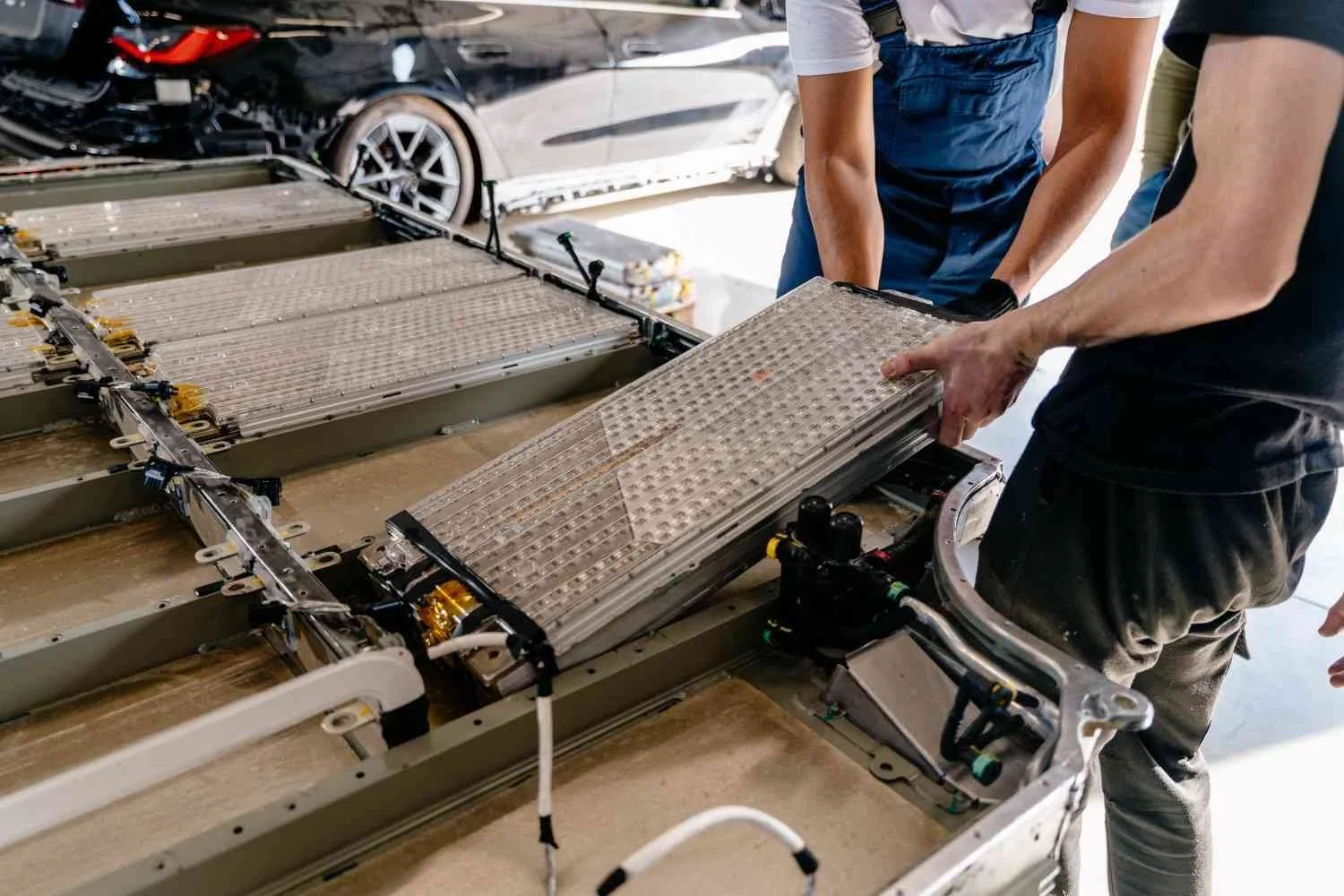
Advanced Thermal Management
Modern EVs have replaced the passive cooling systems of early models like the original Nissan LEAF with sophisticated liquid thermal management that maintains optimal battery temperatures in all conditions, significantly extending battery life and performance.
Improved Cell Chemistry
Battery chemistry has evolved substantially. Newer NMC formulations offer greater stability, whilst LFP chemistry provides exceptional durability—often exceeding 3,000 charge cycles whilst maintaining 80% capacity. These improvements mean electric cars in 2026 are fundamentally more reliable than predecessors.
Better Physical Design and Manufacturing
Today's EV batteries feature improved structural protection, better thermal properties, and more precise manufacturing techniques. More consistent cell matching and improved quality control contribute to batteries that maintain performance longer and age more predictably.
Intelligent Software Management
Perhaps most importantly, modern battery management systems use sophisticated algorithms that adapt to individual driving patterns. Many EVs, including BMW models and Volkswagen ID vehicles, now receive over-the-air updates that continue to optimise battery performance and longevity years after purchase.
The cumulative impact is substantial: whilst early EVs might retain 70% capacity after 100,000 miles, many current models are projected to maintain 90% capacity at the same milestone—a remarkable improvement in just over a decade of development.
Ready to experience worry-free electric driving? Explore the UK's most reliable EVs available through salary sacrifice with 20-50% savings.
What Warranty Coverage Do Electric Cars Offer for Batteries?
Perhaps the clearest indication of improved EV durability is the evolution of manufacturer warranties. Early electric vehicles typically came with battery warranties covering 5-8 years or 60,000-100,000 miles. Today, most manufacturers offer 8-10 years or 100,000-150,000 miles of coverage, with some extending beyond those figures.
This expansion of warranty coverage reflects manufacturers' growing confidence in their battery technology. Companies would not willingly extend financial liability unless internal data strongly supported improved longevity.
2026 Manufacturer Warranty Terms
Tesla: 8 years/100,000-150,000 miles (depending on model) with minimum 70% capacity retention guarantee
Hyundai and Kia: 8 years/100,000 miles for newer EV models with 70% capacity guarantee
Volkswagen: 8 years/100,000 miles for ID models with 70% capacity guarantee
BMW: 8 years/100,000 miles for electric vehicles
Renault: 8 years/100,000 miles for ZOE models
Mercedes: 8-10 years/100,000-150,000 miles for EQ range
Polestar: 8 years/100,000 miles with 70% capacity retention
Most importantly, warranty claims for catastrophic battery failure have proven extremely rare. When replacements do occur, they more commonly address manufacturing defects rather than normal degradation, which follows the gradual curve described earlier.
The used EV market has begun to reflect this reality. Where early buyers might have heavily discounted older EVs due to battery concerns, the market has adjusted as real-world data demonstrates better-than-expected durability.
How Does Salary Sacrifice Protect Against EV Reliability Concerns?
For employees considering the switch to electric, electric car salary sacrifice schemes eliminate traditional reliability concerns whilst providing substantial savings.
Comprehensive Protection Through The Electric Car Scheme
Maintenance & Breakdown Included: All servicing, repairs, and breakdown cover are bundled into your monthly payment, removing unexpected costs even as vehicles age. Unlike traditional car ownership where maintenance costs can surprise owners, salary sacrifice includes everything.
Full Warranty Coverage: The lease period (typically 2-4 years) falls well within manufacturer battery warranties, protecting against any degradation issues. You'll always be driving a vehicle under full manufacturer protection.
No Early Termination Risk:Complete Employer Protection means if you leave your employer, there are no unexpected charges or reliability concerns to manage. This industry-leading protection applies from day one.
20-50% Cost Savings: With the current 4% Benefit-in-Kind rate for 2026/27, employees save significantly compared to traditional leasing whilst getting a reliable, fully-maintained vehicle. Use our salary sacrifice calculator to see your potential savings.
Why Salary Sacrifice Makes EVs Even More Reliable
Always Under Warranty: Short lease terms mean you're always driving a new vehicle with full manufacturer support
Professional Maintenance: All servicing handled by approved centres ensures optimal performance
Latest Technology: Access to newest models with most advanced battery management systems
Zero Battery Concerns: Battery degradation is irrelevant during 2-4 year lease terms
Charging Support: Add The Charge Scheme to save 20-50% on all charging costs
Example: A Tesla Model 3 through salary sacrifice includes all maintenance for approximately £450/month after tax savings—less than running an equivalent petrol car, with zero reliability worries.
What Are the Most Reliable Electric Cars in 2026?
Based on warranty coverage, real-world longevity data, and owner satisfaction, these electric vehicles demonstrate exceptional reliability.
Premium Segment

Tesla Model 3/Y: Exceptional battery longevity with proven 300,000+ mile durability. The 8-year warranty and extensive real-world data from thousands of high-mileage examples demonstrate outstanding reliability. Available through Tesla salary sacrifice.
BMW iX/i4: Robust build quality with 8-year battery warranty and excellent thermal management. BMW's experience with EV technology since the i3 has translated to highly reliable modern electric vehicles.
Polestar 2/3: Volvo engineering heritage ensures exceptional build quality. Comprehensive warranty coverage and advanced battery protection systems make these Swedish EVs remarkably dependable.
Mainstream Segment

Hyundai IONIQ 5/6: Industry-leading 8-year/100,000-mile warranty with heat pump standard. Excellent reliability ratings and robust battery management make these vehicles exceptional value through Hyundai salary sacrifice.
Volkswagen ID.3/ID.4: Built on the proven MEB platform with 8-year warranty and extensive service network. VW's commitment to electrification shows in the reliability of their ID range.
Kia EV6/EV9: Industry-leading 7-year warranty combined with robust battery management. Kia's reliability heritage extends confidently to their electric models through Kia salary sacrifice.
Budget-Friendly Segment
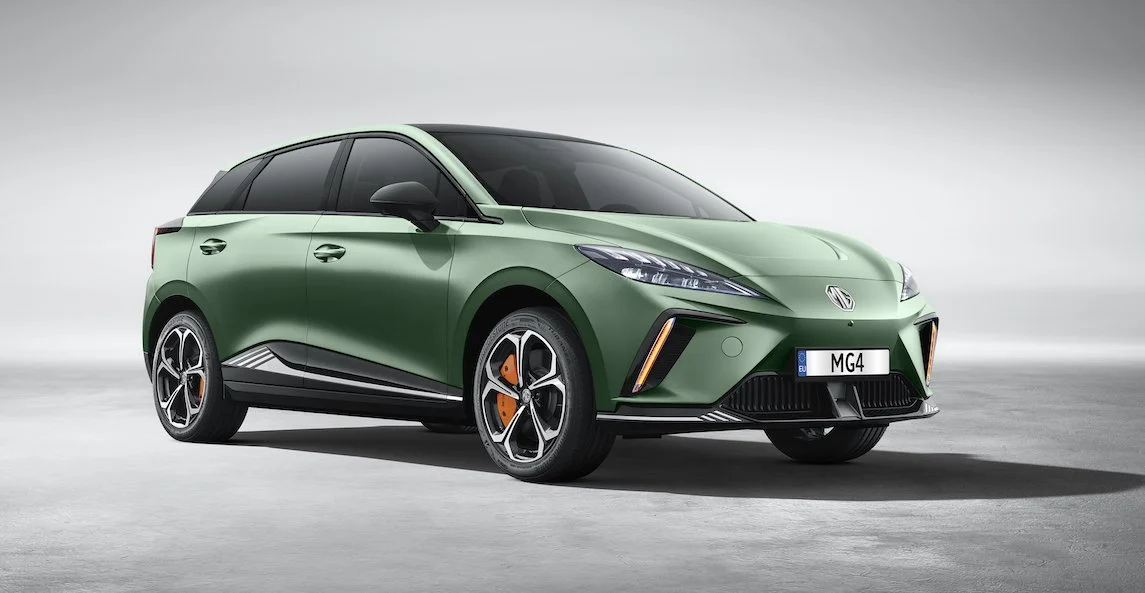
MG4: Impressive 7-year warranty at competitive pricing. Modern battery technology and solid build quality make this Chinese-built EV excellent value through salary sacrifice.
Nissan LEAF: The most proven EV platform globally with extensive reliability data spanning over a decade. Thermal management improvements in recent models address earlier concerns.
Renault 5: Modern battery technology with 8-year/100,000-mile warranty. Renault's extensive EV experience translates to reliable, well-engineered vehicles.
All these vehicles are available through The Electric Car Scheme's salary sacrifice programme with savings of 20-50% and the current 4% BiK rate.
How Much Does It Cost to Replace an Electric Car Battery?
Whilst early EV batteries were prohibitively expensive, costs have declined dramatically. Between 2010 and 2025, lithium-ion battery prices fell by approximately 89%, from over £1,000 per kilowatt-hour to around £100.
Current Replacement Costs (2026)
Complete battery pack replacement now typically costs £5,000-£10,000 for mainstream vehicles, down from £20,000+ in earlier years. However, battery replacements remain extremely rare—most EVs operate for their entire life without needing replacement.
Why Replacement Fears Are Overblown
Warranty Protection: 8-10 year warranties cover most ownership periods, protecting against premature failure.
Gradual Degradation: Batteries don't suddenly "die"—they gradually lose capacity over many years. A vehicle that loses 20% capacity after a decade still provides 80% of its original range.
Modular Design: Individual module replacement is often possible rather than complete pack replacement, significantly reducing costs.
Second-Life Applications:End-of-life EV batteries retain value for recycling or second-life applications like home energy storage, offsetting replacement costs.
Salary Sacrifice Protection: Through electric car salary sacrifice schemes, you'll never face battery replacement costs during your lease term—all covered in your monthly payment.
5 Ways to Maximise Your Electric Car's Lifespan
1. Optimise Charging Habits
Maintain charge between 20-80% for daily use, only charging to 100% before long journeys. Use home charging over rapid charging when possible. Understanding EV charging basics helps preserve battery health.
2. Leverage Smart Charging
Use off-peak tariffs and schedule charging during cooler hours to reduce battery stress. Many EVs allow you to set charging schedules through their apps. Check our guide to the best time to charge for optimal results.
3. Park Smart
In summer, park in shade when possible to reduce battery temperature stress. In winter, pre-condition your vehicle whilst plugged in to preserve battery charge. Understanding how EVs perform in winter helps maximise longevity.
4. Monitor Tyre Pressure
EVs are heavier due to batteries—maintain correct tyre pressure to reduce strain on components and improve efficiency. Proper tyre maintenance significantly impacts electric car range.
5. Choose The Right Scheme
Through electric car salary sacrifice, all maintenance is included, ensuring optimal care throughout your lease. Professional servicing by approved centres maintains peak performance whilst eliminating unexpected costs.
Frequently Asked Questions About Electric Car Reliability
Are electric cars reliable in 2026?
Yes, electric cars in 2026 are exceptionally reliable. Modern EVs retain 80-90% of battery capacity after 8-10 years, contain 99% fewer moving parts than petrol engines, and require 40% less maintenance. Advanced battery management systems and comprehensive 8-10 year warranties make today's EVs among the most reliable vehicles available. Through electric car salary sacrifice schemes, employees can access these reliable vehicles with savings of 20-50%.
How long do electric car batteries last?
Electric car batteries typically last 10-20 years or 150,000+ miles before requiring replacement. The average degradation rate is just 2.3% per year, meaning most EVs will outlast the vehicle's body and other components. Modern EVs from manufacturers like Tesla, Hyundai, and BMW come with 8-10 year warranties guaranteeing 70% capacity retention.
What is the most common problem with electric cars?
The most common EV issues are software glitches in infotainment systems and occasional 12-volt battery failures—not major powertrain problems. Unlike petrol cars with 2,000+ moving parts that can fail, EVs have remarkably simple drivetrains with minimal maintenance requirements. Most software issues can be resolved through over-the-air updates without service centre visits.
Do electric cars break down less than petrol cars?
Yes, electric cars break down significantly less than petrol vehicles. With only 20 moving parts compared to 2,000+ in combustion engines, there are fewer components that can fail. EVs eliminate common breakdown causes like timing belts, fuel pumps, alternators, and complex transmissions. Read more about EV reliability myths debunked.
How much does it cost to replace an electric car battery?
Whilst early EV batteries cost £20,000+, prices have fallen 89% since 2010 to around £5,000-£10,000 in 2026. However, battery replacements are extremely rare—most EVs operate for their entire life without needing replacement. Warranty coverage of 8-10 years/100,000+ miles protects against premature failure. Through salary sacrifice, you'll never face replacement costs during your lease term.
Is it worth buying an electric car in 2026?
Absolutely. With proven reliability, 40% lower maintenance costs, and savings of 20-50% through salary sacrifice schemes, 2026 is an excellent time for EVs. The current 4% Benefit-in-Kind rate makes company electric cars extraordinarily cost-effective. Modern EVs offer 300+ mile ranges, extensive charging networks, and exceptional long-term value.
What happens when an EV battery dies?
EV batteries rarely "die" completely—they gradually lose capacity over many years. When they eventually reach end-of-life (typically after 15-20 years), they're recycled or repurposed for second-life applications like home energy storage. Battery management systems prevent sudden failures, and comprehensive warranties protect owners during the most critical years.
How reliable are Tesla cars?
Tesla vehicles demonstrate strong long-term reliability, with many examples exceeding 300,000 miles on original batteries. Company data shows battery degradation of less than 10% after 200,000 miles. Tesla offers 8-year/100,000-150,000 mile warranties depending on the model. Explore Tesla alternatives or learn about Tesla salary sacrifice.
Do electric cars need servicing?
Yes, but far less frequently than petrol cars. EVs don't require oil changes, timing belt replacements, or spark plug maintenance. Typical EV servicing involves brake fluid checks, cabin air filters, and tyre rotations. Most EVs need servicing every 2 years or 18,000 miles versus annual servicing for petrol vehicles, saving approximately 50% on maintenance costs.
Can you leave an electric car for 3 months?
Yes, modern EVs can safely sit for 3 months without issues. Battery management systems prevent deep discharge, and most EVs lose only 1-2% charge per month when parked. For extended storage, maintain a 50% charge level and consider using a trickle charger for the 12-volt battery if needed.
Are electric cars good for long distances?
Modern electric cars excel at long distances with 300-400 mile ranges becoming standard. The UK's 70,000+ public charging points make long journeys practical, with rapid chargers adding 200 miles in 30 minutes. Many drivers find EVs more relaxing for long trips due to quiet operation and smooth acceleration. Learn more about EV charging apps for journey planning.
Which electric car has the longest battery life?
Tesla vehicles consistently demonstrate exceptional battery longevity, with Model S and Model X showing less than 10% degradation after 200,000 miles. Hyundai and Kia EVs also show excellent durability with industry-leading warranties. Battery life depends more on thermal management and charging habits than brand—liquid-cooled batteries significantly outlast passive systems.
How does temperature affect electric car batteries?
Extreme temperatures impact EV range but not long-term reliability when properly managed. Cold weather can reduce range by 20-30% temporarily, whilst heat accelerates chemical reactions. However, modern EVs with active thermal management systems maintain ideal battery temperatures across a wide range of conditions, preserving longevity regardless of climate. Understanding how EVs perform in hot weather helps optimise performance.
What is the average lifespan of an electric car?
Electric cars typically last 15-20+ years or 200,000-300,000 miles—often outlasting petrol equivalents. The simple drivetrain with minimal moving parts means fewer mechanical failures. Many commercial EVs and taxis have exceeded 400,000 miles, demonstrating exceptional durability. Battery degradation stabilises after initial years, maintaining usability for decades.
Does salary sacrifice cover electric car reliability concerns?
Yes, electric car salary sacrifice schemes eliminate reliability concerns through comprehensive coverage. The Electric Car Scheme includes maintenance, breakdown cover, and full warranty protection in the monthly payment. With 20-50% savings and the 4% BiK rate, employees get reliable EVs with zero unexpected costs. Even if you leave employment, Complete Employer Protection applies from day one.
Still have questions? Speak to our team about how electric car salary sacrifice schemes eliminate reliability concerns whilst saving you thousands annually.
What's New for Electric Car Reliability in 2026?
Improved Battery Chemistry
LFP (Lithium Iron Phosphate) batteries are now common in mainstream EVs, offering 3,000+ charge cycles with minimal degradation. This chemistry provides enhanced safety and longevity compared to earlier NMC formulations.
Better Thermal Management
All new EVs feature liquid cooling/heating systems, significantly improving battery longevity versus earlier models with passive cooling. This advancement ensures consistent performance across all climates, from Scottish winters to southern European summers.
Extended Warranties
Many manufacturers now offer 10-year/150,000-mile battery warranties as standard, up from 8 years. This reflects growing confidence in battery durability and provides enhanced peace of mind for buyers.
Enhanced Salary Sacrifice Benefits
The 4% BiK rate for 2026/27 makes company electric cars more affordable than ever, with savings of 20-50% compared to personal purchase. Recent government policy continues to favour electric vehicles.
Expanded Charging Infrastructure
The UK now has 70,000+ public charging points, with home charging and workplace charging more accessible than ever through schemes like The Charge Scheme. Understanding how to charge without a driveway expands EV accessibility.
Ready to Experience Worry-Free Electric Driving?
Electric cars in 2026 represent the most reliable, cost-effective, and environmentally responsible choice for UK drivers. With proven battery longevity, dramatically lower maintenance requirements, and comprehensive warranty protection, concerns about EV reliability are firmly rooted in outdated misconceptions rather than current reality.
Through The Electric Car Scheme's salary sacrifice programme, employees can access these exceptionally reliable vehicles with savings of 20-50% compared to traditional purchasing. With all maintenance, breakdown cover, and warranty protection included in your monthly payment—and the current 4% Benefit-in-Kind rate—there's never been a better time to make the switch.
The fundamental simplicity of electric powertrains, combined with advanced battery management systems and industry-leading warranties, means electric cars will likely prove more reliable than any petrol or diesel vehicle you've owned previously. The question isn't whether electric cars are reliable enough—it's whether you can afford not to take advantage of the substantial savings and superior reliability they offer.
ECS GUIDES AND ADVICE
Ready to Go Electric? Your Guides and Tools to a Smooth Switch
-
 How the Scheme Works
Find out how salary sacrifice can work for you or your business.
-
 The Charge Scheme
Save 20-50% on all charging costs through salary sacrifice - at home, the office, or in public..
-
 Complete Employer Protection
All employers and drivers are protected from day 1.
-
 Used Electric Cars
Discover the most affordable way to drive electric. Cars delivered in 14 days.
Are you an employer?
BOOK A DEMOAre you an employee?
SEE AVAILABLE CARSYou Might Also Like…



Last updated: 02/02/2025
Our pricing is based on data collected from The Electric Car Scheme quote tool. All final pricing is inclusive of VAT. All prices above are based on the following lease terms; 10,000 miles pa, 36 months, and are inclusive of Maintenance and Breakdown Cover. The Electric Car Scheme’s terms and conditions apply. All deals are subject to credit approval and availability. All deals are subject to excess mileage and damage charges. Prices are calculated based on the following tax saving assumptions; England & Wales, 40% tax rate. The above prices were calculated using a flat payment profile. The Electric Car Scheme Limited provides services for the administration of your salary sacrifice employee benefits. The Electric Car Scheme Holdings Limited is a member of the BVRLA (10608), is authorised and regulated by the FCA under FRN 968270, is an Appointed Representative of Marshall Management Services Ltd under FRN 667174, and is a credit broker and not a lender or insurance provider.
Copyright and Image Usage: All images used on this website are either licensed for commercial use or used with express permission from the copyright holders, in compliance with UK and EU copyright law. We are committed to respecting intellectual property rights and maintaining full compliance with applicable regulations. If you have any questions or concerns regarding image usage or copyright matters, please contact us at marketing@electriccarscheme.com and we will address them promptly.
