
Tired of Watching the Pump Price Climb? Here Are 5 Petrol Cars - And Their Electric Alternatives

Source: Shutterstock
The Feeling Every Petrol Driver Knows Right Now
You pull up to the forecourt, tap your card, and watch the numbers tick upward. Fifteen pounds. Twenty-five. Forty. You haven't gone anywhere yet, and you're already £60 lighter.
It's a familiar anxiety in 2026. UK petrol prices have risen 3–5p per litre over the past month alone, with unleaded now averaging around 135–139p per litre and diesel approaching 146–156p per litre across different sources.Global energy markets are volatile, and whenever they move, petrol drivers feel it immediately — and disproportionately. The RAC's head of policy has noted that wholesale fuel costs have been rising gradually, and even modest movements in crude oil prices take time to work through to the pump — meaning the prices drivers see today may still be catching up with market movements from a fortnight ago.
Then there's what's coming. The government's temporary 5p-per-litre fuel duty cut — in place since the energy crisis of 2022 — will begin unwinding from September 2026, with phased increases set to add approximately £2.75 to the cost of filling a 55-litre tank by March 2027.After that, fuel duty will increase in line with inflation every year from 2027/28 onwards.
For petrol drivers, the cost trajectory is clear. The question is what to do about it.
The Irony: ICE Drivers Have Their Own Range Anxiety
Range anxiety — the fear of running out of charge before reaching your destination — is often cited as the main hesitation EV sceptics have about going electric. But there's a quieter, more corrosive anxiety that petrol drivers deal with every week that rarely gets discussed: fuel price anxiety.
When you drive a petrol or diesel car, your monthly motoring costs are determined not by your own decisions, but by crude oil markets, shipping routes, currency exchange rates, and refinery margins. You have almost no control. A bad week in global energy markets can add £5–10 to every tank, out of nowhere, with no warning.
Electric car drivers don't experience this. Electricity prices move more slowly, more predictably, and are far less exposed to sudden geopolitical shocks. And with asmart home EV charger set to charge overnight on an off-peak tariff, many EV drivers lock in a cost-per-mile today and know it will look broadly similar next month.
The anxiety doesn't go away when you switch to electric — it just changes shape. And for most drivers who make the switch, forecourt anxiety turns out to be significantly more stressful than charging logistics.
How Salary Sacrifice Makes the Switch Affordable Right Now
The biggest barrier to switching has always been cost — EVs carry higher list prices than comparable petrol cars. Butelectric car salary sacrifice changes this equation entirely.
Through The Electric Car Scheme, your employer leases the car on your behalf and deducts the cost from your gross salary — before income tax and National Insurance are applied. The result is a 20–50% reduction in your effective monthly outlay compared to a traditional personal lease. Add in the 2026/27 Benefit-in-Kind rate of just 4% (versus up to 37% for high-emission petrol vehicles), and the numbers become striking — particularly for higher-rate taxpayers.
Now add the fuel saving. If petrol is currently costing you £150–£200 per month at the pump, switching to home charging could bring that figure down to £30–£50. The scheme effectively pays for itself several times over.
Use our savings calculator to see your personal figure
5 Popular Petrol Cars - And the Electric Vehicles That Replace Them
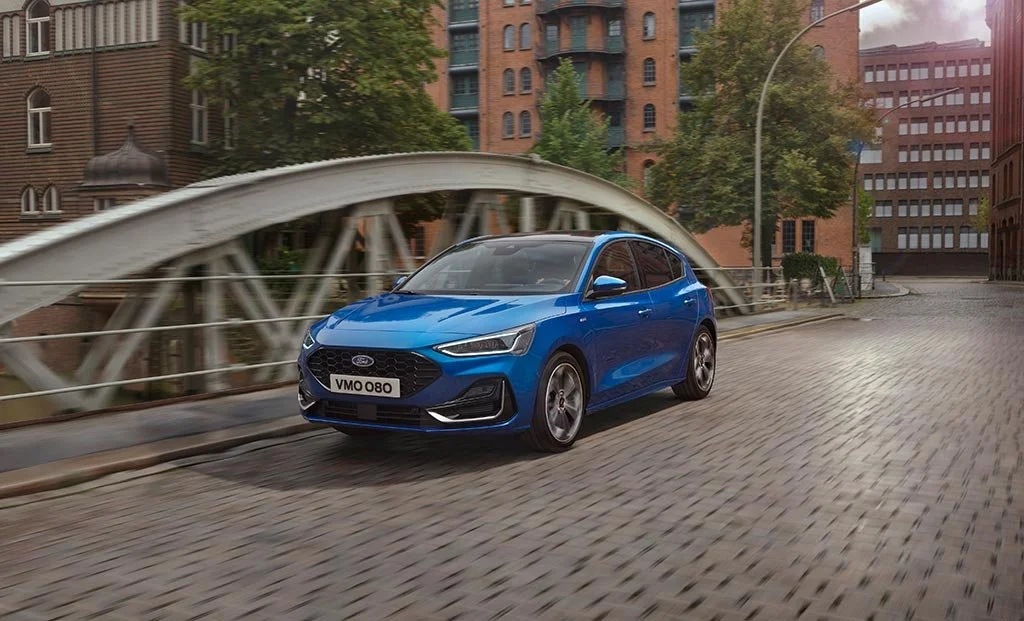
1. Thinking about a Ford Focus? Consider the Volkswagen ID.3
The petrol reality:
The Ford Focus is one of Britain's most-loved cars - sensible, reliable, and everywhere. But at current prices, a Focus driver covering 10,000 miles a year is spending approximately £1,230–£1,450 in fuel costs alone. Every time the pump price ticks up, that figure rises with it.

The electric alternative:
The Volkswagen ID.3 is the natural electric hatchback for former Focus drivers — similarly practical, similarly proportioned, but with a real-world range of around 250–260 miles and a home charging cost of approximately 4.8p per mile. The fuel bill anxiety is replaced by a predictable, low monthly electricity cost. Available via salary sacrifice through The Electric Car Scheme.
The number that matters:
A Focus driver spending £150 per month on fuel could cut that to approximately £35–50 per month charging the ID.3 at home — a saving of £100+ every month, before the salary sacrifice discount on the lease itself.
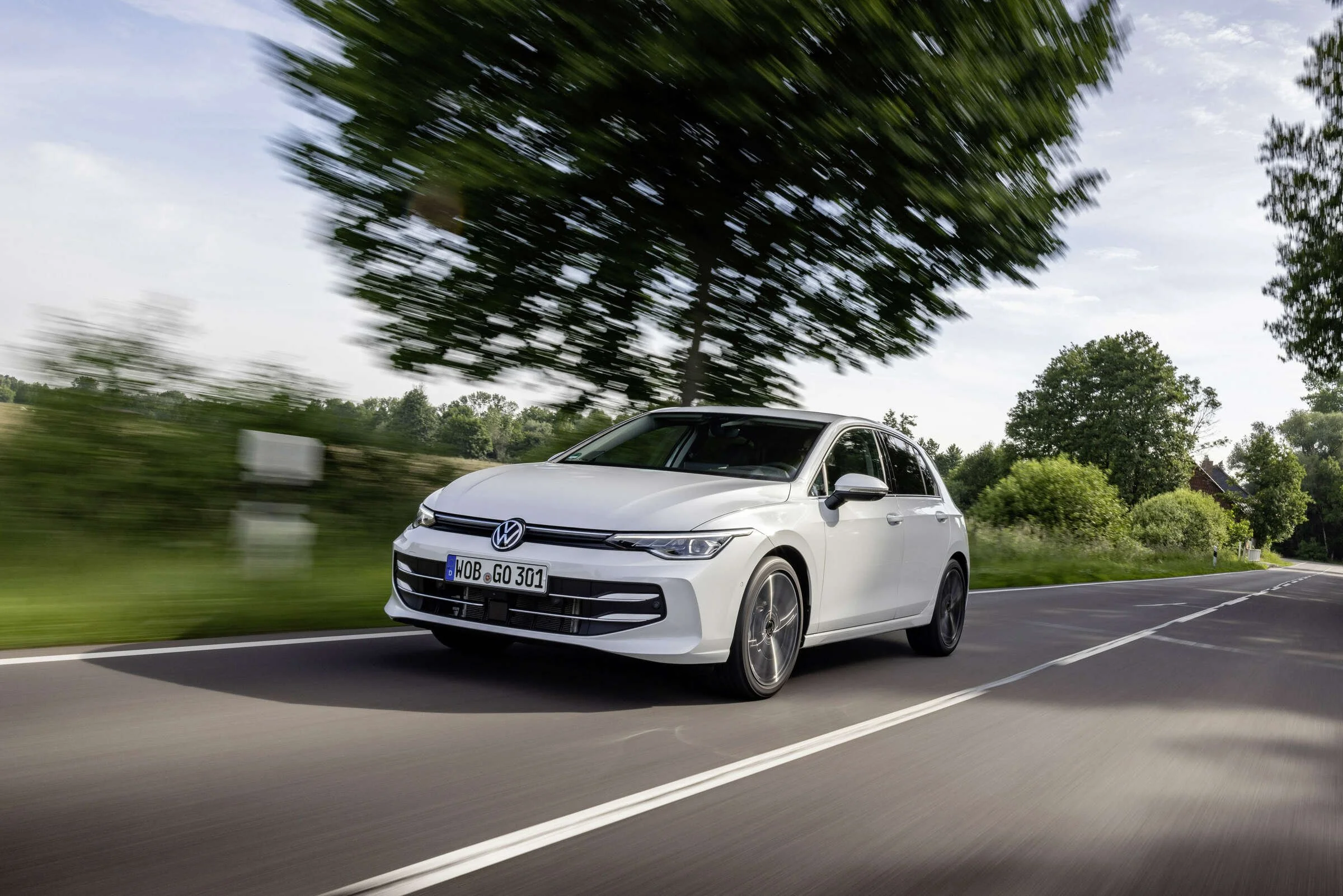
2. Considering the Volkswagen Golf? Here’s why the Renault 5 E-Tech is a strong alternative:
The petrol reality:
The Golf is Britain's benchmark family hatchback - polished, well-equipped, and reassuringly familiar. It's also burning money at the pump. At 137p per litre and heading higher, a Golf driver on 10,000 miles per year is looking at fuel costs of around £1,350-£1,400 annually - and that figure worsens as pump prices rise and fuel duty increases feed through later in the year.
The electric alternative:
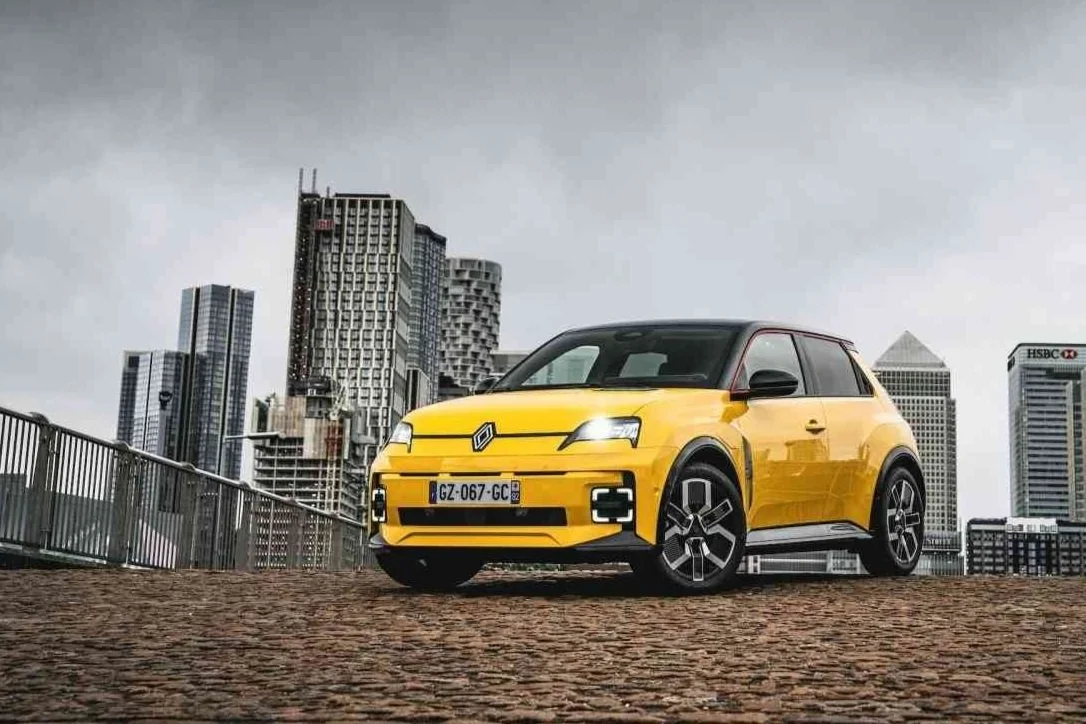
The Renault 5 E-Tech has been one of the standout electric car launches of recent years - fun, stylish, affordable, and a genuine spiritual successor to the classic supermini. With a 52kWh battery, a real-world range of around 200–220 miles, and rapid charging at up to 100kW, it suits exactly the driving patterns of a typical Golf owner. It's also one of the most competitively priced EVs to salary sacrifice right now.
Find out more about Renault salary sacrifice here.
The number that matters:
At a home off-peak tariff of 7.5p per kWh, a full charge costs approximately £4–5. Compared to a £75–80 tank of petrol, the maths tell their own story.
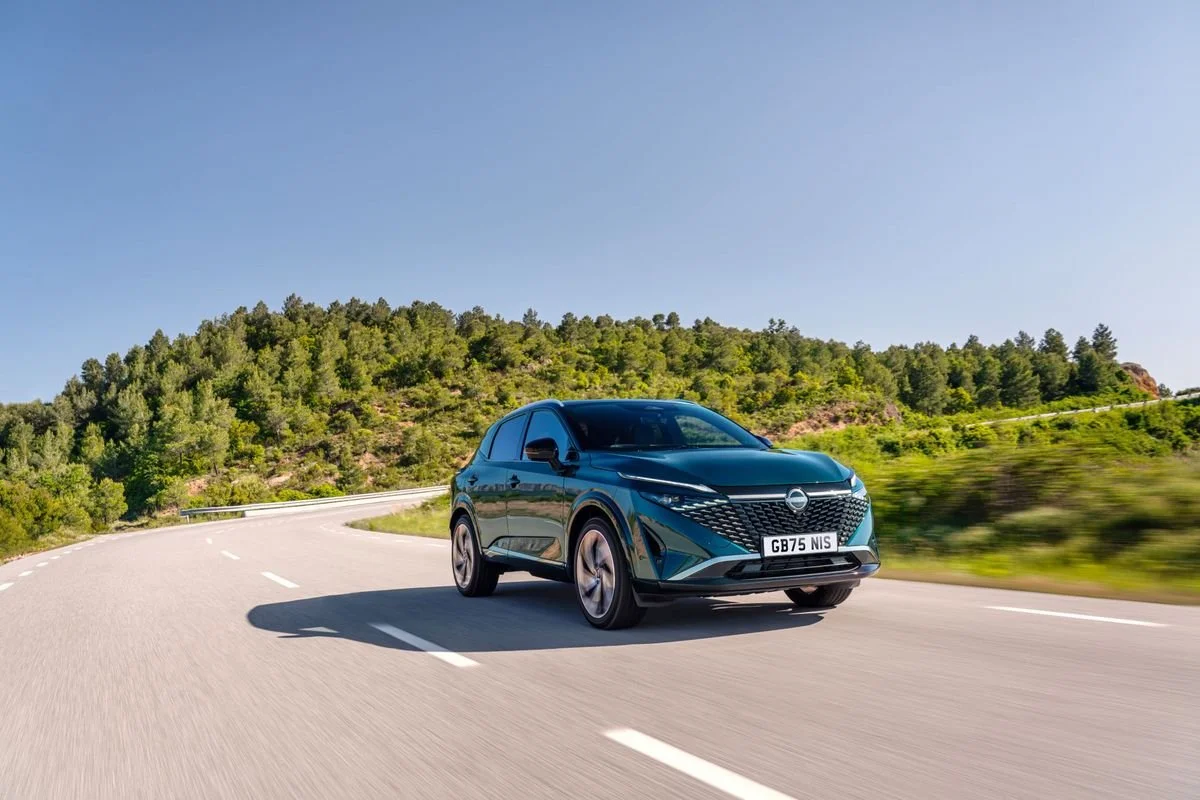
3. Looking at the Nissan Qashqai? Why the Hyundai IONIQ 5 is a strong contender:
The petrol reality:
The Qashqai has been the UK's most popular SUV for well over a decade - and Nissan knows its drivers well enough to know that fuel costs sting. The latest Qashqai e-POWER is a case in point: it uses a petrol engine purely as a generator to charge a battery that drives an electric motor, delivering better efficiency than a conventional petrol car without ever needing to plug in. It's clever engineering, and the fuel savings versus an older Qashqai are real. But here's the thing - if you're already sold on the idea of electric drive, why stop halfway? The e-POWER still runs on petrol, still exposes you to pump price volatility, and still fills up at a forecourt. You're doing the electric thing, just with a fuel bill attached.

The electric alternative:
The Hyundai IONIQ 5 is widely regarded as one of the finest electric cars on sale - SUV-sized, beautifully designed, and equipped with 800V ultra-rapid charging technology that delivers a 10–80% top-up in approximately 18 minutes. Its 77kWh battery offers up to 298 miles of real-world range. More relevantly for the daily driver: charging at home on a standard tariff costs approximately £12–15 for a full battery, versus £75–85 to fill a comparable petrol SUV today.
The number that matters:
A Qashqai e-POWER driver might save 20–30% on fuel versus a conventional petrol SUV - but they're still spending £900–£1,100 per year at the pump. Switch to the IONIQ 5 and charge at home, and that figure drops to approximately £500–£650 per year on electricity. The saving versus a standard petrol Qashqai is even sharper - potentially over £1,000 per year in running costs alone, before the salary sacrifice discount on the lease is factored in. Going fully electric doesn't just reduce your fuel bill. It removes the forecourt from your life almost entirely.
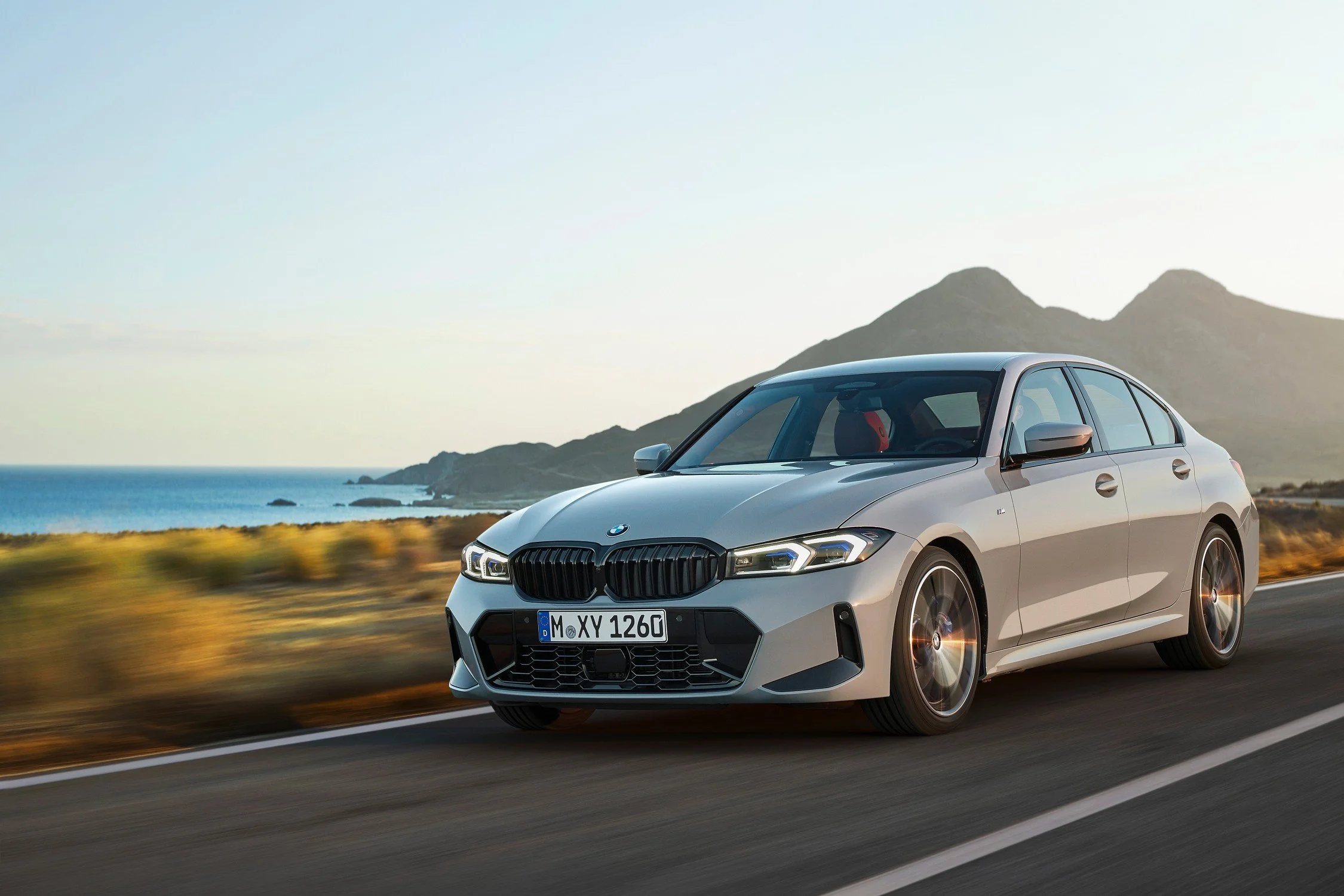
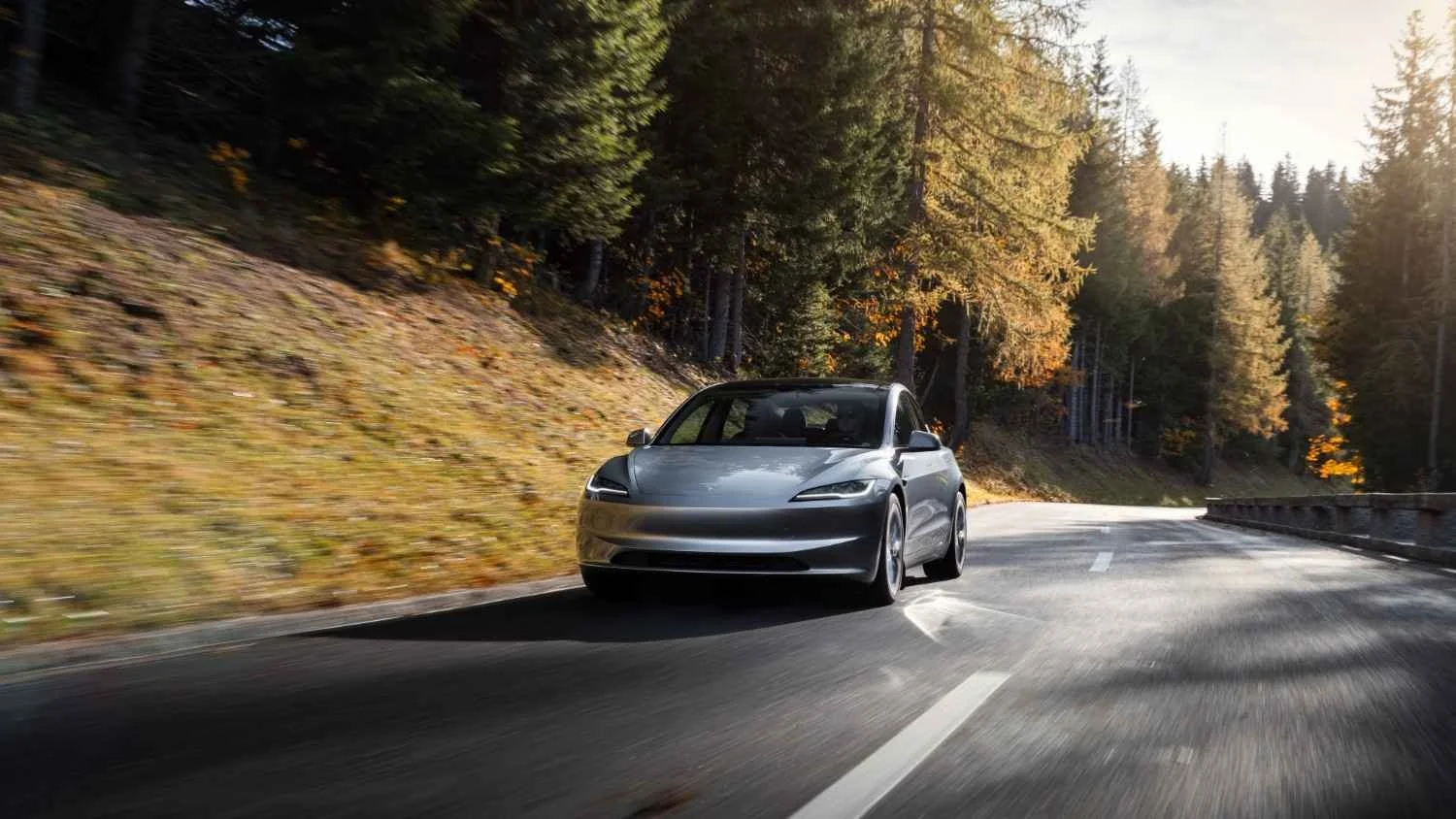
4. In the market for a BMW 3 Series? Test drive a Tesla Model 3 first:
The petrol reality:
The BMW 3 Series is the company car of choice for ambitious professionals across the UK — and arguably the most financially punishing petrol car to run through a salary sacrifice scheme. A petrol 3 Series carries a BiK rate of up to 37%, meaning a higher-rate taxpayer sacrifices thousands per year in company car tax alone. Add fuel costs on a business mileage of 15,000+ miles and the annual bill becomes very significant indeed.
The electric alternative:
TheTesla Model 3 remains the gold standard of the electric executive saloon. With a range of up to 390 miles (Long Range variant), class-leading technology, and a BiK rate of just 4% versus up to 37% for a petrol equivalent, the financial comparison is decisive. A higher-rate taxpayer leasing the Model 3 through The Electric Car Scheme will pay a fraction of the company car tax they'd face in a petrol 3 Series — while also eliminating a fuel bill of £200+ per month.
Looking for a non-Tesla EV? Learn more about Tesla Model 3 alternatives
The number that matters:
BiK tax on a BMW 3 Series petrol at 37% for a 40% taxpayer can add hundreds per month in tax liability. At 4%, the same taxpayer in a Tesla Model 3 pays dramatically less — often saving more in BiK alone than the entire salary sacrifice contribution.
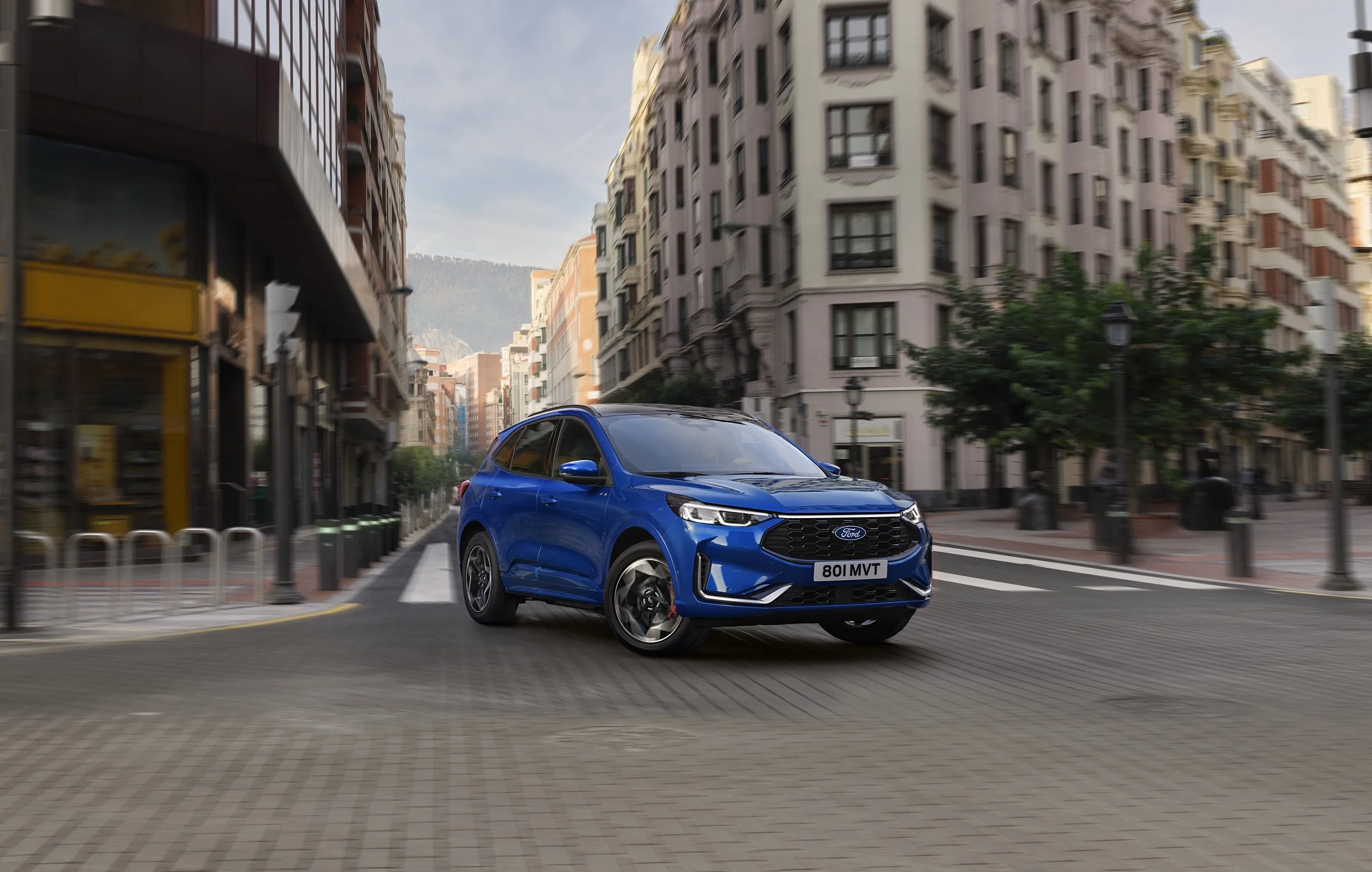
5. Hybrid Ford Kuga or a fully electric Polestar 3? Here’s the rundown
The petrol reality:
As with the Qashqai - there are now several hybrid variants available.
The family crossover is the quiet workhorse of British motoring - the school run car, the weekend car, the car that gets used every single day. Ford Kuga drivers know their cars intimately - they also know their forecourt anxiety intimately, making Ford move toward the cost saving tech. Assuming a petrol-only option, covering 12,000 miles per year in a petrol crossover currently costs approximately £1,500–£1,800 in fuel, with the September 2026 duty increase adding further pressure before year end.

The electric alternative:
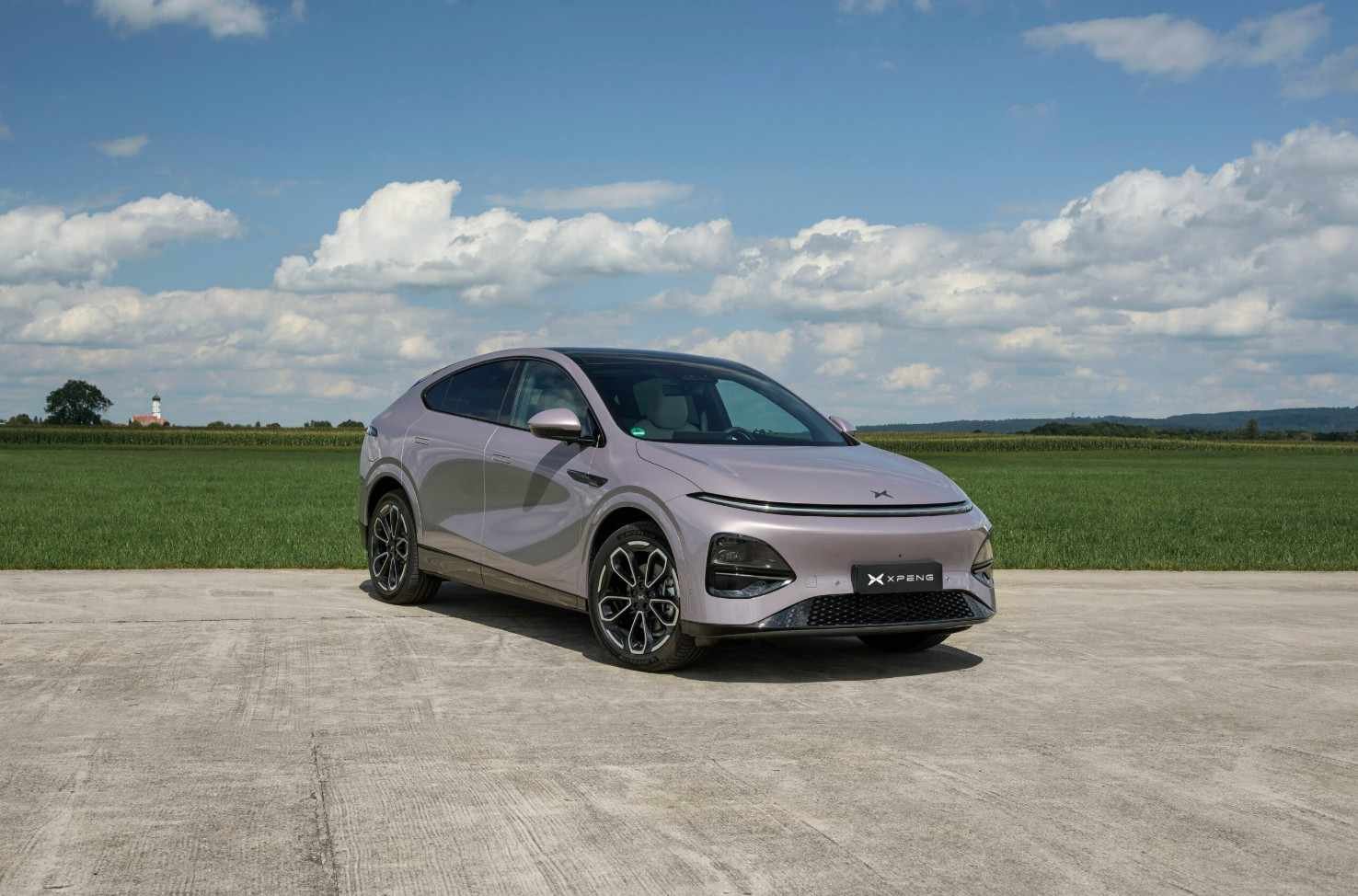
ThePolestar 3 is a premium electric SUV with a 111kWh battery and up to 350 miles of range — making it one of the longest-range electric cars available through salary sacrifice. Its 250kW maximum charging speed means a public rapid charge is quick and convenient. Through The Electric Car Scheme, the Polestar 3 becomes accessible to a far wider pool of earners than its price tag would otherwise suggest — and its BiK rate of 4% versus 25–37% for petrol crossovers makes it a particularly strong proposition for company car drivers.
Learn more about Polestar salary sacrifice through our guide.
The number that matters:
Switching from a petrol crossover carrying a 30% BiK rate to the Polestar 3 at 4% is a 27 percentage point reduction in company car tax liability — worth hundreds of pounds per month to higher earners.
Side-by-Side: Estimated Annual Fuel Cost vs Home Charging Cost
| Car | Annual Fuel Cost (est.) | Annual Home Charging Cost (est.) | Potential Annual Saving |
|---|---|---|---|
| Ford Focus (petrol) | £1,300–£1,450 | £480–£600 | £700–£950 |
| VW Golf (petrol) | £1,350–£1,400 | £480–£600 | £750–£920 |
| Nissan Qashqai (petrol) | £1,400–£1,600 | £500–£620 | £800–£1,100 |
| BMW 3 Series (petrol) | £1,800–£2,200 | £600–£750 | £1,200–£1,600 |
| Ford Kuga (petrol) | £1,500–£1,800 | £500–£650 | £850–£1,300 |
Fuel cost estimates based on 10,000–15,000 miles per year at current pump prices. Home charging estimates based on 15–20p per kWh on a standard tariff. EV-specific off-peak tariffs reduce the charging figure further — some as low as 6–7.5p per kWh.
Read our EV charging cost-saving guide
Frequently Asked Questions
Why are UK petrol prices rising in March 2026?
Several factors are pushing pump prices upward simultaneously: global oil market volatility has pushed Brent crude higher, while a weaker pound makes fuel imports more expensive, and the looming end of the UK's temporary fuel duty cut adds further pressure.For petrol and diesel drivers, running costs are directly and immediately exposed to these factors.
When is fuel duty going up?
The temporary 5p per litre fuel duty cut will remain in place until 31 August 2026, after which fuel duty will begin to rise for the first time in over 15 years, with increases phased in over several months.By March 2027, this will add approximately £2.75 to the cost of filling a 55-litre tank.
Are EV running costs affected by rising oil prices?
Not directly. Electric vehicles run on electricity, not oil. Home charging costs are tied to your electricity tariff — and with an EV-specific off-peak tariff, you can lock in rates as low as 6–7.5p per kWh overnight, giving you far greater predictability over your monthly running costs than any petrol car can offer.How EV tariffs work
What is electric car salary sacrifice and how much could I save?
Electric car salary sacrifice is a scheme where your employer leases an EV on your behalf and deducts the cost from your gross salary, before income tax and National Insurance. This typically saves employees 20–50% compared to leasing personally. The 2025/26 Benefit-in-Kind rate for electric cars is just 4%, making the scheme particularly powerful for higher-rate taxpayers.How salary sacrifice works
Can I also salary sacrifice my EV charging?
Yes — through The Electric Car Scheme's Charge Scheme add-on, employees can salary sacrifice their charging costs and save 20–50% on all charging at home, at work, or in public. This removes the last remaining variable cost from electric vehicle ownership.
The Bottom Line
The pump price anxiety petrol drivers feel right now is not a temporary blip. Fuel prices reached their highest levels in six months as of March 2026, fuel duty is locked in to rise, and the structural link between petrol costs and unpredictable global energy markets isn't going anywhere.
Electric cars are not without their own considerations — but forecourt anxiety is not one of them. For drivers who can access electric car salary sacrifice through their employer, the combination of 20–50% off the lease cost, a 4% BiK rate, and dramatically lower running costs makes March 2026 a genuinely compelling moment to make the switch.
If your employer already offers The Electric Car Scheme, get an instant quote here. If they don't yet offer it, suggest they book a free demo — there is no cost to set up, and the benefit is available from day one.
Are you an employer?
BOOK A DEMOAre you an employee?
SEE AVAILABLE CARSECS GUIDES AND ADVICE
Ready to Go Electric? Your Guides and Tools to a Smooth Switch
-
 How the Scheme Works
Find out how salary sacrifice can work for you or your business.
-
 The Charge Scheme
Save 20-50% on all charging costs through salary sacrifice - at home, the office, or in public..
-
 Complete Employer Protection
All employers and drivers are protected from day 1.
-
 Used Electric Cars
Discover the most affordable way to drive electric. Cars delivered in 14 days.
You Might Also Like…



Last Updated: 11/03/2026
Our pricing is based on data collected from The Electric Car Scheme quote tool. All final pricing is inclusive of VAT. All prices above are based on the following lease terms; 10,000 miles pa, 36 months, and are inclusive of Maintenance and Breakdown Cover. The Electric Car Scheme's terms and conditions apply. All deals are subject to credit approval and availability. All deals are subject to excess mileage and damage charges. Prices are calculated based on the following tax saving assumptions; England & Wales, 40% tax rate. The above prices were calculated using a flat payment profile. The Electric Car Scheme Limited provides services for the administration of your salary sacrifice employee benefits. The Electric Car Scheme Holdings Limited is a member of the BVRLA (10608), is authorised and regulated by the FCA under FRN 968270, is an Appointed Representative of Marshall Management Services Ltd under FRN 667174, and is a credit broker and not a lender or insurance provider.
Copyright and Image Usage: All images used on this website are either licensed for commercial use or used with express permission from the copyright holders, in compliance with UK and EU copyright law. We are committed to respecting intellectual property rights and maintaining full compliance with applicable regulations. If you have any questions or concerns regarding image usage or copyright matters, please contact us at marketing@electriccarscheme.com
