Are Electric Cars More Expensive to Insure Compared To Petrol And Diesel Cars?

Image source: Shutterstock
You may be considering making the switch to an electric vehicle (which feels like stepping into a whole new world, we know), and the topic of insurance has arisen. You may have also heard that electric cars are more expensive to insure compared with petrol and diesel alternatives. The short answer is that this is correct, but the longer (and maybe more useful) answer? They don’t have to cost you more at all!
In 2026, personal electric car insurance still costs around 15-25% more than petrol or diesel equivalents. But here’s the key difference: if you get your electric car through The Electric Car Scheme, insurance is already included in your salary sacrifice package. No separate policy. No renewal stress. No surprise price hikes.
So while EV insurance is more expensive on paper, you don’t actually pay it separately if you salary sacrifice your car, and because everything is deducted pre-tax, the effective cost is significantly lower!
What Causes Electric Car Insurance To Cost More?
Electric car insurance isn’t priced higher without reason. Insurers look at repair costs, vehicle values, and risk - and EVs still score higher in several areas.
Higher Vehicle Values
Electric cars generally cost more to buy than their petrol equivalents. Even as prices continue to fall, EVs still sit in higher value brackets, which increases insurer exposure in the event of a write-off.
Higher vehicle value = higher potential payout = higher premium.
Expensive Repairs And Battery Costs
The battery remains the single most expensive component of an electric car. While full battery replacements are rare, insurers still factor in:
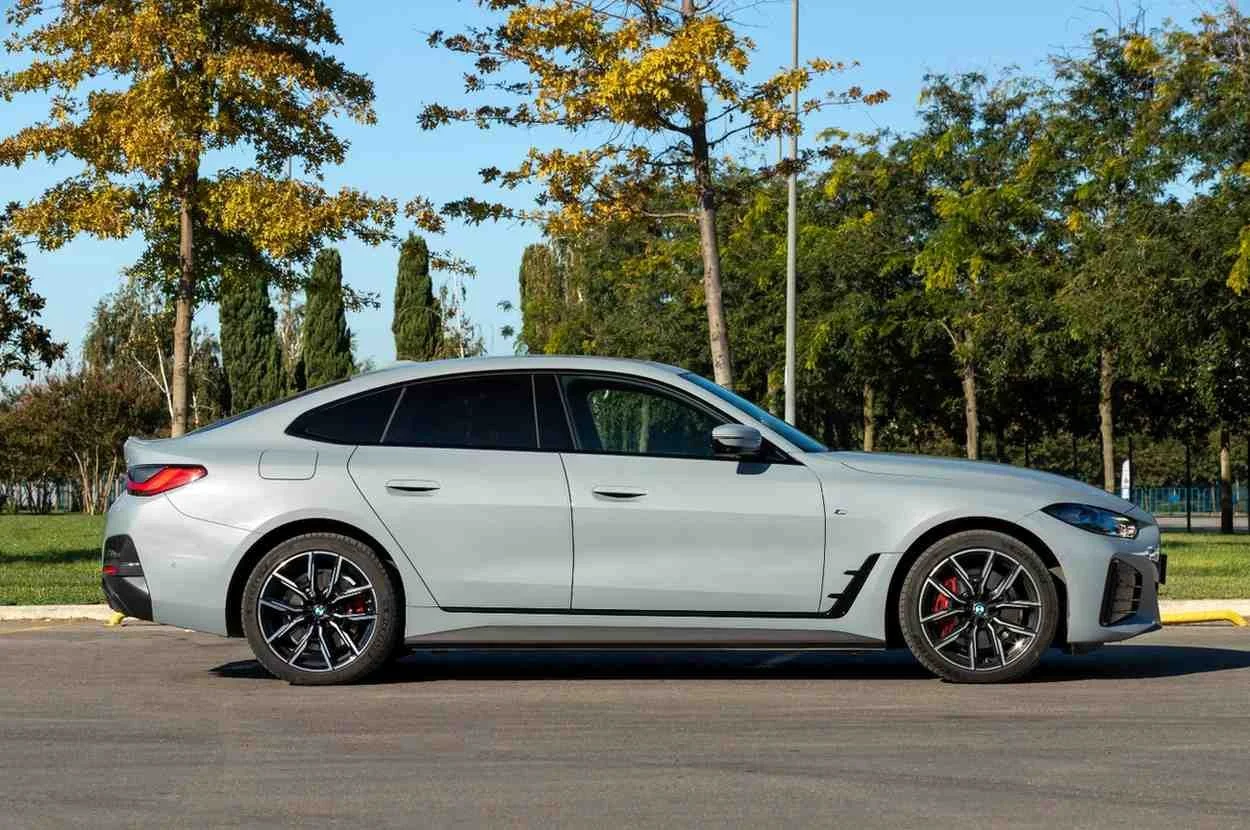
High battery repair costs (25% more compared to petrol and diesel cars)
Specialist diagnostic requirements
Safety protocols for damaged battery packs
Image source: Shutterstock
EV repairs also take longer on average, mainly due to specialist technician availability and parts logistics.
Limited Insurer Experience (Improving Fast)
Electric cars are still relatively new compared to petrol vehicles. While insurer confidence is improving every year, EVs are still seen as:
Less predictable for long-term claims data
More complex to repair
Costlier when accidents do happen
This risk perception is gradually reducing as the market matures.
Performance-Based Insurance Groups
Many electric cars offer rapid acceleration and higher torque, even in family-friendly models. As a result, EVs are often placed in higher insurance groups, pushing premiums up further.
How Much Is EV Insurance In 2026?
Here’s how the numbers stack up for personal insurance:
| Vehicle Type | Average Annual Insurance |
|---|---|
| Petrol/Diesel Car | £900–£1,100 |
| Electric Car | £1,200–£1,400 |
| Difference | £250–£350 more per year |
That’s the reality if you arrange insurance yourself. But this is where salary sacrifice changes everything!
How Does Salary Sacrifice Help Drivers Save On Their Insurance Costs?
While electric car insurance can be noticeably more expensive when arranged privately, salary sacrifice changes the picture completely. With The Electric Car Scheme, insurance isn’t something you need to budget for separately at all; it’s already built into your package and paid for in the most tax-efficient way possible.
Comprehensive Insurance Included As Standard
Every electric car ordered through The Electric Car Scheme comes with fully comprehensive insurance included.
That means:
No separate policy to arrange
No annual renewals
No shopping around
No surprise premium increases
Image source: Shutterstock
It’s all bundled neatly into one monthly salary sacrifice payment.
Tax-Efficient Insurance Payments
Because your car, insurance, and maintenance are paid for before tax, the insurance element becomes far cheaper in real terms.
Example:
Personal EV insurance: £1,200 per year (after tax)
Same insurance through salary sacrifice:
20% taxpayer: ~£960 effective cost
40% taxpayer: ~£720 effective cost
That’s a saving of £300–£500 per year, just on insurance!
Complete Employer Protection Covers Insurance
Worried about what happens if you change jobs? The Electric Car Scheme’s Complete Employer Protection ensures:
Insurance continues without interruption
Employers are protected from liability
You stay covered mid-lease
No scrambling for a new policy and no gaps in cover.
What’s Included In The Electric Car Scheme’s Salary Sacrifice Bundle?
Fully comprehensive cover
Accidental damage, theft, and fire
Third-party liability
Optional business use
Named drivers (subject to approval)
Typical excess: £250–£500, similar to personal policies
Overview: Personal EV Insurance Costs Vs Salary Sacrifice
| Insurance Aspect | Personal EV Insurance | TECS Salary Sacrifice |
|---|---|---|
| Annual cost | £1,200-£1,400 | Included (pre-tax) |
| Effective cost (40% tax) | £1,200-£1,400 | £720-£840 equivalent |
| Renewal hassle | Annual | None |
| Excess | £250-£500 | £250-£500 |
| Policy arrangement | Your responsibility | Handled by TECS |
| If you change jobs | New policy needed | Covered by employer protection |
How Much Does Insurance Cost For Popular Electric Cars?
Here’s how personal insurance compares to salary sacrifice when you’re looking to insure the following popular EVs!
| Model | Insurance Group | Personal Annual Cost | Through TECS |
|---|---|---|---|
| Tesla Model 3 | 48–50 | £1,400–£1,600 | ✓ Included |
| MG4 EV | 28–32 | £900–£1,100 | ✓ Included |
| Hyundai IONIQ 5 | 40–45 | £1,200–£1,400 | ✓ Included |
| Nissan LEAF | 25–30 | £800–£1,000 | ✓ Included |
| Kia EV6 | 38–44 | £1,200–£1,450 | ✓ Included |
| BMW i4 | 42–47 | £1,300–£1,550 | ✓ Included |
| Volkswagen ID.3 | 30–34 | £950–£1,150 | ✓ Included |
| Polestar 2 | 44–48 | £1,300–£1,500 | ✓ Included |
| Peugeot e-208 | 20–25 | £750–£950 | ✓ Included |
| Audi Q4 e-tron | 40–46 | £1,250–£1,450 | ✓ Included |
Your personal premium will still vary based on age, location, mileage, and driving history, but through The Electric Car Scheme, insurance cost remains fixed and included.
What Does EV Ownership Really Cost With (And Without) Salary Sacrifice?
Talking about insurance costs in isolation can be misleading. To really understand whether electric cars are “expensive”, you need to look at the full picture: vehicle costs, insurance, maintenance, and charging.
To see how insurance and charging costs really affect your monthly budget, the table below compares typical personal electric car ownership with a salary sacrifice package through The Electric Car Scheme for a higher-rate taxpayer.
| Cost Element | Scenario A: Personal EV Ownership | Scenario B: TECS Salary Sacrifice (40% Taxpayer) |
|---|---|---|
| Vehicle / Lease | £450 per month | £450 gross → £270 net |
| Insurance | £110 per month | Included |
| Maintenance | £50 per month | Included |
| Charging | £75 per month | £38 per month (The Charge Scheme) |
| Total Monthly Cost | £685 per month | £308 per month |
Monthly savings: £377
Annual saving: £4,524
Charging is another area where salary sacrifice quietly reduces your day-to-day costs. With The Charge Scheme, you can access discounted public charging across the UK’s growing network of more than 86,000 charge points, helping to smooth out costs whether you’re charging near home, work, or on longer journeys. Instead of juggling multiple apps or variable pricing, charging costs are simplified and easier to manage alongside your electric car - making the switch to EV ownership feel far more predictable.
How To Keep EV Insurance Costs Down
Electric car insurance doesn’t have to be a barrier to going electric. Whether you’re arranging cover yourself or using a salary sacrifice scheme, there are a few smart ways to keep costs under control.
If You’re Arranging Insurance Personally
If you’re insuring an EV outside of salary sacrifice, these steps can help reduce premiums:
Compare quotes carefully, including specialist EV insurers, as pricing can vary widely
Consider telematics or black box policies, especially if you’re a low-mileage or careful driver
Set a sensible voluntary excess to reduce monthly costs without overexposing yourself
Declare accurate mileage and parking arrangements - overestimating can inflate premiums
Look at multi-car or multi-policy discounts if you insure more than one vehicle
Choosing a lower-performance or smaller electric car can also make a noticeable difference, as insurance groups vary significantly between models.
If You’re Using The Electric Car Scheme
This is where insurance becomes much simpler.
Comprehensive insurance is already included, so there’s no need to shop around or worry about renewals
Costs are paid pre-tax, reducing the effective cost by 20–50% depending on your tax band
You only need to focus on safe driving and accurate driver declarations, as the policy is managed for you
Reliable vehicles also help keep long-term costs down!
Can Young Drivers Access Affordable EV Insurance?
For under-25s, personal EV insurance can be prohibitively expensive.
Salary sacrifice changes that:
Insurance is held by the employer
No age-based employee loading
No need for personal underwriting
This makes salary sacrifice one of the most accessible ways for younger drivers to go electric!
Frequently Asked Questions
Image source: Shutterstock
Why Is Electric Car Insurance More Expensive?
Electric car insurance costs 15-25% more due to higher vehicle values, expensive battery repairs, and specialist repair requirements. Insurers price this additional risk into premiums.
Is Insurance Included In The Electric Car Scheme?
Yes, comprehensive insurance is included in every Electric Car Scheme salary sacrifice package, removing the need for a separate personal policy.
How Much Does EV Insurance Cost On Average In 2026?
Personal EV insurance averages £1,200–£1,400 annually, compared to £900–£1,100 for petrol cars. Through salary sacrifice, the effective cost is far lower due to pre-tax payment.
Do I Save Tax On The Insurance Portion?
Yes, the insurance cost is deducted from your gross salary, saving 20–50% depending on your tax band.
What Happens To Insurance If I Leave My Job?
Complete Employer Protection ensures insurance continues seamlessly, protecting both you and your employer mid-lease.
Can I Add Named Drivers?
Yes, additional drivers can usually be added, subject to disclosure and insurer approval.
What Excess Do I Pay With TECS Insurance?
Excess typically ranges from £250–£500, similar to standard comprehensive personal policies.
Is EV Insurance Getting Cheaper?
Yes, as insurer experience grows and repair networks expand, EV insurance premiums are gradually stabilising.
Can Young Drivers Get EV Insurance Through Salary Sacrifice?
Yes, employer-held policies aren’t age-rated to employees, making this an excellent option for under-25s.
Are Electric Cars More Expensive To Insure Than Petrol Cars?
Personally, yes - EVs cost around 15–25% more to insure. Through The Electric Car Scheme, insurance is included and often works out cheaper overall.
When you access an electric car through The Electric Car Scheme, insurance is included as standard and paid for pre-tax, removing one of the biggest cost concerns altogether. Combined with lower running costs, Benefit-in-Kind tax, and simplified charging, salary sacrifice remains one of the most cost-effective ways to switch to an electric car - without the usual insurance headaches.
Last updated: 29/01/2026
Our pricing is based on data collected from The Electric Car Scheme quote tool. All final pricing is inclusive of VAT. All prices above are based on the following lease terms; 10,000 miles pa, 36 months, and are inclusive of Maintenance and Breakdown Cover. The Electric Car Scheme’s terms and conditions apply. All deals are subject to credit approval and availability. All deals are subject to excess mileage and damage charges. Prices are calculated based on the following tax saving assumptions; England & Wales, 40% tax rate. The above prices were calculated using a flat payment profile. The Electric Car Scheme Limited provides services for the administration of your salary sacrifice employee benefits. The Electric Car Scheme Holdings Limited is a member of the BVRLA (10608), is authorised and regulated by the FCA under FRN 968270, is an Appointed Representative of Marshall Management Services Ltd under FRN 667174, and is a credit broker and not a lender or insurance provider.
Copyright and Image Usage: All images used on this website are either licensed for commercial use or used with express permission from the copyright holders, in compliance with UK and EU copyright law. We are committed to respecting intellectual property rights and maintaining full compliance with applicable regulations. If you have any questions or concerns regarding image usage or copyright matters, please contact us at marketing@electriccarscheme.com and we will address them promptly.