What Happens to Old EV Batteries?
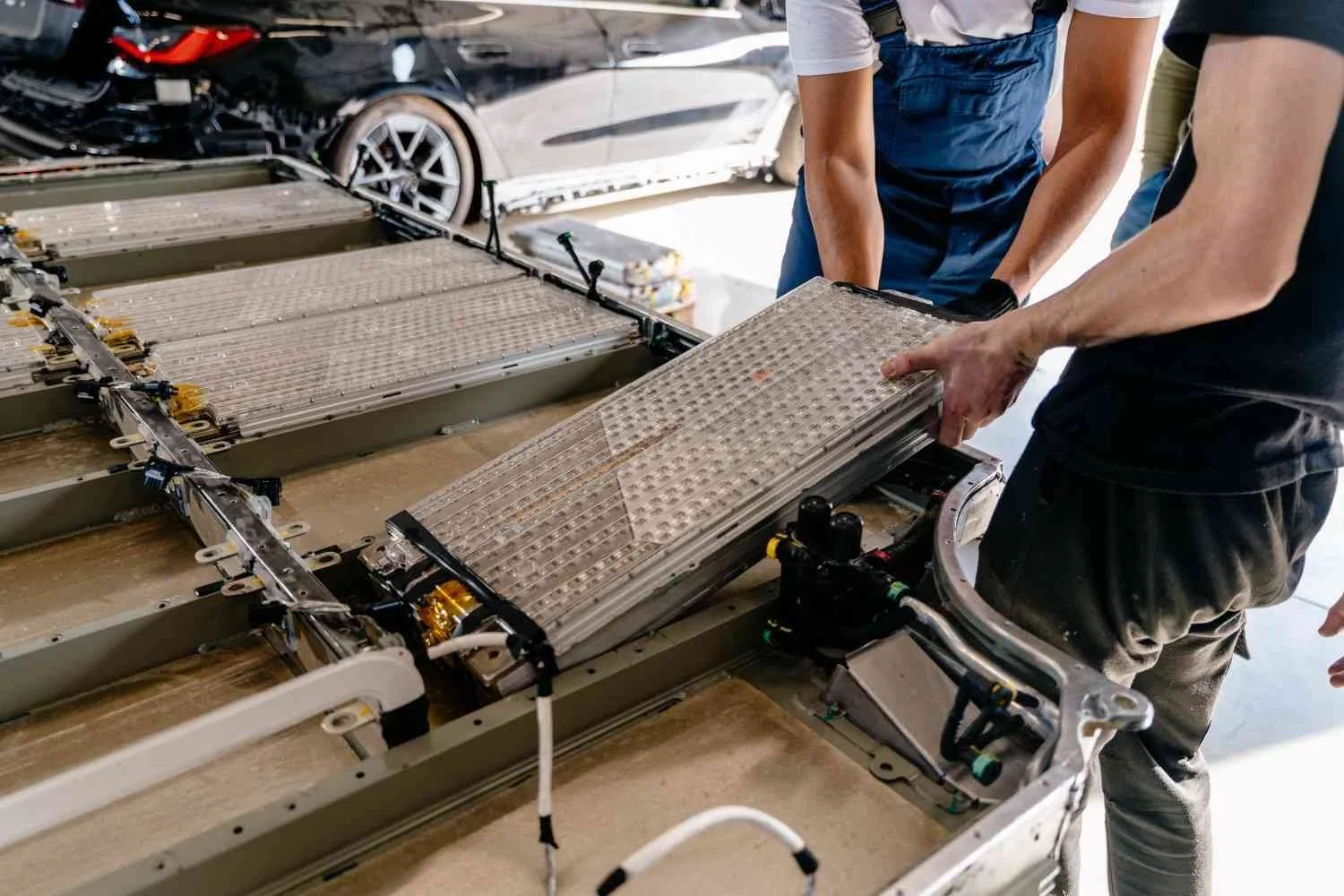
Image source: Shutterstock
One of the most common concerns people raise when considering an electric car is a simple one: “What happens to the battery when it’s no longer usable?”
It’s a fair question. For years, headlines have focused on battery production and raw materials, often overlooking what actually happens to an electric car battery at the end of its life. The good news? In 2026, the reality is far more reassuring than many people realise.
Modern electric car batteries are designed to last 15-20 years, retain 80–90% capacity after 8–10 years, and are now up to 95% recyclable. Before they’re even recycled, most batteries go on to enjoy a second life powering homes, businesses, and even parts of the national grid.
If you’re driving an EV through a salary sacrifice scheme, battery concerns matter even less. Lease terms typically last 3-4 years, keeping vehicles well within full manufacturer warranties (usually 8 years or 100,000 miles) and removing any responsibility for long-term battery management.
How Long Do Electric Car Batteries Last?
Electric car batteries are built for longevity, and real-world data backs this up.
Battery Lifespan In Practice
Most EV manufacturers provide warranties of 8 years or 100,000 miles, guaranteeing the battery won’t fall below around 70% capacity during that period. In reality, many batteries perform far better.
Studies and fleet data show that modern EV batteries typically retain 80–90% capacity after 8–10 years of use, with average degradation of just 1–2% per year. That means a car that started with a 300-mile range will often still comfortably exceed 240 miles after a decade.
Why Is Battery Degradation Slower Than Expected?
Electric cars actively protect their batteries using advanced battery management systems. These systems regulate:
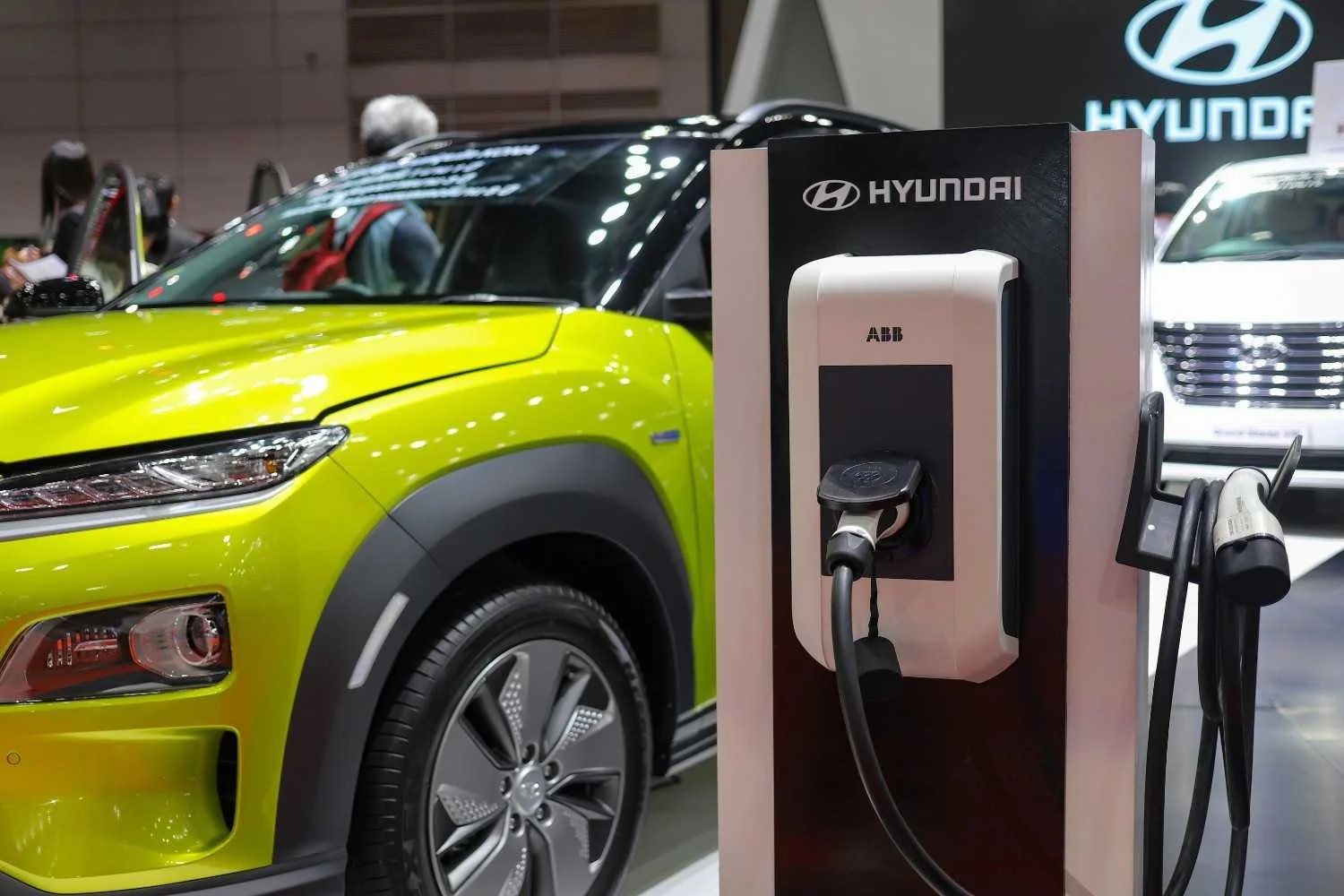
Temperature
Power delivery
Regenerative braking
Image source: Shutterstock
All of this helps slow wear and maintain long-term performance.
Why Salary Sacrifice Removes Battery Anxiety
For salary sacrifice drivers, battery lifespan is largely irrelevant:
Lease terms are usually 3-4 years
Vehicles are returned long before degradation becomes noticeable
Batteries remain fully covered by the manufacturer's warranty
In short, you enjoy electric driving without long-term battery ownership concerns!
What Happens When EV Batteries Leave Cars?
When an electric car battery is no longer ideal for driving, it doesn’t go to waste.
Second-Life Batteries Explained
Once a battery reaches around 70% capacity, it may no longer deliver optimal driving range, but it still has significant energy storage potential. These batteries are repurposed into second-life applications, where size and weight matter far less. Second-life batteries typically provide an additional 5–10 years of use!
Home Energy Storage
Used EV batteries are increasingly deployed in home energy storage systems, particularly alongside solar panels. They store excess energy during the day and release it when demand is higher, helping households:
Reduce energy bills
Increase energy independence
Make better use of renewable power
Commercial And Grid Applications
Second-life batteries are also used for:
Grid stabilisation
Renewable energy storage
Backup power for businesses
Peak energy demand management
Across the UK and Europe, these systems help balance electricity supply and demand while supporting renewable energy growth.
Environmental And Economic Benefits
Giving batteries a second life:
Reduces waste
Cuts carbon emissions
Lowers the need for raw material mining
Makes energy storage more affordable
It’s a key part of the circular economy - and a major reason EV batteries are far more sustainable than many people assume.
How Are Electric Car Batteries Recycled?
Eventually, every battery reaches the end of its usable life. When that happens, recycling takes over.
The EV Battery Recycling Process
Collection and transportation: Batteries are collected from manufacturers, dealerships, and lease providers and transported under strict safety regulations.
Discharge and dismantling: Remaining electrical energy is safely discharged before battery packs are dismantled into modules and cells.
Material separation: Mechanical and chemical processes separate valuable materials, including lithium, cobalt, nickel, copper, and aluminium
Refining and reuse: Recovered materials are purified and reused in new batteries or other industries.
How Efficient Is EV Battery Recycling?
By 2026, modern recycling facilities can recover up to 95% of battery materials, significantly reducing the need for new mining.
UK Recycling Infrastructure
The UK now has an established battery recycling infrastructure, and it is estimated that the UK will have 28,000 tonnes of batteries that will need recycling by 2030!
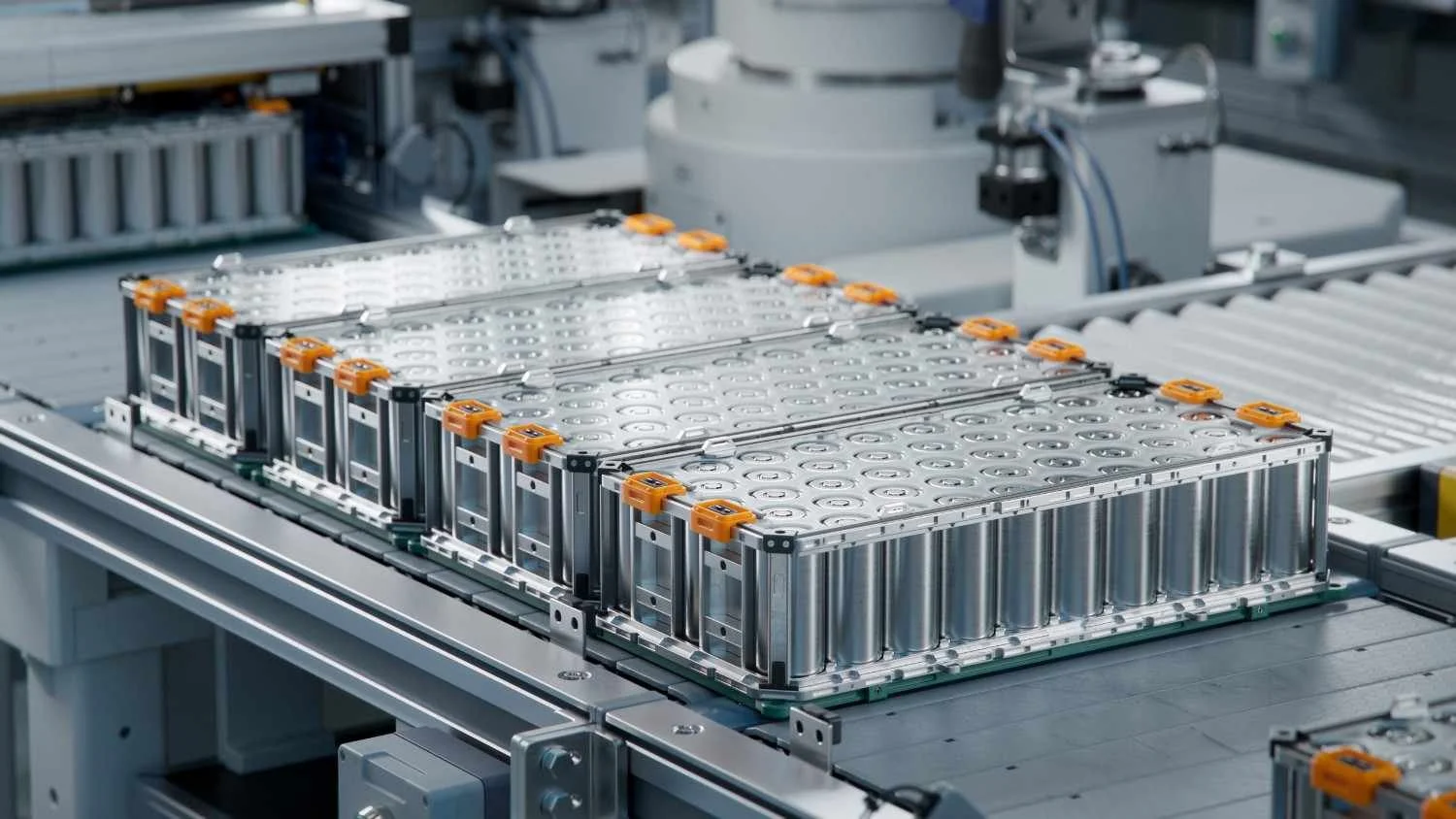
UK regulations require:
At least 65% battery collection rates by 2026
Up to 95% material recovery by 2030
Image source: Shutterstock
This ensures EV batteries are responsibly managed at every stage of their lifecycle.
Are Electric Car Batteries Better For The Environment Than Petrol?
Yes, electric car batteries are better for the environment compared to driving a petrol car, and by a wide margin!
Lifecycle Emissions
While battery production does create emissions upfront, electric cars quickly offset this during use. Over their full lifecycle, EVs produce 60–70% lower emissions than petrol or diesel cars, even when battery manufacturing is included.
Recycling Reduces Environmental Impact
As recycling rates increase, fewer raw materials are needed for new batteries. This:
Reduces mining activity
Lowers energy use
Cuts manufacturing emissions
The result is a continuously improving environmental footprint for electric cars.
Should Battery Degradation Worry Salary Sacrifice Drivers?
Simply put: no.
Here’s why battery concerns don’t affect salary sacrifice drivers:
Lease terms stay well within manufacturer warranties
Vehicles are returned before long-term degradation matters
Battery failures are covered by the manufacturer
The Electric Car Scheme includes Complete Employer Protection, covering unexpected life changes
You’re protected from both technical and financial risk throughout the lease.
What’s Next For EV Battery Technology?
Battery technology continues to evolve rapidly.
Longer Lifespans
Improved chemistries and smarter management systems are extending battery life even further.
Solid-State Batteries
Solid-state batteries promise:
Higher energy density
Faster charging
Improved safety
Reduced degradation
While still emerging, they represent a major step forward.
Improved Recycling
Recycling technology is becoming cleaner, faster, and more efficient - strengthening the circular economy and further reducing environmental impact.
Frequently Asked Questions

Image from Gaurav Ahluwalia
How Long Do Electric Car Batteries Last?
Electric car batteries typically last 15–20 years, retaining 80–90% capacity after 8–10 years.
What Happens To EV Batteries When Leases End?
The battery stays with the vehicle. Lease providers and manufacturers manage reuse, second-life applications, and recycling.
Are EV Batteries Recyclable?
Yes. Up to 95% of materials, including lithium, cobalt, and nickel, can be recovered.
Do Salary Sacrifice Drivers Need To Worry About Battery Degradation?
No. Lease terms are short, and vehicles remain within the full manufacturer's warranty.
What Is Battery Second-Life Use?
Used EV batteries are repurposed for home energy storage and grid stabilisation for an additional 5–10 years.
Are EV Batteries Worse For The Environment Than Petrol Cars?
No. EVs produce 60–70% lower lifetime emissions, even when battery production is included.
Who Pays If A Battery Fails During Salary Sacrifice?
Battery failures are covered by the manufacturer's warranty. The Electric Car Scheme also includes additional protection.
Can Old EV Batteries Be Repurposed?
Yes. Many are reused in homes, businesses, and energy infrastructure before recycling.
What Happens To Batteries From The Electric Car Scheme Vehicles?
They follow manufacturer recycling programmes and UK regulations, ensuring responsible end-of-life management.
Should I Worry About Battery Replacement Costs?
Not with salary sacrifice. Vehicles are returned before warranty expiry, avoiding replacement costs entirely.
Old electric car batteries don’t go to waste. They last longer than most people expect, often enjoy a second life powering homes or the grid, and are then recycled, with up to 95% of materials recovered! If you’re driving through an electric car salary sacrifice scheme, there’s even less to worry about. Short lease terms keep you within warranty, with no exposure to battery degradation or replacement costs.
In 2026, EV batteries are part of a well-managed, increasingly circular system - making the switch to electric a far simpler, more sustainable decision than it might first appear.
Are you an employer?
BOOK A DEMOAre you an employee?
SEE AVAILABLE CARSYou Might Also Like…



ECS GUIDES AND ADVICE
Ready to Go Electric? Your Guides and Tools to a Smooth Switch
-
 How the Scheme Works
Find out how salary sacrifice can work for you or your business.
-
 The Charge Scheme
Save 20-50% on all charging costs through salary sacrifice - at home, the office, or in public..
-
 Complete Employer Protection
All employers and drivers are protected from day 1.
-
 Used Electric Cars
Discover the most affordable way to drive electric. Cars delivered in 14 days.
Last updated: 29/01/2026
Our pricing is based on data collected from The Electric Car Scheme quote tool. All final pricing is inclusive of VAT. All prices above are based on the following lease terms; 10,000 miles pa, 36 months, and are inclusive of Maintenance and Breakdown Cover. The Electric Car Scheme's terms and conditions apply. All deals are subject to credit approval and availability. All deals are subject to excess mileage and damage charges. Prices are calculated based on the following tax saving assumptions; England & Wales, 40% tax rate. The above prices were calculated using a flat payment profile. The Electric Car Scheme Limited provides services for the administration of your salary sacrifice employee benefits. The Electric Car Scheme Holdings Limited is a member of the BVRLA (10608), is authorised and regulated by the FCA under FRN 968270, is an Appointed Representative of Marshall Management Services Ltd under FRN 667174, and is a credit broker and not a lender or insurance provider.
Copyright and Image Usage: All images used on this website are either licensed for commercial use or used with express permission from the copyright holders, in compliance with UK and EU copyright law. We are committed to respecting intellectual property rights and maintaining full compliance with applicable regulations. If you have any questions or concerns regarding image usage or copyright matters, please contact us at marketing@electriccarscheme.com and we will address them promptly.