Electric Car Leasing vs Buying: What’s The Best Way To Finance Your EV?

All images in this article have been sourced from Shutterstock
Switching to an electric car is a significant decision and one of the best ways to lower your carbon footprint, but how you get into one matters. Electric car leasing vs buying comes down to how long you'll keep the car and how much risk you want to carry. Leasing suits drivers who want a fixed monthly cost and no resale risk, while buying suits those who'll keep the car for seven years or more. Employees whose employers offer electric car salary sacrifice add a third route, typically saving 20 to 50% compared with a personal lease.
Should You Lease Or Buy An Electric Car?
The three main routes are buying, leasing, and leasing through an employer's salary sacrifice scheme, and each carries a different mix of cost and risk.
Buying An Electric Car
When you buy an electric car, you gain complete ownership of the vehicle once all payments are fulfilled. Ownership brings control and no mileage limits, but it also means carrying the full cost of depreciation and repairs.
Financing Options For EV Purchase
Buyers can pay outright, take a car loan over 3 to 7 years, or choose a Personal Contract Purchase (PCP), which typically involves a 10-20% deposit, a 2 to 4 year term and a final "balloon payment" if you want to keep the car.
How Much Will An EV Set You Back?
According to Autotrader's analysis of advertised prices, published in April 2026, the average new EV costs £42,620 after discounts, about £785 less than the average new petrol car (£43,405). Used EVs can lower the entry cost further, and a used electric car salary sacrifice scheme spreads that cost into a monthly payment.
Leasing An Electric Car
Leasing refers to a type of finance that is essentially a long-term rental of a car (in this case, an electric car). Typically, you sign a contract committing to a monthly fee, which will give you full use of the car for a fixed time, usually between two and four years. Once the contract is up, you will then return the car to the leasing company.
Buying Vs Leasing: Costs Compared
Once you have signed up for a lease, the payments are fixed, so you know what you will pay each month. That predictability makes budgeting simpler than buying, where repair and servicing costs arrive unevenly.
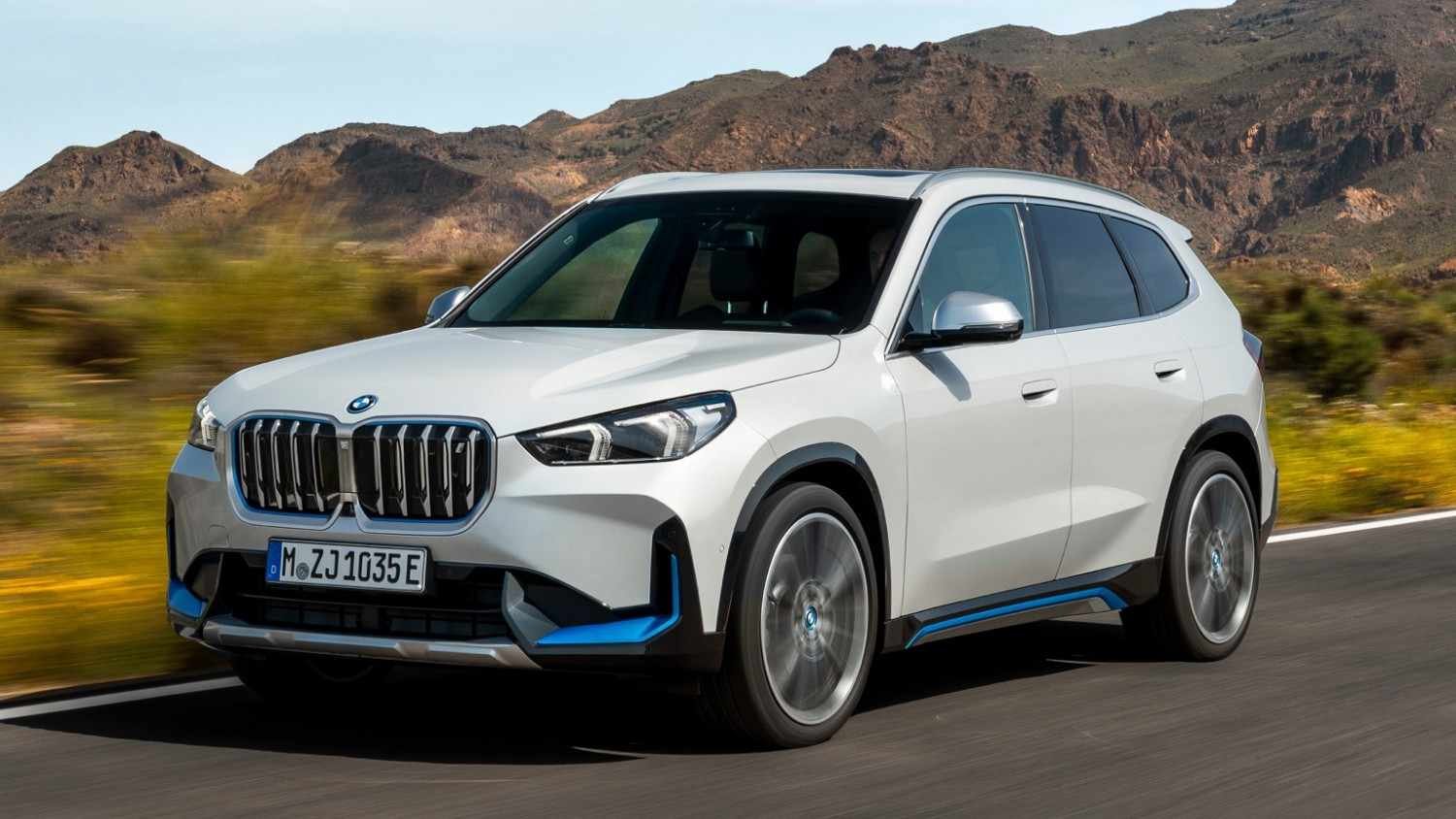
If you buy a car, you have a significant upfront payment, which can mean having to compromise on the car you can get for your money. 200+ electric vehicles, both new and used. We also work with a variety of lease providers, which means you can access competitive lease deals through one quote.
Why Lease An Electric Car?
Leasing suits electric cars because two of the biggest risks of owning one, depreciation and fast-moving technology, sit with the leasing company rather than with you.
Predictable monthly cost: one fixed payment with no large deposit.
Depreciation risk stays with the lessor: EVs keep around 39% of their value after three years on average, according to Carwow, and with a lease you hand the car back instead of selling it.
Newer technology: terms of two to four years let you move to a car with better range and charging without navigating the resale market.
Warranty cover: new EVs typically come with warranties of 3 to 8 years, which a lease usually keeps you inside.
How Do Salary Sacrifice Schemes Work?
With a car salary sacrifice scheme, the employee exchanges a portion of their pre-tax salary for a non-cash benefit (which in this case is an electric car). The employer leases the car on your behalf, the payment is deducted from gross pay before tax, and the car becomes part of your pay package through a formal change to your employment contract.
How Do The Tax Benefits Work?
The primary advantage of salary sacrifice lies in its tax efficiency. Since payments come from your gross salary:

You pay less Income Tax because your taxable income is reduced,
Both you and your employer pay lower National Insurance Contributions,
Electric vehicles are taxed at a low Benefit-in-Kind (BiK) tax rate: 4% in 2026/27, rising to 5% in 2027/28, 7% in 2028/29 and 9% in 2029/30, compared with up to 37% for petrol and diesel cars in 2026/27.
These combined tax advantages typically translate to savings of 20-50% compared to a personal lease on the same vehicle. Your exact savings depend on your tax band and the car, and the savings for higher-rate taxpayers differ from those for basic-rate taxpayers.
How Is Salary Sacrifice Different From Standard Leasing?
While both options involve monthly payments rather than outright ownership, salary sacrifice differs from standard leasing in several key ways:
Payment source: Salary sacrifice payments come from pre-tax income, while standard lease payments come from your net (after-tax) income.
Contract holder: With salary sacrifice, your employer holds the lease contract with the leasing company, not you
Bundled services: Salary sacrifice schemes include insurance, servicing and maintenance, breakdown cover and road tax (VED) within one monthly payment, with tyres and home charging available as optional extras
Credit checks: salary sacrifice doesn't usually involve a personal credit check, whereas personal leases normally do
Who Can Take Part In Salary Sacrifice?
Your employer must offer a scheme, and salary sacrifice can't reduce your pay below the National Minimum Wage, which is £12.71 an hour for workers aged 21 and over from 1 April 2026 (£10.85 for ages 18 to 20, and £8.00 for under 18s and apprentices).
How Do You Get Started?
Estimate your savings with the EV salary sacrifice calculator, choose a new or used electric car, and apply through your employer's scheme.
Comparison: Leasing Vs Buying An EV
The table compares leasing and buying on nine factors. Costs vary by car, term and mileage, so treat the comparisons as typical rather than fixed.
| Electric car leasing vs buying compared | Leasing | Buying |
|---|---|---|
| Initial Costs | Lower upfront payment - often a smaller deposit than a purchase, and none with salary sacrifice | Higher upfront cost |
| Monthly Payments | Fixed monthly payments, depending on the vehicle, term and mileage | Higher monthly loan payments if you're financing, none if bought outright |
| Ownership | No ownership. The vehicle has to be returned at the end of the lease | Full ownership after financing is complete, or immediately yours if you buy it outright |
| Tax Benefits | Significant savings through salary sacrifice | No salary sacrifice tax saving |
| Maintenance Costs | Often included in the lease package and cost | Owner's responsibility, including servicing and tyres |
| Mileage Restrictions | Typically limited to 8,000 to 15,000 miles annually with excess charges | No restrictions on mileage |
| Customisation Options | Limited initial configuration | Complete freedom to modify or customise |
| Depreciation Risk | No depreciation risk to driver | Owner absorbs around 61% depreciation on average in the first three years |
| Early Termination | Potentially expensive penalties | No penalties, but may have negative equity if selling early |
Factors To Consider When Deciding What’s Best For You
When deciding whether leasing is right for your electric vehicle journey, consider these important factors:
How Much Does An Electric Car Depreciate?
New electric cars can depreciate by around 61% within their first three years or 36,000 miles, compared with around 44 to 48% for petrol, diesel and hybrid cars. If you plan to keep a vehicle long-term (7+ years), buying may prove more economical once the steepest depreciation period has passed.
Early Termination Flexibility
Leasing typically involves early termination fees if you need to end the agreement prematurely. With salary sacrifice, check how your scheme handles leaving your job or a change in circumstances before you sign.
Financial Considerations

Buying outright means higher upfront expenses, including the purchase price, tax and registration fees, but it can often result in lower total ownership costs throughout the vehicle’s lifespan. This is because of lower interest charges and the absence of lease-end fees. Leasing offers lower initial costs, but the total expense can be higher because of the monthly lease payments.
What Are The Disadvantages Of Leasing An Electric Car?
Although there are many positives to leasing an electric car, there are some downsides.
Limited Options For Customisation
Leasing an electric car can mean there are limited opportunities to customise your car. The Electric Car Scheme’s quote tool allows you to choose your trim or upholstery along with your paintwork.
Long-term Cost Considerations
It is essential to factor in the long-term cost considerations. Leasing offers lower monthly payments, but lessees should be mindful of potential expenses at the end of the lease term. These costs may include excess wear and tear fees, mileage overcharge fees and any additional costs for returning the vehicle in less-than-ideal condition.
What Are The Benefits Of Buying An Electric Car?
Buying makes most sense when you'll keep the car for a long time, drive high or unpredictable mileage, or want to modify it.
Ownership
Unlike leasing, if you buy your electric car, you hold full ownership rights and have the opportunity to gain equity in the vehicle.
Customisation
The freedom to customise your electric car is an advantage, unlike leasing, where lessees are often restricted in their ability to modify the vehicle.
Electric Car Leasing vs Buying FAQs
Is It Cheaper To Lease Or Buy An Electric Car?
Leasing is usually cheaper upfront, while buying can work out cheaper if you keep the car for seven years or more. A lease needs a smaller deposit and fixes your monthly cost, whereas buyers absorb depreciation of around 61% over three years on average. Salary sacrifice typically cuts monthly costs by 20 to 50% compared with a personal lease.
Is Salary Sacrifice Better Than Personal Leasing?

Salary sacrifice is usually cheaper than a personal lease when your employer offers it. Payments come from pre-tax pay, and the package includes insurance, servicing, breakdown cover and road tax. Your overall saving depends on your tax band and the car.
What Happens At The End Of An EV Lease?
You return the car to the leasing company, which checks it against fair wear and tear guidelines. You can then choose another car or leave the scheme. Excess mileage or damage charges may apply.
Can You Lease A Used Electric Car?
Yes, used electric cars are available on salary sacrifice with the same all-inclusive package as new cars. They come with verified battery health and delivery in as little as 14 days. Prices vary by car.
Lease Or Buy: Which Is Right For You?
Leasing suits drivers who want a fixed monthly cost, newer technology and no resale risk, while buying suits those who'll keep a car for seven years or more or want to modify it. Salary sacrifice tips the balance for employees, typically saving 20 to 50% compared with a personal lease.
See what your own electric car lease would cost. Get a quote with The Electric Car Scheme to compare 200+ new and used electric cars, each with insurance, servicing, breakdown cover and road tax included in one monthly payment. Your quote shows the monthly cost for your pay.
Are you an employer?
BOOK A DEMOAre you an employee?
SEE AVAILABLE CARSYou might also like…


Last updated: 21.10.26
Information and prices provided are accurate at the time of release and may be subject to change. Our pricing is based on data collected from The Electric Car Scheme quote tool. All final pricing is inclusive of VAT. All prices above are based on the following lease terms; Using a flat payment profile, 10,000 miles pa, 36 months, and are inclusive of Maintenance and Breakdown Cover. The Electric Car Scheme’s terms and conditions apply. All deals are subject to credit approval and availability. All deals are subject to excess mileage and damage charges. Prices are calculated based on the following tax saving assumptions; England & Wales, 40% tax rate. The Electric Car Scheme Limited provides services for the administration of your salary sacrifice employee benefits. The Electric Car Scheme Holdings Limited is a member of the BVRLA (10608), is authorised and regulated by the FCA under FRN 968270, is an Appointed Representative of Marshall Management Services Ltd under FRN 667174, and is a credit broker and not a lender or insurance provider.
Copyright and Image Usage: All images used on this website are either licensed for commercial use or used with express permission from the copyright holders, in compliance with UK and EU copyright law. We are committed to respecting intellectual property rights and maintaining full compliance with applicable regulations. If you have any questions or concerns regarding image usage or copyright matters, please contact us at marketing@electriccarscheme.com and we will address them promptly.