Are EVs Better for the Environment? 2026 Full Analysis
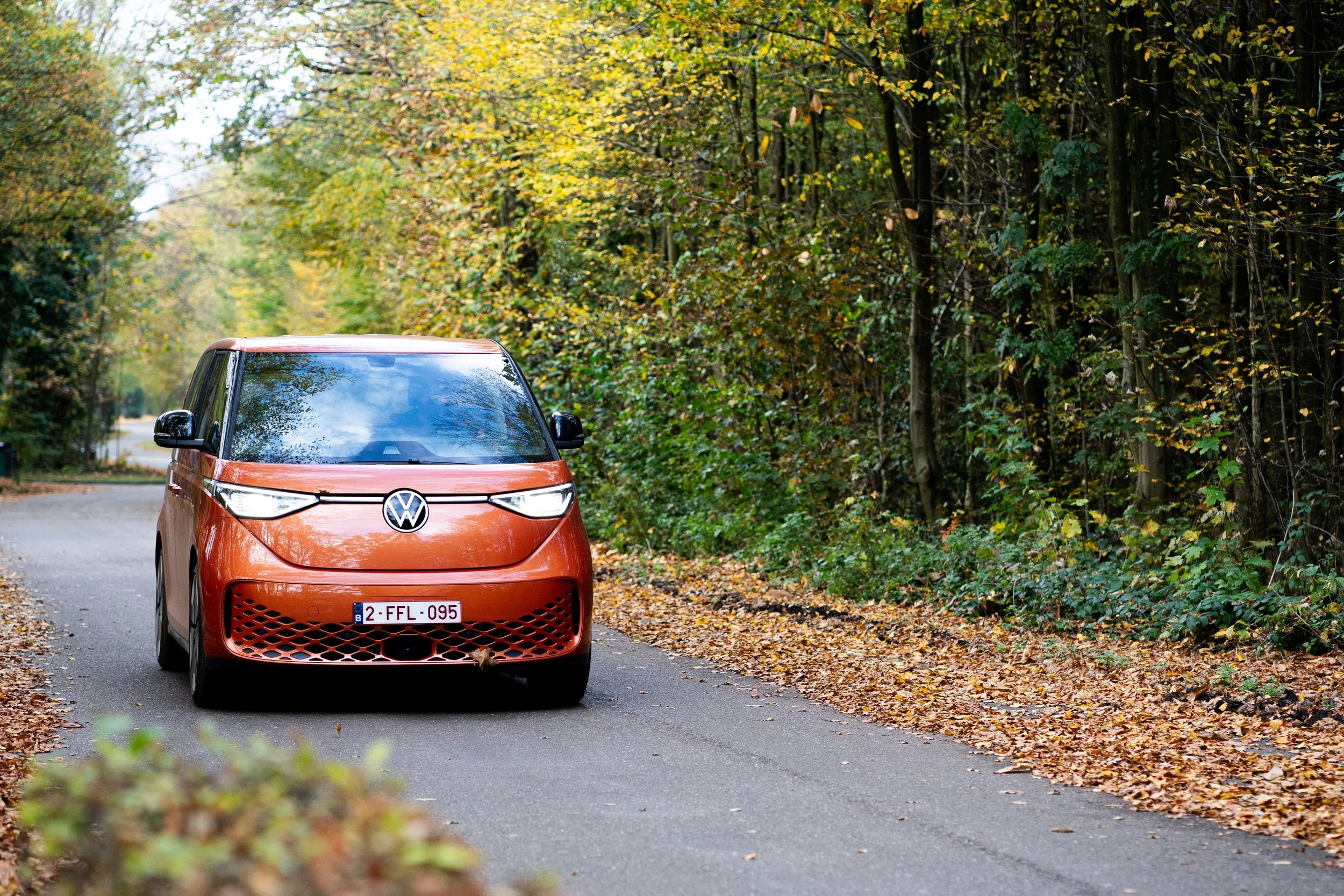
Image source: Shutterstock
Electric cars have moved firmly into the mainstream. With more than 1.5 million fully electric vehicles now on UK roads, many drivers are already experiencing the benefits first-hand. Yet one question continues to surface - and it’s an important one: Are electric cars really better for the environment?
This article provides a clear, balanced, and evidence-based answer. We explore the full environmental picture, from manufacturing and battery production to electricity generation, air quality, and end-of-life recycling!
Are Electric Cars Really Better For The Environment Than Petrol Cars?
In short: yes. But the reason why matters.
Electric cars are not entirely emissions-free when you consider their full lifecycle. Manufacturing, electricity generation, and battery production all carry an environmental footprint. However, when those factors are compared fairly with petrol and diesel vehicles, electric cars consistently come out ahead.
What Do The Scientific Studies Say?
Independent research bodies consistently reach the same conclusion: electric cars are significantly cleaner over their lifetime than internal combustion engine vehicles. According to ICCT research, battery electric cars produce 73% less life-cycle greenhouse gas emissions compared with petrol and diesel counterparts (this takes production into account).
The reason is straightforward. Petrol and diesel cars continue to emit carbon dioxide every time they are driven. Electric cars do not. Once the higher emissions associated with manufacturing are offset, the gap only widens with every mile driven.
How Much CO₂ Do Electric Cars Save?
On average, an electric car driven in the UK saves around 1–2 tonnes of CO₂ per year, with approximately 1.5 tonnes being a widely cited midpoint based on average mileage and the current electricity grid.
With around 1.2 million EVs now on UK roads, that means roughly 1.8 million tonnes of CO₂ are avoided every year - equivalent to removing hundreds of thousands of petrol cars from circulation.
What About Air Quality Improvements?
Electric cars produce zero tailpipe emissions. That means no nitrogen oxides (NOx) and no exhaust particulate pollutants, closely linked to respiratory and cardiovascular disease.
For urban areas in particular, the air quality benefits of electrification are immediate and meaningful.
The Science Of EV Emissions
Understanding whether electric cars are better for the environment requires looking beyond what comes out of the exhaust - or lack of one.
What Are Lifecycle Emissions?
Lifecycle emissions include:
Raw material extraction
Vehicle and battery manufacturing
Fuel or electricity production
Use over the vehicle’s lifetime
Image source: Shutterstock
This approach provides the most accurate comparison between vehicle types.
Why EVs Start With Higher Emissions
Electric cars generally produce more emissions during manufacturing, largely due to battery production. This creates an initial “carbon debt” compared with petrol cars.
However, that debt is finite. Once the car is on the road, emissions are dramatically lower.
Why Petrol Cars Never Catch Up
Petrol and diesel cars continue emitting CO₂ throughout their lives. Their emissions curve rises steadily and never flattens. Electric cars, by contrast, start higher but then level off - and ultimately end far lower.
This is why lifecycle analysis is essential. It shows that electric cars become cleaner the longer they are driven, while petrol cars do not.
What Are The Environmental Impacts Of Electric Car Production?
How Much CO₂ Is Produced When Manufacturing An EV?
Electric car: 11-14 tonnes of CO₂
Petrol car: 7-10 tonnes of CO₂
The difference comes primarily from the battery.
Why Is EV Battery Production Emissions-Intensive?
Producing lithium-ion batteries requires energy-intensive processing of materials such as lithium, nickel, and (in some chemistries) cobalt. Where factories use fossil-fuel-heavy electricity, emissions are higher.
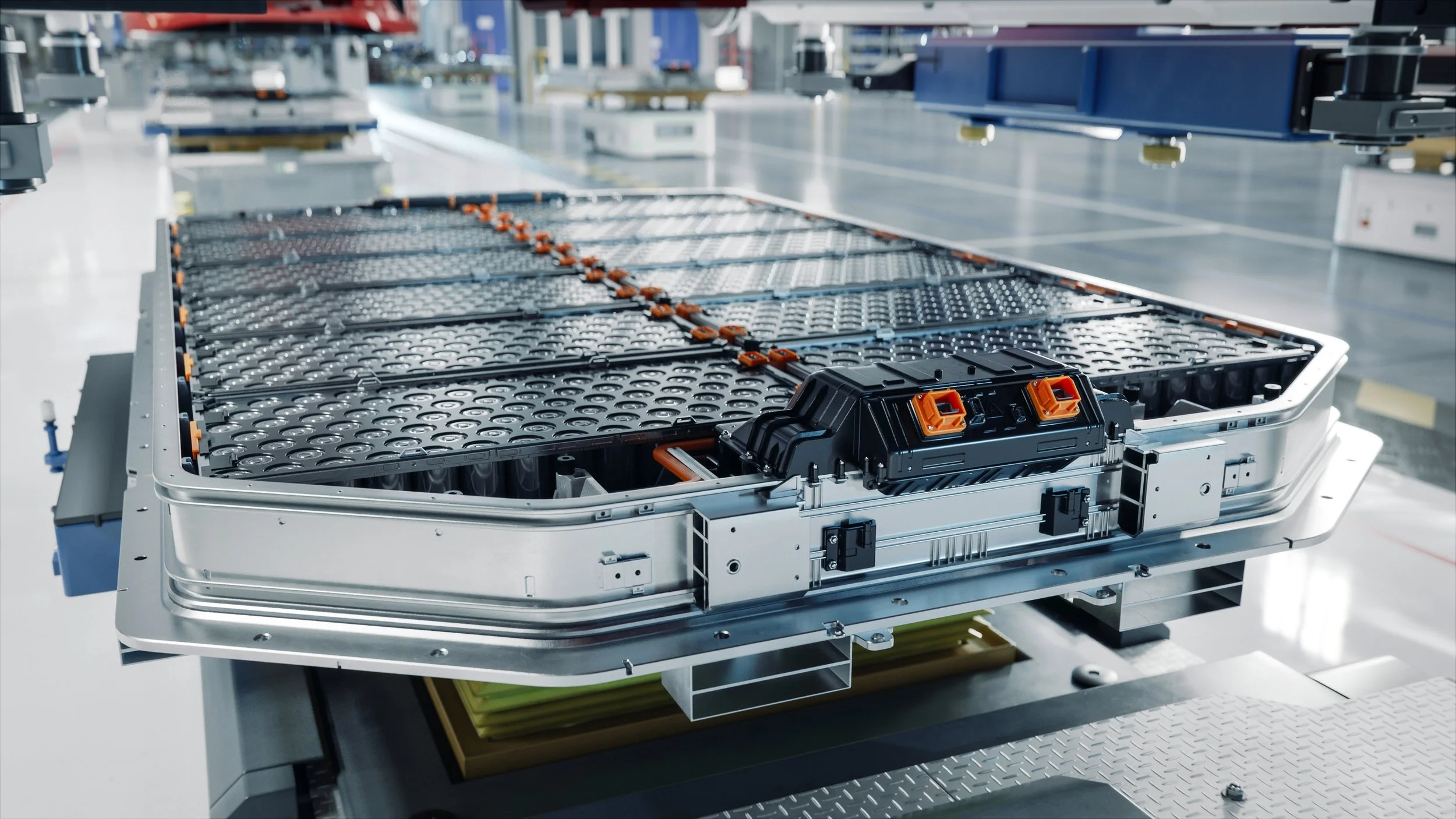
The good news is that:
Battery factories are increasingly powered by renewable energy
Battery chemistries are evolving to reduce material intensity
Image source: Shutterstock
Environmental Concerns Around Mining
Mining impacts are real and should not be dismissed. Key concerns include land disruption, water use, and labour practices.
Industry responses include:
Reduced cobalt content or cobalt-free batteries
New UK and EU battery regulations covering sourcing and reporting
How Manufacturers Reduce Production Emissions
Manufacturers are increasingly:
Using renewable energy in factories
Incorporating recycled aluminium and steel
Designing vehicles for easier disassembly and recycling
All of this reduces the embedded carbon in each new electric car.
How Do Electric Cars Perform Environmentally Over Their Lifetime?
At What Point Does An EV Become Cleaner Than A Petrol Car?
Most studies place the break-even point at 20,000–30,000 miles. For the average UK driver, that’s roughly 2–3 years. From that point on, every mile driven increases the environmental advantage.
How Long Do Electric Cars Last?
Modern electric cars are designed for lifespans of 150,000 miles or more, meaning the emissions savings continue for many years after the break-even point.
EV Vs Petrol Car: Lifecycle Emissions
| Phase | Electric car | Petrol car |
|---|---|---|
| Production | 1-14 t CO₂ | 7-10 t CO₂ |
| 150,000 miles of use | 15–20 t | 35–45 t |
| End of life | 1–2 t | 2–3 t |
| Total | 24–32 t | 43–55 t |
The UK’s Electricity Grid And EV Emissions
How Clean Is The UK Grid in 2025/26?
The UK electricity grid is becoming cleaner, and in 2025, there was an increasing number of times where 100% of electricity demand was covered by clean power. During these periods, wind power was contributing an average of 72% of demand, followed by 18% from nuclear, 10% from solar, 4% from biomass and 1% from hydro.
How Has The Grid Changed?
A decade ago, fossil fuels dominated UK electricity generation. Today, renewables are a core part of the system - particularly offshore wind.
Image source: Shutterstock
What’s next?
The UK government’s target is 100% clean electricity by 2035. When that happens, the use-phase emissions of electric cars will approach zero.
Do EVs Get Greener Automatically?
Yes. Petrol cars stay the same. Electric cars improve as the grid improves - without the driver changing anything!
What Happens To Electric Car Batteries At The End of Their Life?
How Long Do EV Batteries Actually Last?
Most EV batteries last 15–20 years in automotive use. Capacity degradation is gradual, not sudden.
What Is Battery “Second Life”?
When battery capacity falls to around 70–80%, it may no longer be ideal for driving, but is still valuable for stationary energy storage.
A well-known example is Nissan, which has reused EV batteries to provide backup power at large-scale venues.
How Are EV Batteries Recycled?
Specialist recycling facilities recover valuable materials, including lithium, nickel, cobalt, and copper.
How Much Can Be Recovered?
Modern recycling processes can recover up to 95% of battery materials, which are then reused in new batteries - reducing the need for further mining.
How Does Renewable Energy Charging Affect Environmental Impact?
Can you charge an EV with renewable electricity?
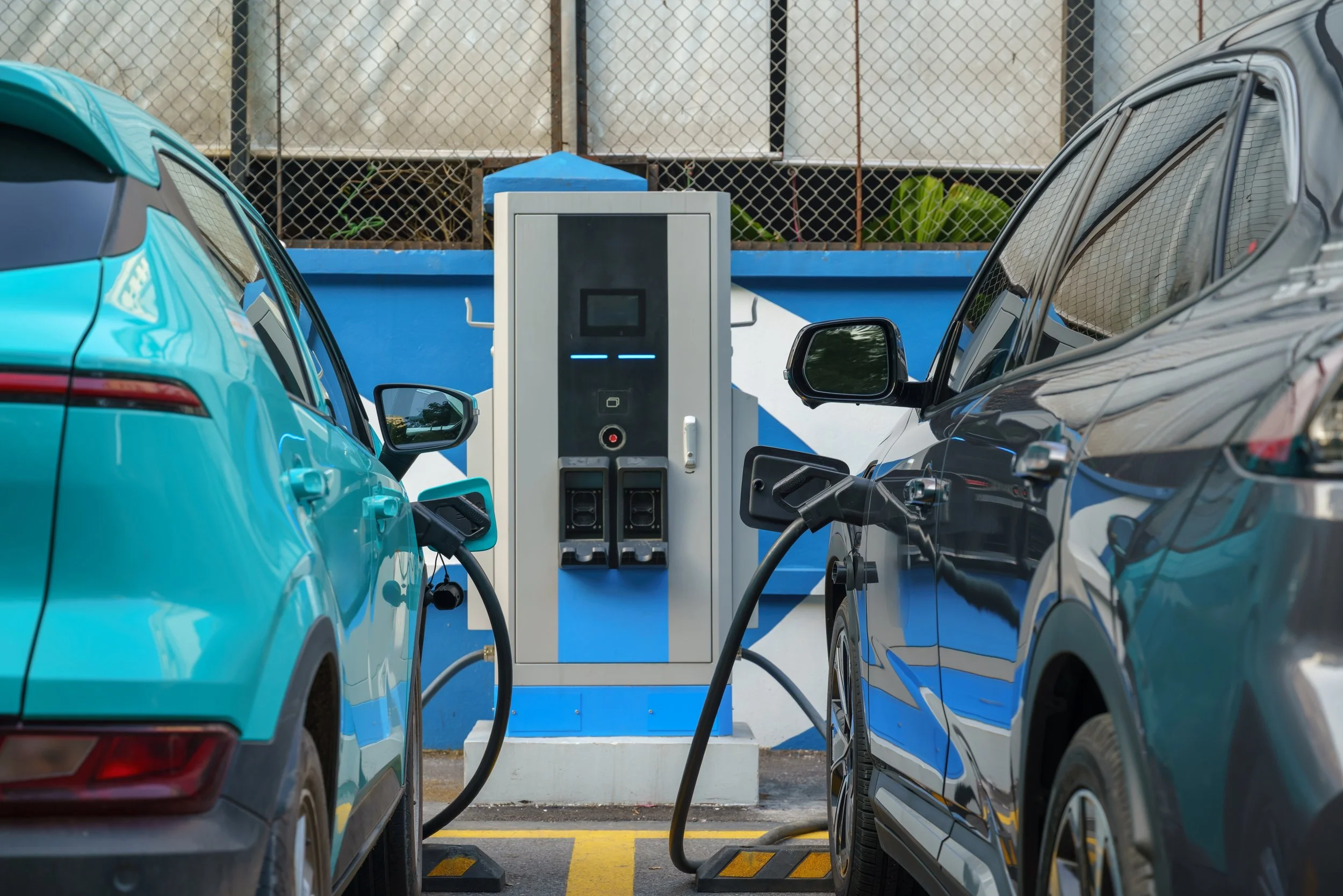
Yes. Many UK households choose renewable electricity tariffs, ensuring the electricity matched to their charging comes from wind, solar, or hydro sources.
Does Charging Time Matter?
Charging overnight often coincides with higher wind generation and lower grid demand, further reducing emissions.
What About Solar Panels?
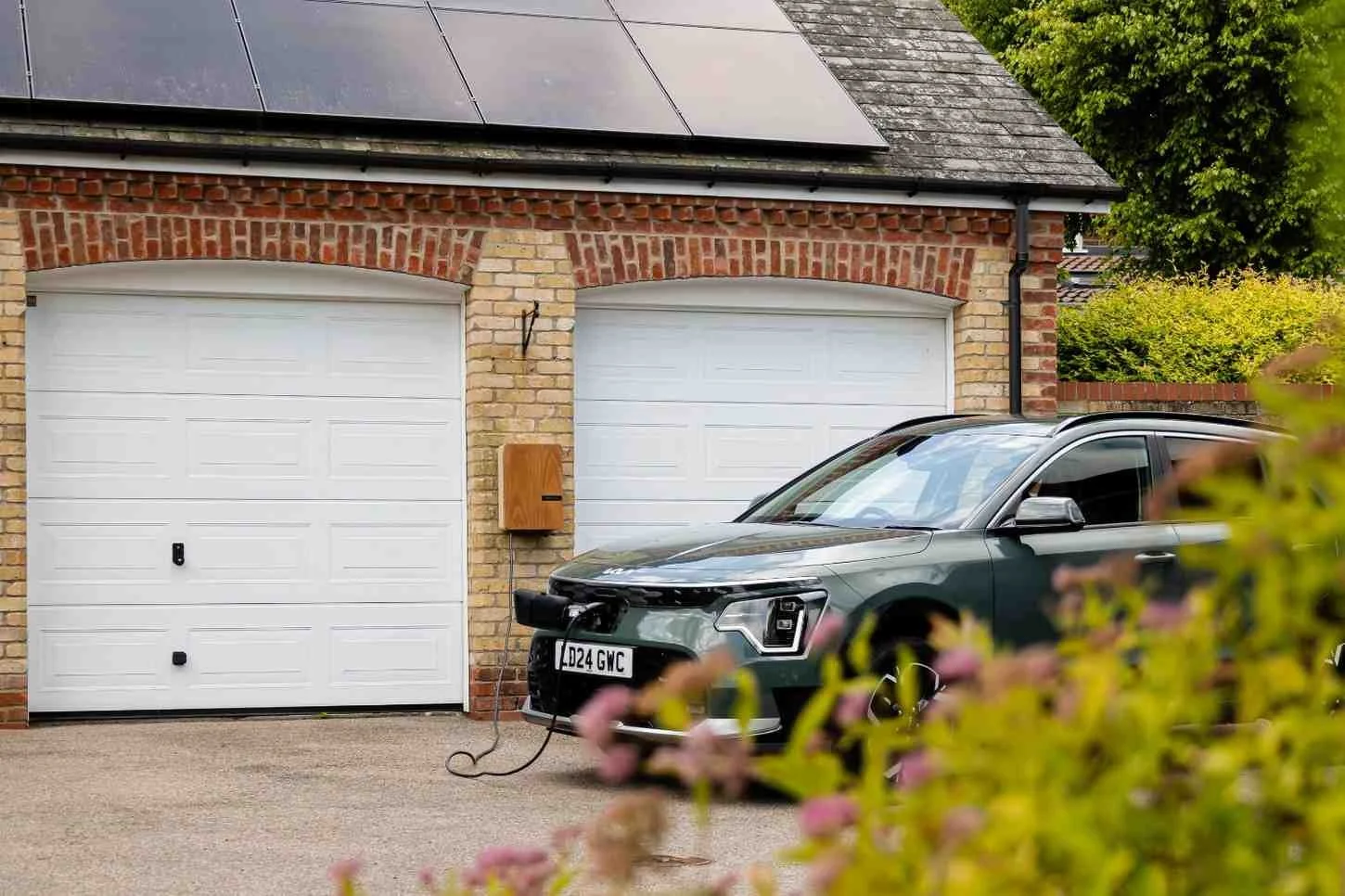
Home solar paired with EV charging is one of the cleanest options available, with near-zero operational emissions.
Are There Any Environmental Downsides To Electric Cars?
Tyre And Brake Particulates
All vehicles produce tyre wear particles. EVs may be slightly heavier, but regenerative braking dramatically reduces brake dust. Overall, air quality still improves.
Road Wear
There’s no strong evidence that EVs cause significantly more road wear than modern petrol SUVs.
Charging Infrastructure Impact
Charging points have an embedded carbon cost, but this is typically offset within a few months of EV use compared with petrol driving.
Addressing Common Misconceptions
Image source: Shutterstock
“EVs are as polluting as petrol cars.”
They are not. Lifecycle studies consistently show EVs are far cleaner.
“Battery production cancels out the benefits.”
It doesn’t. Higher manufacturing emissions are repaid within a few years of driving.
“The grid can’t handle EVs.”
EV charging is manageable and increasingly aligned with renewable generation.
“EVs are only green if charged with renewables.”
Even on today’s grid, EVs produce significantly fewer emissions than petrol cars.
Frequently asked questions
Are Electric Cars Zero-Emission?
They produce zero tailpipe emissions, but not zero lifecycle emissions.
Is It Better To Keep An Old Petrol Car?
Older, less efficient cars benefit most from replacement with an EV.
How Long Before An EV Becomes Cleaner?
Typically after 20,000–30,000 miles.
Do EVs Reduce Climate Change?
Yes. Transport is the UK’s largest emitting sector, and electrification is critical.
Are EVs Better Than Hybrids?
Fully electric cars produce lower lifetime emissions than hybrids.
What Happens If An EV Battery Fails?
Battery failures are rare and usually covered by long manufacturer warranties.
Are EV Materials Mined Ethically?
Standards are improving, with stricter regulations and alternative chemistries.
Do EVs Improve City Air Quality?
Yes, significantly, due to zero tailpipe emissions.
Can EVs Be Powered By Renewable Energy?
Yes, through renewable tariffs or solar charging.
Is Charging Infrastructure Environmentally Damaging?
Its impact is small compared to lifetime emissions savings.
How Do EVs Support Net Zero?
They decarbonise the UK’s largest emissions sector: road transport.
Do EVs last as long as petrol cars?
Yes - often longer, due to fewer moving parts.
Electric cars are not perfect. But when assessed fairly and across their full lifecycle, they are significantly better for the environment than petrol and diesel alternatives.
With cleaner air, lower carbon emissions, improving battery technology, and a rapidly decarbonising electricity grid, the environmental case for electric cars is now well established - and getting stronger every year.
Are you an employer?
BOOK A DEMOAre you an employee?
SEE AVAILABLE CARSECS GUIDES AND ADVICE
Ready to Go Electric? Your Guides and Tools to a Smooth Switch
-
 How the Scheme Works
Find out how salary sacrifice can work for you or your business.
-
 The Charge Scheme
Save 20-50% on all charging costs through salary sacrifice - at home, the office, or in public..
-
 Complete Employer Protection
All employers and drivers are protected from day 1.
-
 Used Electric Cars
Discover the most affordable way to drive electric. Cars delivered in 14 days.
Last updated: 23/12/2025
Our pricing is based on data collected from The Electric Car Scheme quote tool. All final pricing is inclusive of VAT. All prices above are based on the following lease terms; 10,000 miles pa, 36 months, and are inclusive of Maintenance and Breakdown Cover. The Electric Car Scheme's terms and conditions apply. All deals are subject to credit approval and availability. All deals are subject to excess mileage and damage charges. Prices are calculated based on the following tax saving assumptions; England & Wales, 40% tax rate. The above prices were calculated using a flat payment profile. The Electric Car Scheme Limited provides services for the administration of your salary sacrifice employee benefits. The Electric Car Scheme Holdings Limited is a member of the BVRLA (10608), is authorised and regulated by the FCA under FRN 968270, is an Appointed Representative of Marshall Management Services Ltd under FRN 667174, and is a credit broker and not a lender or insurance provider.
Copyright and Image Usage: All images used on this website are either licensed for commercial use or used with express permission from the copyright holders, in compliance with UK and EU copyright law. We are committed to respecting intellectual property rights and maintaining full compliance with applicable regulations. If you have any questions or concerns regarding image usage or copyright matters, please contact us at marketing@electriccarscheme.com