Pay-Per-Mile Car Tax Confirmed for 2028: What EV Drivers Need to Know About eVED

Source: Shutterstock
Updated 29th July 2026
UPDATE: What's Changed Since Budget 2025?
Budget 2025 provided the first clarity on the UK's shift to distance-based vehicle taxation, part of the wider move toward road pricing. This guide contains the confirmed rates, implementation timeline, and details on how the pay-per-mile car tax in the UK affects electric vehicle ownership through salary-sacrifice electric car schemes.
Key Updates:
Total government support package increased to £3.6bn (up from initial £1.5bn projection)
Official HM Treasury consultation confirmed eVED terminology and mileage verification approach
Confirmation that electric car salary sacrifice schemes remain protected until 2030
Expensive Car Supplement threshold rising from £40,000 to £50,000, creating additional savings for premium EV drivers accessing the best electric cars to salary sacrifice.
The government published its formal response to the eVED consultation on 13 July 2026, following more than 5,000 submissions. It confirmed the core design and made the scheme easier to comply with:
The proposed extra mileage checks for cars under three years old, at their first and second registration anniversaries, have been dropped entirely
Fleets and leasing companies, who supply most company and salary sacrifice cars, now get simplified bulk reporting rather than per-vehicle administration
Refunds over £100 can be self-certified, with further refund scenarios promised by the end of 2026
What is eVED (Pay-Per-Mile Road Tax)?
Understanding the System
eVED (electric Vehicle Excise Duty) is the UK government's solution to declining fuel duty revenues as electric vehicle adoption accelerates. The House of Commons Library's briefing on eVED describes it as a mileage-based tax intended to protect long-term motoring tax revenue. Rather than paying fixed annual Vehicle Excise Duty, electric car drivers will pay based on actual miles driven from April 2028. This is, in effect, a car tax pay-per-mile model rather than the flat-rate system drivers know today.
Think of it like this: petrol and diesel drivers currently pay fuel duty at the pump (approximately 6 pence per mile). From 2028, electric vehicle drivers will pay a distance-based tax charged at 3 pence per mile - half the fuel duty equivalent for combustion engines. Plug-in hybrid drivers face a lower pay-per-mile tax hybrid car rate, at 1.5 pence per mile, since they continue paying some fuel duty at the pump as well.
The Core System:
Battery electric cars (BEVs): 3 pence per mile
Plug-in hybrids (PHEVs): 1.5 pence per mile
Implementation date: 1 April 2028
Privacy protection: No GPS tracking or location reporting required
The pay-per-mile system represents a fundamental shift in how the UK taxes vehicles. As more drivers adopt the benefits of electric cars, traditional fuel duty revenues, currently contributing approximately £25 billion annually, are declining. The government needs sustainable long-term funding for road infrastructure that works in an increasingly electrified vehicle landscape.
Current vs Future: Understanding the VED Confusion
Many readers have expressed confusion about how current VED rates interact with the new eVED system. Let's clarify with straightforward explanations that cut through the complexity.
Current Situation (April 2025 – March 2028)
From April 2025, electric vehicles pay:
Year 1: £10 Vehicle Excise Duty
Year 2 onwards: £200 Vehicle Excise Duty annually
No mileage tax during this period. This represents a significant change from the previous exemption that electric car drivers enjoyed, but still maintains substantial advantages over petrol and diesel vehicles.
After April 2028 (When eVED Launches)
Electric vehicles will pay both:
VED: Continues at £200 per year (standard rate)
eVED: New mileage-based tax at 3p per mile on top
Real-world example for an 8,500-mile driver:
VED: £200
eVED (8,500 × £0.03): £255
Total annual tax: £455
How Does This Cost Compare to Petrol Cars?
Petrol and diesel drivers currently pay:
VED: £200 annually (standard rate)
Fuel duty: Approximately £480 per year (for 8,500 miles at 6p per mile)
Total annual tax: £685
Even with eVED included, electric cars remain cheaper than their petrol equivalents - a saving of £225 annually for the average driver.
Important for Salary Sacrifice Drivers
If you join an electric car salary sacrifice scheme today, most 2-4 year leases will end before or shortly after April 2028, meaning you'll benefit from current road tax exemption throughout your entire lease period. This can end up being thousands in additional savings when combined with the 20-50% reduction from an EV salary sacrifice scheme.
Official eVED (Pay-Per-Mile Road Tax) Rates Confirmed
HM Treasury has set precise rates for the new tax: Battery Electric Vehicles (BEVs) at 3 pence per mile, and Plug-in Hybrid Electric Vehicles (PHEVs) at 1.5 pence per mile. These rates were confirmed as final in the government's 13 July 2026 consultation response, rather than remaining a proposal.
Rate Structure
| Vehicle Type | Rate | Annual Cost (8,500 miles) | Monthly Cost |
|---|---|---|---|
| Battery Electric | 3p/mile | £255 | £21.25 |
| Plug-in Hybrid | 1.5p/mile | £127.50 | £10.63 |
| Petrol/Diesel (fuel duty equivalent) | 6p/mile | £510 | £42.50 |
Rate Changes
Rates will be "uprated in 2029-30 and in future years in line with CPI inflation, to ensure that the tax maintains its real-terms value." This mirrors how fuel duty has historically been indexed, ensuring the system remains fair and sustainable as the cost of living changes.
The plug-in hybrid rate recognises that these vehicles continue paying fuel duty on petrol-powered miles whilst also using electric charging, providing a balanced approach that encourages electrification without unfairly penalising transitional technology.
How Much Will eVED (Pay-Per-Mile Road Tax) Cost You?
For the average UK driver, this translates to just £21.25 per month from 2028. This is a small cost when compared to the substantial savings available through electric car salary sacrifice.
| Your Mileage | eVED Cost (3p/mile) | Equivalent Petrol Tax | Monthly Cost |
|---|---|---|---|
| 5,000 miles | £150 | £300 | £12.50 |
| 8,500 miles (UK average) | £255 | £510.00 | £21.25 |
| 10,000 miles | £300 | £600 | £25.00 |
| 15,000 miles | £450 | £900 | £37.50 |
| 20,000 miles (high-mileage) | £600 | £1,200 | £50.00 |
I: Even high-mileage drivers pay substantially less in eVED than they would in fuel duty on equivalent petrol vehicles. The savings become even more pronounced when you factor in lower running costs, reduced maintenance expenses, and the exceptional value of company electric car schemes.
For context, the average UK driver covers 8,500 miles annually. If you're a higher-mileage driver covering 15,000 miles each year, you'll pay £450 in eVED, still saving £450 compared to petrol fuel duty. Combined with salary sacrifice savings of 20-50%, electric vehicles deliver exceptional value regardless of mileage.
How eVED Actually Works: The Payment Process
A Simple, Integrated System
The system prioritises simplicity by integrating with familiar VED processes through three straightforward steps: annual estimation, upfront payment, and year-end reconciliation.
Step 1: Annual Estimation
When you renew your Vehicle Excise Duty (through the DVLA website or postal service), you'll estimate your annual mileage for the year ahead. This is straightforward—most drivers know their typical annual miles from previous MOT records or general driving patterns.
The government will guide estimation techniques, helping drivers who may have variable mileage patterns or are new to electric vehicle ownership. You'll have the flexibility to adjust estimates if your circumstances change significantly.
Step 2: Upfront Payment
You pay the estimated eVED charge alongside your VED. Payment options include:
Monthly instalments (spreading the cost throughout the year)
Bi-annual payments (two payments per year)
Annual lump sum payment (single payment upfront)
Example: An estimated annual mileage of 10,000 miles × 3p = £300 annual eVED, with a monthly payment option of £25. This integrates seamlessly with existing DVLA payment systems, using the same channels and processes you already know.
Step 3: Year-End Reconciliation
Submit your actual mileage (verified at MOT, see below). The DVLA automatically calculates:
If you drove more: A small balancing payment is due
If you drove less: You receive a credit toward next year's eVED
This approach "helps motorists smooth payments over the year and reduce the likelihood of large balancing payments," according to the official GOV.UK consultation response. The system is designed to be forgiving. Small over- or under-estimates won't result in penalties, just straightforward adjustments at year-end. The July 2026 response confirmed that refunds over £100 can now be self-certified, simplifying this further.
Mileage Verification System: Privacy-Protected & Simple
How Is Your Mileage Checked?
One of the biggest concerns about distance-based taxation is privacy. The government consultation confirms: "There will be no requirement to report where and when miles are driven or install trackers in cars."
Instead, the system uses straightforward, existing infrastructure that protects your privacy whilst maintaining system integrity.
For Cars Over Three Years Old:
Mileage recorded at your annual MOT test
No additional requirements—this happens automatically
No extra visits or checks needed
Existing MOT records already capture accurate mileage data
Update, 13 July 2026: For Cars Under Three Years Old
The government has dropped this requirement entirely, following feedback during consultation that it added unnecessary administrative burden. Cars under three years old now follow the same process as older cars: no separate anniversary mileage checks, no extra visits, and no cost to the driver.
Privacy Assurance: The system uses user-reported mileage verified at MOT tests to protect motorists' privacy whilst maintaining system integrity. Unlike GPS-based systems used in some other countries, the UK approach ensures your location data, journey patterns, and personal movements remain completely private.
This privacy-first design addresses legitimate concerns about government surveillance whilst ensuring the system remains simple, cost-effective, and tamper-resistant. The consultation acknowledges that building public trust in the system requires absolute commitment to privacy protection.
Who Pays eVED? Scope & Exemptions
In Scope (Must Pay eVED from April 2028)
All UK-registered battery electric cars
All UK-registered plug-in hybrid cars
Company cars accessed through salary sacrifice electric car schemes
Disabled drivers (exempt from VED but not eVED, as they're not exempt from fuel duty)
The inclusion of company cars ensures fair treatment across all ownership models. Whether you own your electric vehicle outright, lease it personally, or access it through an employer salary sacrifice scheme, the same distance-based taxation applies.
Out of Scope (No eVED Requirement)
Electric vans, buses, and coaches
Motorcycles and heavy goods vehicles
Hydrogen fuel cell vehicles (under review)
Standard hybrid vehicles (petrol/diesel hybrids with no plug-in capability)
The phased approach allows the government to refine the system using cars before extending to commercial vehicles. Electric vans and larger vehicles will likely be brought into the eVED framework after 2028, once the car system is proven and operational.
For Leased Vehicles: The lessor (leasing company) remains the registered keeper responsible for VED and eVED payments. The July 2026 consultation response confirmed simplified, bulk-level reporting for fleets and leasing companies, who supply most company and salary sacrifice cars, with special provisions being developed for fleet and leasing businesses. For salary sacrifice arrangements, this administrative complexity is handled entirely by The Electric Car Scheme: you simply drive whilst we manage the paperwork.
The £3.6bn Government Support Package
Offsetting eVED With Substantial EV Incentives
Alongside eVED, the government announced a £3.6bn EV support package, demonstrating long-term commitment to the electric vehicle transition. This substantial investment ensures that whilst introducing fair taxation, the overall value proposition for electric cars remains exceptional.
£1.3bn Extended Electric Car Grants
Discounts up to £3,750 on eligible vehicles through 2029-30
Makes premium electric cars more affordable for new buyers
Works alongside salary sacrifice to maximise savings
Extends government support beyond the original 2025 endpoint, providing long-term certainty
The grant system focuses on making electric vehicles accessible across different price points, ensuring that affordable EVs and family electric cars remain within reach for a broad range of UK drivers.
£200m Public Charging Infrastructure
Expands home, workplace, and public charging networks
Reduces "range anxiety" through better coverage across the UK
Supports drivers without driveways through on-street charging solutions
Improves workplace charging availability for employees
The infrastructure investment directly addresses one of the key barriers to electric vehicle adoption, ensuring that charging your electric car becomes increasingly convenient regardless of where you live or work.
Expensive Car Supplement Threshold Increase
Threshold rises from £40,000 to £50,000 from April 2026
Saves qualifying EV owners (Tesla, BMW, Mercedes models) £440 annually
Extends for three years, providing long-term savings
Recognises that electric vehicle prices remain higher than petrol equivalents
This threshold increase specifically benefits drivers choosing premium EVs through salary sacrifice, including popular models like the Tesla Model 3, Tesla Model Y, BMW electric vehicles, and Mercedes EV options.
BiK Rate Protection Until 2030
4% Benefit-in-Kind rate confirmed and locked in
Long-term certainty for company car drivers using electric car salary sacrifice
Far below the maximum 37% for petrol/diesel vehicles
Provides predictable tax planning for both employers and employees
The BiK rate protection ensures that company electric car schemes remain the most tax-efficient way to access a new vehicle through 2030 and beyond.
Combined Impact: For the average driver paying £255 annually in eVED from 2028, the support package delivers £440-700 in combined savings. This is a net positive outcome that maintains electric vehicles as the most economical choice for UK drivers.
What Is The Impact on Electric Car Salary Sacrifice Schemes?
How Does eVED Affect Your Salary Sacrifice Deal?
For employees using The Electric Car Scheme, eVED represents a manageable addition to an already cost-effective package. The fundamental value proposition, saving 20-50% compared to personal leasing whilst accessing brand-new electric vehicles, remains exceptional even after April 2028.

Image source: Volkswagen
Real-World Example: Volkswagen ID.4 Through Salary Sacrifice
The Volkswagen ID.4 represents an excellent family electric car, offering space, range, and practicality. Here's how eVED affects the total cost of ownership:
Monthly Costs (after April 2028):
Salary sacrifice payment: £425
eVED (10,000 miles): £25/month
VED: £16.67/month
Total monthly motoring tax: £41.67
Equivalent Petrol SUV:
Finance payment: £465
Fuel duty equivalent (10,000 miles): £50/month
VED: £16.67/month
Total monthly motoring tax: £66.77
Net electric advantage: £300 annually, even including eVED. This comparison demonstrates that despite the introduction of distance-based taxation, electric cars remain substantially cheaper to run than their petrol equivalents.
How Do Salary Sacrifice Schemes Remain Worth It?
When you join an electric car salary sacrifice scheme through The Electric Car Scheme, eVED remains protected through 2030 with long-term policy certainty:
20-50% savings through pre-tax salary deduction
4% BiK tax rate versus up to 37% for petrol/diesel
National Insurance savings for both employees and employers
Comprehensive insurance, maintenance, and breakdown cover included
Home charger installation available (saving 20-50% on installation costs)
The Charge Scheme: Save 20-50% on all EV charging (home, work, or public)
The combination of salary sacrifice tax benefits, government support, and inherently lower running costs means that electric vehicles accessed through The Electric Car Scheme deliver exceptional value that far exceeds the modest eVED charge.
Real-World Examples: Popular EVs After eVED Introduction
Budget-Friendly Option: MG4
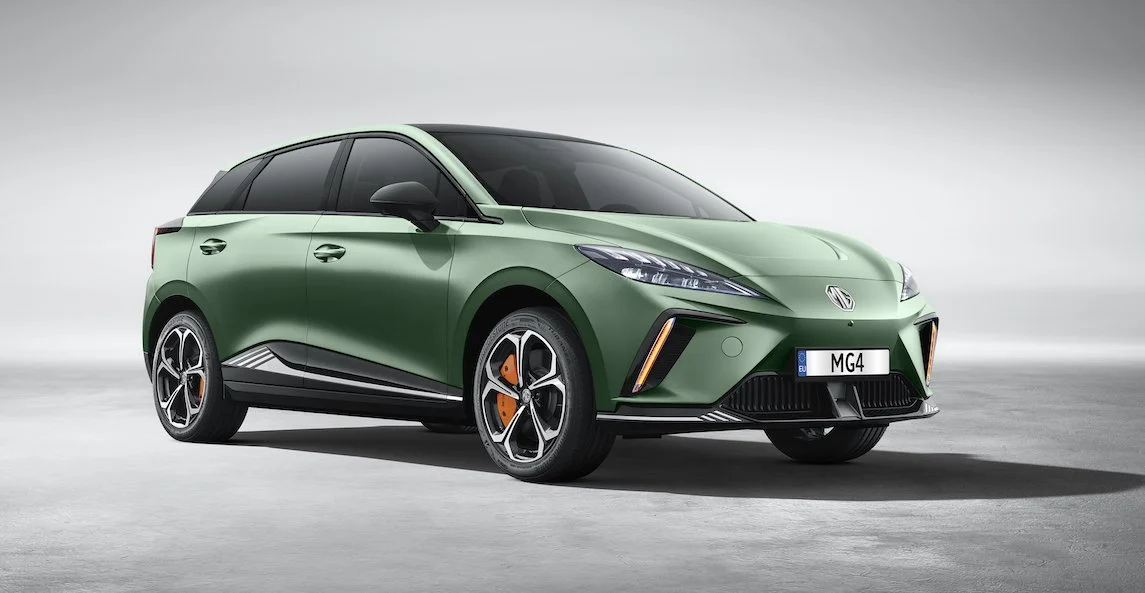
Driving Profile: 8,500 miles annually
Annual eVED: £255 (£21.25/month)
The MG4 remains excellent value even with eVED, delivering strong cost advantages over petrol hatchbacks. Through salary sacrifice, combined eVED and running costs remain substantially lower than combustion engine alternatives.
With its impressive 281-mile range, responsive handling, and competitive pricing, the MG4 demonstrates that affordable electric cars can deliver premium experiences without premium costs—even after eVED introduction.
Family Vehicle: Volkswagen ID.4
Driving Profile: 10,000 miles annually
Annual eVED: £300 (£25/month)
Perfect for families needing space. With the increased Expensive Car Supplement threshold and extended grant support, the ID.4 becomes even more accessible through salary sacrifice.
The ID.4 offers up to 351 miles of range, spacious interior for car seats and children, and excellent boot space for family adventures. The £25 monthly eVED charge is easily offset by the substantial fuel savings compared to a petrol family SUV, which would cost approximately £83 monthly in fuel for the same mileage.
Premium Option: Tesla Model Y
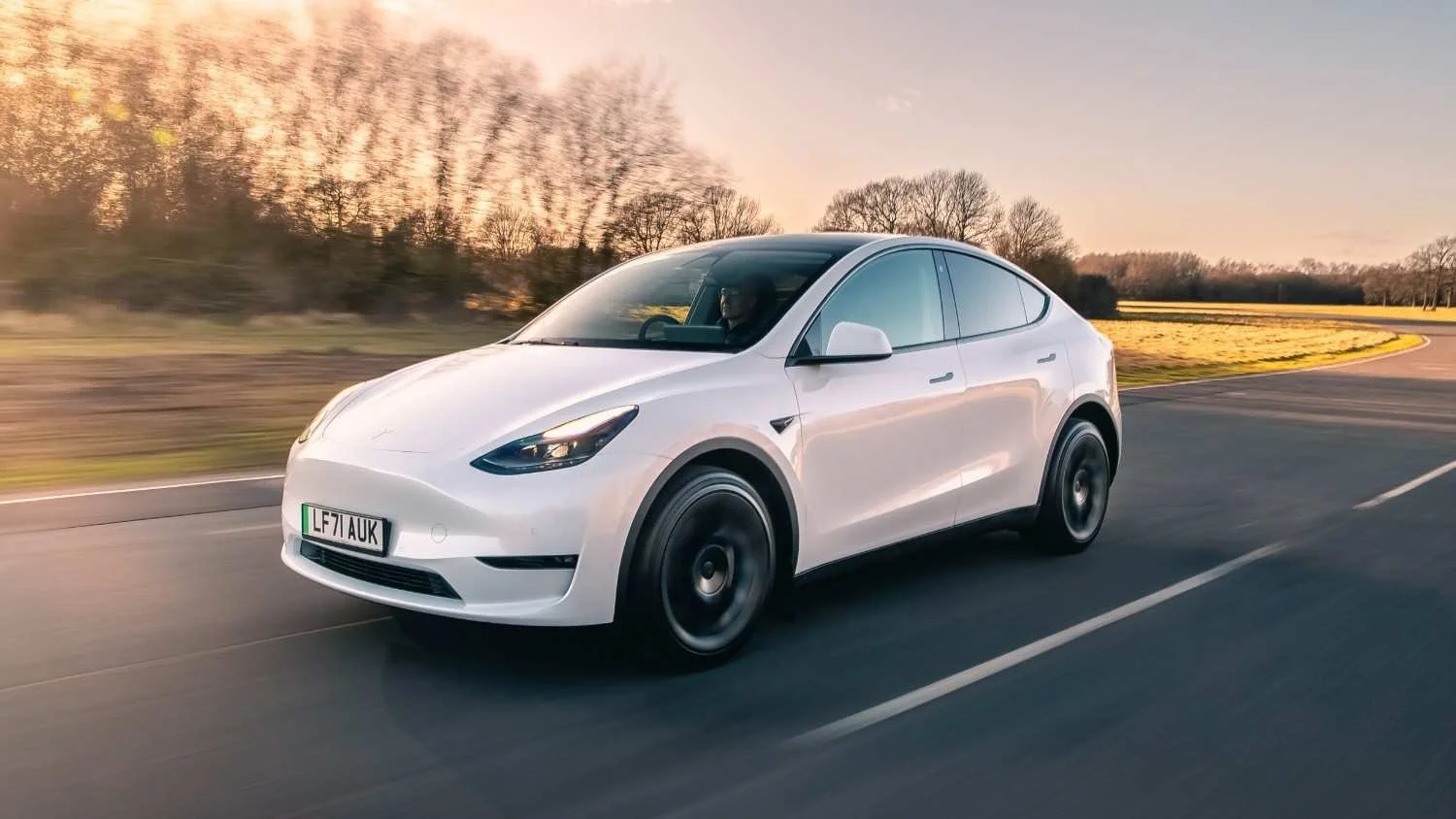
Driving Profile: 12,000 miles annually
Annual eVED: £360 (£30/month)
Benefits significantly from the Expensive Car Supplement threshold increase (£40,000 to £50,000). This saves qualifying Model Y drivers £440 annually in ECS versus current rules.
Net saving from Budget changes: £80/year (£440 ECS saving minus £360 eVED charge)
The Tesla Model Y through salary sacrifice delivers exceptional value—combining industry-leading technology, impressive up to 373-mile range, and the Supercharger network. With eVED costing just £30 monthly whilst the Expensive Car Supplement saves £34 monthly, Budget 2025 actually improved the Tesla value proposition.
Planning for April 2028: What Should You Do Now?
If You're Considering an EV Now
Joining an electric car salary sacrifice scheme now means benefiting from current road tax exemptions for your entire 2-4 year lease, plus accessing the full £3.6bn support package immediately.
Actions to take:
Use our savings calculator to model eVED alongside salary sacrifice benefits
Browse the best electric cars available through salary sacrifice schemes
Understand how salary sacrifice works and the tax benefits available
Lock in exceptional value before April 2028
By ordering now, you'll enjoy 2.5 years (April 2025 to April 2028) with just £10-190 annual VED before eVED introduction. On a typical 3-year lease starting today, you'll pay eVED for less than one year—maximising your savings whilst transitioning to sustainable motoring.
If You're Currently in a Salary Sacrifice Lease
Most 2-4 year leases end before or shortly after April 2028, meaning you'll benefit from road tax exemption for most or all of your lease term. When considering your next vehicle:
Factor eVED costs into your next lease decision with certainty
Benefit from potential grant extensions if still available when you renew
Review how much you could save on your next electric car salary sacrifice arrangement
Consider longer-range EVs for maximum efficiency and reduced charging frequency
The transition between leases provides an excellent opportunity to reassess your vehicle needs, explore the latest electric vehicle models, and ensure you're maximising both the financial and environmental benefits of electric motoring.
For High-Mileage Drivers
Even at 20,000 miles annually (£600 eVED per year), you'll pay substantially less than the £1,200+ in fuel duty paid by equivalent petrol vehicles. Combined with salary sacrifice savings of 20-50%, electric vehicles deliver exceptional value compared to petrol equivalents.
Recommended action: Consider longer-range EVs for maximum efficiency and cost-effectiveness. Models with ranges exceeding 300 miles reduce charging frequency, provide greater flexibility for journey planning, and deliver lower per-mile costs through improved efficiency.
High-mileage drivers should also explore The Charge Scheme for additional savings on charging costs, and consider workplace charging opportunities that can further reduce overall motoring expenses.
For Employers
The pay-per-mile announcement came alongside long-term policy certainty—salary sacrifice electric car schemes remain protected until 2030.
Offering electric car salary sacrifice provides no net cost to your business to run the scheme
Demonstrates corporate commitment to sustainability and net zero goals
Attracts and retains environmentally conscious talent through valuable employee benefits
Review how Budget 2025 strengthens employee value propositions
With Complete Employer Protection from day one, employers face zero financial risk whilst offering one of the UK's most sought-after employee benefits. The eVED introduction doesn't change this fundamental value—if anything, the accompanying £3.6bn support package strengthens the business case for offering salary sacrifice schemes.
Frequently Asked Questions: eVED (Pay-Per-Mile Road Tax)
General Questions
What is eVED?
eVED (electric Vehicle Excise Duty) is a mileage-based pay-per-mile car tax on battery electric and plug-in hybrid cars starting from April 2028. It charges 3 pence per mile for fully electric vehicles and 1.5 pence per mile for plug-in hybrids, replacing the fuel duty that petrol and diesel drivers pay at the pump. The system ensures that as the UK transitions to electric vehicles, road infrastructure funding remains sustainable whilst maintaining substantial cost advantages for zero-emission motoring.
When Does eVED Start?
eVED begins on 1 April 2028. The government's consultation ran from 26 November 2025 to 18 March 2026, and its response, published on 13 July 2026, confirmed the policy will proceed broadly as designed, with several simplifications made in response to feedback. This extended consultation period means the system addresses practical concerns before launch, learning from international examples of distance-based taxation whilst adapting to UK-specific requirements.
Is eVED the Same As Road Tax?
No. eVED is separate from but integrated with Vehicle Excise Duty (road tax). From April 2028, electric car owners will pay both the standard VED rate (currently £200 annually) plus eVED based on miles driven. This dual system ensures fair contribution to road funding whilst recognising the efficiency and environmental benefits of electric vehicles. Learn more about current VED rates for electric cars.
Will eVED Rates Increase?
Yes. Rates will be uprated annually from 2029-30 in line with CPI inflation to maintain real-terms value. The initial 3p per mile rate for electric vehicles and 1.5p per mile for plug-in hybrids applies from April 2028, providing certainty for long-term financial planning. This inflation-indexing mirrors how fuel duty has historically been adjusted, ensuring the system remains fair as the cost of living changes.
Payment & Verification
How Do I Pay eVED?
You estimate your annual mileage at VED renewal, pay the estimated eVED charge alongside your VED (monthly, bi-annually, or annually), then submit actual mileage at year-end for reconciliation. The system integrates with existing DVLA payment channels, making the process straightforward and familiar. Payment options provide flexibility to spread costs throughout the year, avoiding large lump-sum payments that might strain household budgets.
Do I Need a Tracker In My Car For eVED?
No. The government consultation confirms "there will be no requirement to report where and when miles are driven or install trackers in cars". Privacy is fully protected through a user-reported system verified at MOT tests. This privacy-first approach addresses legitimate concerns about government surveillance whilst maintaining system integrity through simple, tamper-resistant verification methods.
How is eVED Mileage Checked?
For cars over three years old, mileage is recorded at annual MOT tests with no additional steps required. Cars under three years old follow the same process; the government dropped the proposed separate anniversary checks for newer cars in its July 2026 response, after feedback that they added unnecessary complexity. The system uses existing infrastructure, avoiding the need for expensive new technology or complex tracking systems that might compromise driver privacy.
What Happens if I Drive More Miles Than I Estimated?
DVLA will calculate a balancing payment at year-end. You can either make a single payment or adjust the following year's payments to spread the liability. The government is developing guidance to help motorists estimate accurately based on previous MOT records and typical driving patterns. Small over-estimates won't result in penalties—the system is designed to be forgiving and practical.
What If I Drive Less Than I Estimated?
You receive a credit carried forward to offset against next year's eVED liability. The July 2026 response confirmed that refunds over £100 can be self-certified, with DVLA developing automated systems for managing credits and refunds, ensuring the process is seamless and doesn't require manual intervention. If you significantly overestimate mileage, you can request a refund rather than carrying forward large credits, providing flexibility for changing circumstances.
Scope & Applicability
Will eVED Apply to Electric Vans?
No. Electric vans, buses, coaches, motorcycles, and HGVs are out of scope when eVED launches in April 2028. Only battery electric and plug-in hybrid cars will be charged initially. The phased approach allows the government to refine the system using passenger cars before extending to commercial vehicles, ensuring lessons learned improve implementation for fleet operators and business users.
Do Disabled Drivers Pay eVED?
Yes. Drivers receiving VED exemptions through disability benefits (Disability Living Allowance or Personal Independence Payment) must pay eVED, as they are not exempt from fuel duty. VED exemptions continue as normal, maintaining existing support for disabled motorists whilst ensuring fair contribution to road funding. The distinction recognises that VED exemption addresses vehicle taxation specifically, whilst eVED operates as a usage-based charge similar to fuel duty.
How Does eVED Work With Salary Sacrifice?
Electric car salary sacrifice schemes through The Electric Car Scheme deliver 20-50% savings that substantially exceed electric car pay-per-mile tax costs. The 4% Benefit-in-Kind rate remains protected until 2030, maintaining exceptional value even with eVED added from 2028. For a typical lease covering 10,000 miles annually, the £300 eVED charge is easily offset by the £2,000-5,000 annual savings from salary sacrifice tax benefits.
How Does eVED Work if I Lease My Car?
For leased vehicles, the lessor (leasing company) remains the registered keeper responsible for VED and eVED payments. The July 2026 consultation response confirmed simplified, bulk-level reporting arrangements for fleet and leasing businesses, rather than the per-vehicle administration originally proposed. For salary sacrifice arrangements. The Electric Car Scheme handles all taxation administration. All you have to do is drive, whilst we manage the complexity.
Cost Comparison
How Does eVED Compare To Petrol Car Fuel Duty?
The average petrol driver pays approximately £480 annually in fuel duty at 6 pence per mile. Electric vehicle drivers will pay £255 annually for equivalent mileage (8,500 miles) at 3 pence per mile—approximately half the rate. This substantial saving maintains even after eVED introduction, ensuring electric cars remain cheaper to run than petrol alternatives. When combined with lower maintenance costs, reduced insurance premiums, and salary sacrifice savings, the total cost advantage becomes overwhelming.
What's The eVED Rate For Plug-In Hybrids?
Plug-in hybrids pay 1.5 pence per mile, which is half the rate for fully electric vehicles. This recognises that PHEVs continue paying fuel duty on petrol-powered miles whilst also using electric charging. The differentiated pay-per-mile tax hybrid car rate encourages electrification without unfairly penalising transitional technology, providing a balanced approach that supports the UK's journey towards zero-emission motoring.
Will This Make Electric Cars Less Attractive?
Not at all. Budget 2025 announced £3.6bn in new support, increased the Expensive Car Supplement threshold, and confirmed 4% BiK rates until 2030. EVs remain substantially cheaper than petrol alternatives even with eVED. The comprehensive support package ensures that the overall value proposition for electric vehicles strengthens despite introducing distance-based taxation, with government investment exceeding the revenue raised from eVED in its early years.
Planning & Action
Should I wait until after 2028 to get an EV?
Absolutely not. Joining electric car salary sacrifice schemes now means benefiting from current road tax exemptions for your entire 2-4 year lease, plus accessing the full £3.6bn support package immediately. Waiting until 2028 means missing out on thousands in road tax savings, potentially losing access to extended grants, and delaying your transition to lower running costs and reduced maintenance expenses.
What should I do right now?
Calculate your savings with The Electric Car Scheme
Browse available electric vehicles
Understand how salary sacrifice works and the tax benefits available
Lock in current exemptions and benefits before April 2028
Taking action now maximises your savings through the transition period, ensures you don't miss grant opportunities, and starts your journey towards sustainable motoring with full financial certainty about future taxation.
Conclusion: Why eVED Doesn't Change the EV Story
Despite introducing distance-based taxation, electric vehicles remain substantially cheaper to run than petrol alternatives. When combined with The Electric Car Scheme's 20-50% salary sacrifice savings, comprehensive included benefits, and The Charge Scheme for charging costs, there has never been a better time to switch to electric.
The Numbers Tell the Story:
eVED at 3p per mile (EVs) versus 6p per mile fuel duty (petrol)
£3.6bn government support package maintaining exceptional value
Protected 4% BiK rates until 2030 for salary sacrifice
£440 annual savings from Expensive Car Supplement threshold increase
Additional savings from The Charge Scheme for salary sacrifice charging
For the average driver paying £255 annually in pay-per-mile road tax from 2028, the support package delivers £440-700 in combined savings. This is a net positive outcome that strengthens rather than weakens the financial case for electric vehicle ownership.
The introduction of eVED is no longer a proposal. The government has carefully balanced this new charge with unprecedented support measures that maintain, and in many cases enhance, the value proposition for electric driving. Figures in this article reflect confirmed government policy ahead of legislation, and will be updated as the eVED rules pass into law.
The road ahead is clear, costs are confirmed, and electric vehicles remain the most economical and environmentally responsible choice for UK drivers. With salary sacrifice schemes delivering 20-50% savings, protected BiK rates, and comprehensive support from both government and The Electric Car Scheme, the future of motoring is electric, and remarkably affordable.
Take Action Today
For Employees
Calculate your savings using our EV savings calculator tool
Browse the best electric cars available through salary sacrifice
Start saving on your next vehicle before eVED begins in April 2028
Explore how salary sacrifice works and the benefits available
For Employers
Book a demo to explore offering salary sacrifice schemes
Review how Budget 2025 strengthens your employee value proposition
Demonstrate corporate commitment to sustainability whilst offering genuine employee benefits
Discover why businesses should set up salary sacrifice schemes
Ready to start saving? Contact The Electric Car Scheme today to benefit from the UK's most cost-effective route to electric vehicle ownership—both now and after eVED begins in 2028.
Are you an employer?
BOOK A DEMOAre you an employee?
SEE AVAILABLE CARSECS GUIDES AND ADVICE
Ready to Go Electric? Your Guides and Tools to a Smooth Switch
-
 How the Scheme Works
Find out how salary sacrifice can work for you or your business.
-
 The Charge Scheme
Save 20-50% on all charging costs through salary sacrifice - at home, the office, or in public..
-
 Complete Employer Protection
All employers and drivers are protected from day 1.
-
 Used Electric Cars
Discover the most affordable way to drive electric. Cars delivered in 14 days.
You might also like…



The information provided on this blog is for general informational purposes only and should not be construed as tax advice or accountancy services. We are not qualified accountants or tax advisors, and nothing on this site should be relied upon as professional advice tailored to your specific circumstances. Tax laws and regulations are complex and subject to change, and individual situations vary considerably. For specific guidance regarding your tax obligations, financial planning, or accounting matters, we strongly recommend that you consult with a qualified accountant, tax advisor, or other appropriate professional who can assess your particular situation. We accept no liability for any loss or damage arising from reliance on the content provided on this blog.
Last updated: 29/07/2026
Our pricing is based on data collected from The Electric Car Scheme quote tool. All final pricing is inclusive of VAT. All prices above are based on the following lease terms; 10,000 miles pa, 36 months, and are inclusive of Maintenance and Breakdown Cover. The Electric Car Scheme’s terms and conditions apply. All deals are subject to credit approval and availability. All deals are subject to excess mileage and damage charges. Prices are calculated based on the following tax saving assumptions; England & Wales, 40% tax rate. The above prices were calculated using a flat payment profile. The Electric Car Scheme Limited provides services for the administration of your salary sacrifice employee benefits. The Electric Car Scheme Holdings Limited is a member of the BVRLA (10608), is authorised and regulated by the FCA under FRN 968270, is an Appointed Representative of Marshall Management Services Ltd under FRN 667174, and is a credit broker and not a lender or insurance provider.
Copyright and Image Usage: All images used on this website are either licensed for commercial use or used with express permission from the copyright holders, in compliance with UK and EU copyright law. We are committed to respecting intellectual property rights and maintaining full compliance with applicable regulations. If you have any questions or concerns regarding image usage or copyright matters, please contact us at marketing@electriccarscheme.com and we will address them promptly.