New Electric Cars 2026: What's Arriving With the 76 Plate This Autumn

Four confirmed electric cars land with the 76 plate this autumn: the Volkswagen ID.Polo, Hyundai Ioniq 3, BMW i3 Neue Klasse and Range Rover Electric, arriving between 1 September 2026 and 28 February 2027. They join a run of models already on sale, including the Toyota Urban Cruiser, Kia PV5 Passenger, Nissan LEAF and Volvo ES90, all available through electric car salary sacrifice from £327 a month net for a 40% taxpayer.
In this guide, we’ll cover pricing, range, and salary sacrifice costs for each model, updated monthly as cars move from "confirmed" to "available to order" and through the 76-plate window.
Why Is Autumn 2026 Such a Big Moment for New Electric Cars in the UK?
2026 has brought (what feels like) a wave of new launches. This has been driven by regulation, competition from Chinese and Chinese-backed manufacturers, and advancements in battery technology. Several models billed as "coming soon" earlier this year are now on UK driveways.
The government's zero-emission vehicle (ZEV) mandate is the main catalyst. It requires manufacturers, not employers, to sell a rising share of zero-emission cars each year, climbing to 80% of new cars by 2030. That pressure has pushed manufacturers to bring launches forward rather than stagger them over several years.
That regulatory pressure has been met with competition:
Toyota, Nissan, and Volvo have all launched entirely new EV platforms in 2026, rather than adapting older combustion-based designs
Chinese and Chinese-backed brands such as NIO and BYD's Denza are entering the UK with right-hand-drive production underway, widening choice at every price point.
Battery and charging technology have matured to the point where 800-volt architectures, once reserved for flagship models, now appear in family-sized SUVs and saloons
For UK drivers, this means more genuine choice at every budget than at any point since EVs went mainstream. Combined with salary sacrifice schemes that cut costs by 20-50%, even premium 2026 launches are within reach for many more employees.
Which EVs Are Landing With the 76 Plate This Autumn?
Four models are confirmed for the 76-plate window this autumn: the Volkswagen ID.Polo, Hyundai Ioniq 3, BMW i3 Neue Klasse and Range Rover Electric. Each can be tracked now and quoted through The Electric Car Scheme as pricing and order dates are confirmed.
| Model | Price from | Range (WLTP) | On sale from |
|---|---|---|---|
| Volkswagen ID.Polo | £23,945 | Up to 281 miles | 10 September 2026 |
| Hyundai Ioniq 3 | Under £25,000 (est.) | Up to 308 miles | Autumn 2026, date TBC |
| BMW i3 Neue Klasse | ~£55,000 (industry estimate, unconfirmed) | Not yet confirmed | Autumn 2026, date TBC |
| Range Rover Electric | Not yet confirmed | 300+ miles (expected) | Order books expected Q4 2026 |
Volkswagen ID.Polo
The Volkswagen ID.Polo brings one of VW's best-known nameplates fully electric for the first time. Series-production Life and Style trims go on sale from 10 September 2026, timed almost exactly with the 76 plate, and every 52kWh, 211PS version qualifies for the government's £1,500 Electric Car Grant.
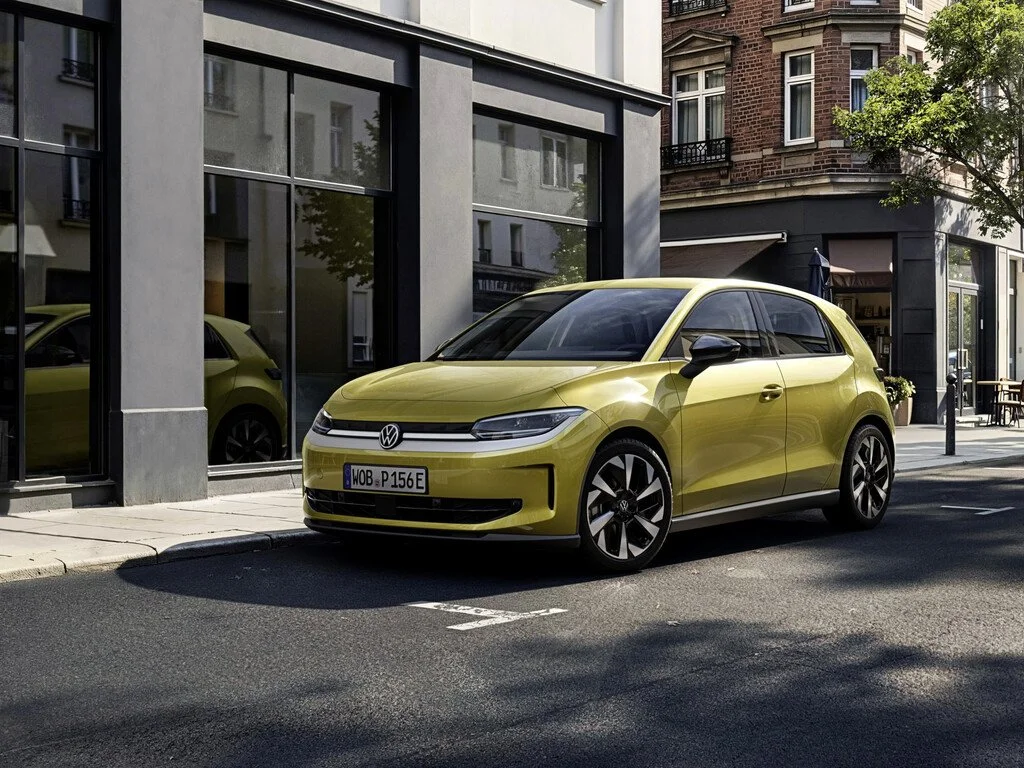
Key specifications:
Range: up to 281 miles (WLTP)
Price: from £23,945
Charging: up to 105kW DC, 10-80% in around 24 minutes
Batteries: 37kWh or 52kWh
Salary sacrifice net-monthly pricing is being confirmed with our quote tool ahead of publication.
Hyundai Ioniq 3
The Hyundai Ioniq 3 is a compact "Aero Hatch" sharing its platform with the Kia EV3, offering the longest range in this bracket by some margin. It's due in UK showrooms this autumn, inside the 76-plate window.
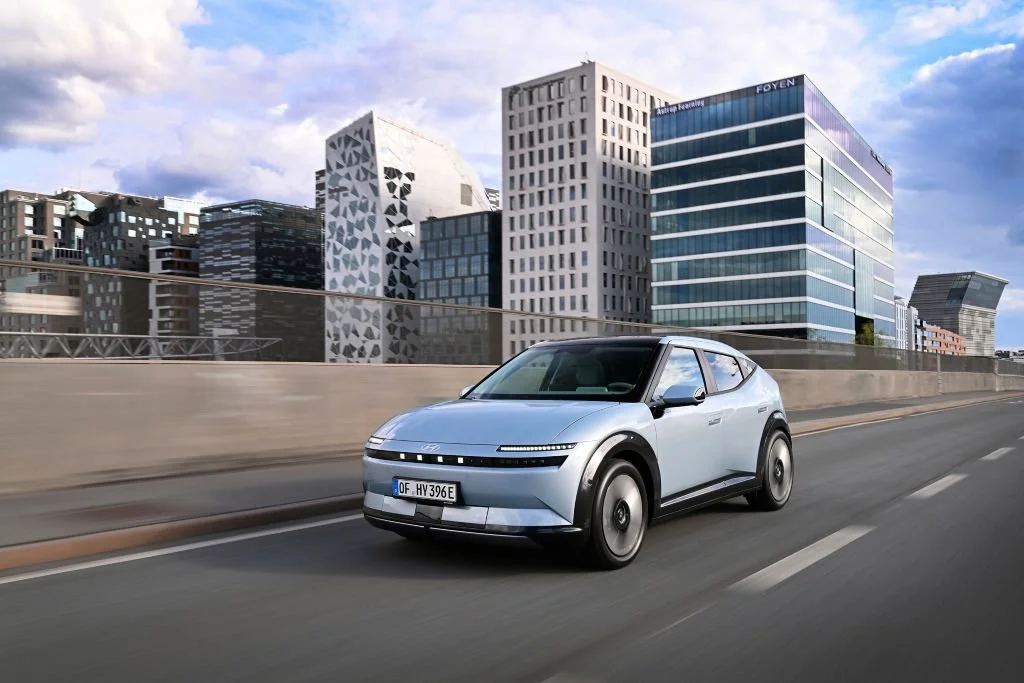
Key specifications:
Range: up to 308 miles (WLTP), 61kWh battery
Price: from under £25,000
Charging: rapid DC, 10-80% in around 29 minutes
Boot: 440 litres
BMW i3 Neue Klasse
The BMW i3 Neue Klasse revives a badge last used on BMW's carbon-tubbed city car, this time on a full-size electric saloon built on the same Neue Klasse platform as the iX3. It's expected to open order books this autumn, inside the 76-plate window.
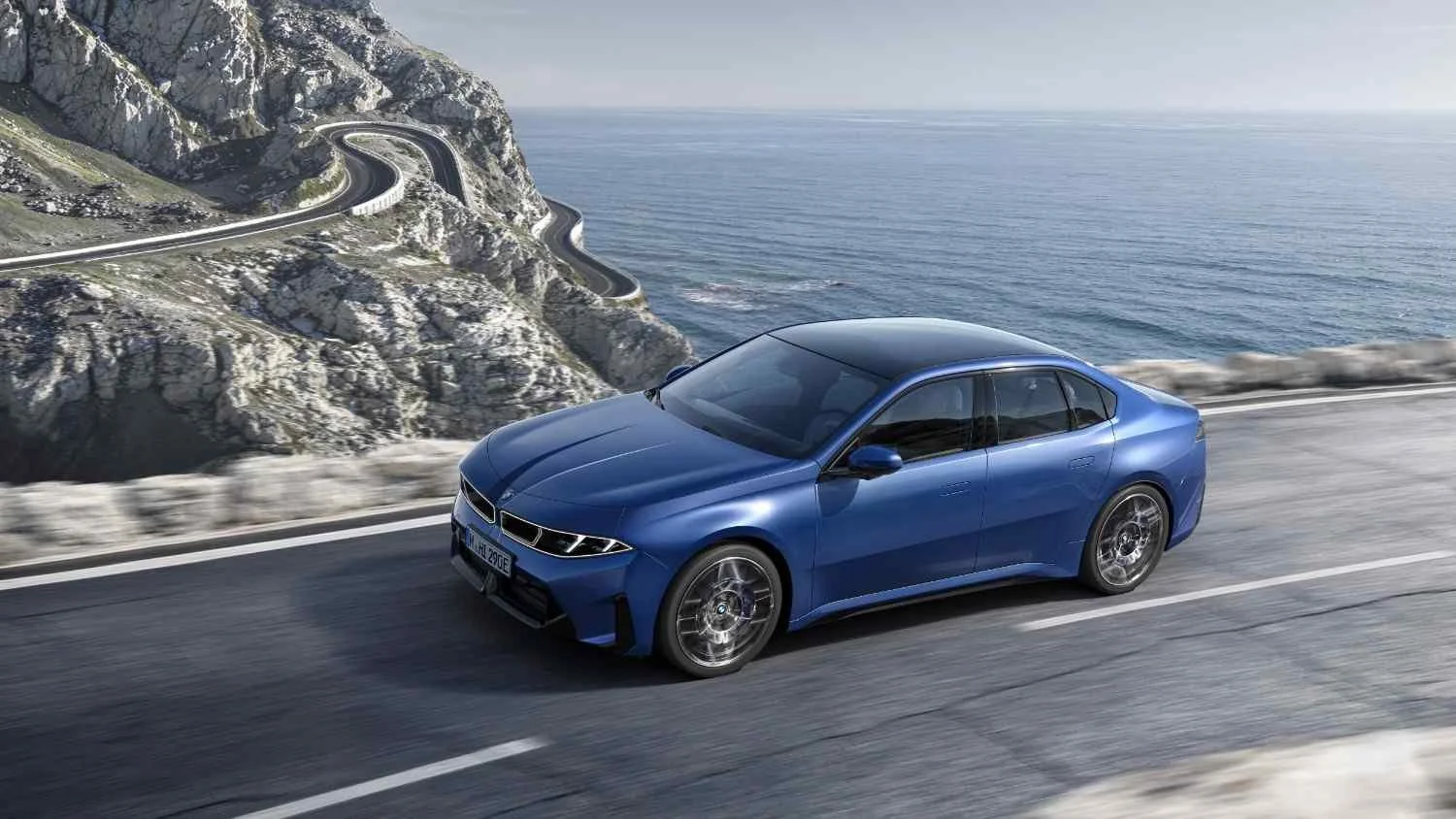
Key specifications:
Range: provisional, not yet confirmed by BMW UK
Price: not yet confirmed; industry estimates put it close to £55,000
Platform: 800-volt Neue Klasse, up to 400kW charging
Rivals: BMW i4, Mercedes CLA Electric
Both pricing and salary sacrifice figures remain unconfirmed; we'll update this profile as soon as BMW UK releases them.
Range Rover Electric
The Range Rover Electric is Land Rover's first battery-electric model, previewed repeatedly through 2026 but still without a confirmed UK price. Order books are expected to open in Q4 2026.
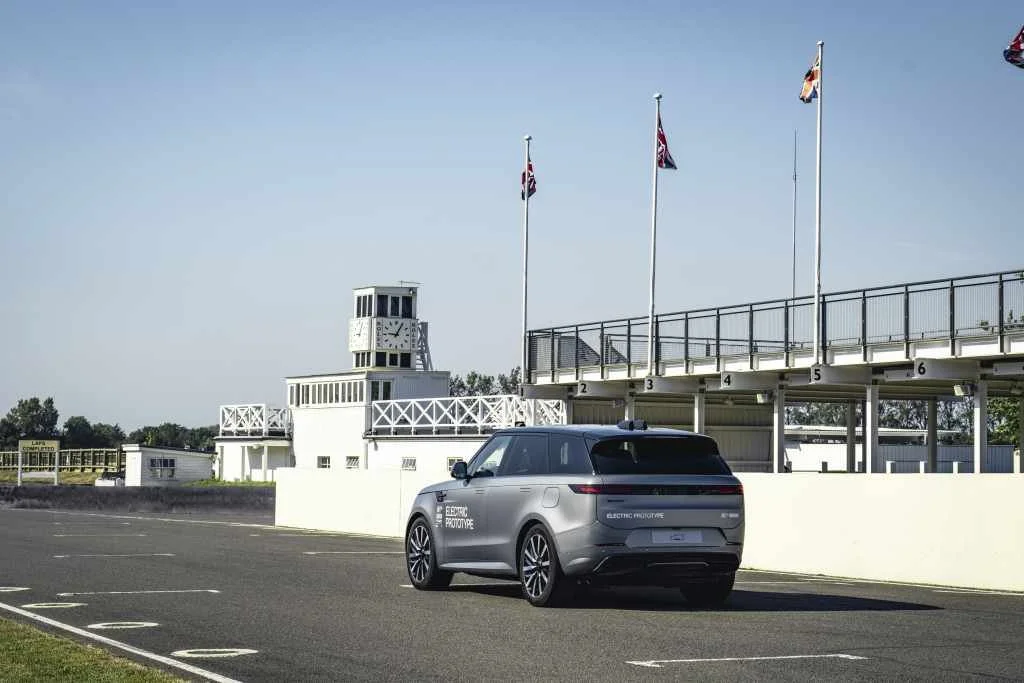
Key specifications:
Range: 300+ miles expected
Price: not yet confirmed; early estimates sit close to the V8 Autobiography's list price
Battery: 118kWh
Charging: 800-volt architecture
76-Plate Arrivals By Segment
The four confirmed 76-plate models span two clear brackets: compact and family-focused, or premium and flagship.
Small and family EVs: Volkswagen ID.Polo (from £23,945) and Hyundai Ioniq 3 (from under £25,000), both aimed at buyers replacing a combustion supermini or family hatchback.
Premium and flagship EVs: BMW i3 Neue Klasse and Range Rover Electric, both unpriced but positioned against established six-figure and near-£70,000 rivals such as the Mercedes CLA Electric [Insert internal link to: /blog/mercedes-cla-electric-492-mile-range] and Volvo ES90 [Insert internal link to: /blog/volvo-es90-launch-review].
For employers building a scheme around a broad car list, this split matters: the ID.Polo and Ioniq 3 extend salary sacrifice eligibility to lower salary bands, while the i3 Neue Klasse and Range Rover Electric give senior employees a genuine premium option once pricing lands.
Standout 76-Plate Launches
Beyond the confirmed four, several first-look profiles are worth tracking as order books open this autumn.
Jaguar's Type 01 (formerly previewed as the Type 00 concept) is expected to open order books in the second half of 2026, with deliveries around 12 months later.
BYD's Denza sub-brand is confirmed for UK launch during 2026, though an exact date hasn't been set.
NIO Firefly has confirmed UK plans but hasn't announced a launch date.
None of these three currently sit inside the confirmed 76-plate window; they're included here as models to watch as autumn 2026 progresses
Should I Order Now or Wait for the 76 Plate?
Seven models are already on sale ahead of the 76 plate, so buyers don't need to wait if a current model fits. The table below sets today's confirmed on-sale cars against the four still to come.
| Model | Price from | Range (WLTP) | Salary sacrifice (40% taxpayer) | Status |
|---|---|---|---|---|
| Toyota Urban Cruiser | £30,850 | 264 miles | £327/month net | On sale now |
| Kia PV5 Passenger | £33,195 | 243 miles | £414/month net | On sale now |
| Nissan LEAF | £32,249 | 386 miles | £376/month net | On sale now |
| Volvo ES90 | £69,650 | 435 miles | £905/month net | On sale now |
| Honda Super-N | £18,995 | 128 miles | TBC | On sale now |
| Cupra Raval | £23,785 | Up to 280 miles | £399/month net | On sale now |
| BMW iX3 | £53,250 (iX3 40) / £58,755 (iX3 50 xDrive) | Up to 500 miles | TBC | On sale now |
| Volkswagen ID.Polo | £23,945 | Up to 281 miles | TBC | 76 plate, from 10 Sept 2026 |
| Hyundai Ioniq 3 | Under £25,000 (est.) | Up to 308 miles | TBC | 76 plate, date TBC |
| BMW i3 Neue Klasse | Unconfirmed | Unconfirmed | TBC | 76 plate, date TBC |
| Range Rover Electric | Unconfirmed | 300+ miles (expected) | TBC | 76 plate, Q4 2026 |
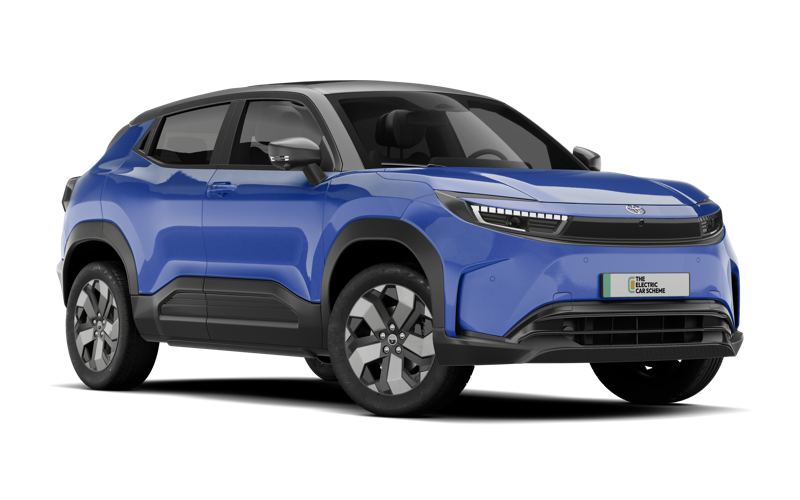
Toyota Urban Cruiser
The Toyota Urban Cruiser is Toyota's most affordable electric model, developed alongside Suzuki's eVitara and positioned to bring Toyota's reliability reputation to budget-conscious buyers.
Key specifications:
Range: up to 264 miles (WLTP), depending on battery
Price: from £30,850
Charging: 67kW DC, 10-80% in around 45 minutes
Battery options: 49kWh or 61kWh
Through salary sacrifice, the Urban Cruiser costs £449 a month before tax relief, dropping to £327 a month net for a 40% taxpayer once income tax and National Insurance savings apply, including insurance, maintenance, and breakdown cover.
Kia PV5 Passenger
The Kia PV5 Passenger transforms Kia's commercial PBV platform into a practical passenger MPV, filling a gap in the market for spacious, affordable family transport. A seven-seat variant joined the range in June 2026, adding genuine three-row capability alongside the original five-seat model.

Key specifications:
Range: up to 243 miles (WLTP), Long Range battery
Price: from £33,195 (five-seat), from £36,995 (seven-seat)
Charging: 150kW DC, 10-80% in under 30 minutes
Seating: five or seven seats, flat-floor E-GMP.S platform
Through salary sacrifice, the five-seat PV5 Passenger costs £601 a month before tax relief, dropping to £414 a month net for a 40% taxpayer once income tax and National Insurance savings apply.
Nissan LEAF
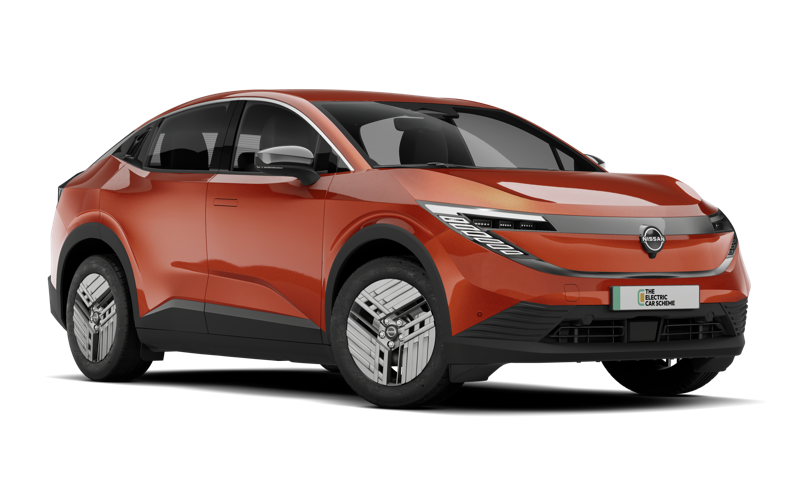
The third-generation Nissan LEAF abandons the hatchback format of its predecessors for a crossover SUV design and was named Auto Express's 2026 Car of the Year. It's built at Nissan's Sunderland plant, supporting UK manufacturing jobs while qualifying for full salary sacrifice benefits.
Key specifications:
Range: up to 386 miles (WLTP), 75kWh battery
Price: from £32,249 (after the government's Electric Car Grant)
Charging: 150kW DC, over 200 miles added in around 30 minutes
Design: crossover SUV, drag coefficient of 0.25
Before salary sacrifice, the LEAF would cost £526 a month. However, if you do choose to get your EV through a salary sacrifice scheme, the overall cost would drop to £376 a month net for a 40% taxpayer after income tax and National Insurance savings.
Volvo ES90
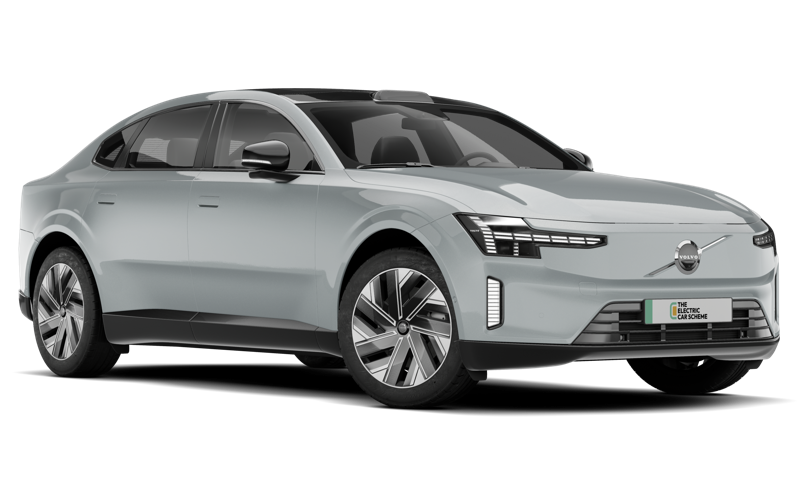
The Volvo ES90 is Volvo's flagship electric saloon, positioned to compete with the BMW i5 and Mercedes EQE. It's the first Volvo built on an 800-volt platform, and early reviews from the UK motoring press have been positive on comfort and charging speed.
Key specifications:
Range: up to 435 miles (WLTP), Twin Motor
Price: from £69,650
Charging: up to 350kW DC, 10-80% in around 20 minutes
Platform: SPA2, Volvo's first 800V architecture
Through salary sacrifice, the ES90 costs £1,330 a month before tax relief, dropping to £905 a month net for a 40% taxpayer, a significant reduction against a list price nearing £70,000.
Mercedes CLA Electric
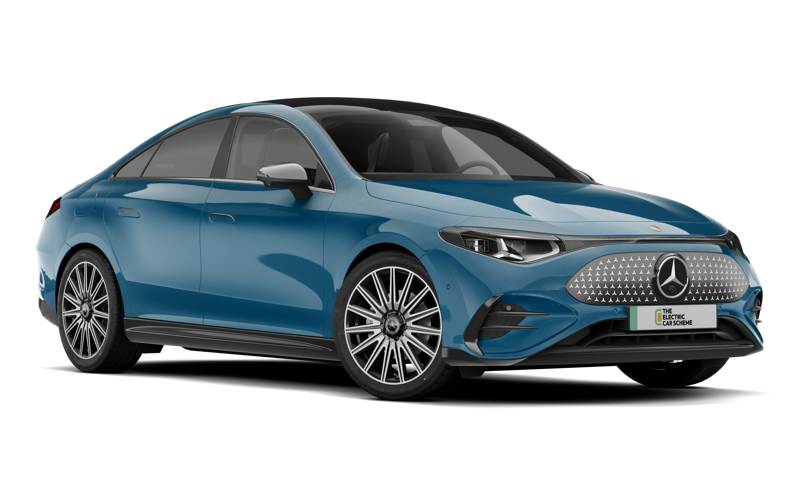
The Mercedes CLA Electric is the range leader among 2026's new arrivals, with a claimed 492-mile WLTP figure from exceptional aerodynamic efficiency and Mercedes' latest 800-volt battery technology, effectively removing range anxiety for regular long-distance drivers. Salary sacrifice pricing varies by specification.
Honda Super-N

The Honda Super-N is the cheapest model in this guide by a clear margin, built on the lightweight platform behind Japan's N Series kei cars and offering 128 miles of combined WLTP range from a 29.6kWh battery. Salary sacrifice net-monthly pricing is being confirmed with our quote tool.
Cupra Raval
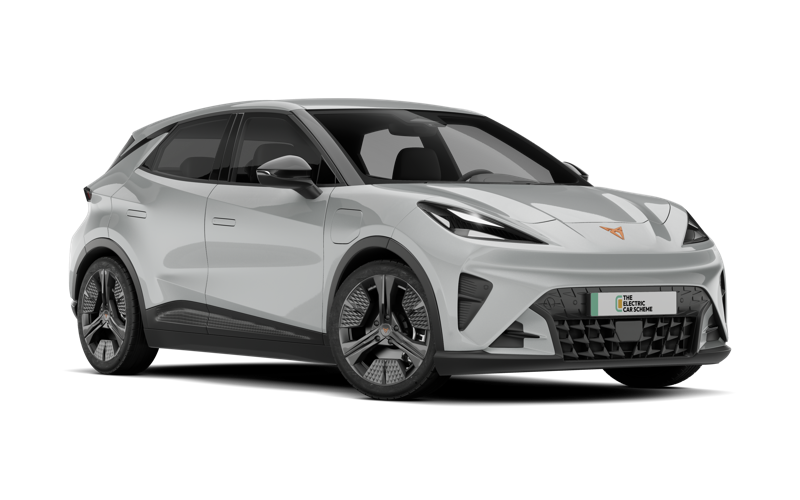
The Cupra Raval is Cupra's first small electric hatchback, sharing underpinnings with the Volkswagen ID.Polo but tuned for a sportier drive, with up to 280 miles of WLTP range from £23,785.
BMW iX3
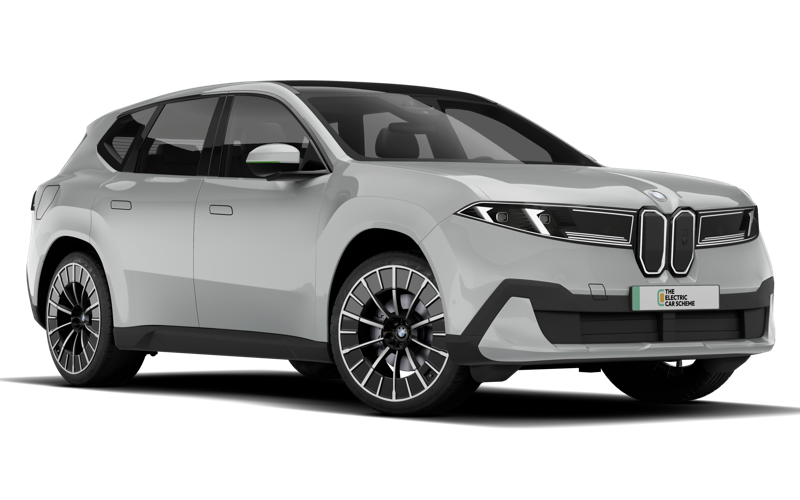
The BMW iX3 is the first model on BMW's new Neue Klasse platform, available as the rear-wheel-drive iX3 40 from £53,250 or the dual-motor iX3 50 xDrive from £58,755, the latter now claiming a class-leading 500-mile WLTP range. Salary sacrifice pricing varies by variant and specification.
Net Monthly Cost on Salary Sacrifice, Model by Model
Salary sacrifice reduces the cost of a new electric car by paying for it from gross salary, before income tax and National Insurance are deducted. Employees typically save 20-50% compared with a personal lease, depending on tax bracket and the car chosen.
| Priority | Best Choice | Why |
|---|---|---|
| Best for families | Kia PV5 Passenger | Seven-seat option, flat-floor loading, from £414/month net |
| Longest range | BMW iX3 50 xDrive | Up to 500-mile claimed WLTP range |
| Most affordable | Honda Super-N | From £18,995, the cheapest model in this guide |
| Best for business | Volvo ES90 | 800V rapid charging, professional image, from £905/month net |
| Best 76-plate pick | Volkswagen ID.Polo | On sale from 10 September 2026, from £23,945, £1,500 grant-eligible |
Here's how that works using the Toyota Urban Cruiser as a real example. At a gross monthly sacrifice of £449, a 40% taxpayer sees:
Income tax saving: £180 a month
National Insurance saving: £9 a month
Benefit-in-Kind tax added back: £66 a month, at the 4% rate for 2026/27
Net cost: £327 a month
That £327 figure already includes insurance, maintenance, breakdown cover, and road tax, not added on top. Your own savings depend on your salary, tax band, and specification, so treat the figures above as a guide rather than a quote. HMRC's guidance on company car and Benefit-in-Kind tax sets out the underlying calculation.
How to Reserve Your Car for the 76 Plate
Order timing matters more for the 76 plate than for a standard on-sale date, since manufacturers typically allocate early production runs to the first buyers who reserve. For any of the four confirmed 76-plate models, employees can register interest through The Electric Car Scheme's quote tool [Insert internal link to: /ev-salary-sacrifice-calculator] now, ahead of full pricing confirmation, so a scheme quote is ready as soon as net-monthly figures land.
Employers running a scheme should flag the 76-plate window to staff early, since demand for grant-eligible models such as the ID.Polo tends to concentrate around the plate-change date. Employees comparing "order now" against "wait for the 76 plate" should weigh a confirmed on-sale car against a longer wait for potentially higher demand and limited early allocation.
How Do You Save 20-50% on a New Electric Car Through Salary Sacrifice?
Salary sacrifice reduces the cost of a new electric car by paying for it from your gross salary, before income tax and National Insurance are deducted. Employees typically save 20-50% compared with a personal lease, depending on your tax bracket and the car you choose.
Here's how that works using the Toyota Urban Cruiser as a real example. At a gross monthly sacrifice of £449, a 40% taxpayer sees:
Income tax saving: £180 a month
National Insurance savings: £9 a month
Benefit-in-Kind tax added back: £66 a month, at the 4% rate for 2026/27
Net cost: £327 a month
That £327 figure already includes insurance, maintenance, breakdown cover, and road tax, not added on top. The complete package through The Electric Car Scheme typically includes:
The vehicle itself
Insurance
Maintenance and servicing
Breakdown cover
Road tax
Optional home charger installation
Drivers can also access The Charge Scheme to salary sacrifice EV charging costs, saving a further 20-50% on the electricity to power your car. Your own savings depend on your salary, tax band, and specification, so treat the figures above as a guide rather than a quote. HMRC's guidance on company car and Benefit-in-Kind tax sets out the underlying calculation.
Employers pay no net cost to run a salary sacrifice scheme, and save 15% employer National Insurance on the value sacrificed by each employee. Every scheme through The Electric Car Scheme is covered by Complete Employer Protection from day one, protecting the business against risks like an employee leaving or being unable to work, without needing separate insurance.
Frequently Asked Questions
Is It a Good Idea to Buy an EV in 2026?
For most drivers, 2026 is a strong year to move to an EV, with the 4% Benefit-in-Kind rate for 2026/27 and a wider choice of new models than in any previous year. Through salary sacrifice, employees typically save 20-50% against a personal lease, which offsets much of the price premium some new EVs still carry.
What EVs Should I Stay Away From?
Rather than naming specific models, it's worth checking real-world range against your typical journeys, confirmed UK pricing rather than early estimates, and whether a car has completed UK-spec homologation before ordering. Models still shown as "estimated" or "TBC" on price and range, such as several of the 76-plate arrivals above, are worth waiting on until figures are confirmed.
What New EVs Are Coming in 2027?
Full 2027 launch details aren't yet confirmed. What is confirmed is the Benefit-in-Kind schedule: 5% in 2027/28, rising to 7% in 2028/29 and 9% in 2029/30, so salary sacrifice remains tax-efficient across that period even as new models continue to arrive
What New Electric Cars Are Coming Soon?
The Volkswagen ID.Polo, Hyundai Ioniq 3, BMW i3 Neue Klasse and Range Rover Electric are the confirmed arrivals for the 76-plate window this autumn. The Jaguar Type 01, BYD Denza and NIO Firefly are also expected in the UK during 2026, though none has a confirmed date yet.
What Happens to EVs After 8 Years?
Most EV batteries are warrantied for at least 8 years or 100,000 miles, and typically retain a large majority of their original capacity at that point. Through salary sacrifice, employees don't need to plan for this directly, since the vehicle is returned at the end of the lease term rather than owned outright.
Go Electric with a New EV Through The Electric Car Scheme
Autumn 2026's 76-plate window brings four confirmed arrivals to an already strong year of launches. Whether you want the grant-eligible Volkswagen ID.Polo, the practicality of the Hyundai Ioniq 3, or a premium option once the BMW i3 Neue Klasse and Range Rover Electric are priced, there's a 76-plate model to suit most budgets and a run of already-available cars if you don't want to wait.

The 4% Benefit-in-Kind rate for 2026/27, combined with salary sacrifice savings of 20-50%, makes now a strong time to switch. Don't let a list price put you off: through The Electric Car Scheme, even the Volvo ES90's near-£70,000 price tag becomes a manageable monthly cost once tax and National Insurance savings apply.
If you're weighing up which provider to use, our comparison of the best UK salary sacrifice providers covers how The Electric Car Scheme stacks up on protection, used EVs and charging.
Calculate Your Savings: Use our savings calculator to see exactly what any of these 2026 models would cost you, based on your own salary and tax band.
Are you an employer?
BOOK A DEMOAre you an employee?
SEE AVAILABLE CARSECS GUIDES AND ADVICE
Ready to Go Electric? Your Guides and Tools to a Smooth Switch
-
 How the Scheme Works
Find out how salary sacrifice can work for you or your business.
-
 The Charge Scheme
Save 20-50% on all charging costs through salary sacrifice - at home, the office, or in public..
-
 Complete Employer Protection
All employers and drivers are protected from day 1.
-
 Used Electric Cars
Discover the most affordable way to drive electric. Cars delivered in 14 days.
You Might Also Like…




Last updated: 10/07/2026
Our pricing is based on data collected from The Electric Car Scheme quote tool. All final pricing is inclusive of VAT. All prices above are based on the following lease terms; 10,000 miles pa, 36 months, and are inclusive of Maintenance and Breakdown Cover. The Electric Car Scheme's terms and conditions apply. All deals are subject to credit approval and availability. All deals are subject to excess mileage and damage charges. Prices are calculated based on the following tax saving assumptions; England & Wales, 40% tax rate. The above prices were calculated using a flat payment profile. The Electric Car Scheme Limited provides services for the administration of your salary sacrifice employee benefits. The Electric Car Scheme Holdings Limited is a member of the BVRLA (10608), is authorised and regulated by the FCA under FRN 968270, is an Appointed Representative of Marshall Management Services Ltd under FRN 667174, and is a credit broker and not a lender or insurance provider.
Copyright and Image Usage: All images used on this website are either licensed for commercial use or used with express permission from the copyright holders, in compliance with UK and EU copyright law. We are committed to respecting intellectual property rights and maintaining full compliance with applicable regulations. If you have any questions or concerns regarding image usage or copyright matters, please contact us at marketing@electriccarscheme.com and we will address them promptly.