The ZEV Mandate 2027 Target: Why EVs Are Getting Cheaper on Salary Sacrifice
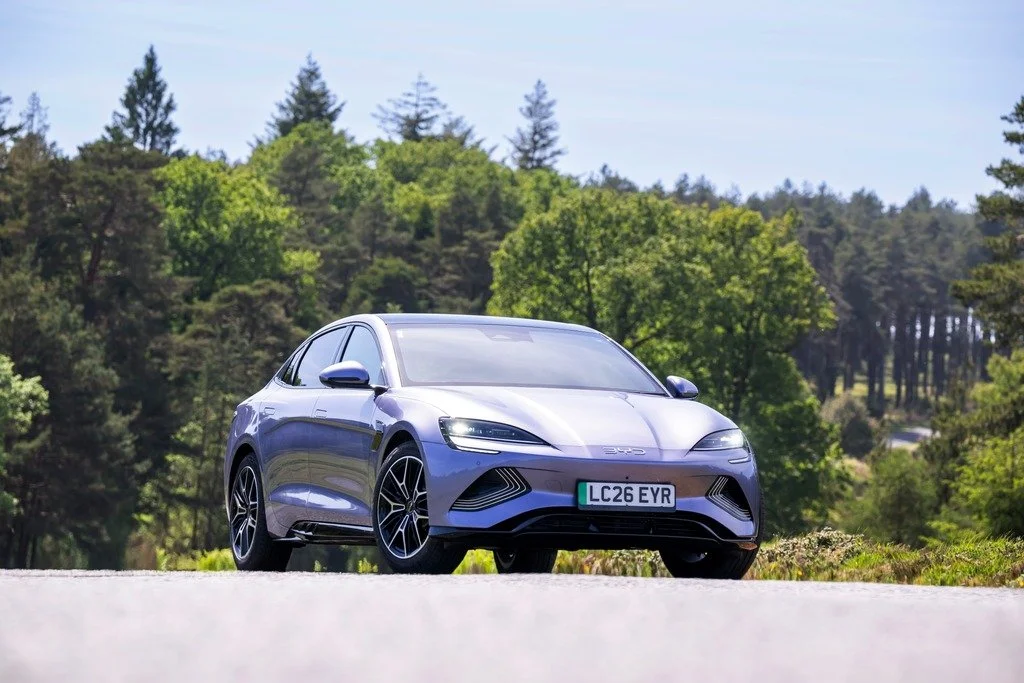
Image source: BYD UK media
The Zero Emission Vehicle (ZEV) mandate requires 33% of new car sales to be zero-emission in 2026, rising to 38% in 2027. If manufacturers miss this target, they’re liable to pay a £12,000 fine per non-compliant car. Instead, most find it cheaper to discount EVs.
UK manufacturers spent over £5 billion on EV discounts in 2025, averaging £11,000 per car. Good news for salary sacrifice, because these discounts feed directly into salary sacrifice costs. That's because salary-sacrifice pricing reflects the car's actual price, not a fixed rate.
In this article, we’ll cover what changed, why EVs are getting cheaper, and what it means for salary sacrifice schemes.
What Has Changed? The 2027 ZEV Target Explained
The ZEV mandate sets yearly targets for zero-emission car sales. The target is 33% for 2026 and 38% for 2027. It reaches 80% by 2030 and 100% by 2035.
The rules come from the Vehicle Emissions Trading Schemes (Amendment). Manufacturers lobbied against this, warning that the pace of the ZEV mandate risked unsustainable losses. The April 2025 government response addressed those concerns with three key changes:
Cut compliance fines from £15,000 to £12,000 per non-compliant car
Raised the CO2 credit cap to 90% for 2025, letting non-EV emissions cuts cover more of the target
Let hybrids stay on sale until 2035
These changes eased compliance routes, but they don’t lower the targets themselves.
How Does Missing Targets Push Manufacturers to Discount?
Manufacturers must hit their ZEV mandate target every year, or pay £12,000 for every non-compliant car they sell. Discounting EVs is the easiest way to hit that target, and it usually costs less than the fine.
The numbers back this up:
Manufacturers spent over £5 billion on EV discounts in 2025, according to SMMT figures
The average EV discount hit £11,000, around £3,000 more than for petrol or diesel
Volkswagen Group and Stellantis face particular pressure, given their sales volumes and EV mix
VW's UK sales boss called the scale of discounting unsustainable, and Stellantis has warned it may have to shrink UK operations without further flexibility in the mandate
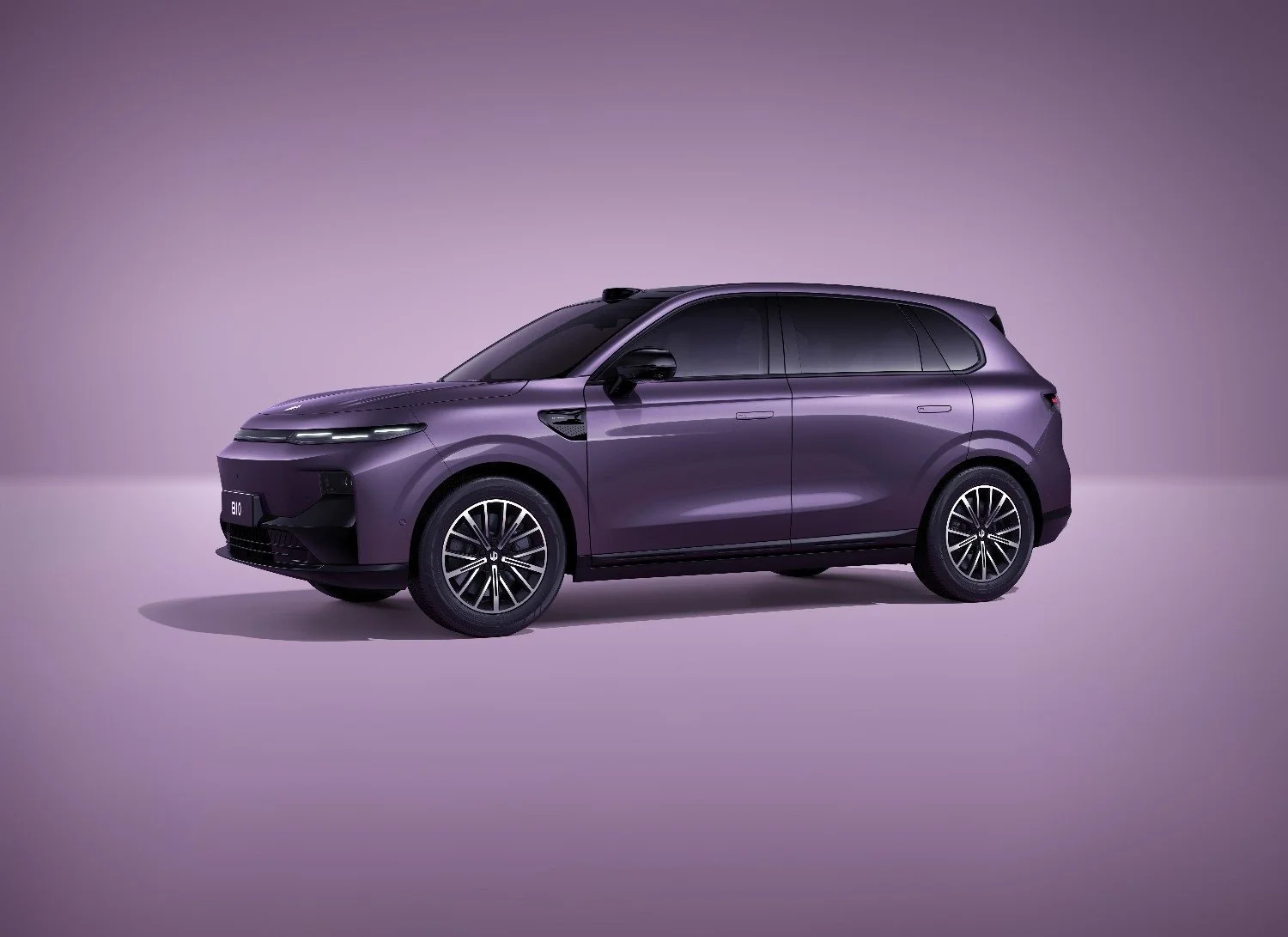
Image shows Leapmotor B10, source: Stellantis Media
Fines scale with a manufacturer's non-EV sales volume, so the pressure builds every year.
What Does This Mean For Your Salary Sacrifice Costs?
Salary sacrifice pricing tracks a vehicle's list price (its P11D value), not a fixed rate. This means manufacturer discounts are automatically applied to your salary sacrifice cost, lowering the monthly amount and Benefit-in-Kind (BiK) tax base.
Here's an illustrative example. Say a mid-size electric SUV drops from £35,000 to £32,000 due to ZEV-driven discounting. This is a deliberately modest example, well below the £11,000 average SMMT recorded across the market in 2025.
| Cost element | Monthly amount |
|---|---|
| Salary sacrifice (inc. VAT) | £503 |
| Employee income tax saving | -£201 |
| Employee National Insurance saving | -£10 |
| Benefit-in-Kind tax | +£67 |
| Net cost to employee | £359 |
The Electric Car Scheme's multi-funder model captures these discounts automatically. Employees typically save 20 to 50% compared with a personal lease, though the figure varies by model and funder.
BiK rates and salary sacrifice tax treatment are set by HMRC and can change. Figures in this article reflect rates confirmed on gov.uk at the time of writing. Always check current guidance before making a decision.
See what this looks like for you with a personalised quote based on today's pricing.
ZEV Mandate Targets, 2024 to 2035
Targets rise every year through 2035. The steepest increases start after 2027.
| Year | ZEV Target (New Car Sales) | Key Changes |
|---|---|---|
| 2024 | 22% | ZEV mandate introduced |
| 2025 | 28% | Fines later cut from £15,000 to £12,000 per car |
| 2026 | 33% | CO2 credit cap raised to 90%; hybrids allowed until 2035 |
| 2027 | 38% | First year included in the government's 2026 review |
| 2028 | 52% | Sharp step-up begins |
| 2029 | 66% | Credit transfer flexibility expires |
| 2030 | 80% | Coincides with the petrol and diesel sales ban |
| 2035 | 100% | All new cars and vans must be zero-emission |
Van targets follow a lower curve: 10% in 2024, rising to 70% by 2030.
The Hybrid and CO2 Credit Wrinkle
Not every manufacturer feels equal pressure.
Manufacturers with more hybrids gain flexibility: hybrids can sell until 2035, and CO2 credits cover up to 90% of obligations
Manufacturers with fewer hybrids, including Stellantis and Volkswagen Group, carry more of the burden directly and discount harder
EV-only manufacturers, like Tesla, easily beat their target and build up surplus credits. They can then sell these credits to manufacturers who are short, helping those manufacturers avoid the £12,000 fine
The net effect stays positive for buyers. Manufacturers under the most pressure tend to discount the hardest.
Is the ZEV Mandate About to Change?
Possibly, though nothing is confirmed yet. In August 2026, the government launched a review of the 2027 to 2035 targets. It's responding to manufacturer pressure over demand versus targets. A report is expected in early 2027.
Two things stay true regardless of the outcome:
The government has confirmed no change to the 2030 petrol and diesel ban or the 2035 target
Discounting already seen in 2025 and 2026 has shaped real-world EV pricing
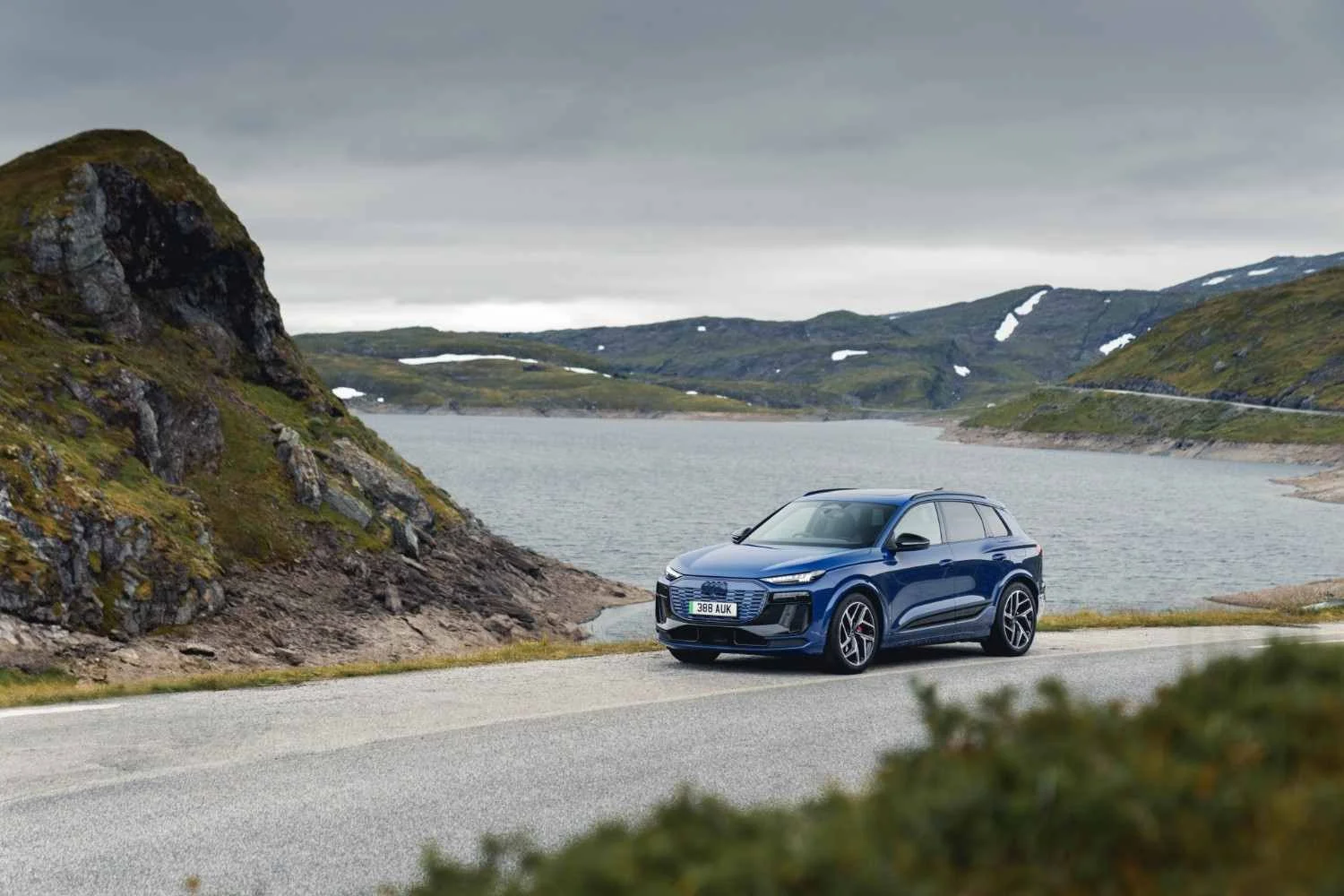
Image shows the Audi Q6, source: Audi Press Office
Why Now Is a Strong Time to Switch or Launch a Scheme
For employees, ZEV-driven discounting combines with a low 4% BiK rate for 2026/27 (versus up to 37% for petrol). This makes now a strong window to switch.
For Employers, The Case is Equally Strong:
Salary sacrifice runs at no net cost to the business
Employers save 15% employer National Insurance on sacrificed salary
Complete Employer Protection covers redundancy, dismissal and long-term sickness from day one

"The ZEV mandate is doing what it was designed to do: making electric cars more affordable. Manufacturers are discounting EVs to hit their targets, and that flows through to salary sacrifice monthly costs. For employers, this is a strong moment to launch or promote a scheme."
Thom Groot, Co-founder and CEO of The Electric Car Scheme
The Electric Car Scheme checks pricing across multiple funders, so these discounts get captured automatically. We're rated Excellent on Trustpilot (4.8 TrustScore). SME News also named us EV Salary Sacrifice Provider of the Year 2026.
Frequently Asked Questions
What Is the ZEV Mandate?
The ZEV mandate is a UK regulation requiring manufacturers to sell a rising share of zero-emission cars each year. It applies to manufacturers, not employers or buyers directly. The target is 33% for 2026, rising to 38% under the ZEV mandate 2027 target.
How Does the ZEV Mandate Affect EV Prices?
Manufacturers that miss their targets pay a £12,000 fine per non-compliant car. Discounting EVs usually works out cheaper, which is why average incentives reached £11,000 per car in 2025. This pressure grows each year as targets rise.
What Is the 2027 ZEV Mandate Target?
The 2027 target requires 38% of new car sales to be zero-emission, up from 33% in 2026. The government's 2026 consultation is reviewing this figure, though nothing has been confirmed. The trajectory still points to 80% by 2030.
Does the ZEV Mandate Make Salary Sacrifice Cheaper?
Yes, indirectly. Lower manufacturer list prices feed straight into salary sacrifice monthly costs, since pricing tracks the vehicle's discounted price. Employees typically save 20 to 50% compared with a personal lease, though this varies by model and funder.
What Are CO2 Credits Under the ZEV Mandate?
CO2 credits let manufacturers count emissions cuts from petrol, diesel and hybrid vehicles towards their ZEV obligations. Since April 2025, manufacturers can use credits to meet up to 90% of obligations, up from 45%. This eases pressure on manufacturers with large hybrid ranges.
The ZEV mandate's 2027 target of 38% is one step in a trajectory that continues to rise through 2035. Manufacturers face a choice: discount EVs, or pay £12,000 per non-compliant car. Most are choosing to discount, spending over £5 billion in 2025 alone.
Salary sacrifice pricing tracks list price directly, so these discounts typically lower employee costs too. A government review may adjust future targets, but it won't undo the discounting already reshaping EV prices today.
See your own numbers with a personalised quote and see how much you could save through EV salary sacrifice.
Are you an employer?
BOOK A DEMOAre you an employee?
SEE AVAILABLE CARSYou Might Also Like…




Last updated: 31/08/26
Our pricing is based on data collected from The Electric Car Scheme quote tool. All final pricing is inclusive of VAT. All prices above are based on the following lease terms; 10,000 miles pa, 36 months, and are inclusive of Maintenance and Breakdown Cover. The Electric Car Scheme’s terms and conditions apply. All deals are subject to credit approval and availability. All deals are subject to excess mileage and damage charges. Prices are calculated based on the following tax saving assumptions; England & Wales, 40% tax rate. The above prices were calculated using a flat payment profile. The Electric Car Scheme Limited provides services for the administration of your salary sacrifice employee benefits. The Electric Car Scheme Holdings Limited is a member of the BVRLA (10608), is authorised and regulated by the FCA under FRN 968270, is an Appointed Representative of Marshall Management Services Ltd under FRN 667174, and is a credit broker and not a lender or insurance provider.
Copyright and Image Usage: All images used on this website are either licensed for commercial use or used with express permission from the copyright holders, in compliance with UK and EU copyright law. We are committed to respecting intellectual property rights and maintaining full compliance with applicable regulations. If you have any questions or concerns regarding image usage or copyright matters, please contact us at marketing@electriccarscheme.com and we will address them promptly.