
Your Plastic Driving Licence Is Being Replaced - Here's Everything You Need to Know About the Digital Driving Licence UK Launch
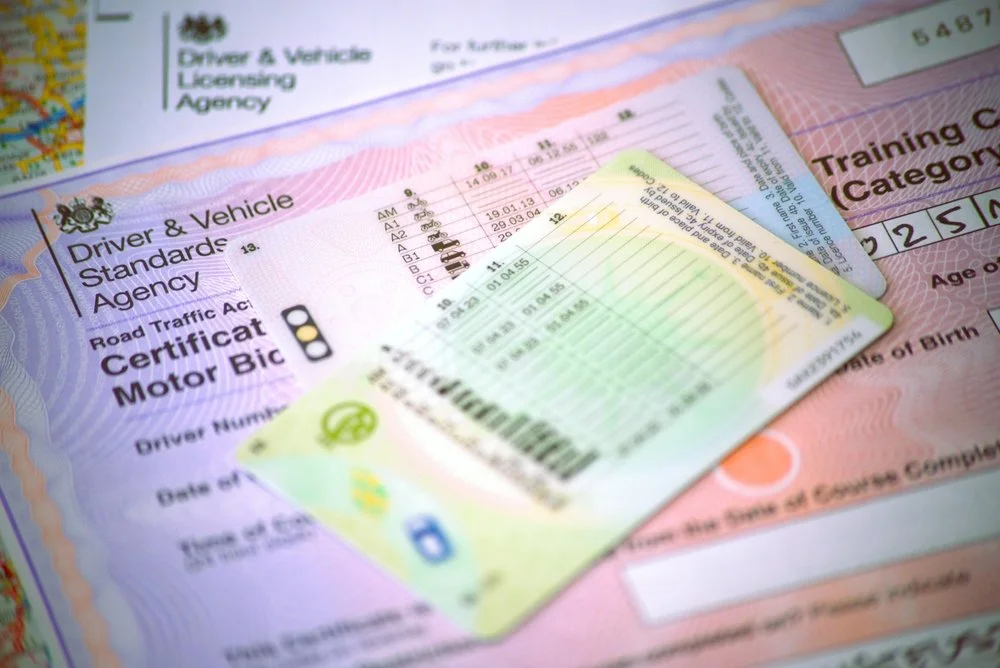
Image source: Shutterstock
The UK government has confirmed that a digital driving licence is rolling out across the country in 2026, marking one of the most significant changes to driver identification in decades. As the GOV.UK Wallet expands beyond its initial pilot phase, millions of UK drivers will soon be able to store their driving credentials on their smartphones - potentially making the familiar pink-and-green photocard a thing of the past.
But what exactly is a digital driving licence? How does the digital ID UK system work? And will you still need to carry your physical card? This comprehensive guide covers everything UK drivers need to know about the digital driving licence UK launch.
What Is a Digital Driving Licence?
A digital driving licence is an electronic version of the traditional photocard licence, stored securely on your smartphone through the GOV.UK One Login app. Often referred to as a digital license or mobile driver's licence (mDL), it contains the same information as your physical card: your name, photograph, licence number, date of birth, address, expiry date, and driving entitlements.
The digital licence forms part of the broader GOV.UK Wallet initiative—the UK government's first official digital credentials system. Unlike third-party digital ID solutions, this is government-issued and government-verified, providing the same legal standing as your physical photocard for identity verification purposes.
Transport Secretary Heidi Alexander described the digital driving licence as "a game-changer for the millions of people who use their driving licence as ID," emphasising that it puts "power back in the hands of the people" by making everyday interactions faster and more secure.
How Does the Digital Driving Licence UK Launch Work?
The digital driving licence UK launch follows a phased rollout approach. Private testing began in December 2025 with Government Digital Service (GDS) and DVLA staff, allowing developers to stress-test the system and identify any issues before public release.
In February 2026, the pilot expanded to include a wider public trial. Drivers can now download the GOV.UK One Login app on iOS or Android devices and begin the process of adding their digital driving licence to their digital wallet.
The activation process requires rigorous identity verification to ensure security:
Download the GOV.UK One Login app from the Apple App Store or Google Play Store
Create your account using existing GOV.UK credentials or by setting up new login details
Verify your identity through passport scanning, facial recognition technology, or by scanning your existing photocard licence
Set up biometric authentication using Face ID, Touch ID, or a secure PIN
Access your digital licence immediately—available even offline for roadside checks
The government has confirmed that by the end of 2027, all government-issued credentials will be available as digital alternatives alongside physical documents. This roadmap encompasses not only driving licences but potentially passports, DBS checks, and various entitlement cards.
What Are the Security Features of Digital ID UK Credentials?
Security concerns naturally arise when discussing digital identification systems. The GOV.UK Wallet addresses these through multiple layers of protection that actually exceed the security of traditional plastic cards.
Encryption: All data is protected using AES-256 encryption—the same standard used by banks and financial institutions. Information is encrypted both in storage and during transmission, ensuring that even if someone intercepts data, they cannot read it.
Biometric authentication: Access to your digital driving licence requires either facial recognition, fingerprint authentication, or a secure PIN. This means someone finding your phone cannot access your credentials without also having your biometric data or PIN.
No location tracking: The system does not include GPS tracking or location sharing features. Your digital licence verifies your identity and driving entitlements without recording where or when you use it.
Instant revocation: If your phone is lost or stolen, you can immediately revoke access to your digital credentials through the GOV.UK website. You can then re-download your credentials to a new device once you regain secure access.
Periodic security audits: The National Cyber Security Centre (NCSC) conducts regular security assessments of the GOV.UK Wallet system, ensuring it meets the highest standards for protecting citizen data.
Offline functionality: Your digital licence works even without an internet connection, using cryptographic signatures to prove authenticity. This ensures you can still present your credentials during roadside checks in areas with poor mobile signal.
Physical photocards, by contrast, can be easily lost, stolen, or counterfeited. They require no authentication to present, making them inherently less secure than properly implemented digital credentials.
Will Physical Driving Licences Still Be Valid?
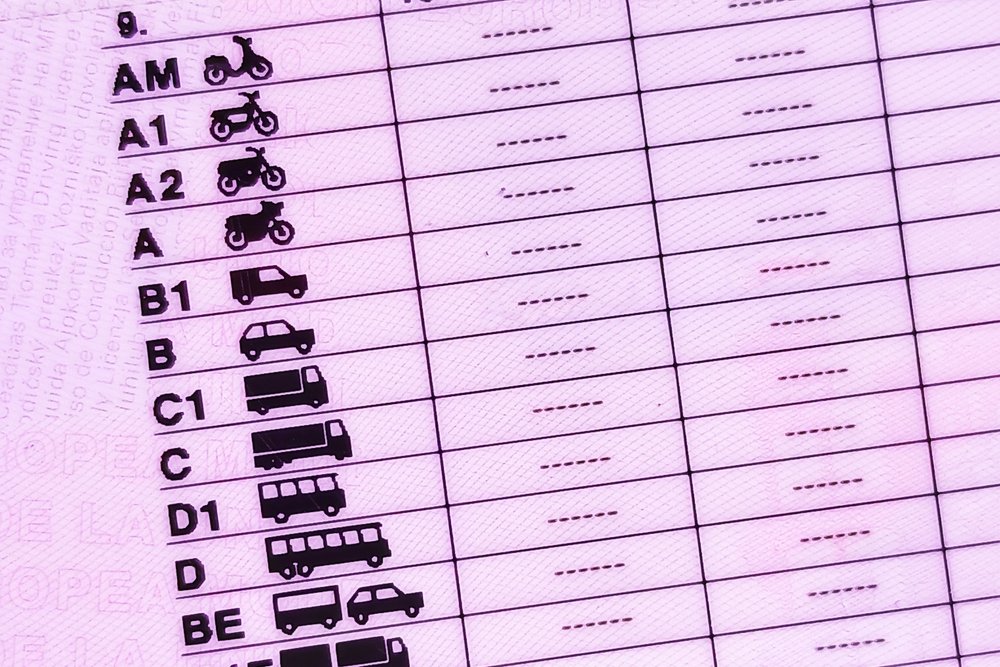
Yes. The DVLA has confirmed that physical photocard licences will remain valid and accepted until at least 2030. The digital driving licence is being introduced as an optional alternative, not a mandatory replacement.
This dual-system approach recognises that different drivers have different comfort levels with digital technology. Older drivers, those without smartphones, or individuals who simply prefer physical documentation can continue using traditional photocards without any issues.
However, the government is "strongly encouraging" digital adoption from 2026 onwards, particularly for younger drivers and those renewing their licences. The long-term vision supports a system where digital credentials serve as the primary form of identification, with physical cards available as backups or for those who prefer them.
It's worth noting that you won't need to choose between physical and digital—you can have both. Your physical card remains valid even after you activate your digital licence, providing redundancy in case of technical issues or flat phone batteries.
What Can You Use a Digital Driving Licence For?
The digital driving licence will eventually be usable for everything your physical photocard currently serves, including:
Age verification: Proving you're over 18 when purchasing age-restricted goods like alcohol or DIY equipment, both in shops and online. The digital verification can happen through QR code scanning, eliminating the need to hand over your phone.
Car hire: Rental companies can verify your driving entitlements digitally, streamlining the collection process. Many hire firms already integrate with digital verification systems, making this a natural transition.
Police checks: During roadside checks, police officers can scan a secure QR code generated by the app to verify your licence validity, driving entitlements, and endorsement history. This provides law enforcement with more comprehensive information than visual inspection of a physical card.
Proof of address: Many organisations accept driving licences as proof of address. The digital version provides the same verification with the added benefit of real-time accuracy—if you've updated your address with DVLA, your digital licence reflects this immediately.
General ID verification: Banks, employers, and other organisations requiring identity verification can accept the digital driving licence through approved digital identity checking services.
The GOV.UK Wallet is designed to work seamlessly with both in-person verification (through QR codes or NFC technology) and online verification (through secure API connections with approved third-party services).
How Do Address Changes and Updates Work?
One of the most significant advantages of digital licences is real-time updating. When you change your address with DVLA through their online portal, your digital driving licence updates immediately—no waiting for a new photocard to arrive in the post.
Similarly, if you receive penalty points, your digital record reflects these additions automatically through the DVLA database. This ensures that whenever you present your digital licence, it shows your current status rather than potentially outdated information from a physical card.
This immediate updating also prevents the common scenario where drivers carry expired or incorrect information because they haven't received their updated photocard yet. With digital credentials, your phone always displays your current, legally accurate details.
However, you'll still need to inform DVLA of changes—the digital licence doesn't automatically detect when you move house. The difference is that once DVLA processes your change, the digital version updates instantly rather than requiring a new card to be printed and posted.
What About International Use and EU Digital ID Framework?
The UK's digital driving licence aligns with the EU Digital Identity Framework and ISO 18013-5 international standards for mobile driver's licences. This means that by 2026, UK drivers may be able to use their digital credentials in EU countries that accept ISO-compliant digital licences.
For drivers who frequently travel to Europe for work or leisure—including those using electric car salary sacrifice schemes for cross-border trips—this could significantly simplify international car hire and driving abroad.
However, international acceptance is still developing. While the technical standards exist for cross-border digital licence recognition, individual countries must choose to participate in mutual recognition agreements. The UK government is working with international partners to ensure British digital licences gain wide acceptance.
For the immediate future, drivers travelling internationally should continue carrying their physical photocards as backups, even if they primarily use digital credentials domestically.
How Does This Affect Electric Car Drivers and Salary Sacrifice Schemes?
For drivers accessing vehicles through electric car salary sacrifice schemes, the digital driving licence offers several practical advantages.
Streamlined car collection: When collecting your new electric vehicle through a salary sacrifice scheme, digital licence verification can speed up the handover process. Rather than photocopying physical documents, dealers can verify your credentials digitally with your consent.
Integrated vehicle documentation: The GOV.UK app includes sections for managing MOT reminders and road tax details—particularly relevant as electric vehicles registered from April 2025 onwards now pay VED. Having all vehicle-related documentation in one digital location simplifies management.
Charging station age verification: Some public EV charging locations require age verification for account setup or certain payment methods. Digital ID UK credentials provide instant, secure verification without needing to carry physical documents while charging your electric car.
Business fleet management: Companies offering electric car salary sacrifice as part of their employee benefits package can more easily verify driver eligibility and maintain digital records of authorised drivers, streamlining administration.
The broader shift towards digital credentials aligns with the technological transformation happening throughout the automotive sector, from electric vehicle adoption to connected car services.
Are There Any Concerns or Limitations?
Despite the advantages, the digital driving licence UK launch faces some practical considerations:
Smartphone dependency: Not all drivers own smartphones, particularly among older demographics. The government's commitment to maintaining physical licences addresses this, but it does create a two-tier system.
Battery life concerns: A flat phone battery shouldn't prevent you from driving legally, which is why physical cards remain valid as backups. However, this creates a scenario where drivers might need to carry both anyway.
Technical glitches: All digital systems occasionally experience outages or errors. If GOV.UK services go offline, digital licence verification could be disrupted—though offline functionality mitigates some of this risk.
Privacy considerations: Some drivers express concerns about government-held digital credentials and potential for expanded surveillance. The DVLA has emphasised that digital licences include no location tracking and that verification happens through encrypted, privacy-preserving protocols.
Learning curve: Older drivers or those less comfortable with technology may find the activation process challenging. The government has committed to providing support, but adoption may be slower among certain groups.
Not all services ready: While government services will accept digital licences, some private sector organisations may take longer to update their systems. Early adopters might occasionally encounter situations where physical cards are still required.
What Should UK Drivers Do Now?
If you're interested in accessing the digital driving licence when it becomes available:
Ensure your DVLA records are current: Verify that your address, name, and other details are correct with DVLA. Any inaccuracies should be corrected now, before transitioning to digital credentials.
Keep your physical photocard safe: Even after activating a digital licence, your physical card remains valid and useful as a backup. Don't dispose of it.
Download GOV.UK One Login app: The app is available now for iOS and Android. Familiarise yourself with the interface before the digital licence feature becomes widely available.
Check your phone's security settings: Ensure you have a secure lock screen set up (PIN, pattern, fingerprint, or face recognition) before storing sensitive credentials on your device.
Stay informed: The government continues updating the digital driving licence rollout timeline and features. Check the official GOV.UK announcement for the latest information.
The Bigger Picture: Digital Transformation of UK Driver Services
The digital driving licence represents just one element of the UK's broader digital transformation agenda. The GOV.UK Wallet will eventually house multiple government-issued credentials, creating a single, secure location for managing your relationship with public services.
By 2027, the government aims to digitise interactions that currently require physical attendance, lengthy phone calls, or waiting for documents to arrive by post. This includes everything from applying for benefits to renewing passports to checking MOT status.
For UK drivers, this means the digital licence is likely just the beginning. Integration with insurance databases, parking services, and vehicle taxation systems may follow, creating a comprehensive digital ecosystem for motoring.
The shift also reflects changing expectations among younger drivers who have grown up with smartphone-based services. Just as electric vehicles represent the future of automotive technology, digital credentials represent the future of identity verification and civic interaction.
Conclusion: Embracing the Digital Driving Licence UK
The digital driving licence UK launch in 2026 marks a significant milestone in modernising driver identification. While physical photocards aren't disappearing immediately, the trajectory is clear: digital credentials offer superior security, real-time accuracy, and convenience that physical documents simply cannot match.
For drivers accessing electric vehicles through salary sacrifice schemes, the digital transformation of both vehicles and credentials represents a natural convergence of modern technology and sustainable transport choices.
Whether you're an early adopter eager to go digital or someone who prefers to wait and see how the system develops, understanding the digital driving licence ensures you're prepared for this fundamental change in UK driver documentation.
The optional nature of the digital licence means there's no pressure to switch immediately, but the benefits—instant updates, enhanced security, and streamlined verification—make a compelling case for eventual adoption. As with many technological transitions, the question isn't whether digital licences will become the norm, but when.
Considering an electric vehicle through salary sacrifice? Get an instant quote to discover how much you could save with 20-50% reductions compared to traditional car ownership, or learn more about how salary sacrifice works for UK employees.
Are you an employer?
BOOK A DEMOAre you an employee?
SEE AVAILABLE CARSECS GUIDES AND ADVICE
Ready to Go Electric? Your Guides and Tools to a Smooth Switch
-
 How the Scheme Works
Find out how salary sacrifice can work for you or your business.
-
 The Charge Scheme
Save 20-50% on all charging costs through salary sacrifice - at home, the office, or in public..
-
 Complete Employer Protection
All employers and drivers are protected from day 1.
-
 Used Electric Cars
Discover the most affordable way to drive electric. Cars delivered in 14 days.
You Might Also Like…


Last updated: 09.02.26
Our pricing is based on data collected from The Electric Car Scheme quote tool. All final pricing is inclusive of VAT. All prices above are based on the following lease terms; 10,000 miles pa, 36 months, and are inclusive of Maintenance and Breakdown Cover. The Electric Car Scheme's terms and conditions apply. All deals are subject to credit approval and availability. All deals are subject to excess mileage and damage charges. Prices are calculated based on the following tax saving assumptions; England & Wales, 40% tax rate. The above prices were calculated using a flat payment profile. The Electric Car Scheme Limited provides services for the administration of your salary sacrifice employee benefits. The Electric Car Scheme Holdings Limited is a member of the BVRLA (10608), is authorised and regulated by the FCA under FRN 968270, is an Appointed Representative of Marshall Management Services Ltd under FRN 667174, and is a credit broker and not a lender or insurance provider.
Copyright and Image Usage: All images used on this website are either licensed for commercial use or used with express permission from the copyright holders, in compliance with UK and EU copyright law. We are committed to respecting intellectual property rights and maintaining full compliance with applicable regulations. If you have any questions or concerns regarding image usage or copyright matters, please contact us at marketing@electriccarscheme.com and we will address them promptly.
