Octopus Electric Vehicles (OEV) Alternatives for Electric Car Salary Sacrifice in the UK (2026 Guide)

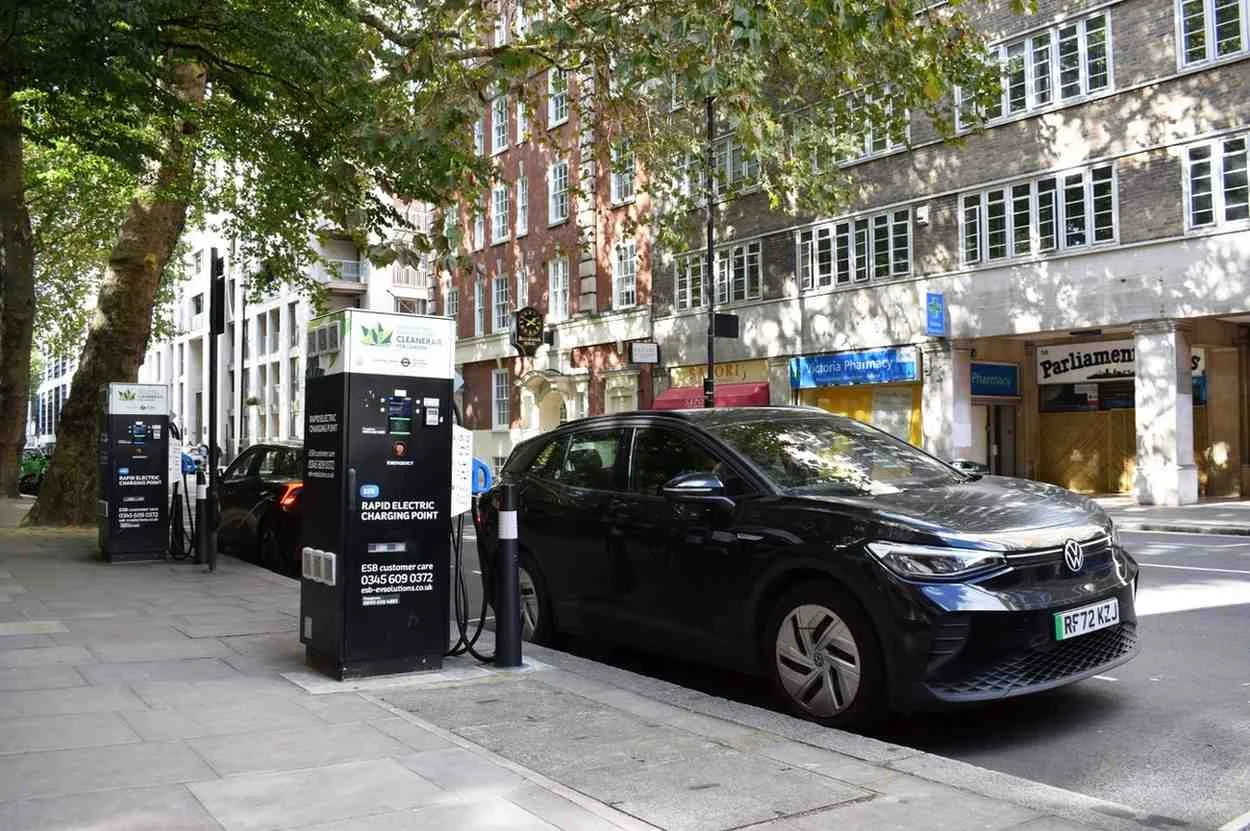
Image source: Shutterstock
There’s no denying that most people in the UK have probably heard of Octopus Electric Vehicles. As the leasing arm of Octopus Energy Group, it benefits from significant brand recognition and a compelling narrative around integrating your car, your home charger, and your energy tariff into a single relationship. For employees already embedded in the Octopus ecosystem, that integration carries genuine appeal.
But brand recognition and ecosystem integration are not the same thing as the best salary sacrifice scheme for your business and your employees. As an employer, you need to consider when protection begins, how pricing is structured, whether used EVs are available, and whether employees can salary sacrifice their charging costs. Octopus EV has meaningful limitations that are worth understanding before committing to an electric car salary sacrifice scheme that spans years.
This guide covers what Octopus EV actually offers, where it falls short relative to the current market, and where providers like The Electric Car Scheme deliver distinct and measurable advantages. If you're already weighing the two providers directly, the Octopus EV vs The Electric Car Scheme full comparison covers the key differences in detail.
What Does Octopus EV Offer?
Octopus Electric Vehicles provides salary sacrifice leasing as part of the broader Octopus Energy Group. Its scheme offers an all-inclusive monthly salary sacrifice payment covering the car, fully comprehensive insurance, servicing, maintenance, and breakdown cover, in a single monthly deduction from gross salary.
When picking Octopus EV, employees choose one of three £400 charging benefits when they order: a contribution towards an Octopus home charger with standard installation, £400 of home charging credit, or £400 of public charging credit on Electroverse, which covers over a million chargers across the UK and Europe through one app. Octopus confirms all three are available whoever supplies the employee’s energy. Employees who do switch to Octopus Energy get a further penny (1p) per kilowatt hour off the off-peak rate through Intelligent Octopus Go EV saver.
Employer Protection: Day 1 on some life events, three months on leavers
Octopus EV’s early termination protection splits into two tiers. Life events are covered from day one: parental leave, long-term sickness of four weeks or more, medical loss of licence, and death of the driver or their partner. Work-related departures are not. Resignation, redundancy and dismissal are only covered once the lease has run for three months.
Those three reasons are the ones an employer is most likely to be managing, and in the first 12 weeks they are the ones the employers are liable for. Where a return is not covered, Octopus’s published fee is 50% of the remaining finance rentals, invoiced to the employer. On a mid-ranged EV at the start of a 36-month term, that is a four-figure cost on a lease that has barely begun.
Octopus also publishes a volume limit on early returns, with a standard allowance of up to 10 cars a year or 10% of the fleet, whichever is greater. For most employers that may not happen. For a large employer with normal churn it’s worth modelling and reviewing before signing.
Pricing Model: Direct leasing
Based on our research, Octopus EV funds its own vehicle supply rather than operating as a multi-funder broker. This means pricing is set through Octopus EV's own leasing relationships rather than through market tension across competing funders.
Broker-based models - where a provider sources from a network of leasing companies - typically deliver more competitive pricing, as funders compete for business. The difference may not be apparent from headline rates, but becomes visible when running like-for-like quotes across providers on the same vehicle, term, and mileage.
Used EVs: Range and lead time
Octopus EV runs a used EV programme through salary sacrifice, branded ‘Nearly New’, which it launched in 2023. The comparison here is not whether used EVs are available but how many, and how quickly.
The Electric Car Scheme has hundreds of used EVs, available for delivery in as little as 14 days, which gives employees at lower salary levels access to salary sacrifice savings.
Charging Integration: Ecosystem dependency
Octopus EV charging: An one-off credit, not recurring saving
None of the three £400 charging options requires switching energy supplier to Octopus Energy. Only the additional penny per kilowatt hour through Intelligent Octopus Go EV Saver does. The distinction that matters for an employer is not which energy company an employee uses. It is that £400 is a fixed sum, spent once, while charging is a cost that recurs every month for the life of the lease. Neither the credit nor a discounted tariff is a salary sacrifice arrangement, so once the credit is used the employee pays for charging out of net, post-tax income.
The charging saving comes from a lower per-unit electricity rate for those who switch, not from a pre-tax deduction that generates Income Tax and National Insurance savings on the charging cost itself. One point does hold on access: Octopus’s kerbside charging offer for drivers without off-street parking, which gives 50% off Ubitricity and Connected Kerb or up to £800 of Electroverse credit, is stated in their own terms as personal leasing only and not currently available through salary sacrifice.
Key Takeaways
Octopus EV's employer protection only begins after three months for resignation, redundancy and dismissal. Some life events are covered from day one.
The £400 charging benefit is a one-off credit, not an ongoing saving.
Octopus offers no salary sacrifice arrangement for charging costs.
Used EV range and lead time are the real comparison, not availability.
How EV Salary Sacrifice Providers Differ: What To Evaluate
Not all electric car salary sacrifice schemes are equivalent. When considering Octopus EV or any alternative provider, the following criteria carry the most weight for employer risk and employee savings.
When does employer protection start?
A three-month exclusion period leaves employers exposed to early termination costs for the initial 12 weeks of each lease where an employee resigns, is made redundant or dismissed.
The cumulative exposure across multiple new starters in any given quarter is significant, making Day 1 protection a key differentiator among Octopus EV alternatives. Providers that offer this protection eliminate this risk from the outset of every lease.
Is pricing competitive across funders?
Direct leasing providers set prices through their own supply. Multi-funder brokers source from a network of competing leasing companies, creating pricing tension that typically benefits employees. Running a like-for-like quote on the same vehicle across multiple providers is the most reliable comparison. The Electric Car Scheme’s EV salary sacrifice calculator allows employees to model their savings against any vehicle choice.
Are used EVs available?
A scheme limited to new electric vehicles skews towards higher earners. Access to used EVs through salary sacrifice extends the tax advantages to employees across all salary levels - and typically comes with faster delivery than new car order lead times.
Can employees salary sacrifice their charging costs?
An employee saving 20–50% on their vehicle through salary sacrifice but paying full rate for home and public charging is leaving money on the table. A salary sacrifice solution for charging (deducted from gross salary before tax) extends the pre-tax savings to every mile driven. This is materially different from a discounted energy tariff within a single supplier's ecosystem.
Is the scheme independent of the employee's energy supplier?
If charging benefits require switching to a specific energy provider, a proportion of the workforce will be unable or unwilling to access them. Provider-agnostic charging solutions work for every employee, regardless of their existing energy setup.
Is the charging benefit a one-off credit or a recurring pre-tax saving?
A fixed credit at the start of the lease is worth the same to every employee and runs out. A salary sacrifice arrangement on charging keeps saving for as long as the employee drives, and scales with how much they actually charge. Over a 36 month lease the difference compounds.
Key Takeaways
Day 1 employer protection eliminates early termination financial risk entirely.
Multi-funder broker models typically deliver more competitive employee pricing.
Used EVs extend salary sacrifice benefits across all salary levels.
Provider-agnostic charging solutions ensure equal value for all employees.
Octopus EV vs The Electric Car Scheme: A Direct Comparison
| Feature | Octopus EV | The Electric Car Scheme |
|---|---|---|
| Vehicles | ||
| New electric cars | Yes | Yes |
| Used electric cars | Yes, through the Nearly New programme | Yes, a dedicated used range Delivery in as little as 14 days |
| Hybrid cars | No, the range is fully electric | Yes, on selected models |
| Electric Car Grant | Applied automatically to eligible new cars | Applied automatically to eligible new cars |
| Vehicle sourcing | Direct leasing | Multi-funder broker |
| Employer protection | ||
| Cover for life events | From day 1 Parental leave, long-term sickness, medical loss of licence, death | From day 1 |
| Cover for resignation, redundancy and dismissal | After the first 3 months of the lease | From day 1 |
| Cost of an early return that is not covered | 50% of the remaining finance rentals | None No excess and no exclusion period |
| Limit on early returns | Up to 10 cars a year or 10% of the fleet, whichever is greater | No cap |
| Charging | ||
| Salary sacrifice on charging costs | No Charging is paid for out of net income | Yes, through The Charge Scheme Home, workplace and public charging on any network |
| Charging benefit | One-off £400, spent once Choose a home charger contribution, home charging credit, or Electroverse public charging credit | A pre-tax saving on every charge, for the life of the lease |
| Requires switching energy supplier | No Except the extra 1p per kWh on Intelligent Octopus Go, which needs an Octopus Energy account | No |
| Kerbside charging for employees without off-street parking | Offered on personal leasing only, not through salary sacrifice | Public charging is covered by The Charge Scheme on any network |
| Scheme and package | ||
| All-inclusive monthly payment | Yes | Yes |
| Comprehensive insurance | Included as standard, subject to eligibility | Included as standard |
| Setup cost for the employer | Free | Free |
| B Corp certified | No Not listed in the B Lab directory as of 12 August 2026 | Yes |
Swipe the table sideways to see both providers.
Why savings percentages are not in this table You will see EV salary sacrifice schemes advertised with savings of up to 40%, up to 50%, or up to 60%. Those figures are set by Income Tax, National Insurance and Benefit-in-Kind rates, not by the provider, so they are the same whoever runs the scheme. A wider advertised range usually means a provider is quoting across more tax bands. Compare providers on net monthly cost after Benefit-in-Kind for the same vehicle, term, mileage and tax band.
Octopus EV scheme terms taken from octopusev.com and B Corp status from the B Lab directory, both checked 12 August 2026. Terms change, so check both providers' current published terms before making a decision.
Why The Electric Car Scheme Is the Leading Octopus EV Alternative
The Electric Car Scheme is the UK's leading dedicated electric car salary sacrifice provider, independently recognised by Car Sloth as Best Salary Sacrifice Provider in both 2024 and 2025, and by SME News as EV Salary Sacrifice Provider of the Year 2026. It operates as a multi-funder broker, sourcing new and used electric cars from a network of leasing companies to deliver the best available pricing across every budget and salary level.
The features that most clearly differentiate The Electric Car Scheme from Octopus EV are:
Complete Employer Protection from Day 1 - With no exclusion period.
Octopus EV's employer protection begins after three months. Whereas, The Electric Car Scheme’s Complete Employer Protection, covers employers against resignation, redundancy, illness, parental leave, vehicle damage, and failure to pay fees from the first day of every lease - with no excess, no exclusion period, and no cap on early terminations. This protection is not a premium upgrade; it is standard for every employer on the scheme. For businesses running a scheme across a large or diverse workforce, this difference materially changes the risk profile of the benefit.
The Charge Scheme: Pre-tax savings on every charge, not a one-off credit
Octopus gives salary sacrifice drivers a one-off £400 charging benefit and, for those who switch to Octopus Energy, a discounted off-peak tariff. Neither is salary sacrificed, so no Income Tax or National Insurance saving is generated on charging spend.
A provider-agnostic scheme
The Electric Car Scheme does not require employees to switch energy supplier, use a specific charging network, or buy into a wider product ecosystem to access the full value of the benefit. Every employee - regardless of their existing energy setup -benefits equally from the same savings, protections, and charging solution. This is a meaningful practical advantage for employers running a scheme across a workforce with varied home circumstances, tenancy arrangements, or regional charging infrastructure.
New and Used EVs with fast delivery
The Electric Car Scheme offers both new electric cars and used EVs, which are available for delivery within 14 days.
Octopus EV's nearly new stock is limited and not part of a structured used car programme. For HR and Reward teams, the ability to offer used EVs significantly broadens the scheme's accessibility - and improves uptake among employees who might otherwise be priced out of a new car, even with salary sacrifice savings.
Multi-funder broker pricing.
The Electric Car Scheme sources vehicles from a network of competing leasing companies rather than its own supply, which creates genuine pricing tension across funders. Employees access the best available market rates at the time of ordering. Run a like-for-like quote on the salary sacrifice calculator to compare against Octopus EV's direct pricing on any vehicle.
Independent recognition.
The Electric Car Scheme is the UK’s leading dedicated electric car salary sacrifice provider, recognised by Broker News as Best Salary Sacrifice Broker 2026, and by SME News as EV Salary Sacrifice Provider of the Year 2026.
The Electric Car Scheme is a certified B Corp, meeting independently verified standards for social and environmental performance.
Key Takeaways
Complete Employer Protection covers Day 1 with no exclusion period.
The Charge Scheme extends pre-tax savings to all EV charging costs.
Provider-agnostic scheme delivers equal value across the entire workforce.
B Corp certification supports ESG and Scope 3 reporting commitments.
What Does Octopus EV Do Well?
Octopus EV has many strengths that make it a credible option for a specific subset of employers and employees.
For businesses whose workforce is predominantly made up of Octopus Energy customers - or for whom switching is straightforward - the energy ecosystem integration is a real differentiator. The Intelligent Octopus Go tariff, at rates as low as 6p/kWh during off-peak hours, represents a meaningful home charging saving for employees who can access it. Electroverse's aggregated public charging access through a single app is a genuine convenience for frequent public charging users within that ecosystem.
£400 off an Octopus home smart charger with standard installation is one of three package options. For employers already using Octopus Energy for their business energy supply, there may also be a simplicity argument for consolidating supplier relationships within the same group.
The limit is not who supplies the employee’s energy. It is that the charging benefit is a fixed £400 that is spent once, and that their kerbside offer for employees without off-street parking is available on personal leasing only, not through salary sacrifice.
Key Takeaways
Octopus ecosystem integration suits workforces already using Octopus Energy
Bundled home charger installation is a practical benefit for new EV drivers
Charging benefits are inaccessible to employees on other energy suppliers
Three-month protection gap remains regardless of ecosystem advantages
Other Octopus EV Alternatives Worth Considering
The Electric Car Scheme
The Electric Car Scheme is the most comprehensive alternative to Octopus EV across every substantive criterion:
Day 1 employer protection
Multi-funder pricing - so your employees always get the best prices on the market
New and used EVs and hybrids
Charging salary sacrifice through The Charge Scheme across all networks and suppliers
B Corp certification
Independent award recognition.
Tusker
Tusker is one of the UK’s longest established salary sacrifice car providers and is part of Lloyds Banking Group. It works with over half of NHS Trusts and more than 150 councils, alongside large private sector employers. Its Lifestyle Protection covers resignation, redundancy, retirement, TUPE and long-term sickness, but typically only once a car has been on the road for three months.
Where Octopus EV covers life events from day one and applies its three month period to leavers only. Tusker’s qualifying period applies across both, so the day one gap is wider. Parental leave cover is capped at £500 a month.
Tusker offers new and used EVs, with stock sourced from its own risk fleet, and also offers petrol, diesel and hybrid vehicles. It does not offer a salary sacrifice arrangement for charging costs.
loveelectric
Loveelectric is an Edinburgh-based, B Corp certified salary sacrifice broker offering new and used EVs, the latter through its reloved marketplace. Its Zero Risk Guarantee has been included as standard from day one for all clients since February 2026, covering resignation, redundancy and dismissal, and loveelectric describes it as cost-neutral for employers. Two conditions are published on its website. Parental leave is covered after three months rather than from day one, and a vehicle falls outside the guarantee if the employer’s attrition rate exceeds 15% before that vehicle’s start date, though vehicles already delivered remain covered.
Employees who end a lease early pay a Commitment Fee, typically one month’s lease cost.
Loveelectric also offers the Charge Card, a salary sacrifice arrangement for home and public charging build on its acquisition of Bypass. In December 2025, Perkbox entered into an agreement to acquire loveelectric.
Frequently Asked Questions About Octopus EV Alternatives
-
Both offer all-inclusive electric car salary sacrifice schemes with a single monthly payment covering the vehicle, insurance, servicing, maintenance, tyres, breakdown cover, and road tax.
The key differences are:
Octopus EV's employer protection only begins after three months, whereas The Electric Car Scheme provides Complete Employer Protection from Day 1 with no exclusion periods and no excess
Octopus EV's charging benefits require the employee to be an Octopus Energy customer, whereas The Charge Scheme works across all networks and energy suppliers through a pre-tax salary deduction
Octopus EV has limited used EV availability, whereas The Electric Car Scheme offers a dedicated used EV range with delivery within 14 days
The Electric Car Scheme operates as a multi-funder broker, which typically delivers more competitive pricing than Octopus EV's direct leasing model.
-
It depends on the reason. Some life events are covered from day one, including parental leave, long-term sickness, medical loss of licence and death. Resignation, redundancy and dismissal are covered once the lease has run for three months.
Before that, an uncovered return costs 50% of the remaining finance rentals.
-
Yes, in the sense that the £400 charging benefit is available whoever supplies an employee’s energy. Only the extra penny per kilowatt hour on Intelligent Octopus Go requires switching to Octopus Energy.
The limitation is that £400 is a one-off credit rather than a saving on every charge, and that Octopus’s kerbside offer for employees without off-street parking is not available through salary sacrifice.
-
No. Octopus EV's Intelligent Octopus Go tariff provides a discounted electricity rate for home charging, and Electroverse aggregates public charger access - but neither involves a pre-tax deduction from salary. Employees pay for their charging from the net income.
-
Yes, Octopus EV runs a Used EV programme through salary sacrifice, branded Nearly New.
The Electric Car Scheme’s used range is broader and, where stock is available, faster to deliver.
-
The benefit-in-kind rate for fully electric vehicles is 4% in 2026/27, 5% in 2027/28, 7% in 2028/29, and caps at 9% in 2029/30 — still far below the maximum 37% for high-emission petrol and diesel vehicles.
This sustained tax advantage makes EV salary sacrifice the most cost-efficient route to a new electric car for the vast majority of UK employees throughout the next four years.
-
Many employees find salary sacrifice schemes worth exploring, saving between 20% and 50% compared to a personal lease, across a range of electric vehicles.
For instance, with Benefit in Kind (BiK) set at 4% for 2026/27, a 40% taxpayer salary sacrificing a Nissan Ariya at £584 per month (inc. VAT) would pay a net monthly cost of approximately £393.
This represents a saving of around £191 per month before factoring in potential charging savings through The Charge Scheme. Explore your alternative options and use the salary sacrifice calculator to determine your personalised, net figure, inclusive of BiK.
When considering Octopus EV alternatives, it's crucial to understand the full financial picture. Always verify whether a quoted saving accounts for Benefit-in-Kind (BiK) tax. Some providers quote higher figures that do not fully reflect rising BiK rates over the lease term.
-
No. The Electric Car Scheme is free to set up for employers.
The scheme is cost-neutral: the Employer National Insurance savings generated by reduced gross salaries offset all running costs, generating on average around £1,920 in NI savings per car per year. Confirm cost-neutrality with any provider before committing.
-
There is no single best provider, because the right choice depends on workforce profile and risk appetite.
The Electric Car Scheme was named Best Salary Sacrifice Broker 2026 by Broker News. On the criteria set out above, it offers Day 1 employer protection with no exclusion periods or caps, a salary sacrifice arrangement for charging, and both new and used EVs.
-
Yes, on new cars. The Electric Car Grant is a government scheme run by the Office for Zero Emission Vehicles, launched in July 2025 with £650 million and extended by a further £1.3 billion at the November 2025 Budget, running to 2028/29. Eligible new zero-emission cars with a recommended retail price of £37,000 or less fall into one of two bands: £3,750 off for Band 1, £1,500 off for Band 2, based on how sustainably the car is manufactured.
Employees do not apply for it. Manufacturers apply for their models to be included, and the discount is applied automatically to the vehicle price. Both The Electric Car Scheme and Octopus EV pass it through to salary sacrifice pricing. The grant reduces the price of the car first, then the salary sacrifice saving is calculated on the reduced figure.
The grant does not apply to used cars. The list of eligible models changes as the Department for Transport processes new applications, so check the current position before ordering.
Our Electric Car Grant guide tracks which cars qualify in each band.
Which Option Is Right for You?
Octopus EV is a legitimate choice for employers who value a single integrated relationship across car, charger and energy, and whose workforce mainly has off-street parking. The £400 charging credit and Electroverse access add real value on top of the core salary sacrifice saving, and their employee protection may suffice, but you need to check the caps and limits here based on your businesses needs.
For the majority of UK employers - those with a diverse workforce across different energy suppliers, tenancy arrangements, and charging habits - The Electric Car Scheme delivers more consistent, more comprehensive value. Learn more about our salary sacrifice car scheme here.
Join UK’s Leading EV Salary Sacrifice Car Scheme
Book a 15 minute callYou Might Also Like…



Last updated: 12/08/2026
Our lease pricing is based on data collected from The Electric Car Scheme quote tool. All final pricing is inclusive of VAT. All prices above are based on the following lease terms; 10,000 miles pa, 36 months, and are inclusive of Maintenance and Breakdown Cover. The Electric Car Scheme’s terms and conditions apply. All deals are subject to credit approval and availability. All deals are subject to excess mileage and damage charges. Prices are calculated based on the following tax saving assumptions; England & Wales, 40% tax rate. The above prices were calculated using a flat payment profile. The Electric Car Scheme Limited provides services for the administration of your salary sacrifice employee benefits. The Electric Car Scheme Holdings Limited is a member of the BVRLA (10608), is authorised and regulated by the FCA under FRN 968270, is an Appointed Representative of Marshall Management Services Ltd under FRN 667174, and is a credit broker and not a lender or insurance provider.
Copyright and Image Usage: All images used on this website are either licensed for commercial use or used with express permission from the copyright holders, in compliance with UK and EU copyright law. We are committed to respecting intellectual property rights and maintaining full compliance with applicable regulations. If you have any questions or concerns regarding image usage or copyright matters, please contact us at marketing@electriccarscheme.com and we will address them promptly.