
Electric Car Battery Life and Range: The UK 2026 Guide
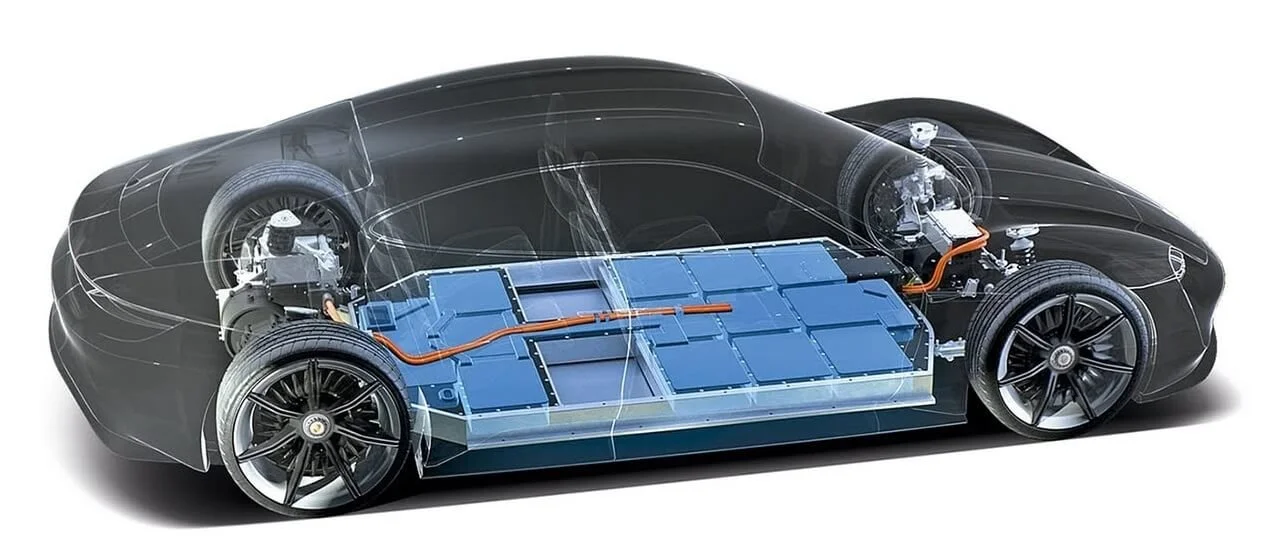
An EV battery typically lasts 8–15 years or 150,000–200,000 miles before dropping below 80% of its original capacity, and most manufacturer warranties guarantee exactly that threshold. Real-world range in 2026 sits between roughly 180 and 380 miles, depending on vehicle segment, speed, and temperature. Electric car battery life is one of the most common concerns for drivers considering the switch, and the data now answers it clearly.
This guide brings together the structured reference data behind both questions: battery warranties by manufacturer, year-by-year degradation curves, real-world range by model and segment, seasonal variation, and why asalary sacrifice scheme removes battery risk for both employee and employer.
How We Compiled This Data: Methodology
This page is a structured reference resource that is updated regularly. It is a companion to the electric car range-explained guide, which covers range concepts and driving tips in an editorial format. This page provides the underlying data tables.
Data Sources
Battery warranties: manufacturers' official warranty documentation, UK market, verified May 2026
Degradation data: Geotab 2025–26 analysis of 22,700+ vehicles, and Recurrent Auto analysis of 15,000+ EVs (the largest independent datasets available; UK patterns are broadly comparable)
Real-world range at 70mph: independent UK road test data (Carwow, What Car?, Electrifying.com, Autocar)
Seasonal variation: independent UK winter testing data and manufacturer cold-weather specifications
WLTP range: manufacturer official figures, longest-range UK variant
Salary sacrifice costs: verified from The Electric Car Scheme quote tool, 40% taxpayer, £60k salary, 36-month term, 10,000 miles per year
Last reviewed: June 2026. Real-world range figures assume a motorway cruise at approximately 70mph with a 20% battery reserve. Winter figures assume 0–5°C ambient temperature with cabin heating in use. Degradation percentages are averages across vehicle types; individual results vary by charging habits and climate.
Electric Car Battery Life: How Long Batteries Last
Modern EV batteries are significantly more durable than public perception suggests.
Many Tesla batteries still have over 80% capacity after 300,000 km, and most drivers lose about 5% capacity within the first 50,000 km, after which the decline slows significantly. The warranty data below is the most reliable framework for understanding what manufacturers themselves commit to.
Battery Warranty by Manufacturer
An 8-year/100,000-mile battery warranty with a 70% capacity guarantee is now the industry norm. The table below covers the major brands available through The Electric Car Scheme.
| Brand | Battery warranty | Mileage cap | Capacity threshold | Transferable? |
|---|---|---|---|---|
| Hyundai | 8 years | 100,000 miles | 70% | Yes |
| Kia | 8 years | 100,000 miles | 70% | Yes |
| Tesla | 8 years | 100,000-150,000 miles (model dependent) | 70% | Yes |
| Volkswagen | 8 years | 100,000 miles | 70% | Yes |
| BMW | 8 years | 100,000 miles | 70% | Yes |
| Volvo | 8 years | 100,000 miles | 70% | Yes |
| Polestar | 8 years | 100,000 miles | 70% | Yes |
| Nissan | 8 years | 100,000 miles | 70% | Yes |
| Renault | 8 years | 100,000 miles | 70% | Yes |
| Mercedes | 8 years | 100,000 miles | 70% | Yes |
| MG | 7 years | 80,000 miles | 70% | Yes |
| Peugeot | 8 years | 100,000 miles | 70% | Yes |
| Skoda | 8 years | 100,000 miles | 70% | Yes |
| Ford | 8 years | 100,000 miles | 70% | Yes |
All figures are for UK market new vehicles. "Transferable" indicates whether the remaining battery warranty passes to subsequent private owners. On a salary sacrifice lease the vehicle remains registered to the employer, and the battery warranty applies in full throughout the lease term.
The practical implication for electric car salary sacrifice is significant. A typical manufacturer warranty on an EV battery lasts between 8 and 10 years, which means almost every lease deal for a brand-new EV includes the battery being under warranty for the entire duration. On a standard 36-month salary sacrifice term, the battery is covered for the full lease, leaving five or more years of warranty remaining when the car is returned.
Degradation Curve: What to Expect Year by Year
Battery degradation is gradual and predictable rather than sudden. Geotab's 2025–26 analysis of over 22,700 electric vehicles across 21 models confirms an average degradation rate of 2.3% per year, projecting that the average battery retains approximately 81.6% of its original capacity after eight years.
The study also found that high-power DC fast charging above 100kW is associated with higher degradation than lower-power charging, and that vehicles in hotter climates lose roughly 0.4% additional capacity per year compared with milder regions. UK temperatures are moderate by global standards, so British drivers tend to sit at the lower end of the degradation range.
| Year | Typical capacity remaining | Cumulative loss | Notes |
|---|---|---|---|
| Year 1 | ~97-98% | 2-3% | Fastest initial drop; settles quickly |
| Year 2 | ~95-96% | 4-5% | Rate slows considerably after year 1 |
| Year 3 | ~93-95% | 5-7% | Typical end of salary sacrifice lease term |
| Year 4 | ~92-94% | 6-8% | Well within warranty threshold |
| Year 5 | ~91-93% | 7-9% | |
| Year 6 | ~90-92% | 8-10% | |
| Year 7 | ~89-91% | 9-11% | |
| Year 8 | ~88-90% | 10-12% | End of standard warranty period |
| Year 10 | ~85-88% | 12-15% | Most batteries still well above 70% threshold |
Source: Geotab 2025-2026 study of 22,700+ vehicles across 21 models. Individual results vary by charging habits, temperature exposure, and state of charge management. LFP battery chemistry - used in some MG, BYD, and base Tesla models - typically shows lower degradation than NMC chemistry. UK moderate climate is expected to produce degradation at the lower end of the range shown.
The key point for salary sacrifice drivers is that at the end of a typical 36-month lease, the battery retains approximately 93–95% of its original capacity on average. The employee returns the car, and any subsequent degradation is not their concern.
What Happens to the Battery After the Warranty?
Most EV batteries continue to function usefully well beyond the warranty period. Fleet and taxi data show that modern packsrarely need full replacement within the warranty window, with gradual capacity loss rather than sudden failures. After the warranty expires, three outcomes are most common.
A battery at 80–85% capacity after 8–10 years still provides 250–350 miles of real-world range on most mainstream EVs, enough for the vast majority of UK drivers. Batteries that have passed their warranty period often retain 80% or more of their capacity, which is what makesused electric car salary sacrifice viable: a used Hyundai Ioniq 5 with 85% battery capacity still delivers around 270 miles of real-world range at a considerably lower monthly cost than a new equivalent. Packs that drop below 70–80% are increasingly repurposed for stationary energy storage, and most major manufacturers including Volkswagen, Nissan, and Renault operate documented second-life and recycling programmes.
Battery Replacement: Cost and Likelihood
Full battery replacement for an electric vehicle typically costs between £5,000 and £15,000 depending on the model, battery size, and whether the work is carried out by the manufacturer's network or an independent specialist. The more common scenario, though, is targeted replacement of underperforming individual cells within the module, which is significantly cheaper.
Full replacement is an uncommon event during the practical lifespan of most EVs. A battery that has lost 15% capacity after eight years still delivers 85% of its original range, which is perfectly adequate for the average UK driver covering well under 100 miles a day. Battery pack costs have fallen by over 80% in the past decade and continue to drop, so the fear of an expensive replacement has historically been a bigger deterrent than the reality warrants.
Key Takeaways
An 8-year/100,000-mile warranty at 70% capacity is now the industry standard across all major brands.
Geotab's 2025–26 study confirms average degradation of 2.3% per year, with 81.6% capacity retained after eight years.
At the end of a typical 36-month salary sacrifice lease, the battery retains approximately 93–95% of original capacity.
High-power DC fast charging above 100kW is the single biggest controllable factor in accelerating degradation.
Electric Car Range: How Far Can EVs Go?
Range varies by speed, temperature, driving style, and payload. All real-world figures below assume a motorway cruise at approximately 70mph with a 20% reserve maintained. Summer figures assume 15–20°C in mixed driving; winter figures assume 0–5°C with cabin heating in use.
WLTP vs Real-World Range
WLTP (the Worldwide Harmonised Light Vehicle Test Procedure) is a standardised lab test used across the UK and Europe to compare models like-for-like. Real-world driving rarely matches lab conditions, so expect real-world range to fall below the WLTP figure. The table below shows WLTP, real-world range at 70mph, and efficiency for the top 20 EVs by range available in the UK in 2026, drawing on independent UK road test data.
| Rank | Model | WLTP range | Battery (kWh) | Real-world @ 70mph | Efficiency (mi/kWh) |
|---|---|---|---|---|---|
| 1 | Mercedes EQS 450+ | 480 miles | 118 | ~379 miles | ~4.1 |
| 2 | Peugeot E-5008 Long Range | 413 miles | 98 | ~326 miles | ~4.2 |
| 3 | Tesla Model 3 Long Range | 410 miles | 82 | ~324 miles | ~5.0 |
| 4 | Hyundai Ioniq 6 Long Range | 400 miles | 84 | ~316 miles | ~4.8 |
| 5 | Polestar 3 Long Range | 400 miles | 111 | ~316 miles | ~3.6 |
| 6 | VW ID.7 Pro S | 399 miles | 86 | ~315 miles | ~4.6 |
| 7 | BMW i7 xDrive60 | 387 miles | 101 | ~306 miles | ~3.8 |
| 8 | Hyundai Ioniq 9 | 385 miles | 110 | ~304 miles | ~3.5 |
| 9 | Kia EV6 Long Range | 383 miles | 84 | ~303 miles | ~4.6 |
| 10 | Volvo EX90 | 378 miles | 111 | ~299 miles | ~3.4 |
| 11 | Skoda Enyaq | 377 miles | 82 | ~298 miles | ~4.6 |
| 12 | Polestar 2 Long Range | 370 miles | 82 | ~292 miles | ~4.5 |
| 13 | Kia EV9 | 349 miles | 99.8 | ~276 miles | ~3.5 |
| 14 | BYD Seal Long Range | 354 miles | 82.5 | ~280 miles | ~4.3 |
| 15 | Tesla Model Y Long Range | 331 miles | 84.7 | ~261 miles | ~3.9 |
| 16 | Nissan Ariya 87kWh | 329 miles | 87 | ~260 miles | ~3.8 |
| 17 | MG4 Extended Range | 323 miles | 77 | ~255 miles | ~4.2 |
| 18 | Hyundai Ioniq 5 Long Range | 315 miles | 84 | ~249 miles | ~3.75 |
| 19 | VW ID.4 Pro | 330 miles | 82 | ~261 miles | ~4.0 |
| 20 | Ford Mustang Mach-E Extended | 373 miles | 91 | ~295 miles | ~4.1 |
Real-world figures are estimates based on independent UK road test data from Carwow, What Car?, Electrifying.com, and Autocar. WLTP figures are manufacturer official UK-market figures for the longest-range variant. For themost efficient electric cars in 2026 ranked by kWh, see our dedicated efficiency guide.
As a general multiplier, take the WLTP figure and multiply by approximately 0.79 for a 70mph motorway estimate in mild conditions, or 0.67 in cold UK winter conditions with heating in use. Aerodynamic drag rises sharply above 60mph, which is why motorway range drops further below WLTP than city driving does.
Real-World Range by Vehicle Segment
For drivers shopping by body type rather than headline range, the tables below give realistic real-world estimates for popular models across each segment available through the electric car scheme.
Small EVs

| Model | WLTP Range | Estimated Real-World Range |
|---|---|---|
| Renault 5 E-Tech (52kWh) | 248 miles | 200–225 miles |
| Volkswagen ID.3 (58kWh) | 263 miles | 210–235 miles |
| Mini Electric (54kWh) | 227 miles | 180–205 miles |
| Nissan Leaf (40kWh) | 168 miles | 130–155 miles |
| BYD Dolphin | 265 miles | 215–240 miles |
Mid-Size Cars & Saloons
| Model | WLTP Range | Estimated Real-World Range |
|---|---|---|
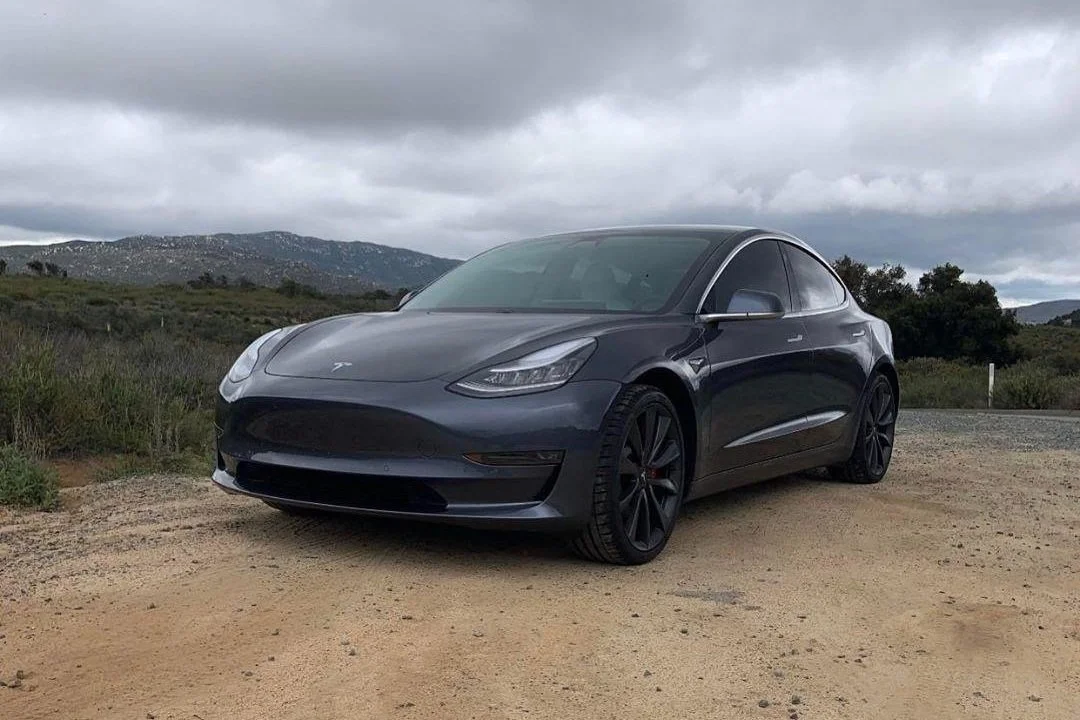
| Tesla Model 3 Long Range | 390 miles | 310–350 miles |
| BMW i4 eDrive40 | 358 miles | 290–325 miles |
| Polestar 2 Long Range | 394 miles | 315–355 miles |
| Hyundai Ioniq 6 Long Range | 381 miles | 300–345 miles |
| Mercedes CLA Electric | 492 miles | 390–445 miles |
SUVs
| Model | WLTP Range | Estimated Real-World Range |
|---|---|---|
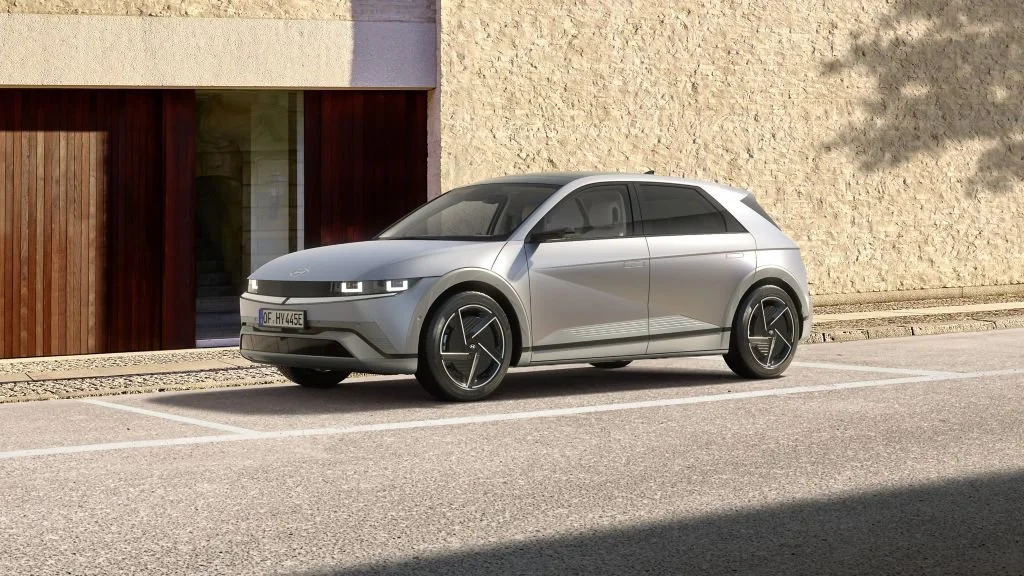
| Hyundai Ioniq 5 Long Range | 316 miles | 255–285 miles |
| Tesla Model Y Long Range | 357 miles | 285–320 miles |
| Volkswagen ID.4 Pro | 338 miles | 270–305 miles |
| Kia EV6 Long Range | 328 miles | 265–295 miles |
| Audi Q4 e-tron | 321 miles | 255–290 miles |
Luxury & Flagship EVs
| Model | WLTP Range | Estimated Real-World Range |
|---|---|---|
| Polestar 3 Long Range | 379 miles | 300–340 miles |
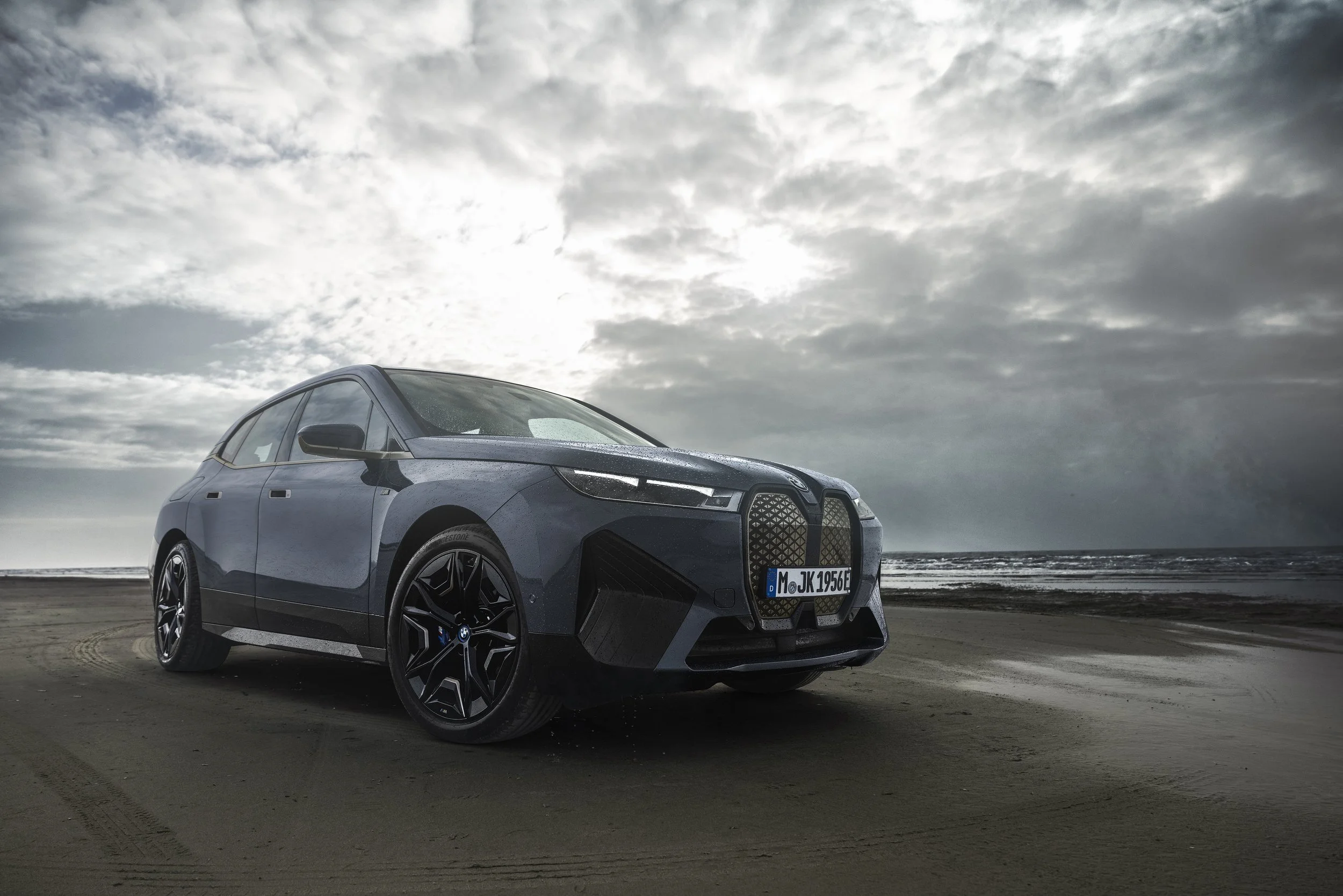
| BMW iX xDrive50 | 380 miles | 305–345 miles |
| Mercedes EQS 450+ | 453 miles | 360–410 miles |
| Audi e-tron GT | 303 miles | 240–275 miles |
Driving Style: Motorway vs City
Counterintuitively, motorway driving is harder on EV range than urban driving. At high speeds aerodynamic drag increases sharply, so a 70mph cruise uses far more energy per mile than a 30mph urban journey where regenerative braking recaptures energy at every stop. A vehicle with a 250-mile WLTP figure might deliver 280–300 miles in slow urban traffic, 220–250 miles on A-roads and dual carriageways, and 180–210 miles on sustained motorway running at 70mph or more. Understanding this profile helps with journey planning; the electric car range explained guide covers route-planning tools in detail.
Seasonal Variation: UK Summer vs Winter
Cold weather is the single biggest cause of temporary range reduction for UK drivers. The table below shows estimated real-world range across summer mixed driving and cold winter motorway conditions for 10 representative models, assuming 0–5°C with cabin heating in use.
| Model | WLTP | Summer (mixed driving) | Winter (motorway, 0-5°C) | Seasonal drop |
|---|---|---|---|---|
| Mercedes EQS 450+ | 480 miles | ~446 miles | ~322 miles | ~28% |
| Polestar 3 Long Range | 400 miles | ~372 miles | ~268 miles | ~28% |
| Hyundai Ioniq 9 | 385 miles | ~358 miles | ~258 miles | ~28% |
| Volvo EX90 | 378 miles | ~352 miles | ~253 miles | ~28% |
| Skoda Enyaq | 377 miles | ~351 miles | ~253 miles | ~28% |
| Kia EV9 | 349 miles | ~325 miles | ~234 miles | ~28% |
| Tesla Model Y Long Range | 331 miles | ~308 miles | ~222 miles | ~28% |
| Hyundai Ioniq 5 | 315 miles | ~293 miles | ~211 miles | ~28% |
| MG4 Extended Range | 323 miles | ~300 miles | ~216 miles | ~28% |
| Peugeot e-2008 | 248 miles | ~231 miles | ~166 miles | ~28% |
A seasonal drop of approximately 28% between summer mixed driving and cold winter motorway conditions is consistent with independent UK winter testing data. Models with standard-fit heat pumps, including the Hyundai Ioniq 5, Ioniq 9, Kia EV9, and Volvo EX90, typically perform at the better end of this range in cold conditions. Preconditioning the battery while plugged in before departure recovers a significant portion of cold-weather range loss.
Key Takeaways
Real-world motorway range at 70mph is typically 79% of WLTP in mild conditions and 67% in cold UK winter conditions
Heat pump fitment significantly reduces cold-weather range loss - prioritise models where it is standard rather than optional
Pre-conditioning while plugged in before a cold-weather journey is the single most effective tactic for recovering winter range
The top 20 EVs by WLTP range now cover 248-480 miles officially, with real-world motorway figures of 196-379 miles
What Affects Battery Life and Range?
Three variables have the most material impact on long-term battery health: charging habits, temperature, and state-of-charge management. A few secondary factors also affect range journey to journey.
Charging Habits
Charging behaviour is the most controllable factor in battery longevity. Geotab's 2025–26 analysis confirmed that high-power DC fast charging above 100kW is associated with higher degradation than lower-power charging. The practical hierarchy, from best to worst for battery health, is set out below.
| Charging method | Typical power | Impact on battery | Cost via Charge Scheme (7p/kWh) |
|---|---|---|---|
| AC home charging (overnight) | 7 kW | Lowest stress; optimal for daily use | ~2.0p/mile |
| AC workplace charging | 7-22 kW | Low stress; comparable to home | ~2.0p/mile |
| DC rapid charging (50-100 kW) | 50-100 kW | Moderate stress; fine occasionally | ~15p/mile (public rate) |
| DC ultra-rapid charging (100 kW+) | 100-350 kW | Higher stress; avoid as primary charging method | ~22p/mile (public rate) |
The Charge Scheme covers home AC charging at 7p/kWh off-peak, both the cheapest per-mile option and the gentlest method for the battery. For a 40% taxpayer using salary sacrifice, that rate falls further to roughly 4–5.6p/kWh after income tax and National Insurance relief. This does not mean rapid charging should be avoided entirely; occasional DC rapid charging on long journeys has a negligible impact on battery health. The concern is relying on 100kW+ chargers as the primary daily method rather than as a supplement to home charging.
Temperature Extremes
Vehicles operating in hotter climates experience moderately faster battery degradation, with an estimated 0.4% additional annual impact compared with milder regions. UK temperatures are moderate by global standards - this places UK drivers at a natural advantage relative to the global fleet averages in the Geotab dataset.
Cold weather affects range more visibly than it affects long-term battery health. The two effects are distinct:
Cold weather and range: temporary reduction of approximately 28% in extreme conditions, recovered when temperatures normalise
Heat and long-term degradation: sustained high ambient temperatures accelerate permanent capacity loss over the years
Most modern EVs use active thermal management systems that maintain the battery within an optimal temperature window regardless of ambient conditions. This is one reason newer EVs degrade more slowly than the early generation of EVs without active cooling.
State of Charge
Keeping the battery between 20% and 80% state of charge for daily use is the most widely cited battery longevity recommendation, and the data support it. Regularly charging to 100% or allowing the battery to drain below 10% puts additional stress on the cells at the extremes of their electrochemical range.
| Charging habit | Recommended for | Effect on longevity |
|---|---|---|
| Charge to 80% daily | Daily commuting and typical use | Optimal - preserves cell chemistry |
| Charge to 100% | Before long trips only | Fine occasionally; not for daily use |
| Keep above 20% | All conditions | Avoids deep discharge stress |
| Use scheduled charging | Overnight home charging | Allows battery to finish charging close to departure time, minimising time at 100% |
Most EVs allow you to set a charging limit - typically via the car's app or infotainment system. Setting this to 80% for daily use and overriding it to 100% before long trips is the single most impactful daily habit for battery longevity.
The practical range difference between 80% and 100% on a 300-mile WLTP car is approximately 60 miles - sufficient for the vast majority of UK daily journeys without any compromise.
Secondary Range Factors
Several smaller factors have a measurable impact on range journey to journey. Passenger and cargo weight increases consumption, particularly on hilly terrain. Resistive cabin heating on cold days can cut range by 10–20%, whereas EVs with heat pumpsare considerably more efficient. Under-inflated tyres raise rolling resistance, so check pressures monthly, as EVs are heavier than equivalent petrol cars and most manufacturers recommend slightly higher pressures. Roof boxes and bike racks significantly affect aerodynamics at motorway speeds.
Key Takeaways
Home AC charging at 7 kW is the best-for-battery and lowest-cost charging method - combine it with The Charge Scheme for the lowest effective rate
DC rapid charging above 100 kW accelerates degradation - use it for long journeys, not as a daily charging method
Set your daily charge limit to 80% and override to 100% before long trips only
UK moderate temperatures place British drivers at a natural degradation advantage vs the global average in the Geotab dataset
How to Maximise Battery Life and Range
Five evidence-based tactics, ranked by impact, apply throughout a salary sacrifice lease and have a cumulative effect on the battery's state of health at the point of return.Charging at home on AC overnight has the highest impact. Slow 7kW charging is the gentlest method and the cheapest per mile; via The Charge Scheme at 7p/kWh, a full charge on a 77kWh battery costs around £5.39, and salary sacrifice relief reduces this further for eligible employees. Setting a daily charge limit of 80% and overriding to 100% only before long trips is the single most meaningful habit for long-term capacity retention.Preconditioning while plugged in warms or cools the cabin and battery using grid power rather than battery power, which matters most in cold weather when batteries are least efficient, and most EVs support scheduling through a smartphone app. Avoiding deep discharges below 10% protects the cells at the lower end of their range; planning charging stops on longer journeys helps here, and our guide on how to get the most range from your electric car covers route planning in full. Finally, reserving DC rapid charging for journeys where speed genuinely matters protects both battery health and cost.
Salary Sacrifice and Battery Risk: Why It Matters
Battery anxiety, the concern about long-term capacity loss, replacement costs, and resale value, is one of the most commonly cited barriers to EV adoption. A salary sacrifice scheme removes this concern almost entirely for both employee and employer.
For the Employee
On a standard 36-month salary sacrifice lease, the battery is covered by the manufacturer's warranty for the full term and then some. At the end of 36 months the average battery retains approximately 93–95% of its original capacity based on the Geotab 2025–26 dataset. The employee returns the car, so any subsequent degradation, future capacity loss, or post-lease battery behaviour is simply not their problem. This contrasts directly with personal ownership or PCP finance, where the owner carries the full depreciation and degradation risk: a battery that drops to 75% capacity at year six of personal ownership is a real reduction in resale value and daily usability, whereas with salary sacrifice that risk never materialises for the driver.The wider financial case reinforces the point. With the 2026/27 Benefit-in-Kind rate for pure EVs at just 4%, compared with up to 37% for high-emission petrol cars, employees can save 20–50% on the cost of leasing a brand-new electric car against a standard personal lease, with no exposure to battery replacement costs throughout the scheme term. Use the salary sacrifice calculator to see what you could save, and our guide to Benefit-in-Kind on electric cars for how the 4% rate is applied.
For the Employer
Employers offering salary sacrifice on higher-value EVs, particularly premium SUVs above £60,000, naturally want certainty about what happens if an employee leaves mid-term. The Electric Car Scheme's Complete Employer Protection covers employers from Day 1 against early termination costs if an employee resigns, is made redundant, or goes on long-term leave, with no exclusion period and no excess to pay. This is the employer-side equivalent of the employee's battery-risk removal: just as the employee does not carry degradation risk, the employer does not carry termination risk. Both sides are de-risked from Day 1, which is what makes salary sacrifice on premium, higher-value EVs viable for businesses that would otherwise hesitate. You can see how the numbers work for your organisation in our guide to how salary sacrifice works for companies.
Key Takeaways
A 36-month salary sacrifice lease sits entirely within the manufacturer battery warranty on all major brands.The employee returns the car at the end of the term, so degradation risk beyond that point is not their concern.Salary sacrifice transfers battery depreciation risk off the employee more completely than any other financing method.Complete Employer Protection covers employers from Day 1 against early termination liability on all models.
Frequently Asked Questions
How long does an electric car battery last?
Most EV batteries carry an 8-year/100,000-mile manufacturer warranty guaranteeing at least 70% capacity. In practice, Geotab's 2025–26 analysis of 22,700+ vehicles confirms average degradation of 2.3% per year, projecting 81.6% capacity after eight years. Real-world data suggests most batteries last 13–15 years before a meaningful capacity drop.
How far can an electric car go on one charge in 2026?
The longest-range EV available in the UK is the Mercedes EQS 450+ at 480 miles WLTP and around 379 miles real-world at 70mph. Most mainstream EVs deliver 250–350 miles in real-world mixed conditions, while small city EVs and older models typically deliver 180–250 miles. The average new EV sold in the UK in 2026 exceeds 300 miles WLTP.
Do electric car batteries wear out?
Yes, gradually. Average degradation is approximately 2.3% per year based on Geotab's 2025–26 study, meaning around 10–12% total loss after eight years. This is well above the 70% warranty threshold, so most drivers never need a battery replacement. Degradation is slower in moderate climates and with good charging habits.
Should I charge my EV to 100% every night?
No. Setting a daily charge limit of 80% and overriding to 100% only before long trips preserves battery chemistry. Most EVs allow a charge limit to be set via the car's app. The practical range difference between 80% and 100% on a 300-mile WLTP car is around 60 miles, sufficient for the vast majority of UK daily journeys.
How much does it cost to replace an EV battery?
Full replacement typically costs £5,000–£15,000 depending on model and pack size, though targeted replacement of individual cells is far cheaper and more common. Full replacement is rare within an EV's practical life, and pack costs have fallen over 80% in the past decade. On a salary sacrifice scheme you return the car within warranty, so replacement cost is never the driver's concern.
Is the battery covered if I salary sacrifice an electric car?
Yes. The manufacturer's battery warranty applies in full throughout a salary sacrifice scheme. On a standard 36-month term the battery is covered for the entire period with five or more years of warranty remaining at return, and the employee carries no battery degradation or replacement risk during or after the lease.
Do electric cars lose range in cold weather?
Yes, by approximately 28% between summer mixed driving and cold motorway conditions at 0–5°C with heating in use, based on independent UK winter testing data. Preconditioning the battery and cabin while still plugged in recovers a significant portion of this loss, and models with standard-fit heat pumps perform better in the cold.
The Bottom Line
Electric car battery life and range are no longer the unknowns they once were. The technology is mature, warranties are consistent across every major brand, and independent data from tens of thousands of vehicles confirms that batteries far outlast early fears, degrading around 2.3% a year and holding well above the 70% warranty threshold for a decade or more. For most UK employees, the most cost-effective and lowest-risk route to a new electric car remains a salary sacrifice scheme: with the 2026/27 BiK rate at 4%, savings of 20–50% versus a standard lease, Complete Employer Protection from Day 1, and no battery risk during the term.See what you could save with our salary sacrifice calculator, or explore how the scheme works for companies if you are an employer considering offering it.
Take the next step and see how much you could save on the cost of an EV through salary sacrifice by using our calculator, or you can read the guide on the best long-range EVs worth considering.
Are you an employer?
BOOK A DEMOAre you an employee?
SEE AVAILABLE CARSYou might also like…




Last updated: 02/06/2026
Information and prices provided are accurate at the time of release and may be subject to change. Our pricing is based on data collected from The Electric Car Scheme quote tool. All final pricing is inclusive of VAT. All prices above are based on the following lease terms; Using a flat payment profile, 10,000 miles pa, 36 months, and are inclusive of Maintenance and Breakdown Cover. The Electric Car Scheme’s terms and conditions apply. All deals are subject to credit approval and availability. All deals are subject to excess mileage and damage charges. Prices are calculated based on the following tax saving assumptions; England & Wales, 40% tax rate. The Electric Car Scheme Limited provides services for the administration of your salary sacrifice employee benefits. The Electric Car Scheme Holdings Limited is a member of the BVRLA (10608), is authorised and regulated by the FCA under FRN 968270, is an Appointed Representative of Marshall Management Services Ltd under FRN 667174, and is a credit broker and not a lender or insurance provider.
Copyright and Image Usage: All images used on this website are either licensed for commercial use or used with express permission from the copyright holders, in compliance with UK and EU copyright law. We are committed to respecting intellectual property rights and maintaining full compliance with applicable regulations. If you have any questions or concerns regarding image usage or copyright matters, please contact us at marketing@electriccarscheme.com, and we will address them promptly.
