EV Salary Sacrifice Questions Answered: The Ultimate 2026 Guide
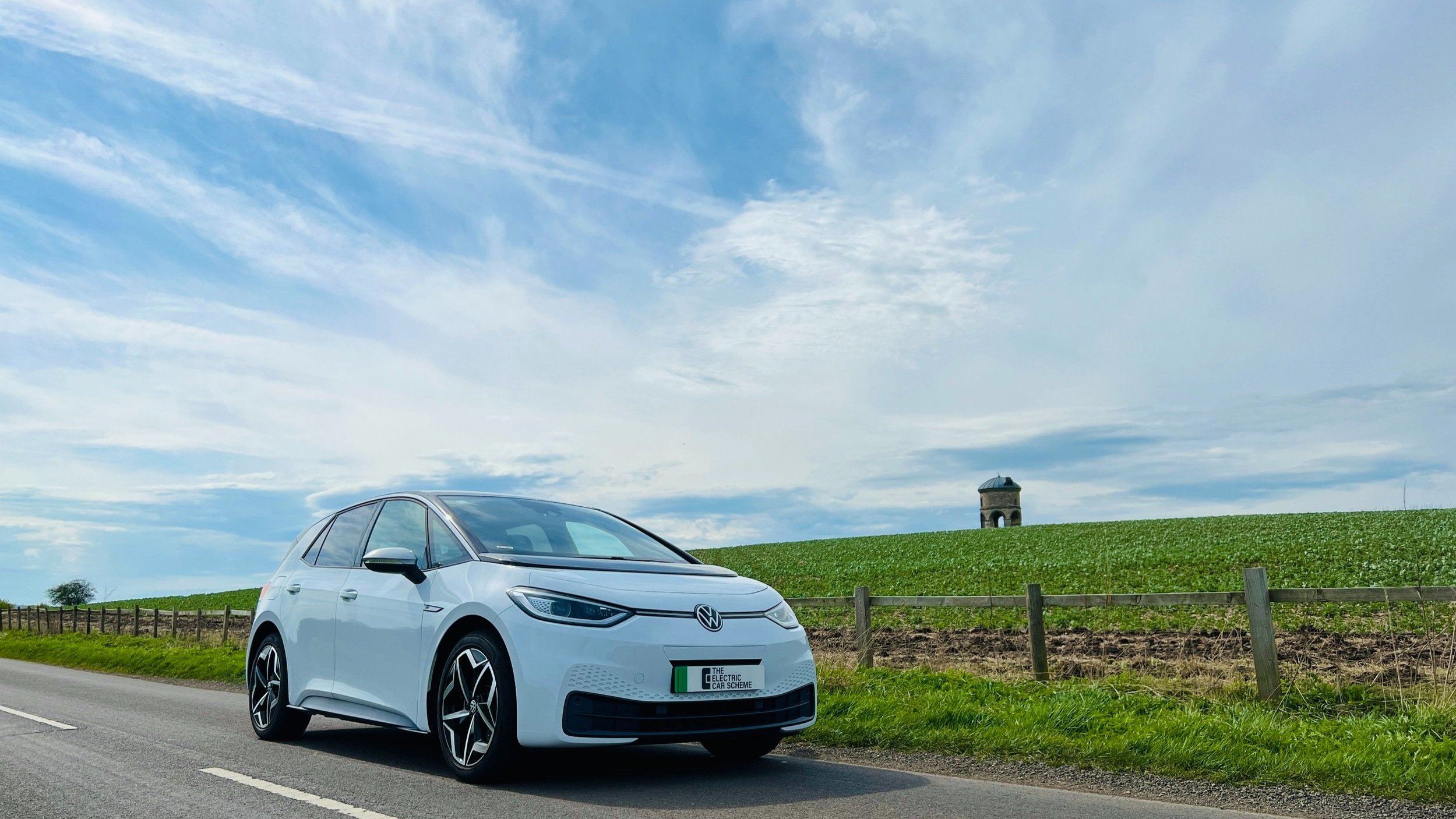
Salary sacrifice is one of those benefits you’ve probably heard a lot about, but maybe never fully explored. Is it really as good as it sounds? Will it affect your pay, your mortgage, or your pension? And why do electric cars keep coming up in the same conversation?
This page was written to answer a broad range of EV salary sacrifice questions in one place! The questions are grouped into five categories. You can use Ctrl+F (or Cmd+F on Mac) to jump directly to a specific question.
Category 1: Getting Started
Q1: What Is Electric Car Salary Sacrifice?
Electric car salary sacrifice is a government-approved employee benefit that allows you to lease a fully electric vehicle using your gross salary before Income Tax and National Insurance are deducted. Because the payment is taken pre-tax, your taxable income reduces, and you pay only a small Benefit-in-Kind charge based on the car’s P11D value. In 2025/26, the BiK rate for zero-emission vehicles is just 4%, making this structure highly tax efficient.
In practical terms, electric car salary sacrifice is often the most affordable way to access a new EV in the electric car scheme UK market.
Q2: Who Is Eligible For An EV Salary Sacrifice Scheme?
Eligibility for an EV salary sacrifice scheme depends on your employer offering a salary sacrifice scheme and your salary remaining above the National Minimum Wage after the deduction. Most permanent PAYE employees qualify, including part-time staff, provided affordability checks confirm compliance. Employers define their own internal criteria, but the key rule is that post-sacrifice salary cannot fall below statutory minimum thresholds. A company electric car scheme is now common across private, public, and third-sector organisations.
Q3: How Do I Sign Up To An Electric Car Salary Sacrifice Scheme?
To sign up for electric car salary sacrifice, you apply through your employer’s benefits platform or directly via The Electric Car Scheme portal. After choosing your vehicle, mileage, and contract length, you receive a personalised illustration showing projected savings, estimated net cost, and expected Benefit-in-Kind impact.
Once approved, payroll integrates the pre-tax deduction, and the vehicle order is placed with the leasing provider. The process is designed to minimise HR administration while giving employees full transparency before committing!
Q4: What Cars Are Available?

Most new fully electric models are available through electric car salary sacrifice, including city cars, family SUVs, and premium executive vehicles. The Electric Car Scheme also offers used electric cars, making the total monthly cost more affordable than before! Because all qualifying zero-emission vehicles benefit from the same low BiK rate, employees have wide flexibility without losing tax efficiency.
Image source: Shutterstock
Availability depends on leasing partners and employer policy, but the electric car scheme UK market now covers over 100 EV models, giving employees lots of choice across price points.
Q5: How Long Are Are EV Salary Sacrifice Leases?
Electric car salary sacrifice contracts typically run for 24, 36, or 48 months. The most common option is 36 months because it balances affordability with flexibility. Mileage is agreed upfront and influences the monthly deduction, so selecting a realistic annual estimate is important. Longer contracts usually reduce the monthly cost but extend the commitment.
Mid-term changes are limited because a salary sacrifice electric car agreement is underpinned by a fixed-term lease. Choosing the correct term at the outset helps avoid unnecessary early termination scenarios later!
Q6: Can I Get A Used Electric Car Through Salary Sacrifice?
Some providers allow nearly new EVs within a salary sacrifice scheme, although most programmes prioritise new vehicles due to manufacturer warranty and servicing coverage. Used electric vehicles still qualify for low Benefit-in-Kind treatment if they are fully electric, meaning the same 4% BiK rate applies in 2026/27.
Availability depends on employer policy and leasing supply. Choosing a nearly new vehicle can reduce monthly cost while maintaining the core tax advantages of an electric car salary sacrifice.
Q7: What Is Included In A Salary Sacrifice Car Package?
Most electric car salary sacrifice packages are fully bundled. The monthly deduction typically includes the vehicle lease, fully comprehensive insurance, servicing, maintenance, breakdown cover and road tax. Charging costs are separate unless integrated with a salary sacrifice charging solution, like the The Charge Scheme.
This bundled structure removes surprise expenses and makes budgeting predictable for employees participating in a salary sacrifice scheme.
Q8: Can Part-Time Employees Join?
Part-time employees can usually join a company's electric car scheme if their post-sacrifice earnings remain above the National Minimum Wage. Affordability modelling ensures compliance with HMRC rules and protects lower earners. Because an electric car salary sacrifice scheme reduces gross pay, employers must verify that participation does not breach NMW thresholds.
Where affordability is tight, choosing a lower-cost vehicle or longer lease term may make eligibility possible.
Q9: Is There A Minimum Salary Requirement?
There is no fixed national minimum salary for electric car salary sacrifice, but your post-deduction pay must remain above the National Minimum Wage. Higher earners typically have access to a broader vehicle range because affordability calculations allow greater flexibility. The salary sacrifice scheme is structured to remain compliant with employment law and HMRC guidance, ensuring employees are not placed under financial strain.
Q10: What Does The Monthly Cost Include?
The monthly deduction in electric car salary sacrifice covers the bundled lease package.
In addition, employees pay a small Benefit-in-Kind charge via payroll based on the car’s P11D value and the prevailing BiK rate. Even after BiK is applied, the overall cost is often significantly lower than personal leasing because Income Tax and National Insurance savings reduce net expenditure.
Key Takeaways
Electric car salary sacrifice reduces taxable income and applies a 4% BiK rate in 2025/26.
Most PAYE employees qualify if they remain above NMW.
Packages typically include insurance, maintenance and road tax.
Used EVs may be available while retaining tax efficiency.
Category 2: Tax And Finance Questions
Q11: How Much Can I Save With An EV Salary Sacrifice Scheme?
Savings depend on your income tax band, National Insurance rate, and chosen vehicle.
Because payments are deducted before tax and the BiK rate is only 4% in 2026/27, many employees save between 20–50% compared to personal leasing. Higher-rate taxpayers often benefit most because their marginal tax and NI rates are higher.
To understand exactly how much you can save with an EV salary sacrifice scheme, use our Salary Sacrifice Calculator for a personalised estimate.
Q12: What Is Benefit-in-Kind?
Benefit-in-Kind is the tax applied to non-cash benefits provided by your employer, including cars obtained through a salary sacrifice scheme. For zero-emission vehicles, the Benefit-in-Kind rate is 4% in 2026/27, rising 1% annually thereafter. This low rate is what makes electric car salary sacrifice financially compelling compared to petrol or diesel alternatives.
Q13: How Is BiK Calculated?
BiK is calculated by multiplying the vehicle’s P11D value by the applicable BiK rate, then applying your income tax band.
From April 2026, the BiK rate for fully electric cars is 4%. For example, a £40,000 EV at 4% produces £1,600 of taxable benefit. A 20% taxpayer would pay £320 annually, while a 40% taxpayer would pay £640. Even at 4%, electric car salary sacrifice remains highly attractive because the Benefit-in-Kind percentage is still significantly lower than petrol or diesel vehicles!
Q14: Will Salary Sacrifice Affect My Pension?
Electric car salary sacrifice can affect pension contributions if they are calculated on post-sacrifice salary. Some employers protect pension accrual by using notional pre-sacrifice salary for contribution purposes. Understanding how your employer structures contributions is important before enrolling.
Q15: Will It Affect My Mortgage?
Mortgage lenders may assess affordability using post-sacrifice income, which can slightly alter borrowing capacity. However, many lenders consider total financial position, including reduced motoring costs. Electric car salary sacrifice is documented clearly on payslips, so discussing the arrangement with a broker in advance avoids confusion.
Q16: How Do I Declare It On A Tax Return?
Most employees don’t manually declare the benefit because employers report it via payroll and P11D submissions.
If you complete a self-assessment, HMRC generally pre-populates the benefit amount. Electric car salary sacrifice is therefore administratively straightforward for employees.
Q17: Does My Employer Save Money Through EV Salary Sacrifice Schemes?
Yes. Employers save 15% Employer National Insurance on the sacrificed salary. In many cases, these savings offset administration costs entirely, making a company electric car scheme financially neutral or positive. For large organisations, aggregated NI savings can be substantial, strengthening the commercial case for implementation.
Q18: What Is A P11D?
A P11D is the form used to report taxable benefits, including vehicles provided under electric car salary sacrifice. It details the car’s P11D value and associated Benefit-in-Kind charge.
Q19: What Is The National Minimum Wage Rule?
Salary sacrifice cannot reduce an employee’s pay below the National Minimum Wage. Employers must verify compliance before approval. This ensures electric car salary sacrifice operates within HMRC and employment law guidelines.
Q20: When Will I Notice The Savings From Salary Sacrifice?
Savings begin from the first payroll cycle after vehicle delivery. Because deductions reduce taxable income immediately, Income Tax and National Insurance savings apply from month one of participation in the salary sacrifice scheme.
Key Takeaways
The 4% BiK rate is central to employee savings.
Employers save 15% NI on sacrificed salary.
Pension and mortgage impacts depend on structure.
Savings start from the first payroll deduction.
Category 3: What Happens During The Lease?
Q21: What Happens If I Leave My Job During The Lease?
If you leave your employer while enrolled in an electric car salary sacrifice scheme, early termination provisions apply. The exact outcome depends on employer policy and scheme design. Some salary sacrifice schemes allow lease transfer to a new employer if they also operate a compatible programme. Others may require early settlement, which can create cost exposure. The Electric Car Scheme addresses this through Complete Employer Protection, reducing financial risk for organisations.
It’s important to understand these terms before enrolling, so employees and employers can enter the arrangement with clarity.
Q22: What If I Go On Maternity, Paternity Or Long-Term Leave?
Electric car salary sacrifice continues during statutory leave, but reduced income may affect affordability because deductions are made from gross pay.
Employers take different approaches: some temporarily absorb shortfalls, while others rely on early termination clauses if affordability cannot be maintained. It is important to review your organisation’s policy before joining the salary sacrifice scheme.
Q23: Can I Change My Car Mid-Lease?
Most electric car salary sacrifice agreements are fixed-term contracts underpinned by a leasing arrangement. This means changing vehicles mid-lease is generally not possible without triggering early termination charges. Because the salary sacrifice scheme is structured around a defined contract length and mileage, flexibility is limited once the vehicle is ordered.
Source: Shutterstock
Selecting the right model, mileage, and term at the beginning is essential. Reviewing projected savings and usage carefully before signing helps avoid later complications.
Q24: What Happens If The Car Is Damaged?
In most electric car salary sacrifice arrangements, fully comprehensive insurance is included in the monthly package. This typically covers accidental damage, theft, and third-party liability, subject to policy excess and wear-and-tear guidelines. Because insurance is bundled, drivers benefit from standardised cover aligned with employer requirements.
It is your job to make sure incidents are reported promptly and servicing schedules are maintained, which protects both warranty and lease conditions.
Q25: Am I Responsible For Servicing And Maintenance?
Servicing and maintenance are usually included within electric car salary sacrifice packages, meaning routine servicing costs are covered. However, drivers remain responsible for arranging appointments in line with manufacturer schedules.
Failure to maintain the vehicle correctly could affect warranty coverage. This bundled approach simplifies ownership and removes many of the unpredictable costs associated with traditional driving.
Q26: Can I Use The Car For Business Mileage?
Yes. Vehicles obtained through electric car salary sacrifice can be used for both personal and business mileage unless restricted by employer policy. Employers can reimburse business miles using HMRC’s Advisory Electric Rate.
This reimbursement is separate from the salary sacrifice deduction and does not affect the underlying Benefit-in-Kind calculation. Combining personal tax efficiency with business mileage reimbursement often strengthens the overall financial case.
Q27: What Happens With Road Tax?
Vehicle Excise Duty is generally included within the monthly lease cost in a salary sacrifice scheme. This means employees do not need to arrange separate road tax payments. Including VED within the package supports administrative simplicity and predictable budgeting. Although fully electric vehicles are subject to evolving VED rules, bundled inclusion ensures compliance is handled centrally by the leasing provider.
Q28: Who Insures The Vehicle?
Insurance is typically bundled into electric car salary sacrifice agreements. Policies are structured to meet employer risk standards and provide fully comprehensive cover for employees. This removes the need for individuals to source separate insurance and ensures consistent policy terms across participants.
Q29: What Mileage Limits Apply?
Mileage limits are agreed at the start of the contract, commonly between 5,000 and 20,000 miles per year. Higher mileage increases the monthly deduction because projected depreciation is greater. Selecting realistic usage helps avoid excess mileage charges at contract end.
Careful mileage planning is particularly important in a salary sacrifice electric car agreement because adjustments mid-term are limited.
Q30: What If I Exceed My Agreed Mileage?
If mileage exceeds the agreed annual limit, excess charges apply at a pre-defined per-mile rate when the lease ends. These rates are specified in the contract documentation. Monitoring mileage throughout the term helps prevent unexpected costs. Although excess charges are not unique to electric car salary sacrifice, understanding them is important for accurate budgeting within the scheme!
Key Takeaways
Early termination rules apply if employment changes.
Insurance and servicing are usually bundled.
Business mileage reimbursement is separate from salary sacrifice.
Selecting accurate mileage upfront reduces end-of-lease charges.
Category 4: Charging And Running Costs
Q31: Can I Charge At Home Through The Scheme?
Yes. Most participants in electric car salary sacrifice charge primarily at home because it is usually the most cost-effective method. Installing a dedicated home charger allows faster, safer overnight charging - and if you have an EV tariff, it makes it substantially cheaper too!

Some employers allow charging costs or hardware to be bundled via salary sacrifice. Home charging typically delivers the lowest cost per mile, particularly when combined with off-peak electricity tariffs.
Image source: Shutterstock
Some employers allow charging costs or hardware to be bundled via salary sacrifice. Home charging typically delivers the lowest cost per mile, particularly when combined with off-peak electricity tariffs.
Q32: Can I Charge My Car At Work?
Many organisations offering a company electric car scheme also provide workplace charging facilities. This supports employees who lack home charging access and aligns with corporate sustainability goals. Workplace charging may be offered free or subsidised, depending on employer policy. Providing infrastructure alongside electric car salary sacrifice strengthens adoption and supports broader decarbonisation objectives!
Q33: What Is The Charge Scheme?
The Charge Scheme allows public charging costs to be incorporated into your monthly deduction within the salary sacrifice scheme. Rather than paying for charging separately, eligible costs can be structured tax efficiently. Integrating charging support makes this more affordable and simplifies cost management.
Q34: How Much Does It Cost To Charge An EV?
Charging costs depend on electricity tariffs, battery size, and charging location. Home charging on off-peak tariffs is typically far cheaper per mile than petrol or diesel. Public rapid charging costs more but offers speed and convenience. For most electric car salary sacrifice participants, combining home and occasional public charging delivers optimal value.
Q35: What Is The Cheapest Way To Charge My Electric Car?
The cheapest method is generally overnight home charging using an off-peak tariff and a smart charger. Smart chargers allow energy use to be scheduled during low-rate periods. This approach significantly reduces running costs compared to traditional fuels, strengthening the overall savings achieved through electric car salary sacrifice.
Q36: Can I Include A Home Charger In My Scheme?
Some employers allow home charger installation to be incorporated within the salary sacrifice scheme. Including installation within the scheme may spread the cost over time and make this option more affordable for you!
Q37: What Charging Connectors Do Electric Cars Use?
Most UK electric vehicles use a Type 2 connector for standard AC charging and a CCS connector for rapid DC charging. These are widely supported across public infrastructure. Understanding compatibility ensures smooth day-to-day use under a salary sacrifice electric car arrangement.
Q38: How Long Does It Take To Charge An EV?
Charging time depends on battery size and charger speed. A typical home charger may fully recharge a vehicle in 4–10 hours, making overnight charging convenient. Rapid chargers can deliver 10–80% charge in around 30–40 minutes. Actual time varies by vehicle model and charging power.
Q39: What If I Don’t Have A Driveway?
Drivers without driveways can still participate in electric car salary sacrifice by using workplace charging or public networks. Many local authorities are expanding on-street charging access. Charging infrastructure continues to expand nationwide, supporting broader EV adoption.
Q40: Are EV Charging Costs Tax Deductible?
Private electricity costs are not tax-deductible. However, employers may reimburse business mileage at HMRC advisory electric rates. This reimbursement sits outside the salary sacrifice deduction and does not affect the underlying Benefit-in-Kind calculation.
Key Takeaways
Home charging is typically the cheapest option.
Charging support can be integrated into structured schemes.
Public infrastructure supports drivers without driveways.
Business mileage reimbursement remains available.
Category 5: Fleet And Employer Questions

Image source: Shutterstock
Q41: Is There A Cost To The Employer?
In most cases, there is no net cost to the employer when implementing electric car salary sacrifice. Employers save 15% Employer National Insurance on the amount employees sacrifice from their gross salary. These NI savings frequently offset administration costs, platform fees, and programme support. For larger organisations, cumulative NI savings can be substantial across the workforce.
When structured correctly, a company electric car scheme becomes one of the few employee benefits that is both financially neutral and strategically valuable.
Q42: What Is Complete Employer Protection?
Complete Employer Protection is The Electric Car Scheme’s structured risk mitigation model designed to protect organisations from early termination exposure. In traditional salary sacrifice schemes, employers can carry financial liability if an employee leaves mid-lease.
Complete Employer Protection removes or significantly reduces that risk from day one. This is one of the most important developments in the electric car scheme UK market because it addresses the main barrier to enterprise adoption. By eliminating financial uncertainty, employers can implement electric car salary sacrifice confidently and at scale!
Q43: How Does Payroll Integration Work?
Payroll integration for electric car salary sacrifice is designed to be straightforward. Once an employee enrols, the agreed monthly deduction is processed through standard payroll systems as a pre-tax salary reduction. Providers supply deduction schedules and reporting files to ensure compliance with HMRC rules.
Because the salary sacrifice scheme adjusts gross pay before tax and National Insurance calculations, payroll accuracy is essential. Modern integration tools automate this process, reducing administrative burden for HR and finance teams.
Q44: How Do We Report Benefit-in-Kind?
Benefit-in-Kind for vehicles provided under electric car salary sacrifice must be reported via payroll and P11D processes.
Employers calculate the taxable benefit using the vehicle’s P11D value and the applicable BiK rate. Because fully electric vehicles benefit from a low Benefit-in-Kind percentage, reporting remains straightforward compared to higher-emission vehicles. Accurate reporting ensures compliance while maintaining transparency for employees.
Q45: What Fleet Data Do Employers Receive?
Employers implementing a company electric car scheme typically receive reporting on employee uptake, carbon emissions reduction and cost modelling. This data supports ESG disclosures and sustainability reporting requirements. Structured reporting can also assist with carbon accounting frameworks. Electric car salary sacrifice, therefore, contributes not only to employee benefit strategy but also to measurable environmental impact.
Q46: Can Electric Car Salary Sacrifice Replace Car Allowances?
Yes. Many organisations position electric car salary sacrifice as an alternative to traditional car allowance structures. Instead of providing taxable allowances that employees use independently, employers can offer a structured salary sacrifice scheme that delivers tax efficiency and environmental alignment. This approach improves financial predictability and strengthens corporate sustainability commitments.
A company electric car scheme can therefore complement or replace legacy fleet policies while delivering improved employee value.
Q47: How Does Salary Sacrifice Support ESG Strategy?
Electric car salary sacrifice supports ESG objectives by accelerating EV adoption across the workforce without requiring capital outlay from the employer. Each participating employee reduces tailpipe emissions compared to petrol or diesel alternatives. Aggregated across hundreds or thousands of employees, this transition can materially reduce Scope 3 emissions. By combining financial efficiency with environmental impact, the salary sacrifice scheme becomes a strategic ESG lever rather than simply an employee perk.
Q48: How Should Employers Communicate The Scheme Internally?
Effective communication is critical for adoption. Employers typically launch electric car salary sacrifice with internal briefings, FAQs, webinars and savings calculators. Clear explanation of tax benefits, the BiK rate, and NI savings improves understanding and trust.
The Electric Car Scheme provides structured communication materials to support rollout and engagement. Transparent messaging ensures employees understand both financial benefits and responsibilities before enrolling.
Q49: Can Employers Limit Vehicle Choice?
Yes. Employers can set vehicle price caps, grade-based eligibility bands or emissions criteria to manage affordability and fairness. These guardrails ensure that electric car salary sacrifice aligns with the broader reward strategy.
Defining parameters upfront prevents inconsistencies and supports sustainable programme growth. Structured governance is particularly important in large enterprises adopting a company electric car scheme at scale.
Q50: How Does The ZEV Mandate Impact Employers?
The UK’s Zero Emission Vehicle mandate increases the proportion of new vehicle sales that must be electric over time. While the mandate applies to manufacturers, employers face indirect pressure to decarbonise fleets and support EV adoption. Electric car salary sacrifice accelerates workforce transition cost-neutrally, helping organisations align with policy direction.
A salary sacrifice scheme, therefore, supports compliance readiness and long-term sustainability strategy.
Key Takeaways
Employers save 15% NI on sacrificed salary.
Complete Employer Protection removes early termination risk.
Structured reporting supports ESG and carbon disclosures.
Electric car salary sacrifice can replace traditional car allowances.
Is Salary Sacrifice Worth Considering?
Electric car salary sacrifice remains the most tax-efficient way to access a new EV in the UK. With a 4% Benefit-in-Kind rate in 2026/27, immediate Income Tax and National Insurance savings, and 15% employer NI reductions, the financial case is strong for both employees and organisations.
For enterprises, a well-structured salary sacrifice scheme supported by Complete Employer Protection removes financial risk while supporting ESG reporting and long-term fleet transition! Learn more about our salary sacrifice car scheme.
Are you an employer?
BOOK A DEMOAre you an employee?
SEE AVAILABLE CARSLast updated: 20/05/2026
Our pricing is based on data collected from The Electric Car Scheme quote tool. All final pricing is inclusive of VAT. All prices above are based on the following lease terms; 10,000 miles pa, 36 months, and are inclusive of Maintenance and Breakdown Cover. The Electric Car Scheme's terms and conditions apply. All deals are subject to credit approval and availability. All deals are subject to excess mileage and damage charges. Prices are calculated based on the following tax saving assumptions; England & Wales, 40% tax rate. The above prices were calculated using a flat payment profile. The Electric Car Scheme Limited provides services for the administration of your salary sacrifice employee benefits. The Electric Car Scheme Holdings Limited is a member of the BVRLA (10608), is authorised and regulated by the FCA under FRN 968270, is an Appointed Representative of Marshall Management Services Ltd under FRN 667174, and is a credit broker and not a lender or insurance provider.
Copyright and Image Usage: All images used on this website are either licensed for commercial use or used with express permission from the copyright holders, in compliance with UK and EU copyright law. We are committed to respecting intellectual property rights and maintaining full compliance with applicable regulations. If you have any questions or concerns regarding image usage or copyright matters, please contact us at marketing@electriccarscheme.com and we will address them promptly.