
London Congestion Charge for Electric Vehicles 2026: What EV Drivers Need to Know
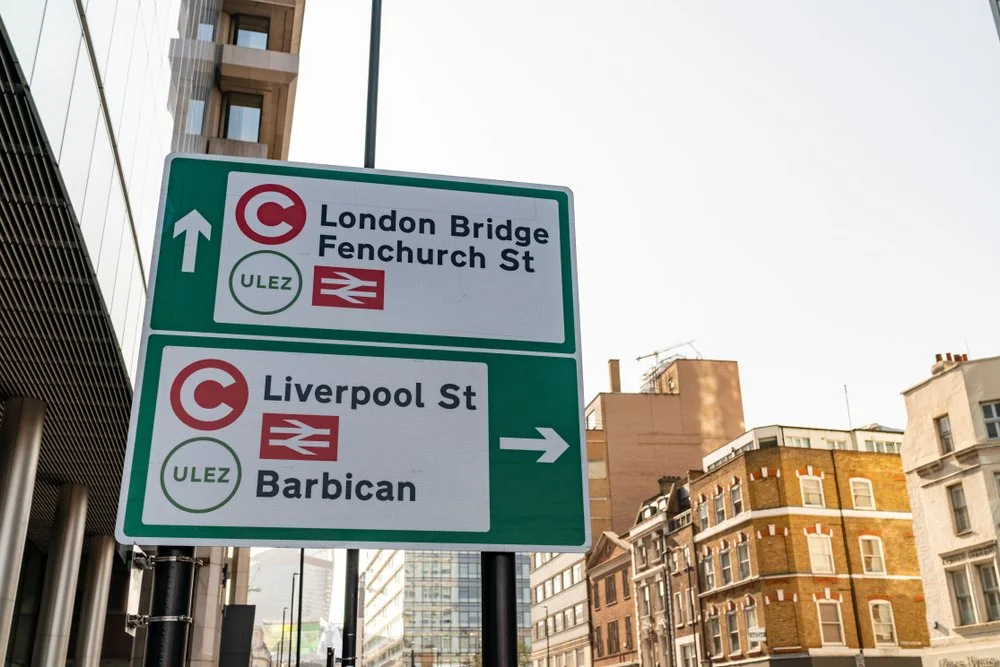
Image source: Shutterstock
The landscape for electric vehicle drivers in London has fundamentally changed. From 2 January 2026, EV owners are paying the London Congestion Charge for the first time in the scheme's history. After enjoying a 100% exemption since 2021, electric car drivers now face a daily charge when entering central London.
However, before you reconsider your switch to electric, the complete picture reveals that EVs remain by far the most economical and practical choice for London motorists—especially when accessed through an electric car salary sacrifice scheme.
What Is the London Congestion Charge?
The London Congestion Charge is a daily fee imposed on most vehicles driving in central London during specific hours. First introduced on 17 February 2003, the charge aims to reduce traffic congestion in the capital's busiest areas, improve air quality, and encourage the use of public transport, cycling, and walking.
Operating Hours:
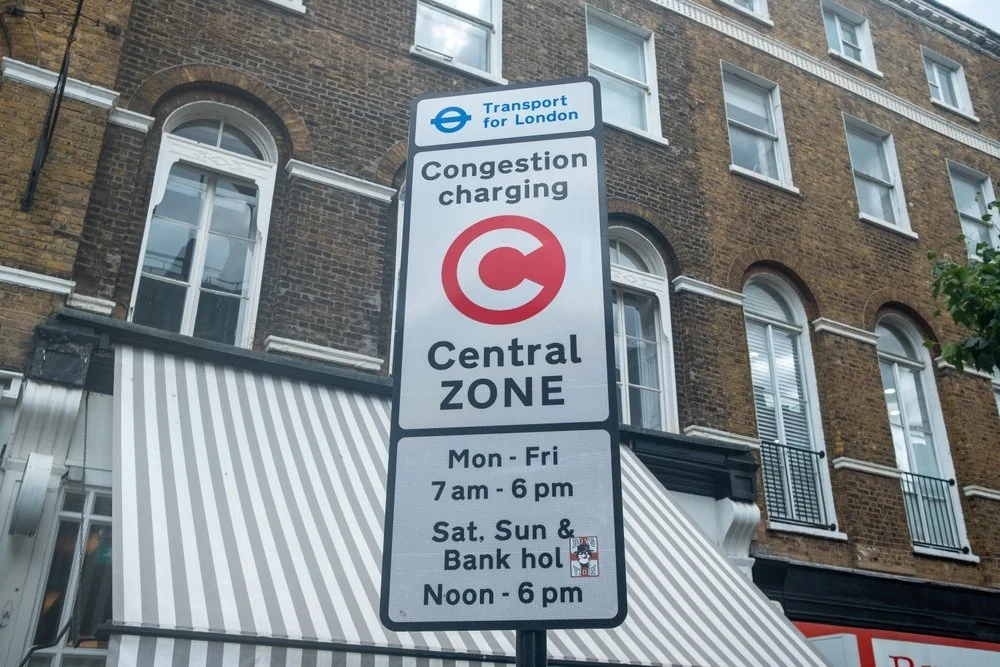
Monday to Friday: 7:00am – 6:00pm
Saturday, Sunday, and Bank Holidays: 12:00pm – 6:00pm
No charge: Between Christmas Day (25 December) and New Year's Day (1 January) inclusive
The congestion zone covers central London, clearly marked by road signs displaying a large letter 'C' within a red circle. The charge is managed by Transport for London (TfL) using automatic number plate recognition (ANPR) cameras positioned throughout the zone.
Why Was the Congestion Charge Introduced?
Before 2003, central London faced severe traffic congestion, with vehicles moving at an average speed of just 8mph—barely faster than Victorian horse-drawn carriages. The charge was designed to:
Reduce traffic volumes in central London
Improve air quality by discouraging unnecessary vehicle use
Encourage public transport usage and active travel
Generate revenue for transport infrastructure improvements
The scheme proved immediately successful, reducing traffic by 15% in its first year and increasing bus usage by 33% in central London.
How Much Is the Congestion Charge for Electric Vehicles in 2026?
Standard Daily Charge (from 2 January 2026): £18
This represents a 20% increase from the previous £15 rate—the first increase since 2020. While seemingly steep, when adjusted for inflation, this increase is actually below the inflation rate over the five-year period.
Electric Vehicle Discount Structure
Current Discount (January 2026 – March 2030):
Electric cars: 25% discount = £13.50 per day
Electric vans, HGVs, and quadricycles: 50% discount = £9 per day
Important: Discounts only apply to vehicles registered for Auto Pay
Future Reductions (from 4 March 2030):
Electric cars: 12.5% discount = £15.75 per day (assuming £18 base rate)
Electric vans, HGVs, and quadricycles: 25% discount = £13.50 per day
How Much Will You Pay?
| Vehicle Type | Without Auto Pay | With Auto Pay (25% discount) |
|---|---|---|
| Electric car | £18.00 | £13.50 |
| Electric van/HGV | £18.00 | £9.00 |
| Petrol/Diesel car | £18.00 | £18.00 |
Payments can be made in advance, on the day of travel, or up to midnight on the third day following travel. Late payments incur a charge of £21.
Why Are Electric Vehicles No Longer Exempt from the Congestion Charge?
The decision to end the 100% exemption for electric vehicles wasn't made lightly. When the Cleaner Vehicle Discount (CVD) was introduced in 2018, it came with a clear expiry date: 25 December 2025. This gave drivers and businesses seven-and-a-half years' notice to plan accordingly.
The Growth of Electric Vehicles
The success of electric vehicle adoption has, paradoxically, undermined the effectiveness of the exemption:
2019: Approximately 20,000 vehicles registered for the Cleaner Vehicle Discount
June 2024: Over 112,000 vehicles registered for the discount
Growth rate: More than 460% increase in five years
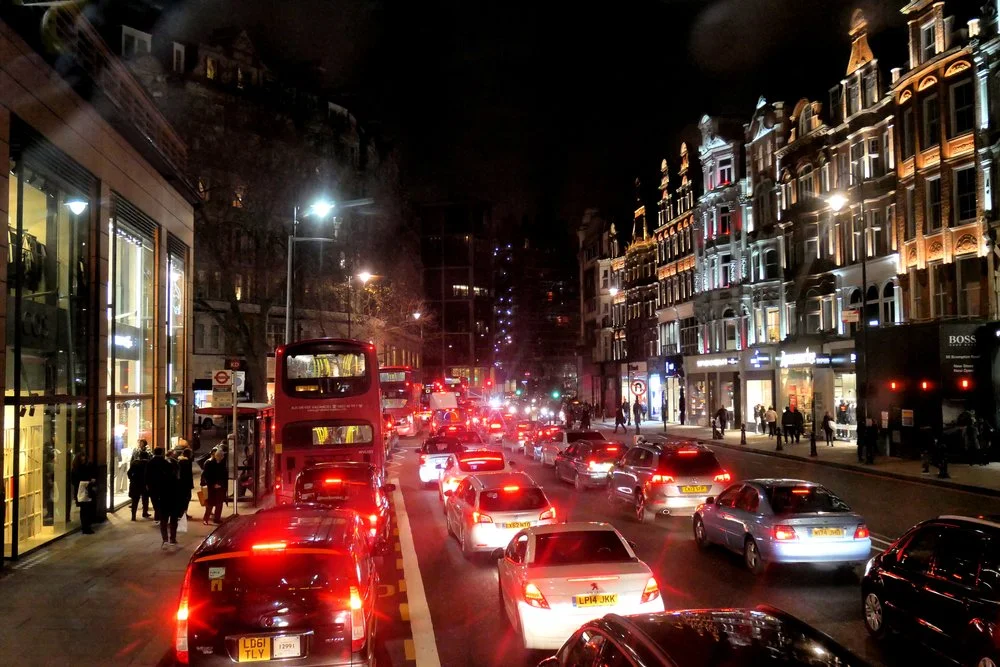
As London Mayor Sadiq Khan explained: "The purpose of the Congestion Charge is to reduce congestion. Even Boris Johnson did not think that it was right to give an indefinite exemption to vehicles."
Source: Shutterstock
Congestion vs. Emissions
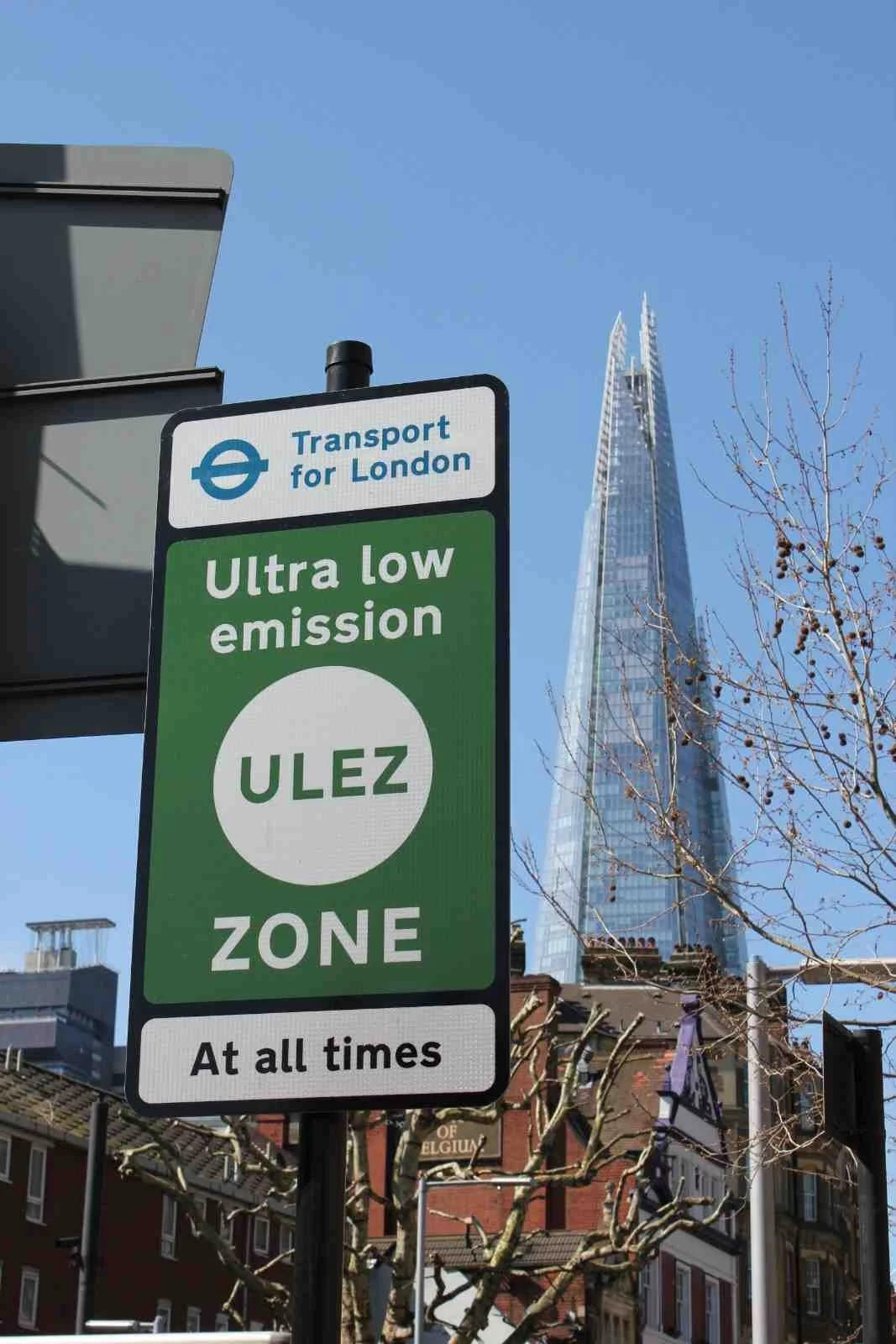
It's crucial to understand that the Congestion Charge and the Ultra Low Emission Zone (ULEZ) serve different purposes:
Congestion Charge: Designed to reduce traffic volume and manage road space
ULEZ: Designed to improve air quality by targeting high-emission vehicles
Electric vehicles produce zero tailpipe emissions, making them perfect for ULEZ exemption (which continues). However, they still occupy road space and contribute to congestion just like any other vehicle.
Transport for London estimates that without these changes, approximately 2,200 additional vehicles would enter the congestion zone on an average weekday, further exacerbating traffic problems.
How Do I Register for the Electric Vehicle Discount?
To receive the 25% discount on your electric car, you must register for TfL's Auto Pay system. Without registration, you'll pay the full £18 charge—the same as petrol and diesel vehicles.
Step-by-Step Registration Process
1. Create or access your TfL account
Visit tfl.gov.uk
Sign in or create a new London road user account
2. Add your vehicle details
Enter your vehicle registration number
Provide make and model information
Confirm ownership details
3. Upload proof of eligibility
V5C vehicle registration certificate showing fuel type as "electric"
Alternatively, proof that your vehicle is hydrogen-powered
Ensure documents are clear and legible
4. Set up Auto Pay
Link a payment method (credit/debit card)
Payments will be taken automatically when you enter the zone
No need to remember to pay daily
5. Confirmation
Once approved, your 25% discount applies automatically
You'll receive confirmation via email
Your discount status is linked to your vehicle registration
Important: Registration must be completed before you enter the congestion zone. Retroactive discounts are not available.
What's the Difference Between the Congestion Charge and ULEZ?
Many drivers confuse these two separate schemes. Understanding the difference is crucial for electric vehicle ownership in London.
London Congestion Charge
Purpose: Reduce traffic congestion
Coverage: Central London only
Operating hours:
Monday-Friday: 7am-6pm
Saturday-Sunday: 12pm-6pm
Cost for EVs: £13.50 (with Auto Pay discount)
EV exemption: Ended 2 January 2026
Ultra Low Emission Zone (ULEZ)
Purpose: Improve air quality by reducing emissions
Coverage: All Greater London boroughs (expanded August 2023)
Operating hours: 24 hours a day, 7 days a week, 365 days a year
Cost for EVs: £0 (fully exempt)
EV exemption: Continues indefinitely
Key Point: Electric vehicles remain completely exempt from ULEZ charges. This exemption covers a far larger area than the congestion zone and operates around the clock, providing substantial ongoing savings.
For a petrol or diesel vehicle that doesn't meet ULEZ standards, the daily charge is £12.50—applicable every single day across the entire Greater London area. Over a year, this amounts to £4,562.50 for daily drivers, compared to £0 for electric car drivers.
How Much Will the Congestion Charge Cost Me Annually?
Let's calculate the real-world impact for different driving scenarios:
Scenario 1: Daily Commuter (Monday-Friday)
Without Auto Pay discount:
22 working days per month × £18 = £396/month
Annual cost = £4,752
With EV Auto Pay discount:
22 working days per month × £13.50 = £297/month
Annual cost = £3,564
Annual saving vs. non-EV = £1,188
Scenario 2: Part-Time Zone User (10 days/month)
With EV Auto Pay discount:
10 days per month × £13.50 = £135/month
Annual cost = £1,620
Scenario 3: Occasional Visitor (Once per week)
With EV Auto Pay discount:
52 weeks × £13.50 = £702/year
What Are The Annual Congestion Charging Costs?
| Usage Pattern | Days/Year | EV Cost (with discount) | Petrol/Diesel Cost | EV Saving |
|---|---|---|---|---|
| Daily commuter | £260.00 | £3,510.00 | £4,680 | £1,170 |
| 3 days/week | £156.00 | £2,106.00 | £2,808 | £702 |
| Weekly | £52.00 | £702.00 | £936 | £234 |
Are Electric Vehicles Still Worth It for London Drivers?
Despite the new congestion charge, the answer is an emphatic yes. Electric vehicles accessed through salary sacrifice remain the most economical choice for London motorists by a significant margin.
The Complete Cost Picture
Let's compare a £40,000 electric vehicle with a £40,000 petrol equivalent for a London-based employee earning £50,000 annually.
Electric Vehicle (via salary sacrifice with The Electric Car Scheme):
Monthly salary sacrifice: £584
Income tax savings: -£234
National Insurance savings: -£12
Benefit-in-Kind tax (3%): +£55
Net monthly cost: £393
Annual cost: £4,716
Add congestion charge (daily commuter): +£3,510
Total annual cost: £8,226
Petrol Vehicle (personal lease):
Monthly lease payment: £600
Annual cost: £7,200
Add congestion charge (daily commuter): +£4,680
Add ULEZ charge (daily): +£4,563
Add higher fuel costs: +£1,200 (compared to EV charging)
Total annual cost: £17,643
Net annual saving with EV salary sacrifice: £9,417
Even with the new congestion charge, electric car drivers using salary sacrifice save approximately £9,400 per year compared to running an equivalent petrol vehicle in London.
Beyond the Numbers
The financial case is compelling, but the benefits extend further:
Environmental Impact
Zero tailpipe emissions contributing to cleaner London air
Supporting the UK's journey to Net Zero by 2050
Lower carbon footprint even when accounting for electricity generation
Convenience
Home charging means starting each day with a "full tank"
No petrol station visits in expensive central London
Quieter, smoother driving experience
Ongoing ULEZ Exemption
£12.50 daily saving across all Greater London
24/7 coverage vs. limited congestion charge hours
No expiry date announced for ULEZ exemption
Additional Parking Benefits
Some London boroughs still offer:
Discounted residential parking permits for EVs
Reduced pay-and-display charges
Priority access to EV charging bays
What Other Exemptions and Discounts Are Available?
While the blanket EV exemption has ended, several other categories continue to receive discounts or exemptions:
Full Exemptions (100%)
Blue Badge holders: Residents with disabilities
Emergency service vehicles: Police, ambulance, fire brigade
Licensed London black cabs
Certain motorcycle types: Two-wheeled motorcycles, mopeds, motor-tricycles
EV car club vehicles: Must be picked up and returned to the same bay (new for 2026)
Historic vehicles: Registered before 1 January 1980
Residents' Discount (90%)
Drivers who live within the congestion charge zone receive a 90% discount, reducing the daily charge to just £1.80.
Important changes:
Current residents retain their discount regardless of vehicle type (if registered before 1 March 2027)
New residents after 1 March 2027 must drive an electric vehicle to qualify
Low-income and disabled residents have until 2030 before this restriction applies
How to Apply for Residents' Discount
Register on the TfL website
Provide proof of residency within the zone
Submit vehicle registration details
Pay the annual £10 registration fee
Renew annually to maintain the discount
How Does This Affect Electric Van and Fleet Operators?
Company electric car schemes and fleet operators face different considerations:
Electric Vans and HGVs
Current discount: 50% (£9 per day with Auto Pay)
Future discount (from March 2030): 25% (£13.50 per day)
For businesses operating electric delivery vans in central London:
Annual cost for daily zone entry:
2026-2030: £9 × 260 working days = £2,340
From 2030: £13.50 × 260 working days = £3,510
Compare this to diesel vans:
Annual cost: £18 × 260 days = £4,680
Plus ULEZ charges: £12.50 × 365 days = £4,562.50
Total: £9,242.50
Annual saving with electric vans: £6,902.50 (reducing to £5,732.50 after 2030)
Fleet Management Strategies
Businesses can mitigate congestion charge costs by:
Optimising routes: Minimise zone entries where possible
Consolidating deliveries: Fewer trips at higher capacity
Time management: Utilise non-charging hours where feasible
Salary sacrifice for employees: Offset costs through workplace benefits
What If I Don't Pay the Congestion Charge?
Source: Shutterstock
Failing to pay carries significant penalties:
Payment Timeline
In advance or on the day: £18 (£13.50 with EV discount)
By midnight on third day after travel: £21
After the third day: Penalty Charge Notice issued
Penalty Charge Notices (PCN)
Initial penalty: £180
Reduced to £90: If paid within 14 days
Increased to £270: If unpaid after 28 days
Further penalties: Additional charges and potential court action
ANPR cameras automatically capture all vehicle registrations entering the zone. The system is highly effective, and ignoring charges will result in escalating penalties and potential legal action.
Pro tip: Set up Auto Pay to avoid accidentally forgetting to pay, especially if you only occasionally enter the zone.
Future Changes: What's Coming After 2030?
Transport for London has signalled that congestion charging will continue to evolve:
Confirmed Changes
4 March 2030:
Electric car discount reduces to 12.5% (approximately £15.75 per day)
Electric van/HGV discount reduces to 25% (approximately £13.50 per day)
Automatic Annual Increases
TfL has implemented a policy allowing automatic annual increases to the congestion charge in line with public transport fares. This means:
No public consultation required for inflation-based increases
Charges will rise annually to maintain real-terms value
Discounts may be adjusted without advance warning
Potential Future Developments
While not confirmed, industry experts anticipate:
Road pricing schemes: Pay-per-mile charging could replace or supplement fixed daily charges
Dynamic pricing: Variable charges based on time of day or congestion levels
Zone expansion: Potential extension to other high-traffic areas
The broader context includes the UK government's announcement of a 3p-per-mile road-use tax for electric vehicles, intended to ensure all drivers contribute to road maintenance as fuel duty revenue declines.
How Does The Electric Car Scheme Help?
The Electric Car Scheme makes electric vehicle ownership more affordable than ever, easily offsetting the new congestion charges for London drivers.
What Is Salary Sacrifice?
Salary sacrifice for electric cars is an arrangement where employees give up part of their pre-tax salary in exchange for an electric vehicle. Because the deduction happens before income tax and National Insurance, drivers save significantly compared to personal leasing or purchasing.
Real Savings Example
Employee Profile:
Salary: £50,000
Vehicle: Nissan Ariya
Standard lease cost: £584/month
With salary sacrifice:
Gross salary sacrifice: £584
Income tax saved (40% bracket): -£234
National Insurance saved: -£12
Benefit-in-Kind tax (3%): +£55
Net cost: £393/month
Annual saving: £2,292
This saving alone covers 65% of the annual congestion charge cost for a daily commuter, making the combined cost still far lower than running a petrol vehicle.
Additional Benefits
When you access an electric vehicle through The Electric Car Scheme, you also get:
All-inclusive package: Insurance, maintenance, breakdown cover
Home charger installation: Often included in the package
The Charge Scheme: Save 20-50% on public charging costs
Complete Employer Protection: No risk to your employer if you leave
Trusted service: Rated 5 stars on Trustpilot
Perfect for London Drivers
Despite the new congestion charge, salary sacrifice schemes remain the most cost-effective way to drive in London:
Total cost comparison (40% taxpayer, daily commuter):
| Cost Element | EV Salary Sacrifice | Petrol Lease |
|---|---|---|
| Monthly vehicle cost | £393.00 | £600.00 |
| Annual congestion charge | £3,510.00 | £4,680.00 |
| Annual ULEZ charge | £0.00 | £4,563.00 |
| Fuel vs. charging | £780 | £1,980 |
| Annual total | £8,782 | £18,383 |
Net annual saving: £9,601
Frequently Asked Questions (FAQs)
Q: When did electric vehicles lose their congestion charge exemption?
A: The 100% Cleaner Vehicle Discount ended on 25 December 2025. From 2 January 2026, electric vehicles began paying a reduced charge of £13.50 (25% discount) when registered on Auto Pay.
Q: Do I still need to pay ULEZ if I drive an electric car?
A: No. Electric vehicles remain completely exempt from ULEZ charges indefinitely. This exemption applies across all of Greater London, 24 hours a day, seven days a week.
Q: How do I register for the 25% EV discount?
A: Visit tfl.gov.uk and create a road user account. Add your vehicle details, upload proof that your car is fully electric (V5C showing fuel type as "electric"), and set up Auto Pay. The discount applies automatically once approved.
Q: Can I get the discount if I only occasionally drive in the zone?
A: Yes. The 25% discount applies every time you enter the zone, as long as your vehicle is registered on Auto Pay. There's no minimum usage requirement.
Q: What happens if I forget to register before entering the zone?
A: You'll pay the full £18 charge. The discount cannot be applied retrospectively. We recommend registering as soon as you get your electric vehicle, even if you don't plan to enter the zone immediately.
Q: Are plug-in hybrids eligible for the EV discount?
A: No. Only fully electric (BEV) and hydrogen fuel cell vehicles qualify for the 25% discount. Plug-in hybrid vehicles pay the full £18 charge.
Q: Will the EV discount percentage change in the future?
A: Yes. The discount reduces to 12.5% from 4 March 2030. Further changes beyond that date haven't been announced but may occur without consultation.
Q: Is salary sacrifice still worth it with the new congestion charge?
A: Absolutely. Electric car salary sacrifice saves 20-50% on vehicle costs, with a BiK rate of just 3%. Even daily commuters save thousands annually compared to running petrol vehicles when accounting for all costs.
Q: Can my employer help with congestion charge costs?
A: Some employers offer congestion charge as a reimbursable business expense if you're driving for work purposes. Discuss this with your HR department. The savings from salary sacrifice often exceed congestion charge costs anyway.
Q: What if I live in the congestion zone?
A: Residents receive a 90% discount (£1.80 per day). If you registered before 1 March 2027, this applies regardless of vehicle type. New registrations after that date require an electric vehicle to qualify.
Q: How does this affect company car tax?
A: Company electric car schemes remain highly tax-efficient. The BiK rate for EVs is just 3% in 2025/26, compared to up to 37% for petrol and diesel vehicles. The congestion charge doesn't affect BiK calculations.
Final Verdict: EVs Still the Best Choice for London
The introduction of congestion charges for electric vehicles marks a significant policy shift, but the fundamental economics overwhelmingly favour electric driving—especially when accessed through salary sacrifice schemes like The Electric Car Scheme.
The Bottom Line
For London drivers, electric vehicles accessed through salary sacrifice offer:
£9,000+ annual savings vs. equivalent petrol vehicles
3% Benefit-in-Kind tax vs. up to 37% for petrol
ULEZ exemption saves £4,563/year for daily drivers
Lower running costs with home charging
Environmental benefits supporting cleaner air in London
Workplace benefits that enhance employee satisfaction
The new congestion charge—while an additional cost—represents a small fraction of the overall savings that electric car drivers enjoy.
Ready to Make the Switch?
If you're a London-based employee considering an electric vehicle, The Electric Car Scheme offers the UK's most comprehensive salary sacrifice solution:
Save 20-50% on any new electric vehicle
Include home charger installation in your package
Access The Charge Scheme for additional charging savings
Complete Employer Protection for peace of mind
5-star rated service trusted by thousands
Visit The Electric Car Scheme today to calculate your savings and discover which electric vehicle best suits your needs.
The congestion charge may have changed, but the case for electric vehicles in London has never been stronger.
Are you an employer?
BOOK A DEMOAre you an employee?
SEE AVAILABLE CARSECS GUIDES AND ADVICE
Ready to Go Electric? Your Guides and Tools to a Smooth Switch
-
 How the Scheme Works
Find out how salary sacrifice can work for you or your business.
-
 The Charge Scheme
Save 20-50% on all charging costs through salary sacrifice - at home, the office, or in public..
-
 Complete Employer Protection
All employers and drivers are protected from day 1.
-
 Used Electric Cars
Discover the most affordable way to drive electric. Cars delivered in 14 days.
You Might Also Like…


Last updated: 05/01/2026
Our pricing is based on data collected from The Electric Car Scheme quote tool. All final pricing is inclusive of VAT. All prices above are based on the following lease terms; 10,000 miles pa, 36 months, and are inclusive of Maintenance and Breakdown Cover. The Electric Car Scheme's terms and conditions apply. All deals are subject to credit approval and availability. All deals are subject to excess mileage and damage charges. Prices are calculated based on the following tax saving assumptions; England & Wales, 40% tax rate. The above prices were calculated using a flat payment profile. The Electric Car Scheme Limited provides services for the administration of your salary sacrifice employee benefits. The Electric Car Scheme Holdings Limited is a member of the BVRLA (10608), is authorised and regulated by the FCA under FRN 968270, is an Appointed Representative of Marshall Management Services Ltd under FRN 667174, and is a credit broker and not a lender or insurance provider.
Copyright and Image Usage: All images used on this website are either licensed for commercial use or used with express permission from the copyright holders, in compliance with UK and EU copyright law. We are committed to respecting intellectual property rights and maintaining full compliance with applicable regulations. If you have any questions or concerns regarding image usage or copyright matters, please contact us at marketing@electriccarscheme.com
