
EV Charger Grant Boosted to £500: What It Means for Electric Car Drivers in the UK
Source: Shutterstock
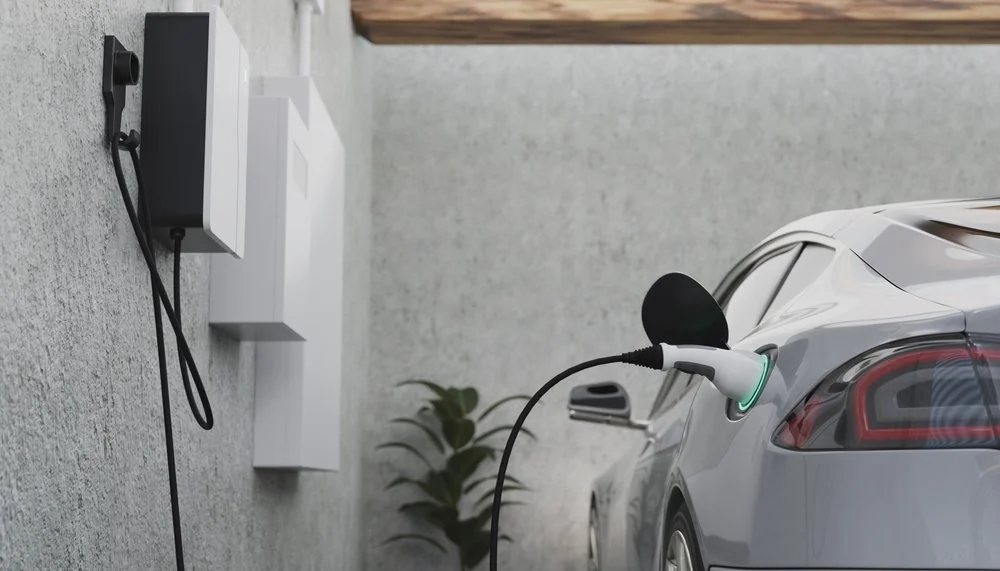
The UK Government has announced a significant boost to its EV charger grant programme, increasing support for households and businesses by more than 40%. From 1 April 2026, eligible drivers — including renters, flat owners, residential landlords, and those without off-street parking — will be able to claim up to £500 towards the cost of installing an electric vehicle charge point, up from the previous maximum of £350.
For the growing number of UK employees accessing electric cars through a salary sacrifice electric car scheme, the news is particularly timely. Home charging remains the most cost-effective way to power an EV — costing as little as 2p per mile — and this grant makes it more accessible than ever.
What Is the EV Charger Grant and Who Qualifies?
The updated grant scheme is designed to remove one of the most common barriers to electric car adoption: the upfront cost of installing a dedicated home or workplace charge point. Under the new rules taking effect from April 2026, the following groups will be eligible for grants of up to £500 per charge point:
Renters and flat owners
Residential landlords
Households with on-street parking (no private driveway)
Businesses via the Workplace Charging Scheme
Schools will receive enhanced support of up to £2,000 per socket under the extended schools grant — building on the 3,700 sockets already installed in the education sector.
The Government is also simplifying the system, reducing the number of available grant types from eight down to five. This means it will be easier for drivers and landlords to identify which scheme applies to them and access their entitlement without navigating a complex bureaucratic process.
Why Home Charging Matters for Electric Car Salary Sacrifice
If you're driving an electric car through The Electric Car Scheme, home charging is one of the most impactful ways to maximise your overall savings. Drivers who charge at home — particularly using an off-peak energy tariff — can reduce their per-mile running costs to a fraction of what petrol drivers pay.
According to the Government's own figures, EV drivers can save up to £1,400 annually on running costs compared to a comparable petrol car when taking advantage of cheaper domestic electricity rates. That saving compounds meaningfully on top of the 20–50% reduction in vehicle cost available through electric car salary sacrifice.
For a deeper look at home charging costs and setup, including what type of charger is right for your property, our dedicated guide covers everything you need to know.
How Much Does Home Charger Installation Cost — and How Far Does £500 Go?
A standard 7kW home charger — the most common choice for domestic EV charging — typically costs between £800 and £1,500 fully installed. The updated grant of £500 therefore covers almost half that cost for eligible drivers, making the investment significantly more manageable.
For those accessing an electric car through The Electric Car Scheme, there's an additional route to savings: a home charger can be bundled directly into your salary sacrifice scheme, allowing you to spread the cost pre-tax and save a further 20–50% on installation. The grant and salary sacrifice are complementary — and together they make home charging more affordable than it has ever been.
It's worth noting that the Government's Electric Vehicle Homecharge Scheme (EVHS) for standard homeowners with driveways has now closed. However, the expanded grants ensure that those who were previously underserved — renters, flat owners, and those reliant on street parking — now have meaningful financial support available.
For a full breakdown of charger types, speeds, and costs, see our guide to types of home EV chargers.
What About Drivers Without a Driveway?
One of the most significant aspects of this announcement is its explicit focus on drivers who don't have access to off-street parking — historically one of the hardest groups to support in the transition to electric cars.
Last year, the Government launched a £25 million scheme to help residents without driveways install home chargers via discreet, embedded pavement channels. That scheme runs in addition to the newly expanded charge point grant, meaning drivers with on-street parking could now access support for both the charger unit itself and the cross-pavement installation infrastructure.
For drivers in this situation who are already on a salary sacrifice electric car scheme, The Charge Scheme offers a complementary solution — allowing you to salary sacrifice the cost of EV charging whether you charge at home, at work, or at public charge points. This means even drivers without home charging access can benefit from meaningful cost savings on their day-to-day charging.
The Broader Picture: Record Public Charging Expansion
The grant increase sits within a broader Government drive to expand the UK's EV charging infrastructure. There are now over 88,500 public charge points active across the country, with the fastest growth occurring outside London — in regions like Yorkshire, Wales, the West Midlands and the East of England. An additional £600 million has been committed to accelerating the national rollout further.
The Government has also announced a review into the cost of public EV charging, examining energy pricing and other cost contributors, with the aim of reducing public charging costs for consumers. This is particularly relevant for drivers who rely on rapid chargers for longer journeys — an area where costs remain significantly higher than home charging.
For guidance on managing EV charging costs across different settings, including strategies for reducing your public charging spend, our comprehensive guide covers seven proven methods.
What Does This Mean for Employers?
For employers running an electric car scheme UK or considering setting one up, the expanded charger grants are another reason for employees to engage with and value the benefit. Workplace charging is also within scope of the Workplace Charging Scheme — meaning businesses can claim up to £500 per socket to support employee charging at the office.
Combining a well-structured company electric car scheme with on-site charging infrastructure and support for employees to set up home chargers creates a genuinely compelling employee benefit — one that delivers real financial value while supporting your business's sustainability and ESG goals.
How to Take Advantage
Here's a summary of what's available and when:
| Grant Type | Amount (from April 2026) | Who It's For |
|---|---|---|
| Charge point grant for renters & flat owners | Up to £500 | Renters, flat owners |
| Charge point grant for residential landlords | Up to £500 | Landlords |
| Charge point grant for households with on-street parking | Up to £500 | No driveway access |
| Workplace Charging Scheme | Up to £500 per socket | Businesses |
| Schools grant | Up to £2,000 per socket | State-funded schools |
If you're already driving through The Electric Car Scheme and want to add a home charger to your salary sacrifice, our team can walk you through the options. And if you're an employer looking to offer salary sacrifice electric car as a benefit — now is an excellent time to get started.
The combination of a 4% Benefit-in-Kind rate, 20–50% savings through salary sacrifice, and now near-half-price charger installation via Government grants makes the electric car scheme UK proposition stronger than it's ever been.
Are you an employer?
BOOK A DEMOAre you an employee?
SEE AVAILABLE CARSECS GUIDES AND ADVICE
Ready to Go Electric? Your Guides and Tools to a Smooth Switch
-
 How the Scheme Works
Find out how salary sacrifice can work for you or your business.
-
 The Charge Scheme
Save 20-50% on all charging costs through salary sacrifice - at home, the office, or in public..
-
 Complete Employer Protection
All employers and drivers are protected from day 1.
-
 Used Electric Cars
Discover the most affordable way to drive electric. Cars delivered in 14 days.
You Might Also Like…




Last Updated: 24/02/2026
Our pricing is based on data collected from The Electric Car Scheme quote tool. All final pricing is inclusive of VAT. All prices above are based on the following lease terms; 10,000 miles pa, 36 months, and are inclusive of Maintenance and Breakdown Cover. The Electric Car Scheme's terms and conditions apply. All deals are subject to credit approval and availability. All deals are subject to excess mileage and damage charges. Prices are calculated based on the following tax saving assumptions; England & Wales, 40% tax rate. The above prices were calculated using a flat payment profile. The Electric Car Scheme Limited provides services for the administration of your salary sacrifice employee benefits. The Electric Car Scheme Holdings Limited is a member of the BVRLA (10608), is authorised and regulated by the FCA under FRN 968270, is an Appointed Representative of Marshall Management Services Ltd under FRN 667174, and is a credit broker and not a lender or insurance provider.
Copyright and Image Usage: All images used on this website are either licensed for commercial use or used with express permission from the copyright holders, in compliance with UK and EU copyright law. We are committed to respecting intellectual property rights and maintaining full compliance with applicable regulations. If you have any questions or concerns regarding image usage or copyright matters, please contact us at marketing@electriccarscheme.com
