
The Electric Car Scheme Reviews — 4.9★ Trustpilot (1,036+ reviews) | 2026
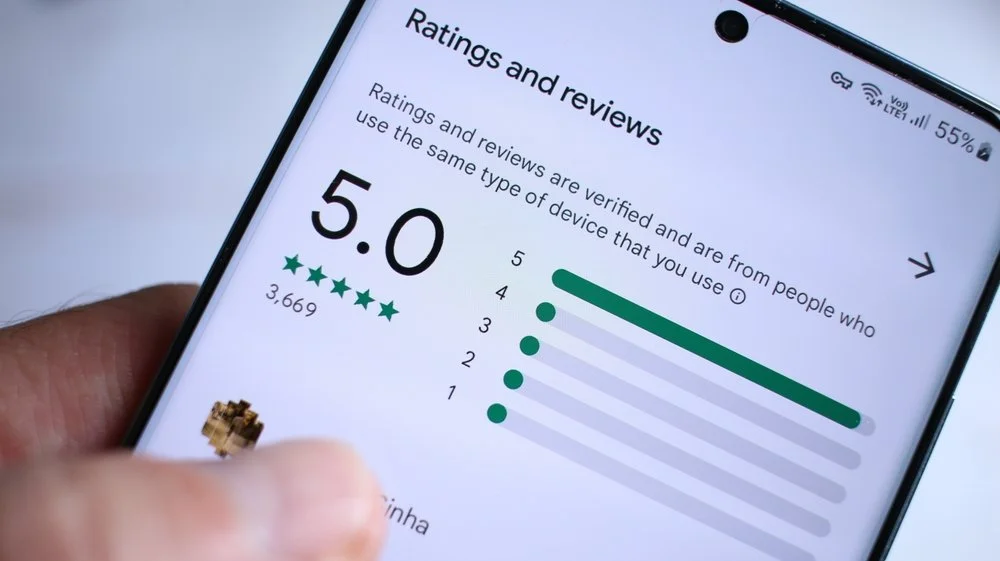
Image source: Shutterstock
We've read hundreds of real salary sacrifice car reviews so you don't have to. Here's what actual drivers say - the good, the bad, and the things nobody tells you until it's too late.
It's worth being upfront: we run The Electric Car Scheme, a leading electric car salary sacrifice scheme, so we have a stake in this. That's exactly why we've made a point of including the genuine criticisms too. If you're weighing up whether an electric car scheme is right for you, or trying to figure out which provider to trust, you deserve a straight answer.
What Do Employees Love About Salary Sacrifice Cars?
Reading through thousands of verified reviews on Trustpilot, threads on MoneySavingExpert, Mumsnet, SpeakEV, and AVForums, a few clear themes emerge from drivers who've had positive experiences.
The savings are real - especially for higher-rate taxpayers.
The most common positive sentiment is genuine surprise at how affordable a new EV turns out to be. Because salary sacrifice works by deducting the lease cost from your gross salary - before Income Tax and National Insurance are calculated - higher earners in particular find the net monthly cost significantly lower than they expected. A 40% taxpayer sacrificing £500 per month only sees their take-home pay fall by roughly £290. That's a substantial real-world saving.
Everything's included - no surprise bills.
Drivers consistently highlight the simplicity of having insurance, servicing, maintenance, tyre replacements, breakdown cover, and road tax all bundled into a single monthly payment. For people used to juggling renewals, dealing with garages, and facing unexpected costs, this is a genuine quality-of-life improvement. One Mumsnet user noted that a tyre issue was resolved at no extra cost - and that the peace of mind alone was worth it.
Access to cars they couldn't otherwise afford.
A recurring theme is employees being able to drive a car they genuinely love — whether that's a Tesla Model 3, a Volkswagen ID.4, or a BMW i4 - at a net monthly cost that would have seemed impossible through personal leasing. With BiK tax for EVs set at 4% for 2026/7, and savings of 20–50% on the lease cost, salary sacrifice genuinely opens the door to premium electric vehicles for a much wider group of employees.
The environmental benefit feels worthwhile.
Many reviewers mention switching to electric with genuine enthusiasm — lower charging costs, reduced emissions, and the convenience of waking up to a fully charged car each morning. For employees who might not have made the leap to an EV independently, salary sacrifice removes the financial barrier.
See which electric cars are available through The Electric Car Scheme
What Are the Most Common Complaints About Salary Sacrifice?
The negative reviews across platforms are worth taking seriously - not because they condemn the model, but because they point to specific, avoidable issues. Here's what comes up most frequently, and how to protect yourself.
1. Take-Home Pay Shock
The complaint: "I didn't realise how much my monthly pay would drop."
This is the most common source of dissatisfaction in forum posts and lower-rated reviews. Employees focus on the headline saving — "20–50% off" — without fully calculating what that means for their monthly pay packet. The gross sacrifice amount can feel like a shock if you've not modelled it in advance.
The reality: The sacrifice is taken from gross pay, which means you're saving on tax and NI — but you are still paying something. The net reduction to your take-home pay is meaningfully lower than the gross lease cost, but it's not zero.
How to avoid it: Use a salary sacrifice calculator before you order. The Electric Car Scheme's calculator lets you model your exact net monthly cost based on your salary and chosen vehicle. Run the numbers, check your current outgoings, and make sure the monthly reduction is genuinely comfortable before committing.
2. Mileage Anxiety
The complaint: "I chose the wrong mileage tier and I'm worried about excess charges."
Annual mileage limits are a standard feature of any lease - salary sacrifice or otherwise. Excess mileage charges typically run from 3–8p per mile, which can add up if your driving habits change during a multi-year contract.
The reality: The mileage bands available on salary sacrifice contracts are flexible at the point of ordering - typically from 5,000 to 30,000 miles per year. The mistake most drivers make is underestimating their annual mileage to reduce their gross payment, then worrying about it for the rest of the contract.
How to avoid it: Be honest with yourself about how many miles you drive. It's better to choose a slightly higher mileage band and have headroom than to under-order and live with the anxiety. If your mileage is genuinely unpredictable, this is worth discussing with your provider before signing.
3. Mortgage Timing
The complaint: "I signed up just before applying for a mortgage and it caused complications."
This is perhaps the most consequential issue that catches employees off guard. Because salary sacrificereduces your gross salary on paper, some mortgage lenders treat it as a reduction in income when assessing affordability. This doesn't affect everyone, but it can affect some - particularly first-time buyers or those near affordability thresholds.
The reality: Many lenders are now familiar with salary sacrifice and will add back the sacrifice amount when assessing income. But not all do, and policies vary. If you're planning a mortgage application, it's worth speaking to a broker - and ideally completing the mortgage before starting a salary sacrifice lease if timing allows.
How to avoid it: Plan ahead. If a mortgage is on the horizon, take independent financial advice before signing up to a salary sacrifice lease. This is a timing issue, not a fundamental problem with the scheme.
4. Early Exit Confusion
The complaint: "I changed jobs and didn't know what would happen to the car."
What happens if you leave your employer mid-contract is genuinely one of the areas where providers differ significantly - and where not reading the small print can be painful.
The reality: Most salary sacrifice leases are contracts between your employer and the leasing company. If you leave, the typical options are to hand the car back, transfer the lease to your new employer, or pay an early termination fee. The key question is: who pays those fees?
This is where Complete Employer Protection matters. The Electric Car Scheme is one of the only providers offering full employer protection from Day 1 - which means no exposure to early exit costs for businesses from the moment each lease begins, with no exclusion periods and no excess. Employees also benefit from transparent terms on what happens if they move on.
How to avoid it: Before signing, ask your employer's HR team specifically: what happens if I leave? What are the early termination terms? The answer will depend heavily on which provider your employer uses.
5. Provider-Dependent Pricing
The complaint: "The gross monthly cost seemed high compared to what I could get leasing privately."
This is a legitimate observation that appears frequently on MoneySavingExpert and AVForums. The honest answer is that not all salary sacrifice schemes are created equal. Some providers - particularly those tied to a single leasing company rather than operating as a multi-funder broker - quote gross lease rates that are noticeably higher than market rates. That can erode the tax saving before it's even applied.
The reality: The best salary sacrifice schemes use a multi-funder model, sourcing vehicles from a network of leasing companies to deliver genuinely competitive pricing. When evaluating a scheme, always compare the gross monthly cost against external lease quotes for the same vehicle. If the gross figure is significantly higher, the provider may be capturing the tax saving for themselves rather than passing it on.
Are the Negative Reviews About Salary Sacrifice Fair?
Looking at 1–2 star reviews across platforms, most fall into a few categories. It's worth separating the valid criticisms from those rooted in misunderstanding or individual circumstances.
Valid criticisms:
Delivery delays on popular models are a genuine and relatively common issue, particularly for new EVs with high demand. This is a manufacturer and logistics issue more than a scheme issue, but it affects the experience.
Admin errors during payroll setup occasionally cause salary deductions to be taken at the wrong level for a month or two. Most providers resolve this quickly, but it's frustrating.
End-of-lease charges for damage are sometimes disputed. Understanding what counts as fair wear and tear versus chargeable damage at the outset avoids nasty surprises at the end.
Criticisms that reflect misunderstanding:
"I'm paying more than I expected" - usually because the take-home pay impact wasn't modelled properly upfront. The scheme works as described; the issue is expectation management.
"The car isn't mine at the end" - salary sacrifice is a lease, not a purchase. This is fundamental to the model and is clearly stated, but occasionally catches people who haven't read the terms.
"The savings aren't as big as advertised" - often because the employee is a basic-rate taxpayer, where savings are genuine but lower than for higher-rate taxpayers. The 20–50% range is accurate; where you land within it depends on your salary band.
Read our guide to how salary sacrifice works
Which Salary Sacrifice Providers Get the Best Reviews?
The UK salary sacrifice market includes several established providers. Here's an honest overview of how they compare in terms of customer sentiment.
The Electric Car Scheme holds a 5-star Excellent rating on Trustpilot from thousands of verified reviews, and has been named Best Salary Sacrifice Provider by Car Sloth in both 2024 and 2025 - the only provider to receive the award twice consecutively - and EV Salary Sacrifice Provider of the Year 2026 by SME News. Reviews consistently highlight the quality of customer service, the inclusive package, and the value delivered. The standout differentiators are Complete Employer Protection from Day 1 (no exclusion periods, no excess), the multi-funder pricing model, and The Charge Scheme - a salary sacrifice add-on for EV charging costs that no other major provider currently offers.
Tusker is one of the most established names in the market, with over 10,000 Trustpilot reviews and a strong presence in public sector and NHS schemes. Reviews are predominantly positive, with praise for helpful customer service. The main distinction to be aware of is that Tusker's employer protection begins after three months rather than from Day 1 — worth checking if early employer protection matters to your business.
Octopus EV has grown rapidly and receives strong ratings for its digital-first customer experience and broad EV range. Reviews highlight ease of ordering and quick delivery on popular models. As a single-funder model, its pricing competitiveness varies more by vehicle than a multi-funder approach.
Other providers in the market vary considerably in size, pricing model, and employer protection terms. When comparing options, the criteria that matter most are: Day 1 employer protection, multi-funder pricing for competitive rates, breadth of EV choice (including used vehicles), and transparent early termination terms.
Compare the UK's leading salary sacrifice providers
How to Avoid the Most Common Salary Sacrifice Problems
Based on the patterns in real reviews, here's what to do before you commit:
Run the numbers properly. Use a salary sacrifice calculator to model your actual net monthly take-home pay reduction - not just the gross headline figure. Know what you're committing to.
Be honest about mileage. Think about your average annual mileage over the past two years, add a margin for unexpected changes, and choose a tier you won't outgrow. The difference in gross monthly cost between mileage bands is usually small compared to excess mileage charges.
Check the mortgage situation. If you're buying a property or remortgaging in the next 12–18 months, speak to a mortgage broker before signing a salary sacrifice lease. The timing matters.
Understand the early exit terms. Ask your employer or HR team specifically what happens if you leave before the end of the contract. Which provider does your employer use? Does that provider offer Day 1 employer protection, and what are the employee-facing early termination options?
Compare gross pricing. Look up the same vehicle on a personal lease comparison site. If the gross monthly cost through your scheme is significantly higher, the pricing model may not be passing through the full tax saving. Choose a provider that operates a multi-funder model.
Check what's included. The best schemes include insurance, full maintenance, servicing, tyres, breakdown cover, and road tax in a single monthly payment. If maintenance or insurance is additional, factor that into your comparison.
Calculate your salary sacrifice saving
Frequently Asked Questions
Are salary sacrifice car scheme reviews generally positive?
Yes. Across Trustpilot and employee forums, the majority of salary sacrifice scheme reviews are positive, with most established providers rating above 4 stars. Negative reviews tend to cluster around specific issues - take-home pay impact, mileage limits, and early exit terms - rather than reflecting a fundamental problem with the scheme model.
What is the most common complaint about salary sacrifice cars?
The most frequently raised issue is the impact on take-home pay. Employees who didn't model their net monthly cost before ordering are sometimes surprised by the reduction in their pay packet, even though it's smaller than the gross sacrifice amount. Using a calculator beforehand eliminates this issue entirely.
Are there hidden costs with salary sacrifice car schemes?
The monthly payment in a well-structured scheme covers the lease, fully comprehensive insurance, servicing, maintenance, tyre replacements, breakdown cover, and road tax - there should be no hidden running costs. Potential additional charges can include excess mileage at the end of the contract, damage charges above fair wear and tear, and early termination fees if you leave your employer mid-contract. Understanding these before you order is the key to avoiding surprises.
Which salary sacrifice provider has the best reviews?
The Electric Car Scheme holds a 5-star Trustpilot rating and has been independently named the UK's best salary sacrifice provider for two consecutive years by Car Sloth (2024, 2025) and by SME News for 2026. Tusker also holds a strong Trustpilot rating with a large volume of reviews, particularly from public sector employees.
Should I trust negative salary sacrifice reviews?
Read them carefully. Many negative reviews reflect individual circumstances - particularly unexpected take-home pay reductions, mileage concerns, or confusion about lease terms — rather than a fundamental problem with the scheme. That said, reviews that specifically mention inflated gross pricing, poor early exit terms, or employer protection issues are worth taking seriously when choosing a provider.
Does salary sacrifice affect my pension?
It can, depending on how your pension is calculated. If your pension contributions are based on your gross salary figure after the sacrifice, the reduction in salary could reduce your employer's contributions. This varies by employer and pension scheme type. It's worth checking with your HR team or pension provider before committing, particularly if you're closer to retirement. Learn more about salary sacrifice and pensions
Is salary sacrifice worth it in 2026?
Yes — for the right employee, in the right circumstances. With BiK tax for EVs at just 4% for 2026/27 (rising to 5% in April 2027), and savings of 20–50% on the lease cost, salary sacrifice opens the door to premium electric vehicles for a much wider group of employees. Higher-rate taxpayers see the largest savings, but basic-rate taxpayers still benefit meaningfully, particularly when a full-maintenance package is included. The scheme is less suitable for employees on lower salaries (where the minimum wage threshold may apply), those planning mortgage applications in the near term, or those who need complete flexibility to exit at any time.
Ready to See If It's Worth It for You?
The honest truth about salary sacrifice car reviews is this: the scheme works extremely well for employees who take time to understand it. The dissatisfied reviewers almost universally made the same mistake - they committed without fully modelling the impact on their pay, their mileage, or their life circumstances.
The satisfied reviewers - the majority - are driving cars they love, paying less than they expected, and dealing with none of the admin that comes with private leasing.
If you're an employee and want to see exactly what you'd save, get an instant quote through The Electric Car Scheme.
If you're an employer looking to offer the scheme as a benefit - with Day 1 employer protection, multi-funder pricing, and zero net cost to your business - book a demo.
For a broader view of how the scheme works, our guide to what is an electric car salary sacrifice scheme covers everything from eligibility to savings calculations in full detail. Learn more about our salary sacrifice car scheme.
Are you an employer?
BOOK A DEMOAre you an employee?
SEE AVAILABLE CARSYou Might Also Like…




Last updated: 16/03/2026
Our lease pricing is based on data collected from The Electric Car Scheme quote tool. All final pricing is inclusive of VAT. All prices above are based on the following lease terms; 10,000 miles pa, 36 months, and are inclusive of Maintenance and Breakdown Cover. The Electric Car Scheme’s terms and conditions apply. All deals are subject to credit approval and availability. All deals are subject to excess mileage and damage charges. Prices are calculated based on the following tax saving assumptions; England & Wales, 40% tax rate. The above prices were calculated using a flat payment profile. The Electric Car Scheme Limited provides services for the administration of your salary sacrifice employee benefits. The Electric Car Scheme Holdings Limited is a member of the BVRLA (10608), is authorised and regulated by the FCA under FRN 968270, is an Appointed Representative of Marshall Management Services Ltd under FRN 667174, and is a credit broker and not a lender or insurance provider.
Copyright and Image Usage: All images used on this website are either licensed for commercial use or used with express permission from the copyright holders, in compliance with UK and EU copyright law. We are committed to respecting intellectual property rights and maintaining full compliance with applicable regulations. If you have any questions or concerns regarding image usage or copyright matters, please contact us at marketing@electriccarscheme.com and we will address them promptly.
