How Much Does It Cost To Charge An Electric Car At Home?
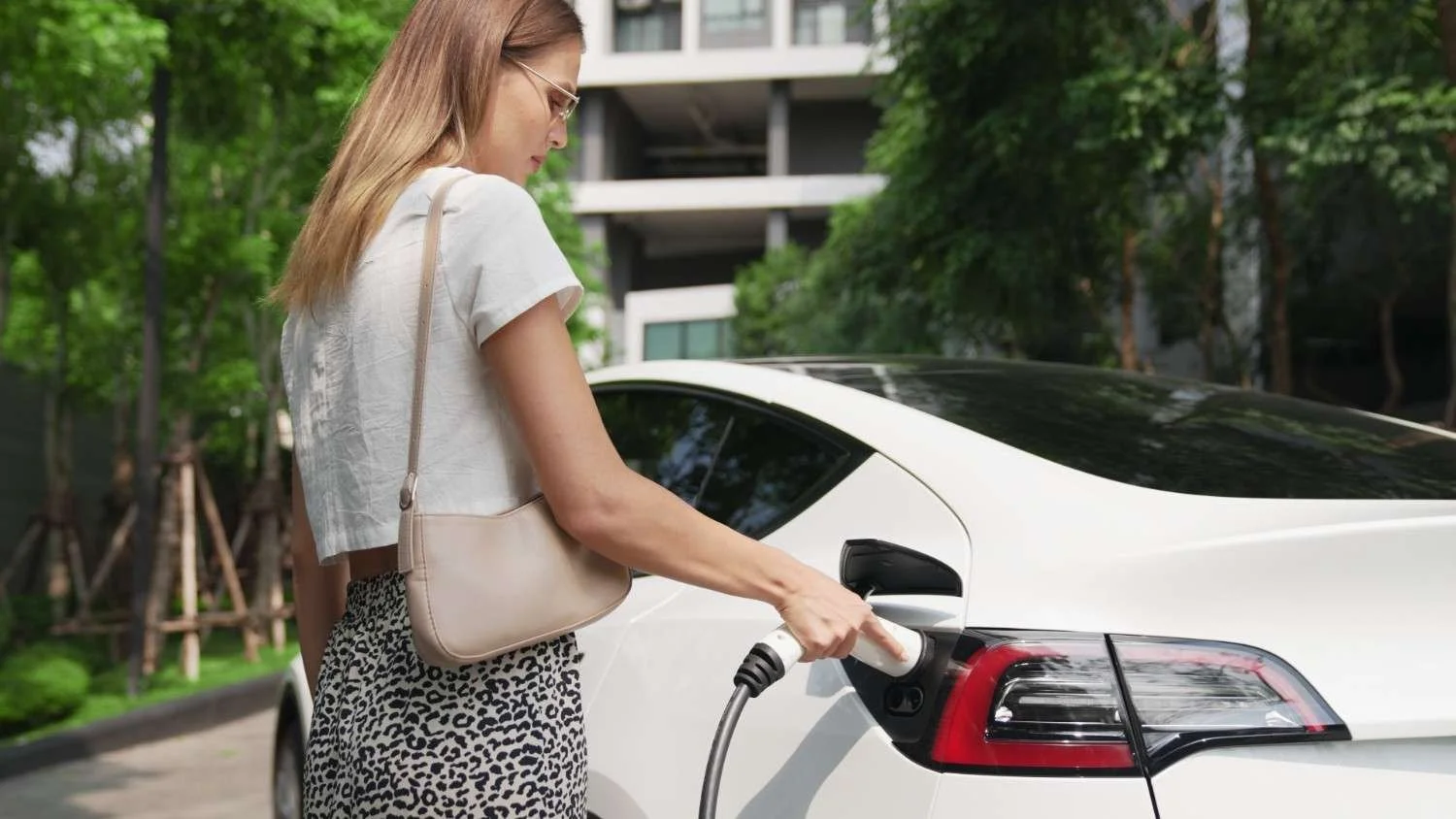
Image source: Shutterstock
Charging an electric car at home is generally far more affordable than many drivers expect. In 2026, most EVs cost between £4 and £15 to fully charge at home, depending on your battery size and electricity tariff. If you’re able to charge overnight on a smart EV tariff, that cost typically falls to £3–£7 per charge. And when home charging is reduced via salary sacrifice, your effective cost can drop even further - often to as little as £2–£7 for a full charge.
Why does this matter? Because around 80–90% of EV charging happens at home, and it’s where the biggest savings are made. Compared with petrol or diesel, home EV charging can reduce your running costs by over £1,000 a year, especially if you charge overnight and optimise your setup.
Your home charging cost depends on a few simple variables: battery size, electricity tariff, time of day, charging efficiency, and whether you can pay for charging pre-tax through salary sacrifice. This guide walks you through each one clearly, using up-to-date 2026 UK pricing.
You’ll also see how The Charge Scheme by The Electric Car Scheme can reduce charging costs by an additional 20–50%, while bundling your home charger installation (worth £800–£1,000) into the same pre-tax package.
Quick Answer: Charging Cost Calculator
How Much Does It Cost to Charge Different Electric Cars at Home?
Before diving deeper, here’s the quickest way to estimate your own cost:
Battery size (kWh) × electricity rate (p/kWh) ÷ 100 = full charge cost
For example:
60kWh battery × 7p = £4.20
60kWh battery × 24p = £14.40
Below is a clear comparison using 2026 UK averages.
| Vehicle | Battery Size | Standard Tariff (24p/kWh) | EV Tariff Off-Peak (7p/kWh) | With Charge Scheme (40% tax) | Range per Charge |
|---|---|---|---|---|---|
| Fiat 500e | 42kWh | 10 | £2.94 | £1.76-£2.35 | 180 miles |
| MG4 | 61.7kWh | £15 | £4.32 | £2.59-£3.46 | 260 miles |
| Tesla Model 3 | 60kWh | £14.40 | £4.20 | £2.52-£3.36 | 320 miles |
| Hyundai IONIQ 5 | 77.4kWh | £18.58 | £5.42 | £3.25-£4.33 | 315 miles |
| BMW iX | 111.5kWh | £26.76 | £7.81 | £4.69-£6.25 | 380 miles |
What this means in practice:
Small EVs (40–50kWh): £3–£10 per charge
Mid-size EVs (60–70kWh): £4–£15 per charge
Large EVs (80–100kWh+): £6–£20 per charge
That works out at roughly 2–5p per mile, compared with 14–19p per mile for petrol!
What Factors Affect Home EV Charging Costs?
Several variables influence how much you’ll pay to charge your electric car at home. Understanding them helps you avoid overpaying and unlock available savings.
Battery Size
Larger batteries cost more to fill, but they also deliver more range. A small 40kWh EV costs less per charge, while a 100kWh SUV travels further. In most cases, the cost per mile remains broadly similar.
Electricity Tariff Type
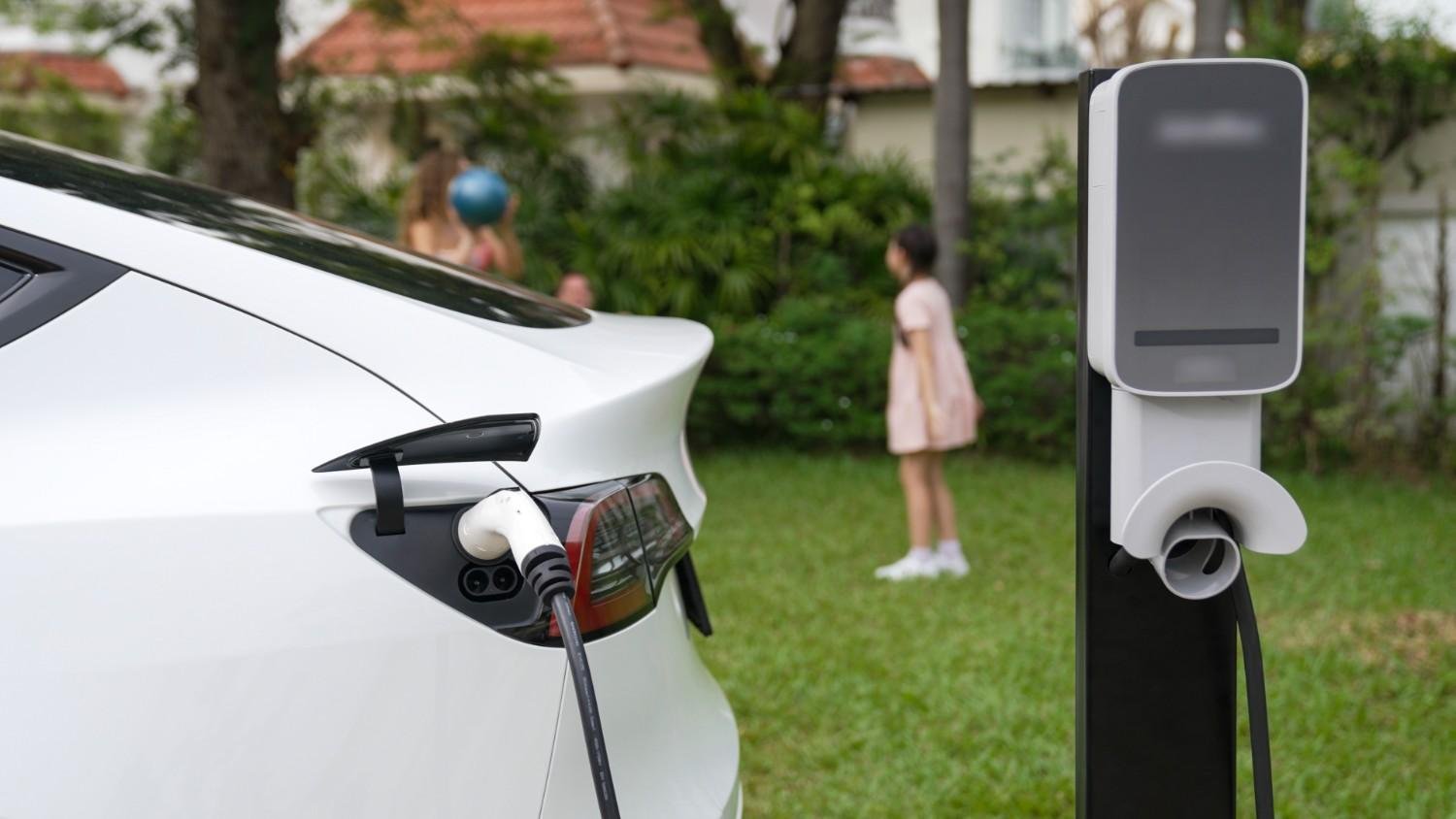
Your electricity tariff has the biggest impact on cost.
Standard tariff: ~24p/kWh in 2026
Simple but expensive
£8–£15 per full charge
EV-specific tariffs: 7–10p/kWh off-peak
Typically midnight–7 am
£3–£7 per charge if charged overnight
Annual saving of £400–£600
Image source: Shutterstock
Economy 7: Similar concept, fewer smart features
Solar integration: Daytime charging can approach £0
Typical EV tariff comparison (2026):
| Provider | Off-Peak Rate | Peak Rate | Off-Peak Hours | Annual Cost (10k miles) |
|---|---|---|---|---|
| Octopus Intelligent | 7p | 30p | 11:30pm–5:30am | £280 |
| EDF GoElectric | 9p | 27p | 12am–7am | £360 |
| British Gas EV | 7.9p | 27p | 12am–5am | £316 |
| E.ON Next Drive | 6.7p | 25p | 12am–7am | £268 |
Charger Type
3-pin plug: very slow, not recommended long-term
7kW wallbox: ideal for most homes
11–22kW: expensive and rarely needed
Charging speed doesn’t change the cost per kWh, but it makes charging far more convenient.
Charging Efficiency
Home charging is around 85–95% efficient, so allowing for roughly 10% energy loss gives a more realistic cost estimate. Cold weather can slightly reduce efficiency.
The Charge Scheme Integration
When charging and installation are included through The Charge Scheme, costs are paid before tax, delivering an effective 20-40% discount. Combined with smart scheduling, this brings real-world charging down to £2–£7 per full charge.
What Will Your Annual Home Charging Cost Be?
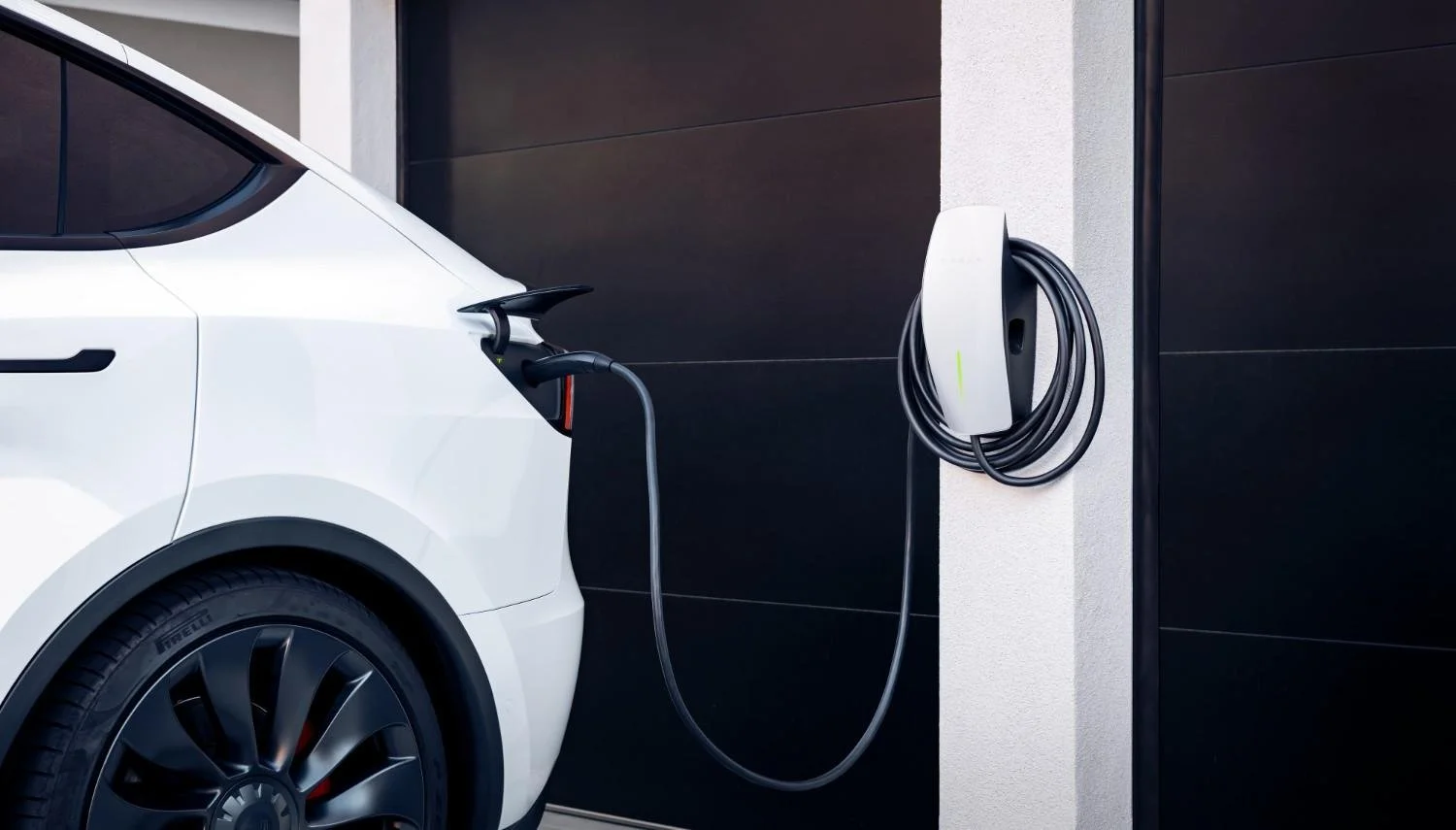
Image source: Tesla Gallery
Looking at annual charging costs gives you a clearer picture of how an EV fits into your overall budget. Below are typical costs based on mileage and charging setup, using 2026 UK electricity prices.
10,000 Miles Per Year (Typical UK Driver)
This table is based on the average UK driver. It shows how your annual costs can change depending on whether you charge on a standard electricity tariff, make the most of off-peak EV rates, or include charging through salary sacrifice.
| Charging Scenario | Estimated Annual Cost |
|---|---|
| Standard tariff (24p/kWh) | £720–£840 |
| EV tariff (off-peak only) | £210–£245 |
| EV tariff (70% off-peak) | £350–£420 |
| With The Charge Scheme (40% tax saving) | £126–£252 |
Even without changing how much you drive, simply switching tariff or charging overnight can reduce your annual energy costs by hundreds of pounds.
15,000 Miles Per Year
For higher-mileage drivers, the savings from home charging become even more noticeable. This table shows how costs scale with mileage, and why optimising your charging setup matters more as you drive further.
| Charging Scenario | Estimated Annual Cost |
|---|---|
| Standard tariff (24p/kWh) | £720–£840 |
| EV tariff (off-peak only) | £210–£245 |
| EV tariff (70% off-peak) | £350–£420 |
| With The Charge Scheme (40% tax saving) | £126–£252 |
Using a standard tariff, someone driving 15,000 miles could save between £720 and £840 per year on charging! If you also add The Charge Scheme to your set-up, you could save a further £126 as a minimum!
20,000 Miles Per Year (High Mileage Drivers)
If you drive long distances regularly, home charging is one of the biggest financial advantages of going electric. This table shows typical annual costs for high-mileage drivers who rely heavily on home charging.
| Charging Scenario | Estimated Annual Cost |
|---|---|
| Standard tariff | £1,440–£1,680 |
| EV tariff (off-peak only) | £420–£490 |
| With The Charge Scheme (40% tax saving) | £252–£504 |
For frequent drivers, optimised home charging can mean paying less than a third of the energy cost of a standard electricity setup.
Petrol vs Electric Cost Comparison (10,000 Miles)
To put these figures into context, this table compares the annual fuel or energy cost of a petrol car versus an electric car charged at home under different scenarios.
| Powertrain | Annual Fuel / Energy Cost |
|---|---|
| Petrol car | ~£1,450 |
| Home EV (standard tariff) | ~£750 |
| Home EV (EV tariff) | ~£230 |
| Home EV (The Charge Scheme) | £140–£190 |
In real terms, many drivers save £1,260–£1,310 per year by switching from petrol to an electric car and charging at home - even before factoring in lower servicing and maintenance costs.
How Can You Minimise Home EV Charging Costs?
Reducing the cost of charging your electric car at home doesn’t require major lifestyle changes. In most cases, it’s about making a few smart setup choices that quietly lower your costs in the background.
1. Switch to an EV Tariff
EV-specific electricity tariffs offer cheaper overnight rates, typically 7–10p per kWh, but they usually require a smart home charger to schedule charging automatically. If you charge overnight, this can cut annual charging costs by £400–£600 without changing how you use your car. A compatible smart charger is included when installed through The Electric Car Scheme salary sacrifice, making it easy to access these lower rates from the start.
2. Charge Off-Peak Only
Using a smart charger allows you to automatically schedule charging during the cheapest hours, usually between midnight and 7 am. Once set up, your car charges while you sleep, ensuring you never pay higher peak rates and always start the day with a ready-to-go battery.
3. Install Solar Panels
If you have solar panels, daytime charging can significantly reduce your electricity costs and, in some cases, make charging close to £0. While solar has a longer payback period of around 8–12 years, it can dramatically lower long-term running costs and reduce reliance on the grid.
4. Use The Charge Scheme Salary Sacrifice
Including charging through The Charge Scheme means you pay for electricity and installation before tax, delivering an additional 20–40% saving. This applies to both home and public charging, making it one of the most effective ways to reduce your overall EV running costs.
5. Maintain Battery Health
Charging to around 80% for everyday use and avoiding regularly dropping below 20% helps preserve battery efficiency over time. A healthier battery maintains a better range, which helps keep your cost per mile low for longer.
What Does a Home Charger Cost and How Does It Affect Charging Costs?
A typical 7kW home charger costs:
Hardware: £500–£800
Installation: £300–£700
Total: £800–£1,500
Through The Electric Car Scheme, this can be bundled into salary sacrifice, reducing the effective cost to £480–£900 after tax savings. Home charging usually saves £500 per year compared with public charging, meaning the charger often pays for itself within 2–3 years!
What If You Can’t Charge at Home?
Public charging typically costs 45–75p/kWh across the UK’s 87,000+ public chargers. Charging through The Charge Scheme can reduce this to around 27–45p/kWh, keeping EV driving cheaper than petrol, even if you don’t have a driveway. Workplace charging and residential on-street chargers can also help fill the gap.
Charging Your EV At Home: Frequently Asked Questions
Switching to an electric car often raises practical questions about charging, costs, and everyday convenience. Below, we’ve answered the most common questions drivers ask about home EV charging in 2026, with clear guidance to help you choose the setup that works best for you!
How Much Does It Cost to Fully Charge an Electric Car at Home?
In 2026, a full home charge costs £4–£15, depending on battery size and tariff. Using an EV tariff or salary sacrifice can reduce this to £2–£7 per charge.
Is It Cheaper to Charge an EV at Home or in Public?
Home charging is around 60–70% cheaper than public charging. Public chargers typically cost 45–75p/kWh, while home charging costs 7–24p/kWh.
How Much Does Home EV Charging Cost Per Month?
Most drivers spend £18–£35 per month on an EV tariff. Higher mileage or standard tariffs can increase this to around £70.
What’s the Cheapest Way to Charge an EV at Home?
The cheapest option is using an EV-specific off-peak tariff overnight. Salary sacrifice through The Charge Scheme adds 20–40% extra savings on top.
How Much Does It Cost to Charge a Tesla Model 3?
A Tesla Model 3 costs around £4.20 to charge on an EV tariff or £14.40 on a standard tariff. Salary sacrifice can reduce this even further.
Does The Charge Scheme Save Money on Home Charging?
Yes. Paying for charging pre-tax delivers 20–40% savings, making home charging even cheaper than standard EV tariffs alone.
How Long Does It Take to Charge an EV at Home?
Most EVs take 6–10 hours to fully charge on a 7kW home charger. Overnight charging is the most convenient option.
Is Home EV Charging Expensive in 2026?
No. Even on standard tariffs, EV charging is far cheaper than petrol, which typically costs £60–£80 per tank.
What’s the Cost Per Mile of Home EV Charging?
Home EV charging typically costs 2–5p per mile. Petrol cars usually cost 14–19p per mile.
Do I Need a Special Electricity Tariff for EV Charging?
No, but EV tariffs can save £400–£600 per year by offering cheaper overnight electricity.
Can I Include Home Charging in Salary Sacrifice?
Yes. The Charge Scheme allows both home and public charging to be included in salary sacrifice, reducing costs through tax savings.
How Much Does It Cost to Charge an EV Overnight?
On an EV tariff, overnight charging typically costs £3–£7 for a full charge, making it the cheapest way to charge at home.
Final Thoughts: Is Home EV Charging Worth It in 2026?
For most drivers, charging an electric car at home in 2026 is one of the biggest financial advantages of going electric. With typical full charges costing £4–£15, and as little as £2–£7 when using off-peak tariffs and salary sacrifice, EVs are significantly cheaper to run than petrol or diesel cars.
The key is optimisation. Choosing the right electricity tariff, charging overnight, and bundling your charger and energy costs through The Charge Scheme by The Electric Car Scheme can reduce your running costs by 60–80% compared with a petrol car. Even with the EV BiK rate increasing to 4% from April 2026, salary sacrifice remains one of the smartest ways to maximise value.
If you’re looking for predictable costs, lower monthly outgoings, and a simpler way to drive electric, home charging (done right) makes EV ownership one of the most cost-effective choices on the road today!
Are you an employer?
BOOK A DEMOAre you an employee?
SEE AVAILABLE CARSECS GUIDES AND ADVICE
Ready to Go Electric? Your Guides and Tools to a Smooth Switch
-
 How the Scheme Works
Find out how salary sacrifice can work for you or your business.
-
 The Charge Scheme
Save 20-50% on all charging costs through salary sacrifice - at home, the office, or in public..
-
 Complete Employer Protection
All employers and drivers are protected from day 1.
-
 Used Electric Cars
Discover the most affordable way to drive electric. Cars delivered in 14 days.
Last reviewed: 03/02/2026
Our pricing is based on data collected from The Electric Car Scheme quote tool. All final pricing is inclusive of VAT. All prices above are based on the following lease terms; 10,000 miles pa, 36 months, and are inclusive of Maintenance and Breakdown Cover. The Electric Car Scheme's terms and conditions apply. All deals are subject to credit approval and availability. All deals are subject to excess mileage and damage charges. Prices are calculated based on the following tax saving assumptions; England & Wales, 40% tax rate. The above prices were calculated using a flat payment profile. The Electric Car Scheme Limited provides services for the administration of your salary sacrifice employee benefits. The Electric Car Scheme Holdings Limited is a member of the BVRLA (10608), is authorised and regulated by the FCA under FRN 968270, is an Appointed Representative of Marshall Management Services Ltd under FRN 667174, and is a credit broker and not a lender or insurance provider.
Copyright and Image Usage: All images used on this website are either licensed for commercial use or used with express permission from the copyright holders, in compliance with UK and EU copyright law. We are committed to respecting intellectual property rights and maintaining full compliance with applicable regulations. If you have any questions or concerns regarding image usage or copyright matters, please contact us at marketing@electriccarscheme.com and we will address them promptly.