8 Best 7-Seater Electric Cars for 2026
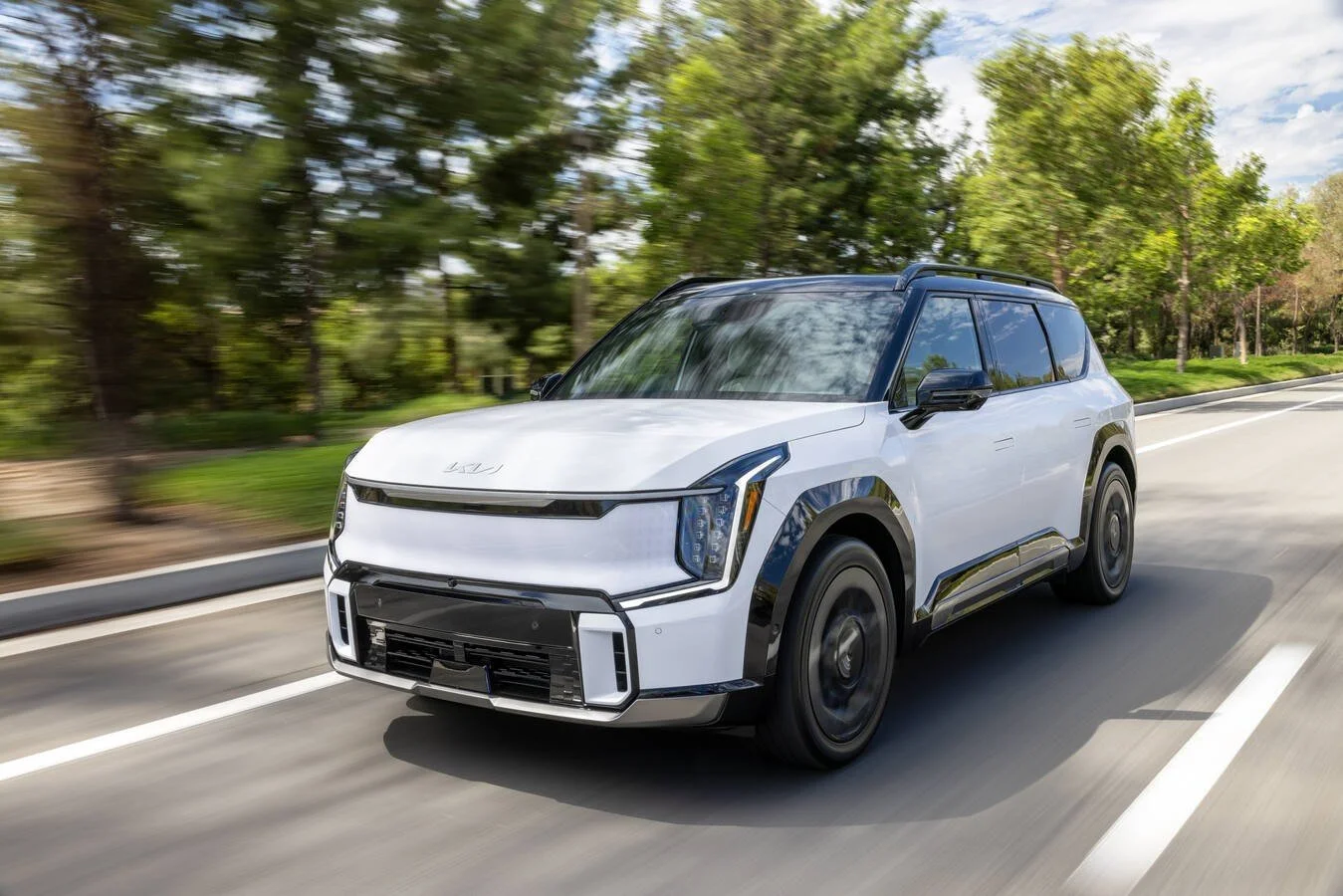
Image source: Kia Media
The Kia EV9, Volvo EX90, and Hyundai Ioniq 9 are the standout seven-seater electric cars for 2026. The Ioniq 9 offers up to 385 miles WLTP and charges to 80% in as little as 24 minutes. The EV9 delivers the best balance of third-row usability and 800V charging. The EX90 combines a five-star Euro NCAP rating with a premium cabin. Below, we compare eight models on range, charging, third-row space and running costs.
7-Seat Electric SUV Model Comparison (2026)
The table below evaluates each model on the six criteria most commonly used when assessing seven-seat electric SUVs. Each cell states a specific data point, so you can compare directly before committing to a model.
| Model | WLTP Range | Peak Charging | 3rd Row: Adult-Usable? | Boot (7 Seats) | Euro NCAP | Price From |
|---|---|---|---|---|---|---|
| Kia EV9 | 313–349 miles | 210 kW | Yes | 333L | 5-star | £66,035 |
| Tesla Model Y (7 seat) | 372 miles | ~250 kW | No: children | 381L | 5-star | £54,490 |
| Mercedes EQB | 248–291 miles | 100 kW | No: children | 195L | 5-star | £52,800 |
| Volvo EX90 | 374 miles | 250 kW | Limited | 310L | 5-star | £82,660 |
| Hyundai Ioniq 9 | 372–385 miles | 350 kW | Yes | 338L | 5-star | £64,995 |
| VW ID. Buzz (7 seat) | Up to 291 miles | 200 kW | Yes | 306L | 5-star | £59,545 |
| Peugeot E-5008 | Up to 410 miles (Long Range) | 160 kW | No: children | ~348L | 4-star | £48,650 |
| Maxus MIFA 9 | 267–272 miles | ~90 kW | Yes | 466L | TBC | £68,265 |
Net monthly salary sacrifice costs for the Tesla Model Y and Volkswagen ID. Buzz appear in the worked examples below. Ranges are WLTP, and the Volvo EX90's third row is tight for adults over 5ft 11in.
Our Top Picks For 7-Seater EVs
Kia EV9
The Kia EV9 offers exceptional capability for family electric SUVs. It's spacious, comfortable, fast-charging, and one of the only 7-seaters where adults can comfortably use the third row.
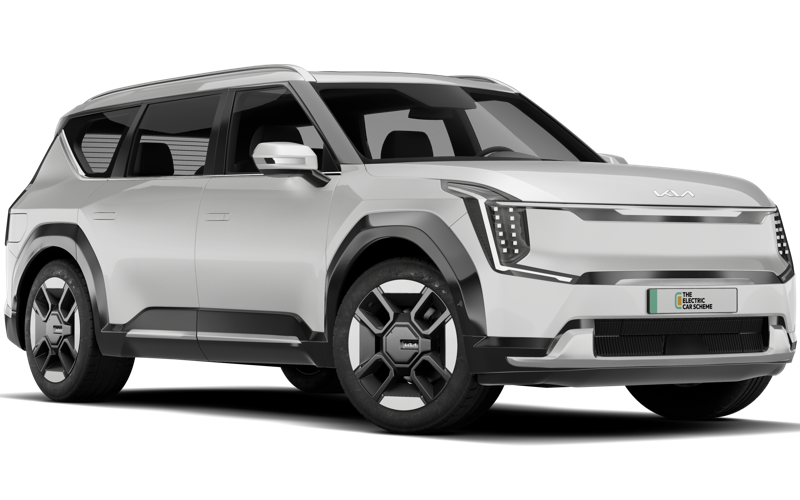
It has four ISOFIX points and an 800V platform, and suits families who want a balanced blend of range, space and running costs.
Tesla Model Y (7-seat version)
The Tesla Model Y offers competitive pricing for a fully electric seven-seater. After its 2025 Juniper refresh, it's even more efficient and refined.
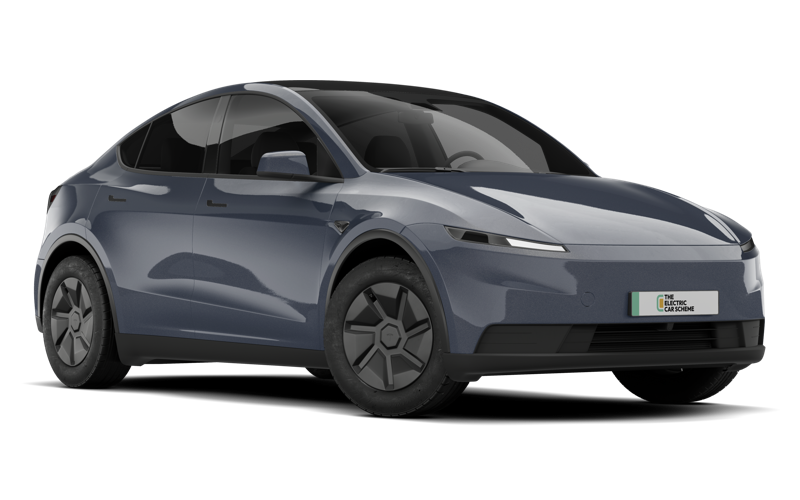
The seven-seat version returned to the UK in 2026 on the Long Range All-Wheel Drive variant only, and its third row suits children. It's best for families prioritising low running costs and high efficiency.
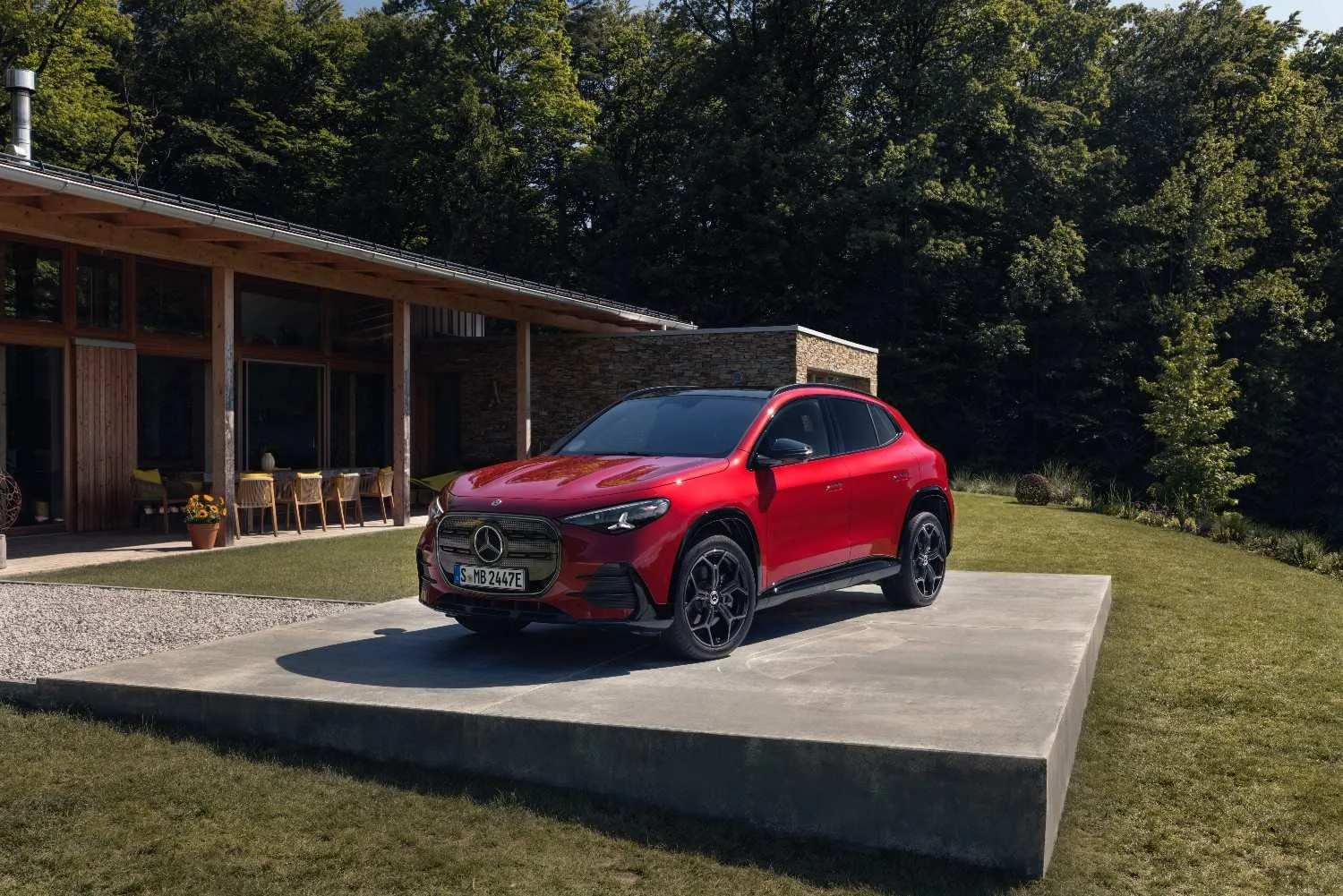
Mercedes EQB
The Mercedes EQB offers understated luxury in a compact 7-seat format, which is ideal if you want something more manoeuvrable than a full-size SUV.
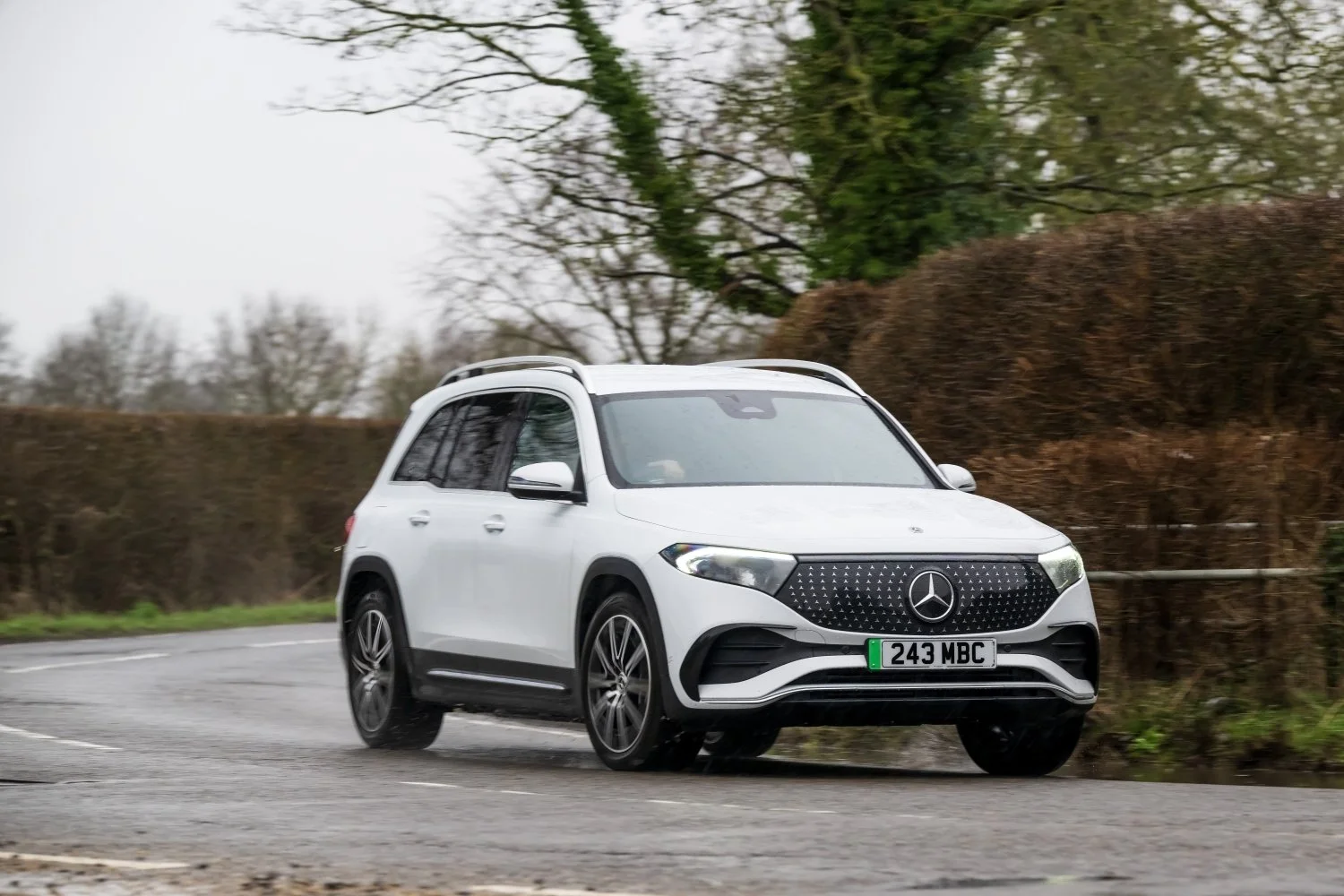
Its third row suits children, though adults can manage short journeys, and it's best for families who want premium features without a large vehicle.
Image source: Mercedes-Benz Media
Volvo EX90
Volvo's new all-electric flagship, the EX90, demonstrates impressive safety credentials, comfort, and long-distance capability.
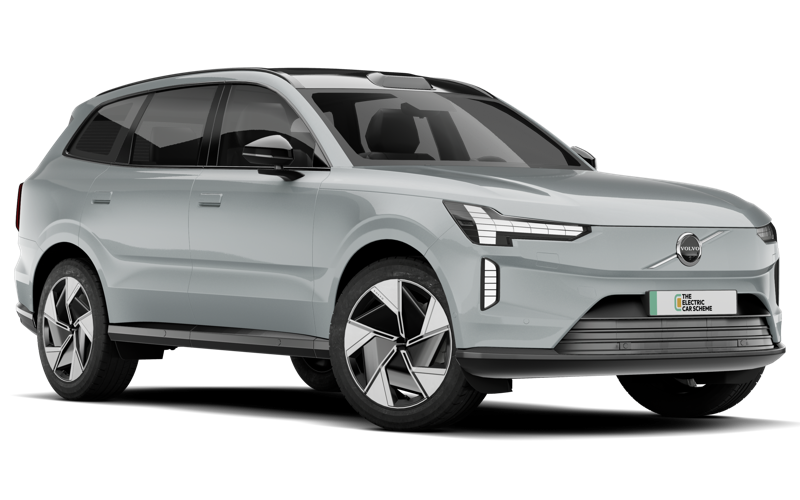
It has a lidar-based safety system and four ISOFIX points across the second and third rows, though its third row is better suited to children and shorter adults.
Hyundai Ioniq 9: New Arrival for 2026
The Hyundai Ioniq 9 is one of the newest 7-seat EVs arriving in 2026. It builds on Hyundai's ultra-fast charging platform with even more space.
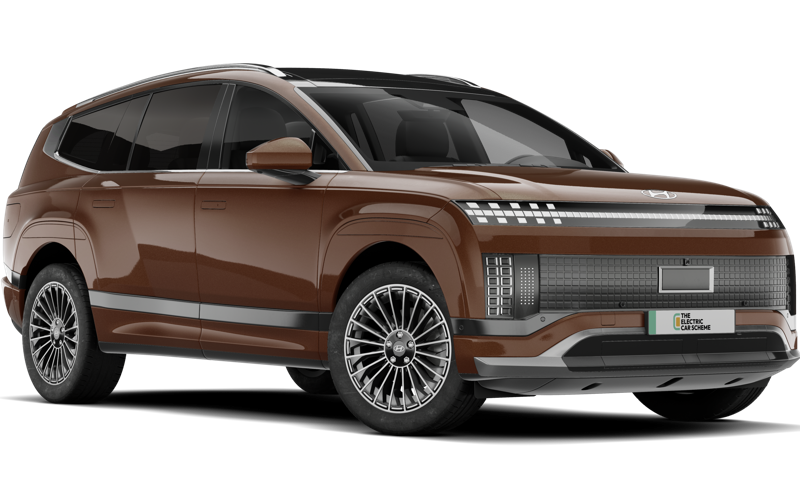
It offers an adult-usable third row and a flat floor, and suits families who want the latest EV technology with very fast charging.
Volkswagen ID. Buzz (7-Seat Version)
If you love the idea of an electric MPV with personality, the ID. Buzz is a unique option and brilliant for practical, family-friendly access.
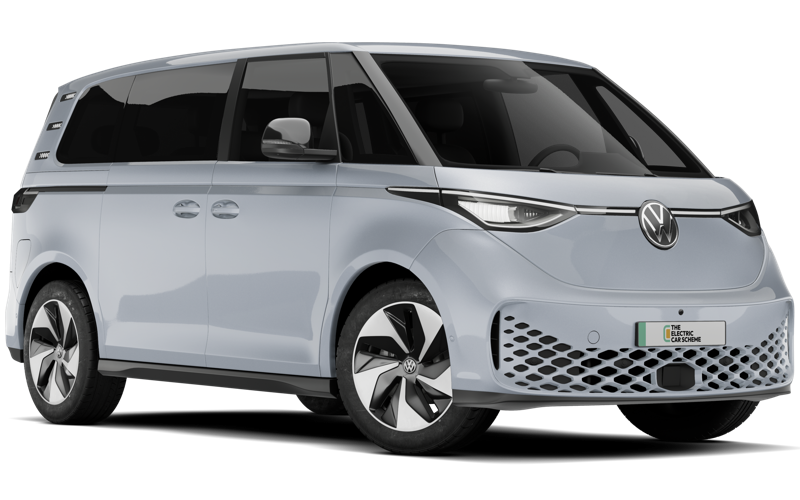
Sliding doors and a tall cabin make third-row access much simpler, and it's best for families who love road trips and need versatility.
Peugeot E-5008
The Peugeot E-5008 is a strong option in 2026 for families wanting long range without luxury SUV pricing.
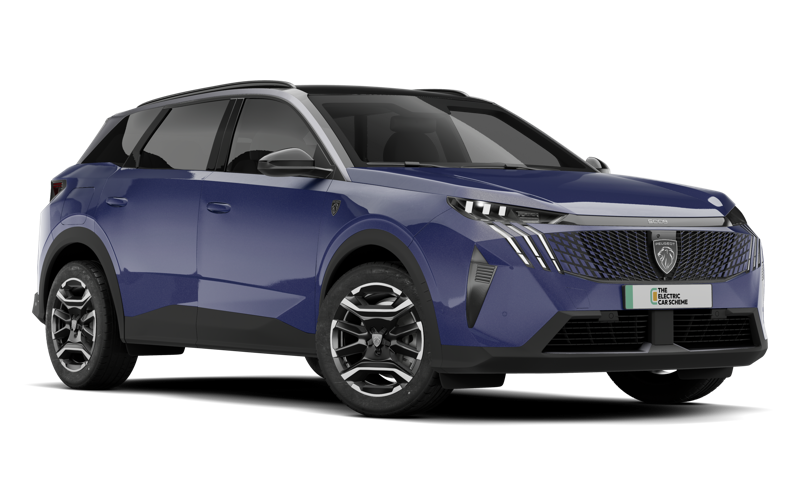
Its third row is designed mainly for children and folds flat, which suits the school run, and it's best for families seeking affordability and a strong range.
Maxus MIFA 9
If space is your number one priority, the Maxus MIFA 9 offers impressive credentials. As a full EV MPV, it provides a vast interior and excellent comfort across all rows.
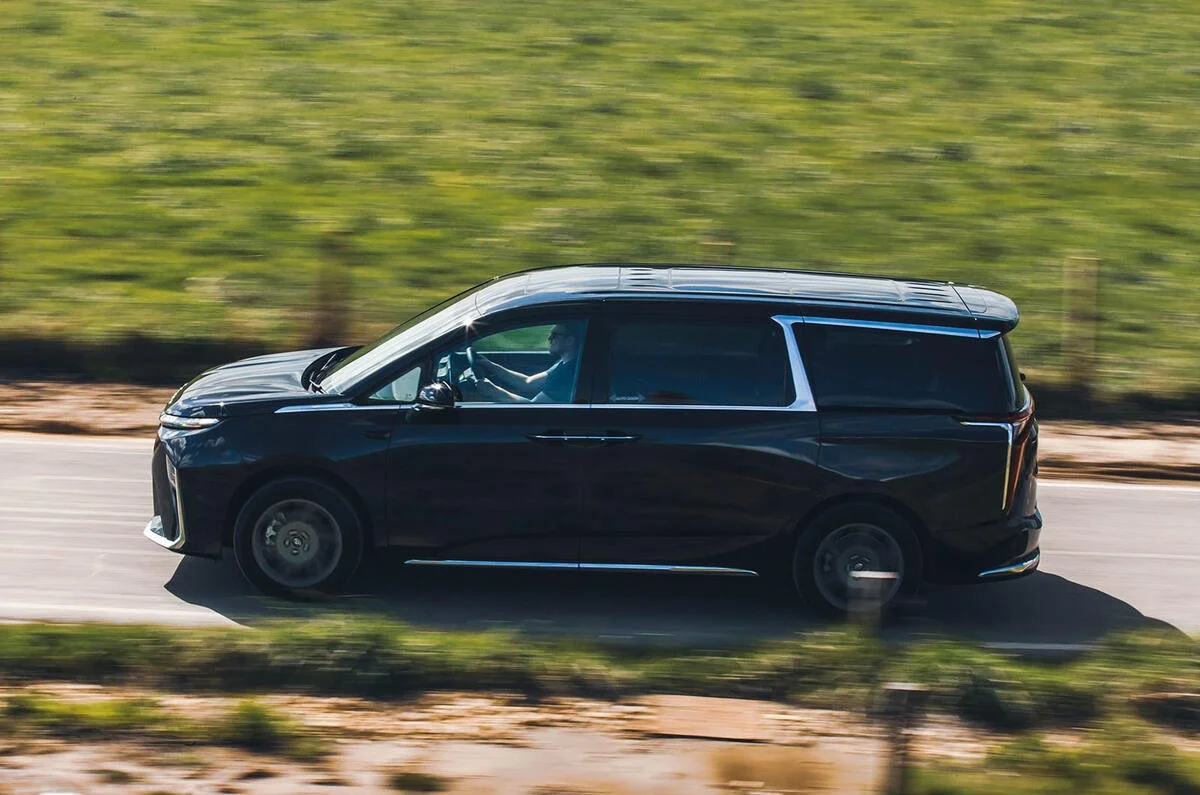
Electric sliding doors and one of the most adult-friendly third rows available make it best for families needing maximum interior volume.
Image source: Autocar
How To Choose The Right 7-Seater Electric Car
Picking the right electric seven-seater depends on your family size, journey types, and what you use your boot for.
Longer journeys are manageable because the UK has 97,266 public charging devices as of July 2026, but charging speed varies by model. The Kia EV9 and Hyundai Ioniq 9 can charge from 10 to 80% in as little as 24 minutes, though only on a 350kW rapid charger. The Volkswagen ID. Buzz takes 26 minutes at up to 200kW and the Peugeot E-5008 30 minutes for 20 to 80% at 160kW.
Which 7-Seater Electric Car Is Best For The School Run?
For the school run, ISOFIX provision, boot space with the seats up and the Euro NCAP child occupant score matter most. The Kia EV9 has four ISOFIX mounts and scored 88% for child occupant protection, the Volvo EX90 has four ISOFIX points across its second and third rows and holds a five-star Euro NCAP rating, and the Peugeot E-5008 scored 85% in May 2025 despite a four-star overall rating. The best EVs for car seats and children also vary in fit, not only in ISOFIX count.
| Model | Euro NCAP rating | ISOFIX points |
|---|---|---|
| Kia EV9 | 5-star (child occupant protection 88%) | 4 |
| Volvo EX90 | 5-star | 4 (2 in the middle row, 2 in the third row) |
| Peugeot E-5008 | 4-star, tested May 2025 (child occupant protection 85%) | 2 (middle row outer seats) |
7-Seater EVs vs Diesel Multi-Purpose Vehicles
Switching from diesel to electric will bring considerable savings in 2026, and understanding the total cost of ownership helps you make an informed decision.
Lower Running Costs
EVs benefit from:
Low road tax: £10 in the first year and £200 a year after that, plus £440 a year for cars with a list price over £50,000, included in The Electric Car Scheme package
Lower monthly payments with salary sacrifice
BiK Advantages
From April 2026:
EV BiK: 4% (rising to 5% in 2027/28, 7% in 2028/29 and 9% in 2029/30)
Diesel BiK: up to 37%
A 40% taxpayer driving a seven-seat EV with a P11D value of £65,000 pays approximately £1,040 in BiK tax in 2026/27. The equivalent figure at the maximum 37% diesel BiK is approximately £9,620, which is a difference of over £8,500 per year from tax alone. HMRC's guidance explains how the rates work.
How Does Electric Car Salary Sacrifice Work?
Electric car salary sacrifice lets your employer lease the car and deduct the cost from your gross salary before income tax and National Insurance are calculated. Through The Electric Car Scheme, the monthly payment covers insurance, servicing and maintenance, breakdown cover and road tax (VED), with tyres and home charging available as options, and employees typically save 20 to 50% on an electric car.
Worked Examples: Tesla Model Y & Volkswagen ID.Buzz
The table below shows illustrative quotes from our quote tool for a higher-rate taxpayer on a £62,000 salary, based on 10,000 miles a year over three years with a flat payment profile. Income tax and National Insurance savings bring the average monthly salary sacrifice down to a net cost of £813 for the Tesla Model Y and £767 for the Volkswagen ID. Buzz, and our salary sacrifice calculator gives a personalised estimate.
| Savings Breakdown: £62,000 (Higher Rate) | Tesla Model Y Premium Long Range AWD (7 Seat) | Volkswagen ID. Buzz (7 Seat) |
|---|---|---|
| Average monthly salary sacrifice (inc VAT) | £1,199 | £1,104 |
| Employee income tax savings | -£480 | -£442 |
| Employee national insurance savings | -£24 | -£22 |
| Average benefit-in-kind tax over term | £117 | £127 |
| Net cost / You pay | £813 | £767 |
Complete Employer Protection helps remove the financial risk to employers if a lease ends early. It covers redundancy, dismissal, long-term sickness and death with no excess or usage caps, and resignation after three months, subject to eligibility conditions.
Frequently Asked Questions About 7-Seater EVs
What Is the Best Electric 7-Seater in the UK in 2026?
The Hyundai Ioniq 9 is a leading choice for 2026, offering up to 385 miles WLTP, a roomy third row and 10 to 80% charging in as little as 24 minutes on a 350kW charger, from £64,995. The Kia EV9 is the closest alternative, with an adult-usable third row and similar charging speeds.
Which 7-Seat Electric SUV Has the Most Usable Third Row?
The Hyundai Ioniq 9 and Kia EV9 offer the most adult-friendly third rows among the seven-seat electric SUVs here. The Volvo EX90's third row is tight for adults over 5ft 11in, and the Tesla Model Y, Mercedes EQB, and Peugeot E-5008 are better suited to children.
Which 7-Seater EV Has the Longest Range?
The Peugeot E-5008 Long Range claims the longest WLTP range here at up to 410 miles, and the Hyundai Ioniq 9 follows at up to 385 miles. Both are WLTP figures, so expect less on the motorway, particularly when it's cold, as our guide to electric cars in winter explains.
Can I Get a 7-Seat Electric Car Through Salary Sacrifice?
Yes, The Electric Car Scheme offers 7-seat electric cars through salary sacrifice, including the Tesla Model Y and Volkswagen ID. Buzz in the worked examples above. Availability of other seven-seat models varies, so check our quote tool for current options.
For families who need a proper third row for adults, the Hyundai Ioniq 9 and Kia EV9 lead on space and charging speed. For premium safety credentials and long-distance refinement, the Volvo EX90 remains the flagship choice. For the longest range at the most competitive price, the Peugeot E-5008 warrants serious consideration.
Whichever model fits your family's needs, salary sacrifice through The Electric Car Scheme makes large electric seven-seaters more affordable than personal finance, with the full running cost package and Complete Employer Protection in place from Day 1, with employees typically saving 20 to 50% and Complete Employer Protection helping remove the financial risk for employers.
You can use our quote tool to calculate how much you could save each month based on your salary and desired lease terms.
Are you an employer?
BOOK A DEMOAre you an employee?
SEE AVAILABLE CARSECS GUIDES AND ADVICE
Ready to Go Electric? Your Guides and Tools to a Smooth Switch
-
 How the Scheme Works
Find out how salary sacrifice can work for you or your business.
-
 The Charge Scheme
Save 20-50% on all charging costs through salary sacrifice - at home, the office, or in public..
-
 Complete Employer Protection
All employers and drivers are protected from day 1.
-
 Used Electric Cars
Discover the most affordable way to drive electric. Cars delivered in 14 days.
You might also like…

Last updated: 19.10.26
Information and prices provided are accurate at the time of release and may be subject to change. Our pricing is based on data collected from The Electric Car Scheme quote tool. All final pricing is inclusive of VAT. All prices above are based on the following lease terms; Using a flat payment profile, 10,000 miles pa, 36 months, and are inclusive of Maintenance and Breakdown Cover. The Electric Car Scheme’s terms and conditions apply. All deals are subject to credit approval and availability. All deals are subject to excess mileage and damage charges. Prices are calculated based on the following tax saving assumptions; England & Wales, 40% tax rate. The Electric Car Scheme Limited provides services for the administration of your salary sacrifice employee benefits. The Electric Car Scheme Holdings Limited is a member of the BVRLA (10608), is authorised and regulated by the FCA under FRN 968270, is an Appointed Representative of Marshall Management Services Ltd under FRN 667174, and is a credit broker and not a lender or insurance provider.
Copyright and Image Usage: All images used on this website are either licensed for commercial use or used with express permission from the copyright holders, in compliance with UK and EU copyright law. We are committed to respecting intellectual property rights and maintaining full compliance with applicable regulations. If you have any questions or concerns regarding image usage or copyright matters, please contact us at marketing@electriccarscheme.com, and we will address them promptly.