
Electric Cars vs Petrol Cars 2026: Which Is Actually Cheaper to Run?

Quick Answer: Are Electric Cars Cheaper Than Petrol Cars in 2026?
Yes, electric cars are cheaper to run than petrol cars despite higher upfront costs. Here's the complete breakdown:
| Cost Factor | Electric Cars | Petrol Cars | Winner |
|---|---|---|---|
| Running Costs | 7p per mile | 19-21p per mile | EV (65% cheaper) |
| Annual Fuel (10k miles) | £630 | £1,230 | EV (Save £600) |
| Maintenance | £165/year | £205/year | EV (20% less) |
| BiK Tax Rate (2026) | 4% | Up to 37% | EV (12x better) |
| Road Tax (VED) | £200/year | £200-£600/year | EV (Equal or less) |
| Service Costs | Lower | Higher | EV (50% reduction) |
| ULEZ Charges | Exempt | £12.50/day | EV (Major saving) |
Choosing between an electric car and a petrol car in 2026? You're not alone. With the UK's 2030 ban on new petrol and diesel vehicles approaching fast, and electric vehicle sales reaching 19.6% of new registrations in 2024, the automotive landscape is shifting rapidly.
But here's what really matters for your wallet: electric cars now cost significantly less to run than petrol cars, with drivers saving £600-£1,500 annually on fuel alone. When you factor in lower maintenance costs (£165 vs £205 per year), substantial tax benefits (4% BiK rate vs 37%), and especially salary sacrifice schemes that reduce vehicle costs by 20-50%, the financial case for going electric is stronger than ever in 2026.
This comprehensive guide compares every cost aspect—upfront prices, running costs, tax implications, maintenance requirements, insurance, and hidden expenses—so you can make an informed decision. We'll also show you how electric car salary sacrifice schemes can make even premium EVs more affordable than traditional petrol car ownership.
How Much Do Electric Cars Cost Compared to Petrol Cars?
Purchasing an electric car outright can be expensive—they're typically 18-20% more costly than new petrol cars. This gap has narrowed significantly from 51% in 2018, demonstrating how EV technology is becoming more mainstream and affordable.
The average price of an electric car currently sits between £48,000 and £50,873, but this average is skewed by the large number of luxury, high-end models in the EV space.
The Most Affordable Electric Cars in 2026
Entry-Level EVs:
Citroën Ami: £7,695 (two-seater, 46-mile range)
Dacia Spring: 140-mile range, 4 seats
MG4: From £25,995 (218-mile range)
Renault 5 E-Tech: From £22,995 (190-mile range)
Through EV salary sacrifice schemes, the Dacia Spring can be had for as little as £128 per month—making it more affordable than most petrol car leases.
Why the Price Gap Is Narrowing
While new petrol cars now average significantly more than in previous years due to rising car prices across all segments, EVs benefit from unprecedented manufacturer discounting. Average discounts of £5,006 are available on EVs compared to £2,652 for petrol cars as of 2024—and these savings continue into 2026.
The Used Electric Car Market Boom
The second-hand electric vehicle market is booming, offering affordable opportunities for drivers to go electric. UK used electric car sales hit a record high in summer 2024, with 53,423 EVs sold—a staggering 57% year-on-year increase.
How Salary Sacrifice Changes the Equation
It's crucial to note that although the initial cost of buying an electric car is higher than a petrol alternative, government tax incentives and consumer savings initiatives like The Electric Car Scheme make electric cars more cost-efficient than petrol cars.
Employees who make use of their electric car salary sacrifice benefit can save between 20% and 50% on any new electric car. You can also include service, maintenance, breakdown cover, and even home charger installation in your package—saving you even more money in the long run.
What Are the Running Costs of Electric vs Petrol Cars?
When you're considering purchasing or leasing a new vehicle, it's crucial to factor in the average running costs based on your driving habits. This is where electric cars truly shine.
Fuel Costs: The Biggest Difference
One significant advantage of driving an electric car is its substantially lower running costs compared to petrol or diesel alternatives.
Cost per Mile Comparison:
| Vehicle Type | Cost per Mile | Annual Cost (10,000 miles) |
|---|---|---|
| ⚡ Electric (Home Charging) | 7p | £630 |
| ⚡ Electric (EV Tariff) | 7.5p | £680 |
| ⛽ Petrol | 19-21p | £1,230 |
| 🚗 Diesel | 14.5p | £1,450 |
Powering an electric motor costs between 3 and 5 times less per mile than petrol, potentially saving drivers between £600 and £1,500 annually for a typical 10,000-mile journey.
Real-World Example: Volkswagen ID.3 vs Ford Focus
Let's compare two equivalent family cars:
| Model | Powertrain | Cost per Mile | Annual Fuel Cost |
|---|---|---|---|
| Volkswagen ID.3 | Electric | 7.8p | £780 |
| Ford Focus | Diesel | 14.5p | £1,450 |
| Savings: | £670/year |
Calculations based on the Diesel variant of the Ford Focus.
However, these savings depend heavily on where you charge. Home charging is typically far cheaper than motorway rapid charging, and your energy tariff makes a significant difference. That's why we recommend:
Installing a home charger for 80% of your charging needs
Switching to an EV-friendly energy tariff with off-peak rates
Using The Charge Scheme to salary sacrifice your charging costs and save 20-50%
Did You Know?
Electric car drivers save an average of £1,200 per year on running costs compared to petrol drivers—equivalent to 2 weeks of groceries for a family of four or a weekend break abroad.
We've created a handy calculator that lets you compare the costs of driving a petrol car with the costs of leasing an electric car through a salary sacrifice scheme.
Which Is More Efficient: Electric Cars or Petrol Cars?
Electric vehicles are significantly more efficient at converting energy into motion than traditional petrol or diesel cars.
Energy Conversion Efficiency Comparison
| Vehicle Type | Energy Conversion Rate | Wasted Energy |
|---|---|---|
| Electric Cars | 60-80% | 20-40% |
| Petrol/Diesel Cars | 20-35% | 65-80% |
This means EVs convert 2-3x more energy into actual movement compared to internal combustion engines.
Why Electric Cars Are More Efficient
1. Direct Power Delivery
Electric motors deliver power directly to the wheels without complex transmissions or energy-wasting mechanical processes.
2. Regenerative Braking
EVs capture energy usually lost during braking to recharge the battery, making them even more efficient in stop-start traffic. Learn how to optimise your EV range.
3. No Idling Losses
Unlike petrol cars that waste fuel when stationary, electric cars use virtually no energy when stopped.
Real-World Cost Impact
For UK drivers, this superior efficiency translates directly to lower running costs:
Charging an EV at home: As little as 7p per mile
Refuelling petrol vehicles: 19-21p per mile
Your savings: 65% lower fuel costs
When you add the 20-50% savings from salary sacrifice, the efficiency advantages compound into substantial financial benefits.
Are Electric Cars More Economical in the Long Run?
When comparing electric vs petrol cars, the long-term financial benefits of choosing an EV become increasingly clear. While the initial purchase price of an electric car may be higher, the total cost of ownership over time often makes electric cars significantly cheaper to run than their petrol counterparts.
Let's break down the long-term savings when choosing electric over petrol:
Do Electric Cars Require Less Maintenance Than Petrol Cars?
Yes, significantly less. Although electric cars typically come with a higher initial price tag compared to their petrol or diesel counterparts, they boast lower maintenance requirements and reduced servicing costs.
Why EVs Cost Less to Maintain:
No oil changes (saving £60-£100/year)
No exhaust systems to replace
Fewer brake replacements due to regenerative braking
No timing belts, spark plugs, or fuel filters
Simpler electric motors with fewer moving parts
The Numbers:
Because of the electric motor's simplicity, there are fewer moving engine parts, which means electric cars incur approximately half the servicing, repair, and maintenance expenses of petrol vehicles—potentially saving drivers between £600 to £1,200 annually.
| Service Type | Electric Car | Petrol Car | Difference |
|---|---|---|---|
| Annual Service | £165 | £205 | Save £40 |
| 3-Year Total | £495 | £615 | Save £120 |
| Major Repairs | Rare | Common | Save £600-£1,200 |
What About Electric Car Battery Concerns?
Concerns about battery capacity and battery degradation often deter potential electric car buyers, particularly due to the perceived high cost of battery replacement. Let's address this directly:
Modern Electric Car Battery Performance:
Lifespan: 10-20 years or 150,000+ miles
Degradation: Only 10-15% reduction in range after years of use
Warranty: 8-10 years or 100,000 miles (manufacturer guarantee)
Replacement Cost: £7,235 average (if needed, which is uncommon)
In reality, replacing specific sub-optimal cells is more common than replacing the entire battery. Battery technology continues improving rapidly, with costs falling by 90% since 2010. We expect these figures to continue declining as battery capacity for EVs improves—which will subsequently diminish range anxiety for newer drivers.
With Salary Sacrifice: Your lease term (typically 2-4 years) falls entirely within the manufacturer's warranty period, eliminating battery concerns completely.
Other Maintenance Considerations
Regarding other maintenance aspects, electric cars follow the same maintenance procedures as petrol cars for certain components:
Tyres: Regular maintenance crucial—EVs tend to be heavier due to battery weight, which can accelerate tyre wear. Maintaining recommended tyre pressure is essential.
Brakes: Although regenerative braking reduces wear significantly, brake pads and discs still require periodic inspection.
Suspension: Similar service intervals to petrol cars.
Benefit-in-Kind: Petrol vs Electric
The Company Car Tax—also known as the Benefit-in-Kind (BiK) tax—is calculated based on three key factors:
CO2 emissions produced by the car
P11D value (on-road price)
Your personal tax bracket
This is where electric cars deliver massive tax advantages. The BiK rate is 4% for the 2026/27 tax year, and remains significantly lower than the 25–37% typically applied to petrol and diesel vehicles.
What Is the Road Tax (VED) for Electric Cars in 2026?
Road tax, known as VED or car tax, is an annual payment imposed on vehicles that are used or parked on public roads in the UK. It's calculated based on emission levels—higher emissions mean higher tax.
Electric Car VED (2026):
Prior to April 2025, drivers of electric cars were exempt from paying road tax because these vehicles produce no harmful emissions. This saved EV drivers over £500 per year compared with high-emission cars.
However, from the 1st of April 2025, EV drivers now pay VED (road tax) for the first time in the UK:
| Year | VED Rate |
|---|---|
| First Year (New EV) | £10 |
| Second Year Onwards | £200 |
| High-Emission Petrol | £600+ |
While EVs now pay road tax, they still pay the lowest possible rate—equivalent to the lowest-emission petrol cars and far less than most combustion vehicles.
What Is the BiK Tax Rate for Petrol and Diesel Cars?
The BiK tax levied on highly polluting internal combustion engine cars (i.e., petrol and diesel cars) can go as high as 37% of the vehicle's P11D value.
The low BiK rate for EVs has opened up the potential for drivers to make significant savings when getting an electric car, whereas petrol and diesel cars are becoming less affordable to run due to their higher BiK rate and running costs.
Interestingly: Hybrid cars do not enjoy a BiK rate as low as electric cars—some plug-in hybrid cars pay a BiK rate as high as 12%.
What Is the BiK Rate for Electric Vehicles in 2026?
Rachel Reeves, The Chancellor of the Exchequer, announced updates to the Benefit in Kind rates for electric vehicles leased as part of an employee benefit:
| Tax Year | EV BiK Rate | Petrol Car BiK Rate (typical) |
|---|---|---|
| 2026/27 | 4% | 25-37% |
| 2027/28 | 5% | 25-37% |
| 2028/29 | 7% | 25-37% |
| 2029/30 | 9% | 25-37% |
*Projected rates based on announced 2% annual increases after 2027.
This is still far less than the maximum 37% rate for traditional cars.
Real-World BiK Tax Example: Nissan Ariya
The graphic below shows the monthly cost breakdown for the Nissan Ariya if you were to salary sacrifice it via The Electric Car Scheme:

| Salary Sacrifice Calculations | Nissan Ariya Electric |
|---|---|
| Average Monthly Salary Sacrifice (inc VAT) | £584 |
| Employee Income Tax Savings | -£234 |
| Employee National Insurance Savings | -£12 |
| Average Benefit-in-Kind Tax Over Term | £55 |
| Net Cost / You Pay | £393 |
You can see that the average Benefit-in-Kind tax across the three-year lease with 10,000 miles per annum and a 40% tax bracket will cost approximately £55 per month. This would be significantly higher for a petrol or diesel car of a similar size.
Salary sacrifice has been designed to accelerate the adoption of electric vehicles, pushing the UK closer to achieving its green initiatives.
You can learn more about BiK tax by visiting our dedicated guide: Electric Car Benefit-in-Kind (BiK) Salary Sacrifice Guide.
Electric Car Tax Bands & BiK Rates
The table below shows how future BiK tax bands work based on your vehicle's CO2 emissions:
| CO2 (g/km) | Electric Range | 2024/25 (%) | 2025/26 (%) | 2026/27 (%) | 2027/28 (%) |
|---|---|---|---|---|---|
| 0 | NA | £2 | £3 | 4 | 5 |
| 1 - 50 | > 130 | £2 | £3 | 4 | 5 |
| 1 - 50 | 70 - 129 | £5 | 6 | 7 | 8 |
| 1 - 50 | 40 - 69 | £8 | 9 | 10 | 11 |
| 1 - 50 | 30 - 39 | 12 | 13 | 14 | 15 |
| 1 - 50 | < 39 | 14 | 15 | 16 | 17 |
Real-World Example: Electric vs Petrol Over 3 Years
Let's compare the true cost of ownership for equivalent vehicles over a typical 3-year period through salary sacrifice:
The Vehicles
Electric: Volkswagen ID.3 (Family)
Petrol: Volkswagen Golf (Family)
Annual Mileage: 10,000 miles
Driver: 40% taxpayer
Total Cost Comparison (3 Years)
| Cost Category | VW ID.3 (Electric) | VW Golf (Petrol) | Difference |
|---|---|---|---|
| Vehicle Lease | £18,000 | £15,000 | £3,000 |
| Fuel/Charging | £1,890 | £3,690 | -£1,800 |
| Road Tax (VED) | £595 | £1,800 | -£1,205 |
| Insurance | £2,700 | £2,400 | £300 |
| Maintenance | £495 | £615 | -£120 |
| BiK Tax (4%) | £2,000 | £8,880 (30% BiK) | -£6,880 |
| TOTAL | £25,680 | £32,385 | SAVE £6,705 |
With Salary Sacrifice (Electric Only)
| Cost Category | Without Salary Sacrifice | With Salary Sacrifice | Savings |
|---|---|---|---|
| Monthly Cost | £708/month | £472/month | £236/month |
| 3-Year Total | £25,480 | £16,992 | £8,488 |
Bottom Line: Over 3 years, the electric VW ID.3 through salary sacrifice saves £15,393 compared to leasing a petrol VW Golf conventionally.
Calculate your exact savings based on your vehicle choice and salary.
Are Electric Cars More Expensive to Insure Than Petrol Cars?
Electric car insurance costs can vary, and it's worth understanding the factors that influence premiums:
Factors That Increase EV Insurance:
Higher vehicle value (repair costs)
Expensive battery technology
Limited specialist repair networks
Factors That Decrease EV Insurance:
Lower theft rates (tracking technology)
Safer driving profiles (EV drivers tend to be lower risk)
Advanced safety features (many EVs have superior safety tech)
Current Market (2026):
Insurance premiums for EVs are typically 5-15% higher than equivalent petrol cars, but this gap is narrowing as more insurers develop EV-specific products.
With Salary Sacrifice:
Through The Electric Car Scheme, insurance is included in your monthly payment, so you don't need to worry about shopping around or managing separate policies.
Congestion Charges & Parking: Electric vs Petrol Cars
There are smaller, everyday positives to driving an electric car, including savings on congestion charges and parking fees that cannot be applied to petrol alternatives.
What Are the Congestion Charges for Electric Cars?
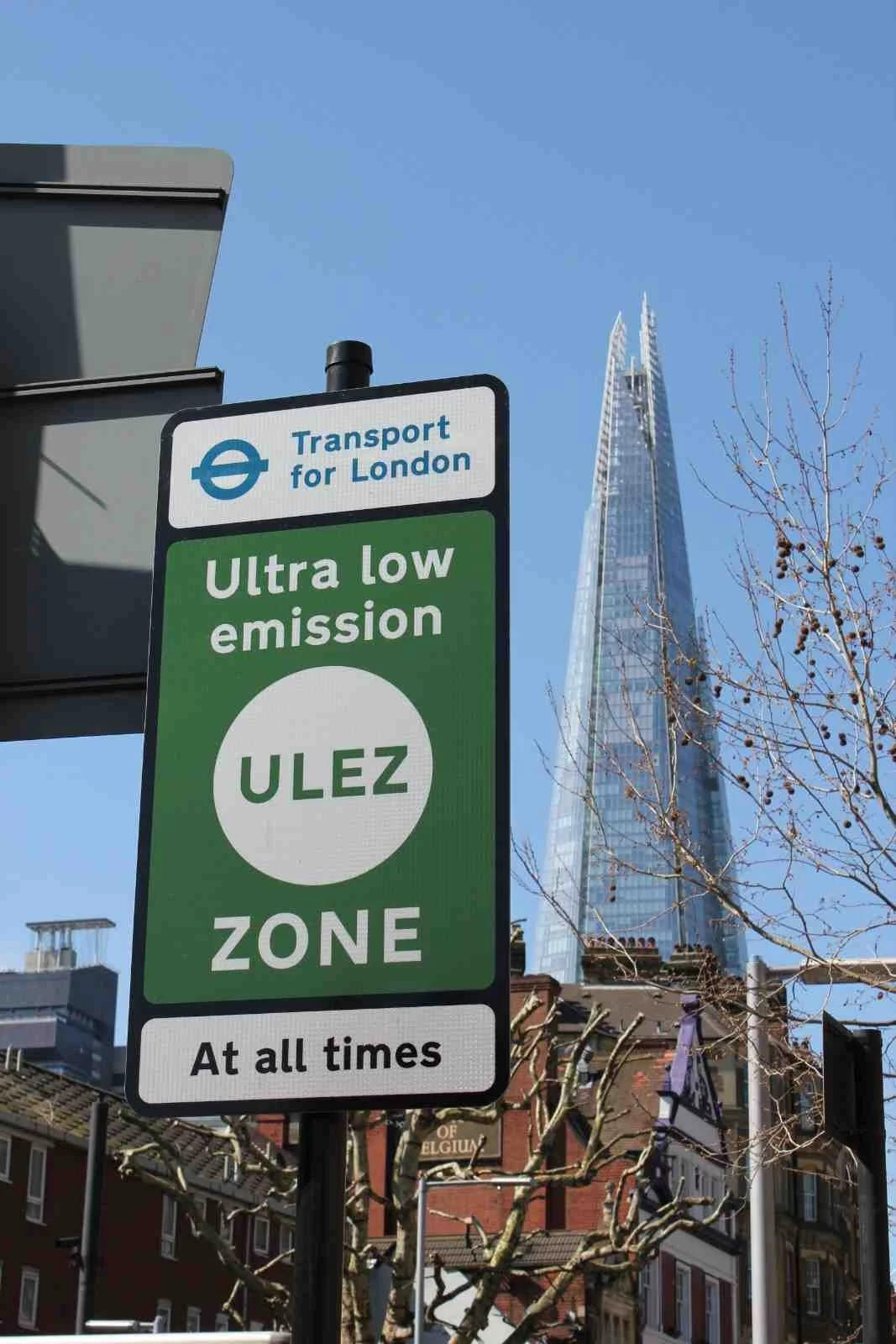
The Ultra Low Emission Zone (ULEZ), otherwise known as ULEZ, has extended its reach to all London Boroughs (excluding the M25). There are a number of ULEZ zones around the UK:
| City | Daily Charge | Active Times |
|---|---|---|
| Bath | £9 (small vehicles), £100 (large vehicles) | 24/7 |
| Bristol | £9 (small vehicles), £100 (large vehicles) | 24/7 |
| Edinburgh | £60 | 24/7 |
| Glasgow | £60 | 24/7 |
| Oxford | £2-£10 depending on vehicle | 7am-7pm daily |
| Newcastle & Gateshead | £12.50 (small vehicles), £50 (large) | 24/7 |
Within these designated areas, drivers of older vehicles face daily charges—a measure implemented to curb high air pollution from older cars in densely populated areas.
For Petrol Cars:
If your vehicle doesn't meet ULEZ emission standards and isn't exempt, you'll pay a £12.50 daily charge to drive within the zone.
For Electric Cars:
EV drivers are exempt under the Cleaner Vehicle Discount until 25th December 2025. Even after this date, most modern EVs will continue to qualify for exemptions due to their zero tailpipe emissions.
Annual Savings (London ULEZ):
If you drive in the ULEZ zone 5 days per week:
Petrol car: £3,250/year in ULEZ charges
Electric car: £0 (2026)
Your savings: £3,250/year
What About Parking Charges for Electric Cars?
In London, some boroughs offer free annual residential parking permits for electric car drivers. These include:
Barking and Dagenham
Hammersmith and Fulham
Newham
Westminster
Hounslow
Redbridge
Richmond upon Thames
Kensington and Chelsea
Some parking companies also offer subsidised parking for electric cars in London, like RingGo, which offers a 50% discount for fully electric vehicles in the London Borough of Hammersmith and Fulham—making parking 50% cheaper for electric vehicle drivers when compared to petrol/diesel owners.
Workplace Benefits
Through salary sacrifice schemes like The Electric Car Scheme, employees can save between 20-50% on a new electric car, making the switch to electric significantly more affordable than traditional petrol car ownership.
When combined with the current 4% Benefit-in-Kind rate (compared to up to 37% for petrol cars), the tax advantages make electric cars a particularly cost-effective choice for company car drivers.
What About Electric Car Resale Value?
A crucial long-term consideration is resale value. While the used electric car market is still evolving, many electric vehicles are holding their value well, particularly as awareness of their benefits grows and charging infrastructure improves.
The increasing adoption of EVs and the upcoming 2030 ban on new petrol car sales are likely to support strong resale values for electric vehicles in the future.
With Salary Sacrifice:
Resale value isn't your concern—you simply return the vehicle at the end of your lease term with no depreciation risk.
What Hidden Costs Should You Consider When Switching to Electric?
While the major costs of switching to an electric car are well documented—from the purchase price to charging costs—there are several less obvious financial factors to consider. Some of these hidden elements can lead to unexpected savings, while others might require initial investment for long-term gain.
Understanding these less apparent costs and benefits is crucial for making an informed decision about switching to an electric vehicle.
How Much Does Home Charger Installation Cost?
Installing a home charger is an initial investment that many don't factor into their EV calculations, but it can lead to significant long-term savings.
Typical Costs:
| Charger Type | Equipment Cost | Installation Cost | Total |
|---|---|---|---|
| 7kW Charger | £500-£800 | £300-£700 | £800-£1,500 |
| 11kW Charger | £600-£900 | £500-£1,000 | £1,100-£1,900 |
| 22kW Charger | £700-£1,200 | £500-£1,000 | £1,200-£2,200 |
The cost can vary based on your property's electrical setup and the type of charger you choose.
The Good News:
You can include a home charger in your salary sacrifice agreement through The Electric Car Scheme, allowing you to save 20-50% on the installation cost too.
Why You Should Install a Home Charger:
Convenience: Plug in overnight, wake to a full charge
Cost savings: Home charging costs 65% less than public charging
Time savings: No need to plan charging stops
Energy tariff optimisation: Use cheaper overnight rates
Learn more about home charger types and installation costs.
Should You Switch Energy Tariffs?
Switching to an electric car often prompts a review of your home energy tariff—and this can lead to unexpected savings.
Many energy providers now offer specific EV tariffs with lower rates during off-peak hours, typically overnight. For example, some tariffs offer rates as low as 5p per kWh during off-peak times, compared to standard rates of 20-30p per kWh.
Here's what to consider:
Special EV-friendly tariffs often provide significantly cheaper night-time rates
Smart chargers can be programmed to charge only during off-peak hours
Some tariffs offer free charging periods during weekends
Combining solar panels with EV charging can further reduce costs
Annual Savings: Switching from a standard tariff to an EV-specific tariff can save £400-£600 per year on charging costs.
What About Workplace Charging?
More employers are having workplace charging points installed, offering another layer of potential savings. This means you don't have to worry about rapid charging when on the go.
When combined with salary sacrifice, workplace charging can provide substantial benefits:
Many employers offer free or subsidised charging at work
Charging while parked at work reduces the need for home charging infrastructure
Workplace charging can be included in your salary sacrifice arrangement
Some employers participate in The Charge Scheme, providing additional savings
Annual Savings: Free workplace charging could save you £600-£1,000 per year if it covers most of your charging needs.
Can You Salary Sacrifice Your EV Charging Costs?
Through The Charge Scheme, our latest initiative, employees can now salary sacrifice their EV charging costs and save 20-50% on all charging—whether that's at home, in public, or at work.
This means the initial investment in home charging infrastructure becomes even more cost-effective over time, and your ongoing charging expenses are dramatically reduced.
How It Works:
You opt into the scheme through your employer
Receive The Charge Scheme app and public charging card
Record your monthly charging/mileage
Pay from your pre-tax salary
Save 20-50% on all EV charging
Learn more about salary sacrifice charging.
Start saving on both your car and charging costs -learn about The Charge Scheme
What Future Cost Considerations Should You Know About?
Looking ahead, several factors could influence the cost of running an electric car:
Positive Trends:
Battery technology and battery capacity improvements are likely to reduce replacement costs
The growing charging network should lead to more competitive public charging rates
Government policies continue to favour electric vehicles, potentially leading to additional savings opportunities
Vehicle-to-grid technology could allow EV owners to return energy to the grid, creating a new revenue stream
Potential Increases:
Public rapid charging prices may increase as demand grows
Energy prices may fluctuate, though EV efficiency provides some protection
VED (road tax) for EVs will continue at £200/year
We're already seeing positive trends in these areas. For example, battery costs have fallen by 90% since 2010, with 2025-2026 seeing average pack prices drop below £100/kWh for the first time. The expansion of the UK's charging network is also reducing "range anxiety" and making public charging more accessible through increased competition.
Should You Choose Electric or Petrol?
Choose Electric if:
You drive <250 miles per day (suits 95% of drivers)
You have home charging or workplace charging access
You're a higher-rate taxpayer (40%+) - bigger tax savings
Your employer offers salary sacrifice
You want lower running costs and less maintenance
You drive in ULEZ zones or congestion charge areas
Environmental impact matters to you
You want access to the latest vehicle technology
Best Option:Electric car salary sacrifice - Save 20-50%
Choose Petrol if:
You regularly drive 300+ miles per day without breaks
You have absolutely no access to any charging (increasingly rare in 2026)
You need to tow heavy loads frequently (though electric SUVs now tow excellently)
You live in a remote area with zero charging infrastructure
Note: With over 120,000 public charge points and expanding salary sacrifice schemes, these scenarios are increasingly rare. For most UK drivers, electric is the economical choice in 2026.
The Hybrid Compromise?
If you're still unsure, consider a plug-in hybrid electric vehicle. However, remember:
Hybrids still require petrol
BiK rates are higher (up to 12% vs 4% for pure EVs)
Running costs are between electric and petrol
They're a stepping stone, not the final answer
Most Cost-Effective Path: Go fully electric through salary sacrifice for maximum savings.
Explore electric vehicle options
How Can Salary Sacrifice Make Electric Cars More Affordable?
The Electric Car Scheme is an electric car salary sacrifice scheme that makes it easy for employees to access government tax incentives and save money on electric cars.
Companies offer The Electric Car Scheme as an employee benefit to attract and retain talent whilst also boosting their environmental, social and governance goals.
What Is Salary Sacrifice?
In short, salary sacrifice is a financial agreement where an employee agrees to sacrifice part of their pre-tax salary in exchange for a non-cash benefit—in this case, an electric vehicle.
How Does Electric Car Salary Sacrifice Work?
An employee selects an electric vehicle with a set budget, and the employer then leases the car on their behalf. The lease cost is then deducted from the employee's gross salary, lowering their taxable income.
This arrangement can lead to significant savings for both the employee and employer because it reduces the amount of Income Tax and National Insurance that needs to be paid.
The Process:
Choose your EV from our range
Employer leases the car on your behalf
Monthly cost deducted from gross salary (before tax)
You save 20-50% compared to traditional leasing
Everything included: Insurance, servicing, maintenance, breakdown cover
This is appealing because of the low Benefit-in-Kind tax rates for electric vehicles (just 4% in 2026). This ultimately means employees can enjoy driving a new EV at a reduced overall cost compared to traditional car leases or purchases—it's a win-win to accelerate the UK's push to net zero.
You can learn more about Benefit-in-Kind (BiK) by reading our dedicated guide.
Frequently Asked Questions: Electric vs Petrol Cars 2026
Which is cheaper to run: electric or petrol cars?
Electric cars are significantly cheaper to run. They cost 7p per mile to charge at home compared to 19-21p per mile for petrol, saving drivers £600-£1,500 annually on a typical 10,000-mile driving pattern. EVs also have 50% lower maintenance costs due to fewer moving parts.
Pro Tip: Through electric car salary sacrifice schemes, employees can save an additional 20-50% on the vehicle cost itself by paying from their pre-tax salary.
Are electric cars more expensive than petrol cars to buy?
Yes, initially. Electric cars cost 18-20% more upfront than equivalent petrol models, with average prices between £48,000-£50,873. However, this gap has narrowed significantly from 51% in 2018, and manufacturers now offer average discounts of £5,006 on EVs compared to £2,652 on petrol cars.
The Game-Changer: With The Electric Car Scheme's salary sacrifice, employees pay no upfront costs and save 20-50% compared to traditional leasing, making EVs more affordable than petrol cars month-to-month.
Affordable Options:
Dacia Spring: From £128/month
Renault 5: From £22,995
MG4: From £25,995
What is the Benefit-in-Kind tax rate for electric cars in 2026?
4% for the 2026/27 tax year. These rates remain significantly lower than those for petrol and diesel vehicles, which can reach up to 37%, depending on CO₂ emissions.
A £50,000 EV would generate:
£800 per year at the 4% BiK rate
For a 40% taxpayer, this equates to £240 per year and £320 per year in actual tax paid, respectively.
Future Rates:
2027: 4% (EVs)
2028: 5% (EVs)
2029: 9% (EVs) - still far below petrol cars
Learn more about BiK tax and how salary sacrifice works.
How much do electric cars cost to charge compared to petrol?

Home Charging:
Electric: £630/year (10,000 miles on EV tariff at 7.5p/kWh)
Petrol: £1,230/year (same mileage at current fuel prices)
Annual Saving: £600
Public Rapid Charging:
Electric: ~£1,500/year (55-79p/kWh at rapid chargers)
Petrol: £1,230/year
Cost Increase: £270 (but adds flexibility for long journeys)
Best Practice: Charge at home 80% of the time for maximum savings. Consider The Charge Scheme to salary sacrifice your charging costs and save 20-50% on all charging (home, work, or public).
Learn about charging costs and cost-saving tips.
Do electric cars require less maintenance than petrol cars?
Yes, significantly less. Electric cars have:
No oil changes (saving £60-£100/year)
No exhaust systems to replace
Fewer brake replacements (regenerative braking reduces wear)
No timing belts or spark plugs
Average Annual Maintenance:
Electric: £165/year
Petrol: £205/year
Savings: £40/year (plus fewer unexpected repairs)
Over a typical 3-year lease through salary sacrifice, this adds up to £120-£360 in additional savings.
Learn more about EV maintenance.
What about electric car battery replacement costs?
Modern EV batteries last 10-20 years or 150,000+ miles, with most experiencing only 10-15% degradation. Complete replacements are rare, with most issues resolved by replacing individual cells.
Key Protections:
Manufacturers provide 8-10 year / 100,000-mile warranties
Average replacement cost: £7,235 (if needed, which is uncommon)
Costs are falling as technology improves
With Salary Sacrifice: Your lease term (typically 2-4 years) falls entirely within the warranty period, eliminating battery concerns completely.
Learn more about battery lifespan.
How does electric car salary sacrifice work?
Salary sacrifice for electric cars allows employees to lease an EV by paying from their gross salary before tax and National Insurance are deducted, rather than from take-home pay.
Example: £400/month EV
Without Salary Sacrifice: Pay £400 from take-home pay
With Salary Sacrifice: Pay ~£280 from take-home pay
Monthly Saving: £120
Annual Saving: £1,440
What's Included:
Vehicle lease
Optional Comprehensive insurance
Servicing & maintenance
Breakdown cover
Home charger installation (optional)
Calculate your exact savings based on your salary.
Will electric car tax increase in 2026?
Yes, but EVs remain highly advantageous:
Road Tax (VED):
Before April 2025: £0
2026: £10 (first year), then £200/year
Petrol Cars: £200-£600/year depending on emissions
Benefit-in-Kind (BiK) Rates:
2027: 4% (EVs)
2029: 9% (EVs) - still 4x better than petrol
Even with increases, electric cars remain the most tax-efficient choice, especially through salary sacrifice.
Can I charge an electric car without a home charger?

Yes, though home charging is most convenient. Alternatives include:
Workplace Charging:
Many employers offer free/subsidised charging
Can be included in salary sacrifice arrangements
Public Charging Network:
120,000+ public charge points across the UK ( April 2026)
Rapid chargers add 100+ miles in 20-30 minutes
Use apps like ZapMap to locate chargers
On-Street Residential Charging:
Increasingly available in urban areas
Lamppost and dedicated kerb-side chargers
Pro Tip:The Charge Scheme lets you salary sacrifice all charging costs (home, work, or public), saving 20-50% on electricity.
What happens to petrol cars after 2030?
The UK will ban sales of new petrol and diesel cars from 2030. However:
Existing petrol cars can still be driven and sold used
Petrol will remain available for existing vehicles
Used petrol car market will continue operating
Market Impact:
Petrol car resale values may decline after 2030
EV infrastructure will continue expanding
Smart Move: Switching to an EV through salary sacrifice now positions you ahead of the transition while maximising savings.
Which is better for the environment: electric or petrol?
Electric cars are significantly better for the environment:
Emissions:
EVs: Zero tailpipe emissions
Petrol: Average 120g CO2/km
Lifetime Emissions: EVs produce 50-70% less CO2 even accounting for electricity generation
Additional Benefits:
Lower air pollution in cities (ULEZ exempt)
Quieter, reducing noise pollution
Increasing renewable energy makes EVs cleaner over time
Learn more about EVs and the environment and green initiatives.
How do I start driving an electric car through salary sacrifice?
Simple 5-Step Process:
Check Eligibility: Confirm your employer offers The Electric Car Scheme
Get a Quote: Use our salary sacrifice calculator to see your savings
Choose Your EV: Browse available cars and select your ideal vehicle
Order: Complete application (takes 10-15 minutes)
Delivery: Receive your EV in 8-16 weeks
No upfront costs. No hassle. Just savings.
What are the best family electric cars to salary sacrifice?
For families, we recommend:
5-Seater Family Cars:
Volkswagen ID.3: Great boot space, 260-mile range
Tesla Model 3: Tech-packed, 300+ mile range
Hyundai IONIQ 5: Spacious interior, rapid charging
7-Seater Family Cars:
Kia EV9: Premium 7-seater SUV
Tesla Model Y: Flexible seating, excellent range
See our complete guide to the best family electric cars and best electric cars for car seats.
Final Verdict: Electric vs Petrol in 2026
Charging an electric car might seem complex at first, but most drivers quickly adapt to the new routine. With home charging, the convenience of "refuelling" at home while you sleep often outweighs the occasional need to plan for longer journeys.
The Clear Winner: Electric Cars
When you compare every cost factor—upfront price, running costs, maintenance, tax, insurance, and convenience—electric cars deliver superior value in 2026, especially when accessed through salary sacrifice:
65% cheaper running costs (7p vs 19p per mile)
£600-£1,500 annual fuel savings
50% lower maintenance costs
4% BiK rate vs 37% for petrol (2026)
20-50% savings through salary sacrifice
Zero emissions and ULEZ exempt
Government-backed adoption incentives
As the UK's charging infrastructure continues to expand rapidly - with over 120,000 public charging points and growing - and with the significant savings available through The Electric Car Scheme, there's never been a better time to make the switch to an electric car.
Ready to Start Saving?
By understanding the basics of EV ownership covered in this guide, you'll be well-prepared to enjoy all the benefits of electric vehicle ownership through salary sacrifice—from environmental advantages to substantial cost savings.
Are you an employer?
BOOK A DEMOAre you an employee?
SEE AVAILABLE CARSECS GUIDES AND ADVICE
Ready to Go Electric? Your Guides and Tools to a Smooth Switch
-
 How the Scheme Works
Find out how salary sacrifice can work for you or your business.
-
 The Charge Scheme
Save 20-50% on all charging costs through salary sacrifice - at home, the office, or in public..
-
 Complete Employer Protection
All employers and drivers are protected from day 1.
-
 Used Electric Cars
Discover the most affordable way to drive electric. Cars delivered in 14 days.
You might also like…

Last updated: 25/09/2025
Information and prices provided are accurate at the time of release and may be subject to change. Our pricing is based on data collected from The Electric Car Scheme quote tool. All final pricing is inclusive of VAT. All prices above are based on the following lease terms; Using a flat payment profile, 10,000 miles pa, 36 months, and are inclusive of Maintenance and Breakdown Cover. The Electric Car Scheme’s terms and conditions apply. All deals are subject to credit approval and availability. All deals are subject to excess mileage and damage charges. Prices are calculated based on the following tax saving assumptions; England & Wales, 40% tax rate. The Electric Car Scheme Limited provides services for the administration of your salary sacrifice employee benefits. The Electric Car Scheme Holdings Limited is a member of the BVRLA (10608), is authorised and regulated by the FCA under FRN 968270, is an Appointed Representative of Marshall Management Services Ltd under FRN 667174, and is a credit broker and not a lender or insurance provider.
Copyright and Image Usage: All images used on this website are either licensed for commercial use or used with express permission from the copyright holders, in compliance with UK and EU copyright law. We are committed to respecting intellectual property rights and maintaining full compliance with applicable regulations. If you have any questions or concerns regarding image usage or copyright matters, please contact us at marketing@electriccarscheme.com and we will address them promptly.
