
Spring Statement 2026: What UK Drivers Should Expect on March 3rd

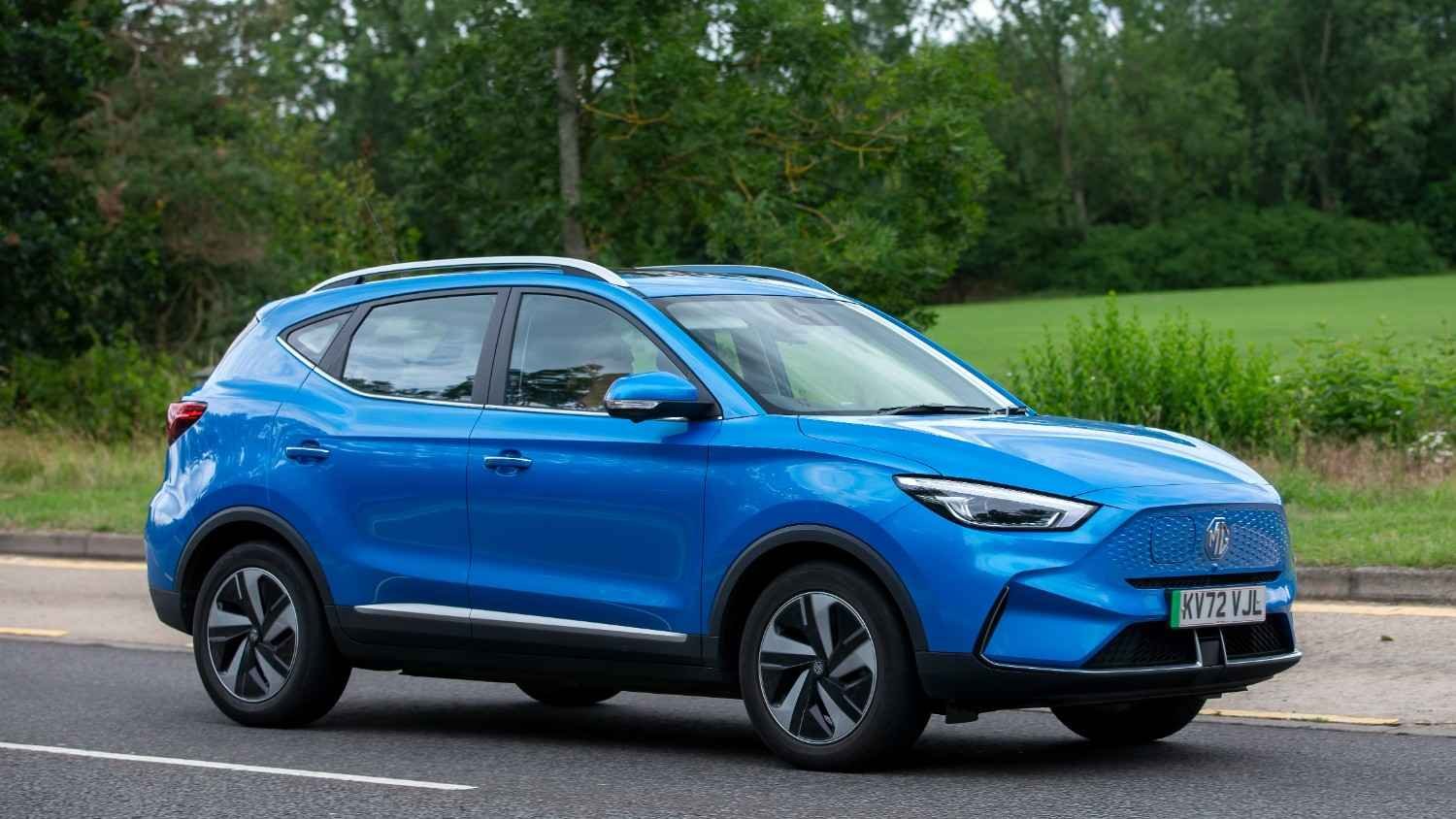
Image source: Shutterstock
Chancellor Rachel Reeves will deliver the 2026 Spring Statement on Tuesday, 3rd March. While no major new tax policies are expected, the statement will clarify motoring measures announced in the 2025 Autumn Budget and provide an economic update. Here's what UK drivers should watch for - particularly those considering an electric car salary sacrifice scheme.
What Should We Expect from the Spring Statement 2026?
The Spring Statement will confirm motoring measures announced in the 2025 Autumn Budget whilst providing an economic update on the UK's fiscal position. Unlike full Budgets, Spring Statements don't typically introduce major new tax policies, but they clarify implementation timelines for existing commitments and signal the government's economic direction.
For 2026, several significant changes are already affecting or will soon affect how much UK drivers pay to own and operate vehicles. The Chancellor is expected to reaffirm the government's commitment to equalising taxation between electric vehicles and traditional cars, though electric car salary sacrifice schemes will remain highly cost-effective due to low Benefit-in-Kind rates.
Industry observers anticipate the statement will provide clarity on the pace of transition to zero-emission vehicles, particularly in light of the Zero Emission Vehicle (ZEV) mandate requiring manufacturers to ensure 33% of new car sales are electric in 2026.
How Much Does London's Congestion Charge Cost Now?
London's daily congestion charge increased to £18 on 2nd January 2026, up from the previous £15 rate. This 20% increase affects drivers entering the zone between 7am and 6pm on weekdays, and between noon and 6pm on weekends and bank holidays.
Electric vehicle drivers previously enjoyed a 100% exemption under the Cleaner Vehicle Discount, but this ended on 25th December 2025. Now, electric car drivers must pay the congestion charge, though those registered for Auto Pay receive a 25% discount, reducing the daily cost to £13.50.
Electric vans, HGVs, and quadricycles qualify for a larger 50% discount through Auto Pay, reflecting their commercial importance. These discounts apply only to vehicles registered with Transport for London's automated payment system—drivers paying by other methods pay the full £18 charge.
The Spring Statement is unlikely to address congestion charging specifically, as this remains under Transport for London's jurisdiction rather than central government policy.
What Are the Confirmed Road Tax Changes for Electric Vehicles?
Electric vehicles registered from 1st April 2025 onwards now pay Vehicle Excise Duty (VED) for the first time. The government confirmed in the 2025 Autumn Budget that new electric cars pay £10 in the first year, then £195 annually from the second year onwards. This brings electric cars into the standard VED system after years of zero-rate exemptions.
The "expensive car supplement"—an additional £425 annual charge—applies to vehicles with a list price above £40,000. However, the threshold for electric vehicles increased to £50,000 from April 2026, meaning EVs priced between £40,000 and £50,000 avoid this supplement. Petrol and diesel vehicles still face the supplement at the £40,000 threshold.
For vehicles emitting more than 225g of CO₂ per kilometre, VED rates continue rising. The Spring Statement is expected to confirm the detailed VED bands for the 2026/27 tax year. Cars in the 226-255g/km band are projected to pay approximately £760 annually (up from £735), whilst vehicles exceeding 255g/km will pay around £790 (up from £750). Lower-emission bands should see smaller increases, with some remaining unchanged.
How Will the BiK Rate Change Affect Electric Car Salary Sacrifice?
The Benefit-in-Kind tax rate for electric vehicles is confirmed to increase to 4% from April 2026, rising from the current 3% rate. The government has already announced that BiK rates will increase by 1% annually until 2027, then by 2% annually, capping at 9% in 2029. The Spring Statement is expected to reaffirm this trajectory.
Despite this increase, electric vehicles remain extraordinarily tax-efficient compared to petrol and diesel alternatives. High-emission conventional vehicles face BiK rates up to 37%, meaning electric car salary sacrifice schemes continue delivering substantial savings. A 40% taxpayer with a £40,000 electric car will pay approximately £53 monthly in BiK tax (£640 annually) from April, compared to £493 monthly (£5,920 annually) for a similarly priced high-emission petrol car.
The Electric Car Scheme's salary sacrifice model remains unaffected by these changes, with employees still saving 20-50% compared to traditional car ownership or personal leasing. The combination of reduced Income Tax, National Insurance savings, and ultra-low BiK rates makes electric car salary sacrifice one of the most tax-efficient employee benefits available.
When Will Fuel Duty Increase?
The 5p-per-litre fuel duty cut, in place since March 2022, is expected to be extended until 31st August 2026 according to pre-statement briefings. This temporary measure has kept fuel duty frozen at 53p per litre rather than the planned 58p.
The Chancellor is expected to confirm that from September 2026, fuel duty will increase gradually: 1p per litre in September, an additional 2p in December, and another 2p in March 2027. By April 2027, fuel duty should return to pre-pandemic levels, adding approximately 5p per litre to petrol and diesel prices.
For average drivers covering 10,000 miles annually, this represents an additional £100-150 in annual fuel costs once fully implemented. This change further improves the relative economics of electric vehicle ownership, where "refuelling" costs typically run 3-5 times lower per mile than petrol.
The Spring Statement should provide final confirmation of these timelines and may offer additional context on the government's approach to fuel taxation during the transition to zero-emission vehicles.
What Is Euro 7 and When Does It Start?
Euro 7 represents the European Union's seventh and final evolution of vehicle emissions standards, taking effect from 29th November 2026 for newly launched cars and vans requiring type approval. By 29th November 2027, all new vehicles on sale must meet Euro 7 standards or be withdrawn from the market.
Euro 7 introduces several groundbreaking changes. For the first time, emissions standards regulate non-exhaust pollution, including brake dust and tyre particles. Electric vehicles face these requirements despite producing zero tailpipe emissions, as particulate pollution from brakes and tyres affects all vehicle types.
The standard extends compliance requirements to 10 years or 200,000 kilometres (125,000 miles), double the previous Euro 6 requirement of 5 years or 100,000 kilometres. Vehicles must maintain emissions compliance under broader real-world conditions, including extreme temperatures up to 45°C, short trips, high speeds, and towing scenarios.
Euro 7 also mandates battery durability requirements for electric vehicles. Batteries must maintain effective performance for a set period, increasing consumer confidence in EV longevity. New on-board sensors help identify issues that could increase pollution, and vehicles must resist tampering that could elevate emissions.
The European Commission estimates Euro 7 will add approximately £264 to the cost of new vehicles, though manufacturers may absorb some costs through efficiency improvements. For electric car salary sacrifice users, these costs are typically bundled into lease agreements with minimal impact on monthly payments.
How Do Digital Driving Licences Work?
The UK government began the public rollout of digital driving licences in February 2026 through the GOV.UK One Login app. This optional digital credential allows drivers to store their driving licence securely on smartphones, complementing rather than replacing traditional plastic photocards.
The digital licence displays the same information as physical cards: name, photograph, licence number, expiry date, date of birth, address, and driving entitlements. Users access credentials through biometric authentication or two-factor verification, providing bank-level security that makes digital licences potentially more secure than physical cards vulnerable to theft or loss.
Digital licences offer several practical advantages. Changes to addresses or driving records update automatically through DVLA databases, eliminating postal delays. New drivers receive credentials within hours rather than days. The app enables quick verification when hiring vehicles, potentially streamlining rental processes significantly.
However, DVLA and motoring experts strongly recommend keeping physical photocards as backups. A dead phone battery shouldn't prevent hiring a vehicle or managing roadside checks. Digital licences function best as convenient additions to traditional cards rather than complete replacements.
By the end of 2027, government policy requires all official documents to offer digital alternatives alongside physical versions. This roadmap encompasses not only driving licences but potentially passports, Disclosure and Barring Service checks, and other government-issued credentials.
What Will These Changes Mean for Electric Car Salary Sacrifice?
Despite the taxation changes expected to be confirmed in the Spring Statement, electric car salary sacrifice schemes will remain exceptionally cost-effective. The 4% BiK rate from April, whilst higher than the current 3%, represents less than half the rate for low-emission petrol cars and just a fraction of the 37% maximum for high-emission vehicles.
The Electric Car Scheme continues offering employees savings of 20-50% compared to traditional car ownership. These savings come from three sources: reduced Income Tax on the sacrificed salary portion, National Insurance savings for both employees and employers, and ultra-low BiK rates that keep the taxable benefit minimal.
For a typical higher-rate taxpayer leasing a £40,000 electric car through salary sacrifice from April 2026:
Monthly lease cost: £584
Income Tax savings: £234
National Insurance savings: £12
BiK tax (at 4%): £53
Net monthly cost: £391
This represents a 33% reduction compared to leasing the same vehicle independently, even accounting for the BiK rate increase from April. When combined with significantly lower charging costs compared to petrol (typically 7-15p per mile for electricity versus 15-20p for petrol), the total cost of ownership remains dramatically lower for electric vehicles.
Road tax additions of £195 annually represent approximately £16 monthly—a modest increase typically absorbed within lease agreements. Congestion charge changes primarily affect London-based drivers, whilst the broader UK workforce continues benefiting from tax-efficient electric car access.
How Should Employees Prepare for These Changes?
For employees considering an electric car salary sacrifice scheme, 2026 remains an excellent time to make the switch—before or after the Spring Statement. Despite gradual increases in various taxation areas, the fundamental value proposition of electric car salary sacrifice remains compelling.
The key consideration is understanding your total cost of ownership rather than focusing solely on individual tax changes. When evaluating whether to proceed with salary sacrifice, consider:
Tax efficiency: Even with a 4% BiK rate from April, electric cars deliver exceptional tax advantages compared to conventional vehicles. The savings on Income Tax and National Insurance typically exceed the BiK tax payable.
Running costs: Electric vehicles cost substantially less to fuel and maintain. These operational savings often exceed £1,000 annually compared to equivalent petrol vehicles, even accounting for VED and potential congestion charges.
Included services: Salary sacrifice packages typically bundle insurance, maintenance, servicing, breakdown cover, and road tax into monthly payments, simplifying budgeting and eliminating unexpected costs.
Employer support: Unlike personal leases, salary sacrifice schemes involve no credit checks and minimal administrative burden. Your employer arranges the lease, whilst you benefit from pre-tax salary deductions.
The Spring Statement is unlikely to change any of these fundamentals, making February and March ideal months to explore your options before the new tax year begins in April.
What Should Employers Consider Ahead of the Spring Statement?
For businesses offering or considering electric car salary sacrifice schemes, the expected confirmations in the Spring Statement present minimal disruption. The Electric Car Scheme remains cost-neutral for employers—setup and running costs are covered by employer National Insurance savings, creating a genuinely zero-cost employee benefit.
The gradual increase in BiK rates to 4% from April was announced well in advance, allowing businesses to communicate changes transparently to employees. Most providers, including The Electric Car Scheme, automatically update calculations when rates change, ensuring employees understand their true monthly costs from April onwards.
Companies committed to environmental, social, and governance (ESG) goals will find electric car salary sacrifice increasingly valuable. Every EV replacing a conventional car contributes directly to Scope 3 emissions reductions—indirect emissions from employee activities that increasingly factor into corporate carbon reporting.
With Euro 7 standards arriving in November 2026, vehicles obtained through salary sacrifice schemes will meet the strictest environmental standards available. This future-proofs fleet choices whilst supporting corporate sustainability objectives, regardless of what the Spring Statement confirms.
Looking Ahead: What the Spring Statement May Signal
The Spring Statement on 3rd March represents a transitional moment in UK motoring taxation. The government continues gradually equalising treatment between electric and conventional vehicles whilst maintaining significant incentives for zero-emission adoption. Beyond confirming already-announced measures, the statement may provide signals about future policy direction.
Beyond the immediate Spring Statement, several developments will shape the UK driving landscape:
ZEV mandate progression: The Zero Emission Vehicle mandate requires 33% of new car sales to be electric in 2026, rising to 80% by 2030 and 100% by 2035. The Chancellor may address whether the government plans any flexibility mechanisms or review of these targets in light of current market conditions.
Charging infrastructure expansion: Government investment of £200 million supports continued expansion of public charging networks, addressing range anxiety concerns and improving EV accessibility for drivers without home charging. The statement may provide updates on deployment progress.
Battery technology improvements: Ongoing advances in battery chemistry and manufacturing continue reducing costs whilst improving range and charging speeds. These improvements make electric cars increasingly competitive with conventional vehicles on all metrics.
Pay-per-mile considerations: Although unlikely to be announced in the Spring Statement, government consultations continue exploring distance-based road pricing. Any future scheme would likely maintain preferential treatment for electric vehicles to encourage continued adoption.
Conclusion: Preparing for the Spring Statement 2026
When Chancellor Rachel Reeves delivers the Spring Statement on 3rd March, UK drivers can expect confirmation of several taxation changes affecting vehicle ownership, but the fundamentals of electric car ownership will remain extremely attractive. BiK rates for electric vehicles, whilst increasing to 4%, remain a fraction of rates for conventional cars. VED charges of £195 annually represent a modest addition to total ownership costs. Congestion charge changes primarily affect London-based drivers.
Most significantly, electric car salary sacrifice schemes will continue offering exceptional value. The combination of pre-tax salary deductions, National Insurance savings, and ultra-low BiK rates delivers 20-50% savings compared to traditional car ownership—benefits that comfortably offset the modest taxation increases taking effect in 2026.
For employees considering the switch to electric, 2026 remains an opportune moment. For businesses evaluating employee benefits, electric car salary sacrifice offers a cost-neutral way to enhance packages whilst supporting sustainability objectives. As the UK continues its transition to zero-emission transport, salary sacrifice schemes provide an accessible, tax-efficient pathway for employees and employers alike.
The Electric Car Scheme will provide a full analysis of the Spring Statement's implications for salary sacrifice schemes immediately following the Chancellor's announcement on 3rd March.
Are you an employer?
BOOK A DEMOAre you an employee?
SEE AVAILABLE CARSECS GUIDES AND ADVICE
Ready to Go Electric? Your Guides and Tools to a Smooth Switch
-
 How the Scheme Works
Find out how salary sacrifice can work for you or your business.
-
 The Charge Scheme
Save 20-50% on all charging costs through salary sacrifice - at home, the office, or in public..
-
 Complete Employer Protection
All employers and drivers are protected from day 1.
-
 Used Electric Cars
Discover the most affordable way to drive electric. Cars delivered in 14 days.
You Might Also Like…



Last updated: 06.02.26
Our pricing is based on data collected from The Electric Car Scheme quote tool. All final pricing is inclusive of VAT. All prices above are based on the following lease terms; 10,000 miles pa, 36 months, and are inclusive of Maintenance and Breakdown Cover. The Electric Car Scheme's terms and conditions apply. All deals are subject to credit approval and availability. All deals are subject to excess mileage and damage charges. Prices are calculated based on the following tax saving assumptions; England & Wales, 40% tax rate. The above prices were calculated using a flat payment profile. The Electric Car Scheme Limited provides services for the administration of your salary sacrifice employee benefits. The Electric Car Scheme Holdings Limited is a member of the BVRLA (10608), is authorised and regulated by the FCA under FRN 968270, is an Appointed Representative of Marshall Management Services Ltd under FRN 667174, and is a credit broker and not a lender or insurance provider.
Copyright and Image Usage: All images used on this website are either licensed for commercial use or used with express permission from the copyright holders, in compliance with UK and EU copyright law. We are committed to respecting intellectual property rights and maintaining full compliance with applicable regulations. If you have any questions or concerns regarding image usage or copyright matters, please contact us at marketing@electriccarscheme.com and we will address them promptly.
