
Electric Car Grants & Tax Benefits UK 2026: The Definitive Guide
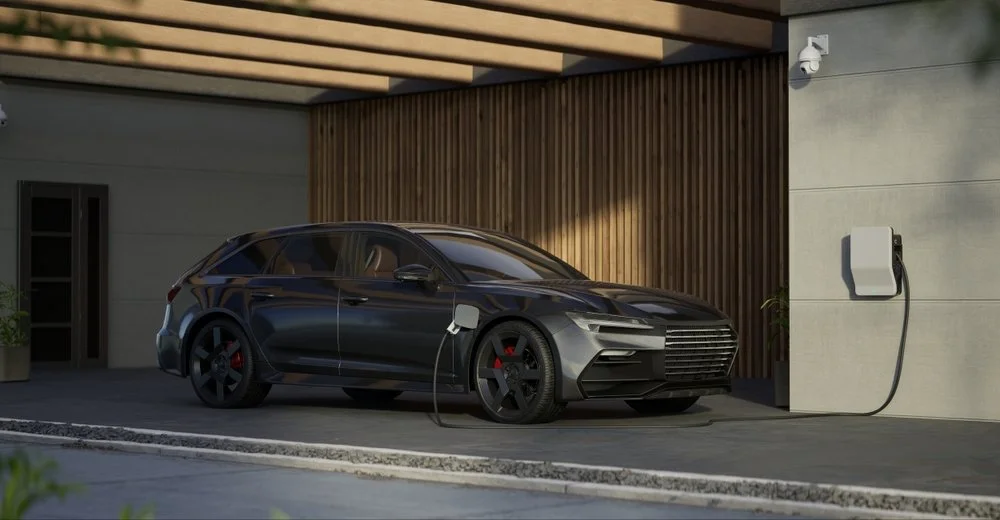
Image source: Shutterstock
UK Electric Car Tax Benefits: The 2026 Overview
The UK government continues to support the transition to electric vehicles through a range of tax benefits, grants, and incentive schemes. While some earlier grants — like the plug-in car grant for private buyers — have ended, the financial advantages of going electric in 2026 remain substantial, particularly for employees and businesses.
What Tax Benefits Are Available For Electric Cars In The UK?
The main tax benefits for electric cars in the UK in 2026 fall into five categories: Benefit-in-Kind (BiK) tax relief for company car drivers, income tax and National Insurance savings through salary sacrifice, the OZEV Workplace Charging Scheme grant for employers, first-year capital allowances for business purchases, and VAT recovery on business leases. We cover each in detail below.
Key Dates And Changes For 2026
Road tax (Vehicle Excise Duty) for EVs, which changed in April 2025, now applies at the standard rate of £200 per year from the second year of registration. EVs with a list price above £50,000 also pay the Expensive Car Supplement of £440 per year for five years from the second year of registration - a combined annual VED cost of £640. The threshold for zero-emission vehicles was updated from £40,000 to £50,000 as of April 2026.
Benefit-In-Kind (BiK) Tax Rates for Electric Cars
Benefit-in-Kind tax is charged on company cars made available for private use. It is calculated based on the car's P11D value (its on-road list price) and the BiK percentage assigned to its CO2 emissions band.
Current BiK Rates: 4% (2026/27), Rising To 5% in 2027/28
Electric vehicles produce zero tailpipe emissions, which places them in the lowest BiK band. The confirmed rates are as follows:
| Tax Year | EV BiK Rate | High-Emission Petrol (max) |
|---|---|---|
| 2025/26 | 3% | 37% |
| 2026/27 | 4% | 37% |
| 2027/28 | 5% | 37% |
| 2028/29 | 7% | 37% |
| 2029/30 | 9% | 37% |
Even at 9% by the end of the decade, electric cars will cost significantly less in company car tax than a comparable petrol model. The government has confirmed rates through to 2029/30, giving employers and employees the certainty they need to plan ahead.
What BiK Means For Salary Sacrifice Savings: Worked Examples
To understand how BiK interacts with electric car salary sacrifice, consider a 40% taxpayer leasing an EV with a P11D value of £40,000 through their employer:
BiK tax calculation (2026/27):
P11D value: £40,000
BiK rate: 4%
Taxable benefit: £1,600
Tax at 40%: £640 per year (approximately £53/month)
Now compare that to a petrol car of the same value at a 37% BiK rate:
Taxable benefit: £14,800
Tax at 40%: £5,920 per year (approximately £493/month)
The annual saving on BiK tax alone is over £5,000 — before factoring in the income tax and National Insurance savings from salary sacrifice itself.
You can calculate your own savings using The Electric Car Scheme's salary sacrifice calculator.
BiK Comparison: EV Vs Petrol Company Cars
The gap between EV and petrol BiK rates makes electric cars by far the most tax-efficient company car choice available in the UK. A driver in the 40% tax band choosing a petrol car over an equivalent EV could pay £4,000–£5,000 more in company car tax every year. For higher-value vehicles, that gap widens further.
Salary Sacrifice: The Biggest Tax Advantage for EV Drivers
For most UK employees, electric car salary sacrifice is the single most effective way to reduce the cost of driving a new EV. Through a salary sacrifice scheme, an employee agrees to reduce their gross salary by the monthly cost of the car lease. Because this happens before income tax and National Insurance are calculated, the effective saving is significant.
How Salary Sacrifice Saves You Income Tax And National Insurance
When you take an electric car through a salary sacrifice scheme, the lease cost is deducted from your pre-tax pay. This means:
You pay less income tax (20% or 40%, depending on your band)
You pay less employee National Insurance (currently 8% for most employees)
Your employer pays less employer National Insurance too
The combined effect can reduce the true cost of leasing an electric car by 20–50% compared to a standard personal lease, depending on your tax band and the vehicle chosen.
Worked Examples: 20% Taxpayer Vs 40% Taxpayer
20% Taxpayer: EV with a £400/month salary sacrifice:
| Component | Amount |
|---|---|
| Gross salary sacrifice | £400/month |
| Income tax saving (20%) | -£80/month |
| NI saving (8%) | -£32/month |
| BiK tax (4% on £35k P11D) | £47/month |
| Net monthly cost | ~£335/month |
40% Taxpayer - Same Vehicle:
| Component | Amount |
|---|---|
| Gross salary sacrifice | £400/month |
| Income tax saving (40%) | -£160/month |
| NI saving (8%) | -£32/month |
| BiK tax (4% on £35k P11D) | £47/month |
| Net monthly cost | ~£255/month |
A higher-rate taxpayer could be driving a brand-new electric car for around £255 per month — a saving of nearly 36% compared to the headline lease price, and often cheaper than running an older petrol car when fuel and maintenance are included.
To see what you could save, visit our salary sacrifice resource hub.
What's Included In A Salary Sacrifice Package
A well-structured electric car salary sacrifice scheme typically bundles the following into a single monthly payment - all taken from pre-tax salary:
The car lease itself
Fully comprehensive insurance
Servicing and maintenance
Road tax (VED)
Breakdown cover
Tyre replacement
This makes it genuinely all-inclusive, with no unexpected bills. Through The Electric Car Scheme, drivers can also add home charger installation and save on the cost.
OZEV Workplace Charging Scheme
The Office for Zero Emission Vehicles (OZEV) runs a Workplace Charging Scheme (WCS) that helps employers install EV charge points for their staff and fleet vehicles.
What The Scheme Covers
The OZEV Workplace Charging Scheme provides a grant contribution of up to £350 per charging socket, covering up to 40 sockets per applicant. This means eligible businesses can claim up to £14,000 in total toward the cost of installing workplace EV chargers.
This is particularly valuable for employers looking to complement an electric car salary sacrifice scheme with on-site charging - enabling employees to charge for free or at reduced cost during the working day.
For more detail on what workplace charger installation costs and how to plan the project, see our guide to EV charger installation costs.
Eligibility Requirements
To apply for the OZEV Workplace Charging Scheme, applicants must:
Be a registered business, charity, or public authority in the UK
Own or have permission to use the premises where chargers will be installed
Install chargers that meet the technical requirements set by OZEV (smart chargers capable of meeting demand-side response requirements)
Use an OZEV-authorised installer
Sole traders and self-employed individuals working from home may not qualify under the standard scheme, but should check directly with OZEV for current eligibility rules.
How To Apply
Applications are made through the OZEV portal before installation begins — you cannot claim retrospectively. Once approved, you appoint an authorised installer who carries out the work and claims the grant on your behalf, reducing the upfront cost automatically. Visit the UK government's official OZEV page for the most up-to-date application guidance.
Business Lease VAT Recovery & Capital Allowances
For businesses leasing or purchasing electric vehicles, there are additional tax advantages worth understanding.
First-Year Allowances For Electric Vehicles
Zero-emission cars purchased by businesses qualify for 100% first-year capital allowances. This means a business can deduct the full purchase price of a new electric car from its taxable profits in the year it was bought — providing an immediate reduction in corporation tax. For a business purchasing a £40,000 EV and paying 25% corporation tax, that's a £10,000 tax saving in year one.
This allowance is not available for petrol or diesel vehicles, making EVs especially attractive for business fleets.
VAT Recovery On Business Leases
VAT recovery on leased vehicles depends on the degree of private use. Where a vehicle is used exclusively for business purposes, 100% of the VAT on lease payments can be reclaimed. Where there is some private use (which is the case for most company cars), 50% of the VAT on lease payments is still recoverable as standard.
For businesses running a high volume of vehicles, this 50% VAT recovery adds up considerably over time. Speak to your accountant or tax adviser to confirm your specific position.
Road Tax, Congestion Charges & Clean Air Zones
EV Road Tax From April 2025
From 1 April 2025, electric cars became subject to Vehicle Excise Duty for the first time. New EVs registered on or after 1 April 2025 pay the lowest first-year rate of £10, followed by the standard rate of £200 per year from year two. This is a change from the previous full exemption, but EVs still pay considerably less than high-emission petrol vehicles, which can attract first-year rates of over £2,000.
EVs with a list price above £50,000 also pay the Expensive Car Supplement of £440 per year for five years from the second year of registration, taking the total annual VED to £640. The threshold for zero-emission vehicles was updated from £40,000 to £50,000 from April 2026 - meaning EVs priced between £40,000 and £50,000 registered from April 2025 onwards are no longer subject to the supplement. For salary sacrifice drivers, the VED cost is included in the all-in monthly package through The Electric Car Scheme, so there are no separate road tax bills to manage.
London Congestion Charge and ULEZ
The London Ultra Low Emission Zone (ULEZ) covers all London boroughs. Fully electric vehicles are exempt from the £12.50 daily ULEZ charge under the Cleaner Vehicle Discount. The London Congestion Charge, which applies in the central zone, has also historically offered discounts or exemptions for zero-emission vehicles - though this has now changed, and EV drivers will be charged the Congestion Charge of £13.50, which is a 25% discount from the current £18 daily charge when using auto-pay. Residents within the Congestion Charging Zone can still benefit from a discount of 90%.
For a full breakdown of ULEZ zones across the UK, including Bath, Bristol, Edinburgh, Glasgow, and Newcastle, visit our guide to the Ultra Low Emission Zone.
UK Clean Air Zone Exemptions
Alongside ULEZ in London, several UK cities operate Clean Air Zones (CAZs) with daily charges for non-compliant vehicles. Fully electric cars are exempt from these charges in all current UK CAZs, saving drivers in affected cities significant sums, particularly those who commute regularly through city centres.
What Grants Are Still Available?
Current Grant Landscape
The government's plug-in car grant for private buyers ended in 2022, and there is currently no equivalent scheme for purchasing new electric cars outright. However, this does not mean there is no government support - it has simply shifted toward charging infrastructure and salary sacrifice tax policy rather than direct purchase subsidies.
Home Charger Grants - Scotland And Landlord Schemes
In Scotland, the Energy Saving Trust administers an interest-free loan of up to £30,000 for home EV charger installation for eligible homeowners. The OZEV Electric Vehicle Homecharge Scheme (EVHS) has ended for most private homeowners in England and Wales, but remains available for landlords and residents of flats and rental properties. Eligible applicants can claim up to £350 toward home charger installation costs.
Through The Electric Car Scheme, drivers can bundle a home charger installation into their salary sacrifice package - saving 20–50% on the cost of installation itself, making it even more accessible.
OZEV vs Salary Sacrifice: Which Saves More?
The two are not mutually exclusive. OZEV grants help employers and landlords offset the cost of installing charging infrastructure, while salary sacrifice delivers ongoing monthly savings on the vehicle and running costs.
For most UK employees, salary sacrifice will deliver the larger overall financial benefit - but businesses gain the most by combining both: using the OZEV grant to fund workplace charging and offering salary sacrifice through a scheme like The Electric Car Scheme as an employee benefit.
Frequently Asked Questions
What Is the BiK Rate for Electric Cars in 2026/27?
The Benefit-in-Kind rate for fully electric cars in the 2026/27 tax year is 4%. This compares to a maximum of 37% for high-emission petrol vehicles, making electric cars significantly more tax-efficient for salary sacrifice throughout the remainder of this decade. The rate rises gradually to 9% by 2029/30 - still far below the petrol equivalent throughout.
How Much Can I Save Through Electric Car Salary Sacrifice?
Most employees save between 20% and 50% on the cost of leasing a new electric car through a salary sacrifice scheme, depending on their income tax band and the vehicle chosen. A 40% taxpayer leasing a car with a £400/month gross sacrifice cost typically pays around £255/month net - a saving of nearly 36% compared to the headline lease price. Use the salary sacrifice calculator to get a personalised figure.
What Is the OZEV Workplace Charging Scheme?
The OZEV Workplace Charging Scheme is a government grant that contributes up to £350 per socket, covering up to 40 sockets per applicant, toward the cost of installing EV charge points at business premises. It is open to registered UK businesses, charities, and public authorities. Applications must be made through the OZEV portal before installation begins - retrospective claims are not accepted.
Do Electric Cars Qualify for Capital Allowances?
Yes. Zero-emission cars purchased by businesses qualify for 100% first-year capital allowances, allowing businesses to deduct the full purchase cost from taxable profits in the year of purchase. For a business purchasing a £40,000 EV and paying 25% corporation tax, that's a £10,000 tax saving in year one. This allowance is not available for petrol or diesel vehicles.
What Is the HMRC Advisory Electric Rate for EVs in 2026?
From 1 March 2026, HMRC's Advisory Electric Rate for fully electric company cars is 7 pence per mile for home charging and 15 pence per mile for public charging. These rates apply when employers reimburse employees for business travel in a company EV, or when employees repay the cost of electricity used for private travel. HMRC reviews the Advisory Electric Rate quarterly.
Are Electric Cars Exempt From ULEZ and Clean Air Zone Charges?
Yes. Fully electric cars are currently exempt from ULEZ charges in London and from Clean Air Zone charges in other UK cities, providing daily savings for drivers who travel through affected areas. If you drive through the London ULEZ zone five days per week, the savings versus a non-compliant petrol car are approximately £3,250 per year.
Ready to Make the Most of the UK's EV Tax Benefits?
For UK employees, the combination of a 4% BiK rate and income tax and National Insurance savings through salary sacrifice makes 2026 an excellent year to switch to electric. The financial advantages - particularly when accessed through a scheme like The Electric Car Scheme - are more substantial than many drivers realise.
Use our salary sacrifice calculator to find out exactly how much you could save, or book a demo if you're an employer looking to offer this benefit to your team.
Are you an employer?
BOOK A DEMOAre you an employee?
SEE AVAILABLE CARSEcs Business Toolkit
Electrify Your Fleet: Tools and Guides to Help Your Business Get Started
-
 How the Scheme Works
Find out how salary sacrifice can work for you or your business.
-
 Complete Employer Protection
All employers and drivers are protected from day 1.
-
 Our Impact
We are an award-winning B Corp - find out about how we do good.
-
 Case Studies
Join thousands of employers already offering The Electric Car Scheme.
You Might Also Like…



Last updated: 24/03/2026
Information and prices provided are accurate at the time of release and may be subject to change. Our pricing is based on data collected from The Electric Car Scheme quote tool. All final pricing is inclusive of VAT. All prices above are based on the following lease terms; Using a flat payment profile, 10,000 miles pa, 36 months, and are inclusive of Maintenance and Breakdown Cover. The Electric Car Scheme’s terms and conditions apply. All deals are subject to credit approval and availability. All deals are subject to excess mileage and damage charges. Prices are calculated based on the following tax saving assumptions; England & Wales, 40% tax rate. The Electric Car Scheme Limited provides services for the administration of your salary sacrifice employee benefits. The Electric Car Scheme Holdings Limited is a member of the BVRLA (10608), is authorised and regulated by the FCA under FRN 968270, is an Appointed Representative of Marshall Management Services Ltd under FRN 667174, and is a credit broker and not a lender or insurance provider.
Copyright and Image Usage: All images used on this website are either licensed for commercial use or used with express permission from the copyright holders, in compliance with UK and EU copyright law. We are committed to respecting intellectual property rights and maintaining full compliance with applicable regulations. If you have any questions or concerns regarding image usage or copyright matters, please contact us at marketing@electriccarscheme.com and we will address them promptly.
