
Electric SUV Buying Guide by Budget: Every Price Tier for 2026
Choosing an electric SUV in 2026 is no longer a question of whether the technology is good enough. It is. The question is which electric SUV makes sense for your budget - and, crucially, what you would actually pay each month if you accessed it through an electric car salary sacrifice scheme.
This guide breaks down the best electric SUVs available in the UK by purchase price tier, from under £35,000 to over £70,000. For each tier, we show the top picks, what you get for your money, and the salary sacrifice monthly cost that changes the maths entirely.
All Budget Tiers at a Glance
| Price Tier | Top Pick | Est. Salary Sacrifice From (40% taxpayer) |
|---|---|---|
| Under £35,000 | MG ZS EV | ~£195/month |
| £35,000–£50,000 | Hyundai Ioniq 5 | ~£290/month |
| £50,000–£70,000 | BMW iX xDrive40 | ~£440/month |
| Over £70,000 | Audi Q8 e-tron | ~£550/month |
Monthly salary sacrifice estimates are indicative figures for a 40% taxpayer on a 36-month/10,000 miles per annum lease, inclusive of BiK at 4% for 2026/27. Use our salary sacrifice calculator for a personalised quote.
Best Electric SUVs Under £35,000
The sub-£35,000 electric SUV market has matured significantly. These are no longer compromise vehicles — they offer real range, practical boot space, and enough technology to satisfy most drivers day to day.

MG ZS EV
Purchase price: From £28,495
Range: Up to 273 miles (WLTP)
Boot space: 507 litres
Max charging speed: 76kW DC
The MG ZS EV remains one of the strongest value propositions in the electric car market. It offers a spacious interior, a generous boot, and enough real-world range for the vast majority of UK drivers. The 2026 update refined the interior further, and MG's five-year warranty provides strong peace of mind.

Vauxhall Mokka Electric
Purchase price: From £32,345
Range: Up to 252 miles (WLTP)
Boot space: 310 litres
Max charging speed: 100kW DC
The Mokka Electric is a stylish, compact option from a familiar British brand. It is well suited to urban and suburban driving, with a sharp design and a punchy 100kW charging capability that makes motorway stops relatively brief. Read more in our Vauxhall salary sacrifice guide.
What You Get at This Price Point
Under £35,000, you are looking at a solid 200–270 mile real-world range, decent but not class-leading rapid charging speeds, and interiors that have improved markedly in recent years. Boot space is adequate for most family use cases, though not generous. These are practical, dependable vehicles — ideal for first-time EV buyers or those whose budget does not stretch further.
Salary Sacrifice Equivalent: From ~£130/month
For 20% taxpayers, under-£35K electric SUVs are accessible from approximately £165–£220 per month through a salary sacrifice scheme. For 40% taxpayers, the monthly cost can fall to £130–£195. That is a significant reduction compared to a standard personal lease on the same vehicle — and it includes insurance, servicing, and maintenance in most cases.
Best Electric SUVs £35,000–£50,000
This is the sweet spot of the electric SUV market in 2026. At this price tier, you access longer range, faster charging, superior technology, and — crucially — more compelling salary sacrifice savings due to higher pre-tax salary deductions.
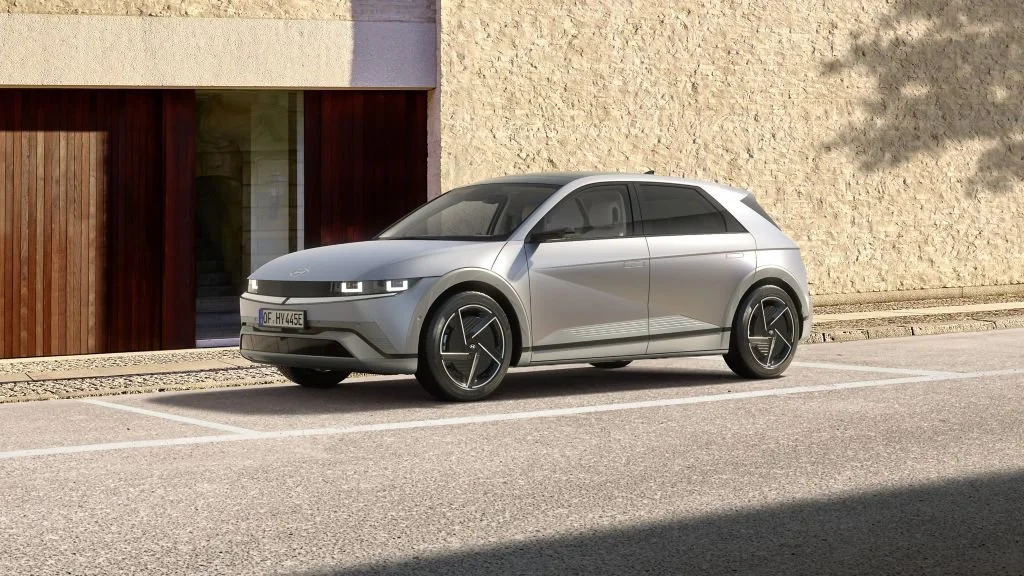
Hyundai Ioniq 5
Purchase price: From £40,895
Range: Up to 315 miles (WLTP)
Boot space: 527 litres
Max charging speed: 220kW DC (ultra-rapid capable)
The Ioniq 5 remains one of the best electric cars to salary sacrifice in the UK. Its 800V architecture enables 220kW ultra-rapid charging — meaning a 10–80% charge in approximately 18 minutes. The interior is spacious, distinctive, and practical, with a flat floor and bidirectional charging capability. A compelling choice at this price point. Explore all options in our dedicated Hyundai salary sacrifice guide.
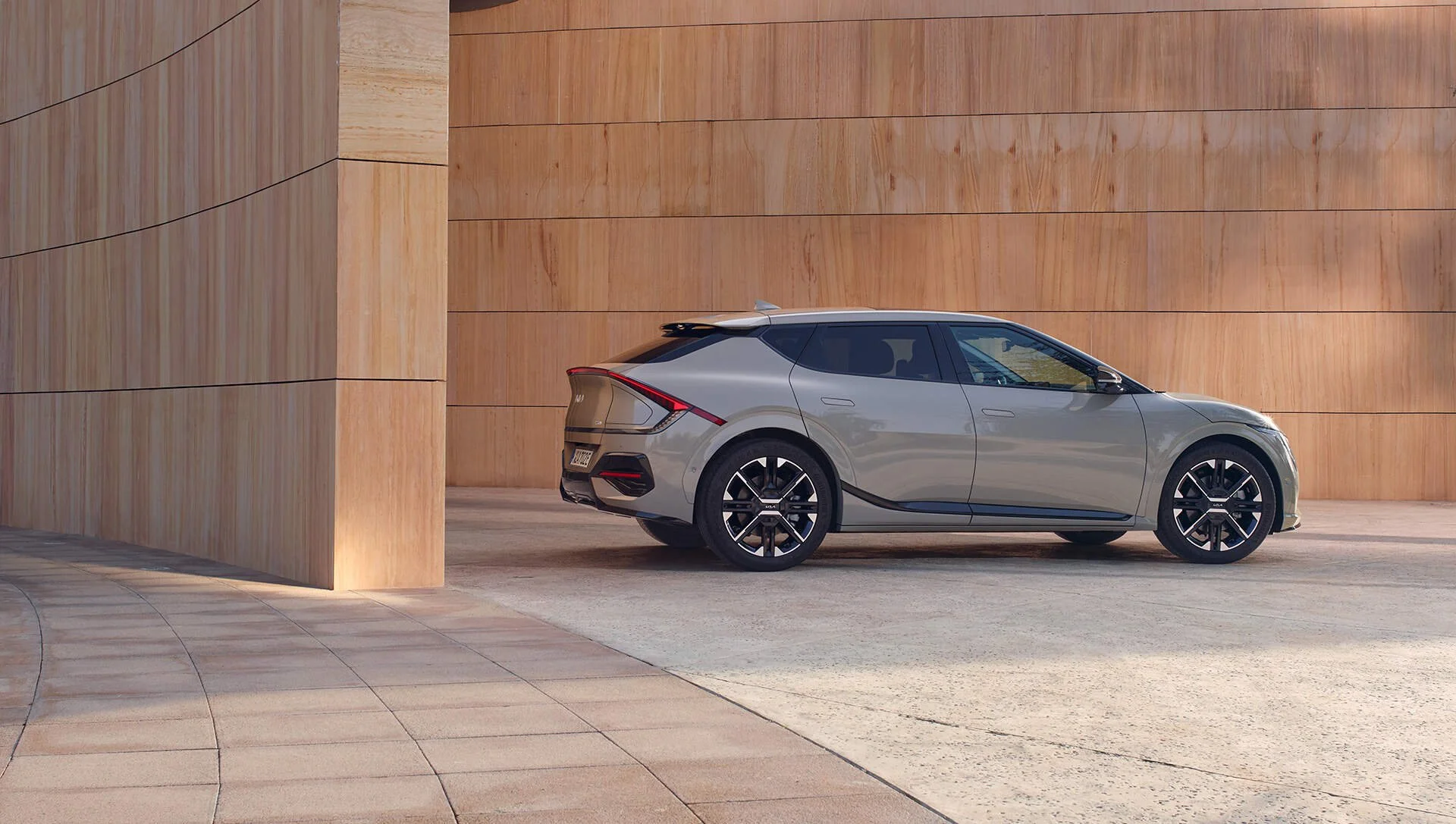
Kia EV6
Purchase price: From £40,895
Range: Up to 328 miles (WLTP)
Boot space: 490 litres
Max charging speed: 233kW DC
The EV6 shares its platform with the Ioniq 5 but takes a more driver-focused approach. Its sloping roofline creates a sportier profile without significantly compromising rear headroom. The GT-Line and GT variants are particularly desirable for drivers who want performance alongside practicality. Check our best Kia to salary sacrifice guide for the full picture.
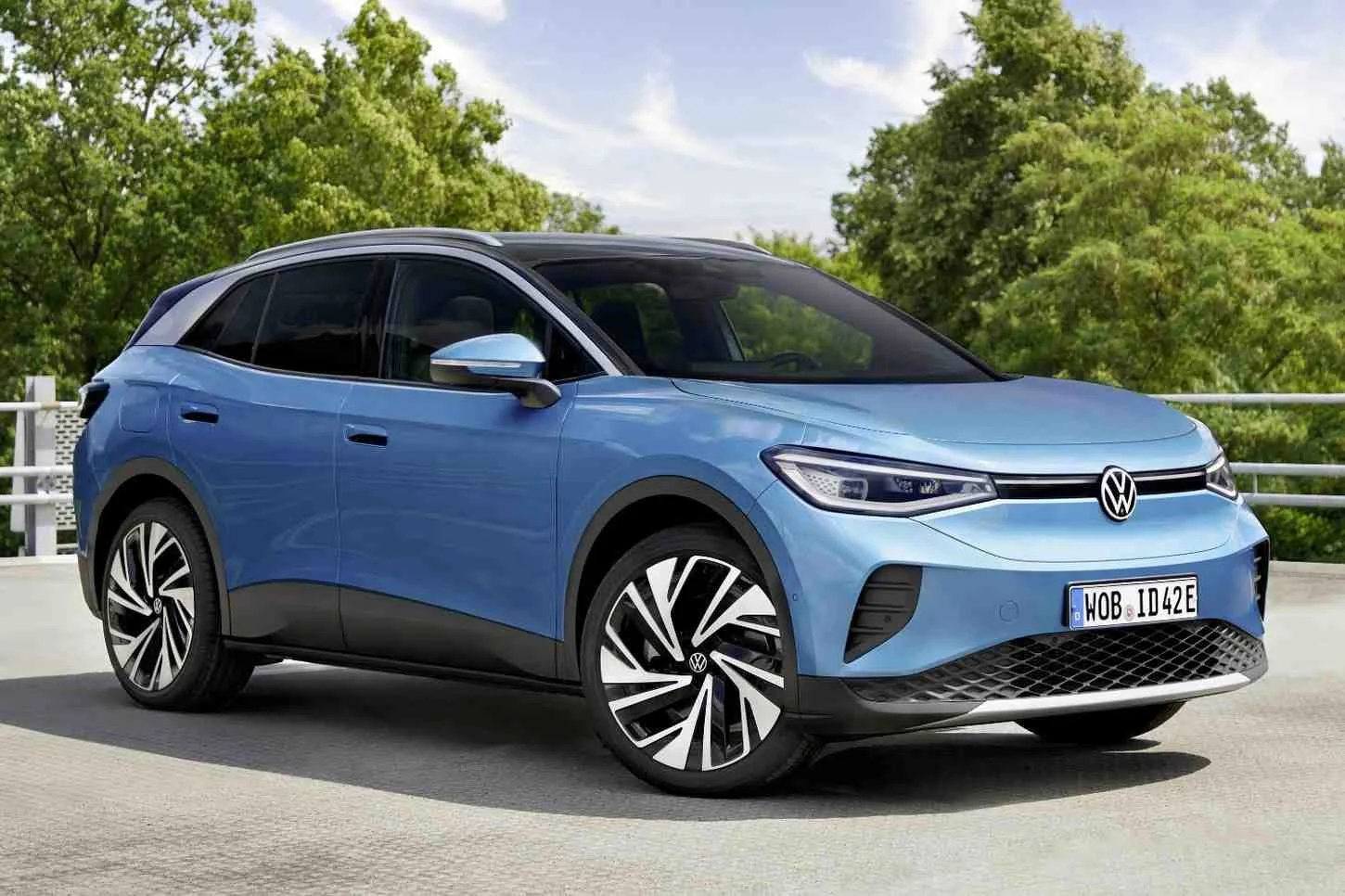
Volkswagen ID.4
Purchase price: From £38,125
Range: Up to 341 miles (WLTP)
Boot space: 543 litres
Max charging speed: 135kW DC
The ID.4 is Volkswagen's core electric SUV offering and it is a strong all-rounder. Boot space is excellent at 543 litres, and the 341-mile WLTP range makes it highly capable on longer journeys. Build quality feels distinctly Volkswagen, which will reassure buyers coming from a Golf or Tiguan. See our Volkswagen salary sacrifice guide for a comparison of all VW electric models.
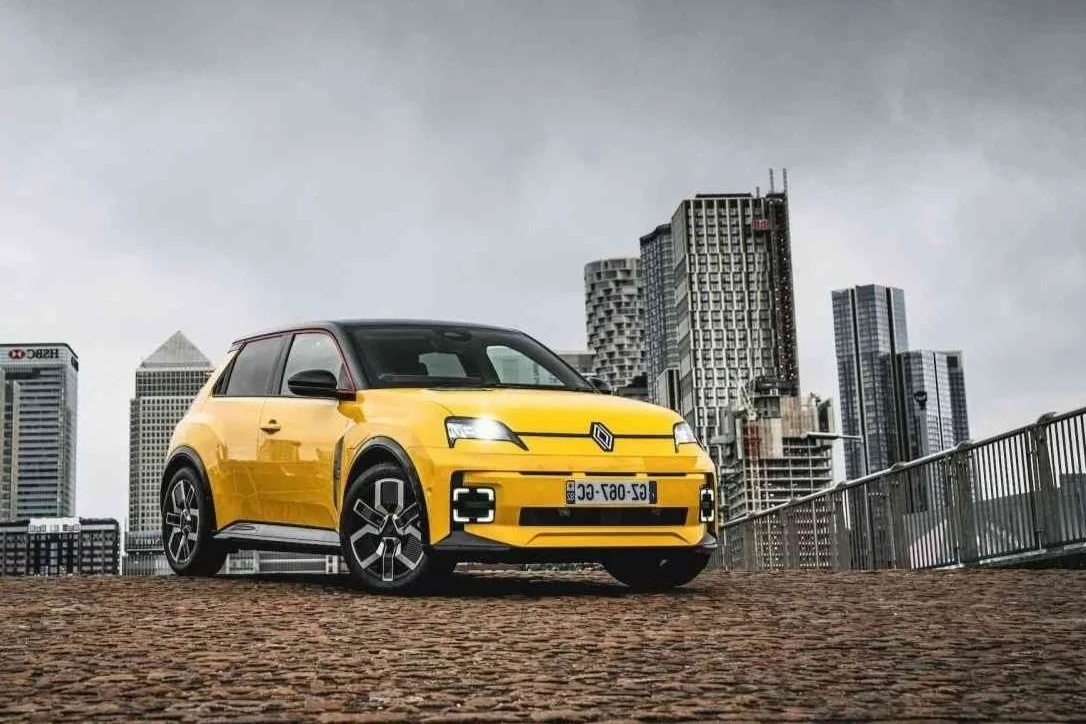
Renault 5 E-Tech (SUV-adjacent)
Purchase price: From £22,995 (rising to ~£35,000 for larger battery)
Range: Up to 247 miles (WLTP — 52kWh)
Boot space: 326 litres
Max charging speed: 100kW DC
Strictly speaking the Renault 5 is a supermini rather than an SUV, but it earns a mention here for buyers at the lower end of this tier who prioritise affordability and style. Its Renault salary sacrifice availability makes it exceptionally cost-effective on a scheme. For dedicated SUV buyers, step up to the Renault Scenic E-Tech for more space and longer range. Our Renault salary sacrifice guide covers all available models.
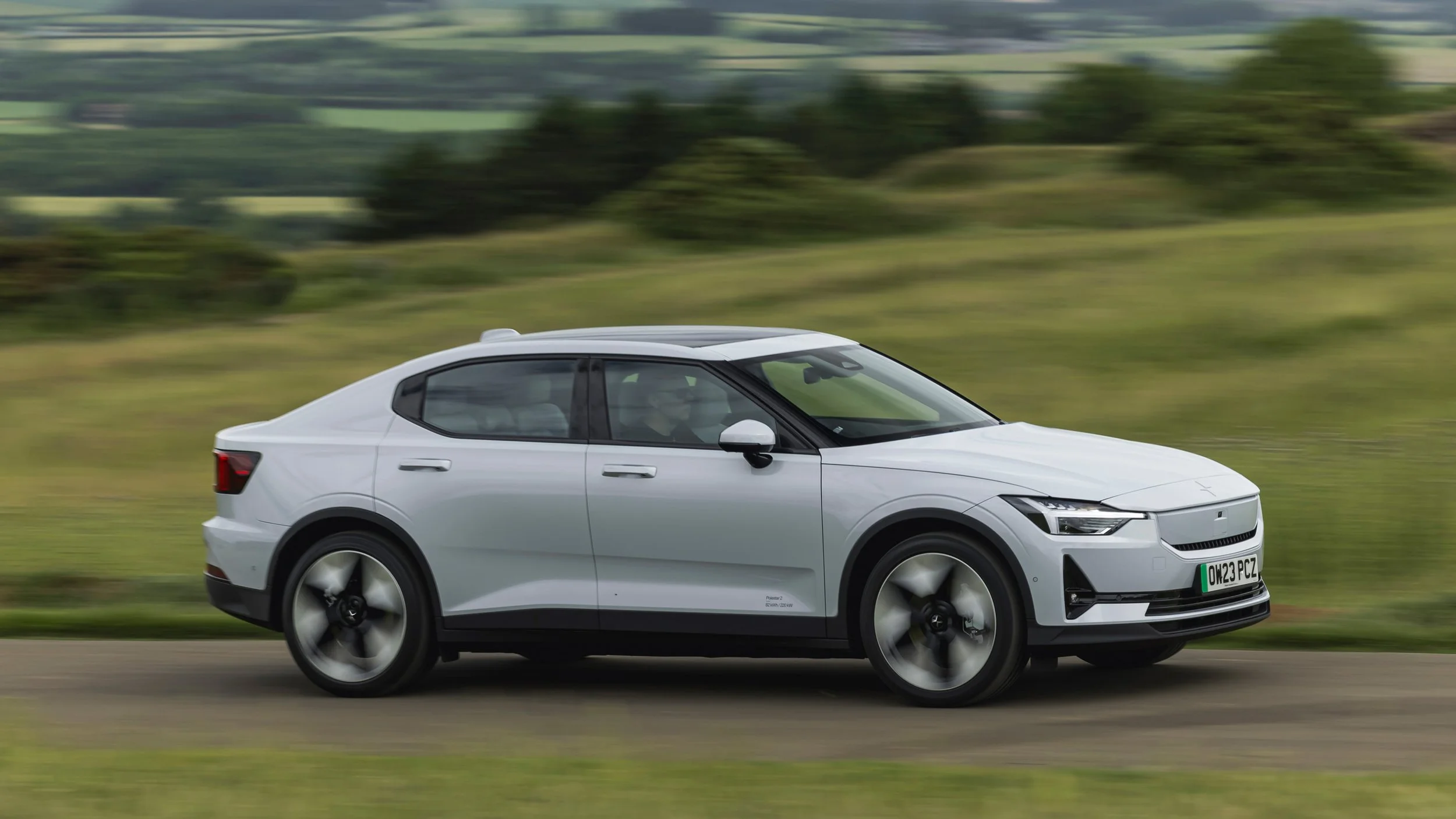
Polestar 2
Purchase price: From £42,950
Range: Up to 406 miles (WLTP — Long Range Single Motor)
Boot space: 405 litres + 41 litre front trunk
Max charging speed: 205kW DC
The Polestar 2 is a premium Swedish alternative with a strong emphasis on sustainability and technology. Its 406-mile range on the Long Range variant is exceptional, and its performance credentials — particularly in the dual-motor configuration — are hard to fault. Read more in our Polestar salary sacrifice guide.
What You Get at This Price Point
Between £35,000 and £50,000 you unlock 300+ mile ranges, sub-30-minute rapid charge times, larger boots, and significantly more interior refinement. This is also where 800V charging architecture begins to appear, dramatically reducing motorway charging times. For most UK drivers who cover significant mileages, this tier represents the best balance of cost and capability.
Salary Sacrifice Equivalent: From ~£255/month
For 40% taxpayers, salary sacrifice monthly costs in this tier typically fall between £255 and £350 per month, depending on the vehicle and lease terms. For 20% taxpayers, expect £310–£420 per month. Either way, this is substantially less than a standard PCP or personal lease on the same car — often by £150–£200 per month or more.
Best Electric SUVs £50,000–£70,000
At this tier, the electric SUV experience becomes genuinely premium. Expect larger batteries, faster charging, more sophisticated driver assistance systems, and significantly more interior space and quality. The salary sacrifice savings are also more substantial in absolute terms — higher-cost vehicles generate larger pre-tax deductions.
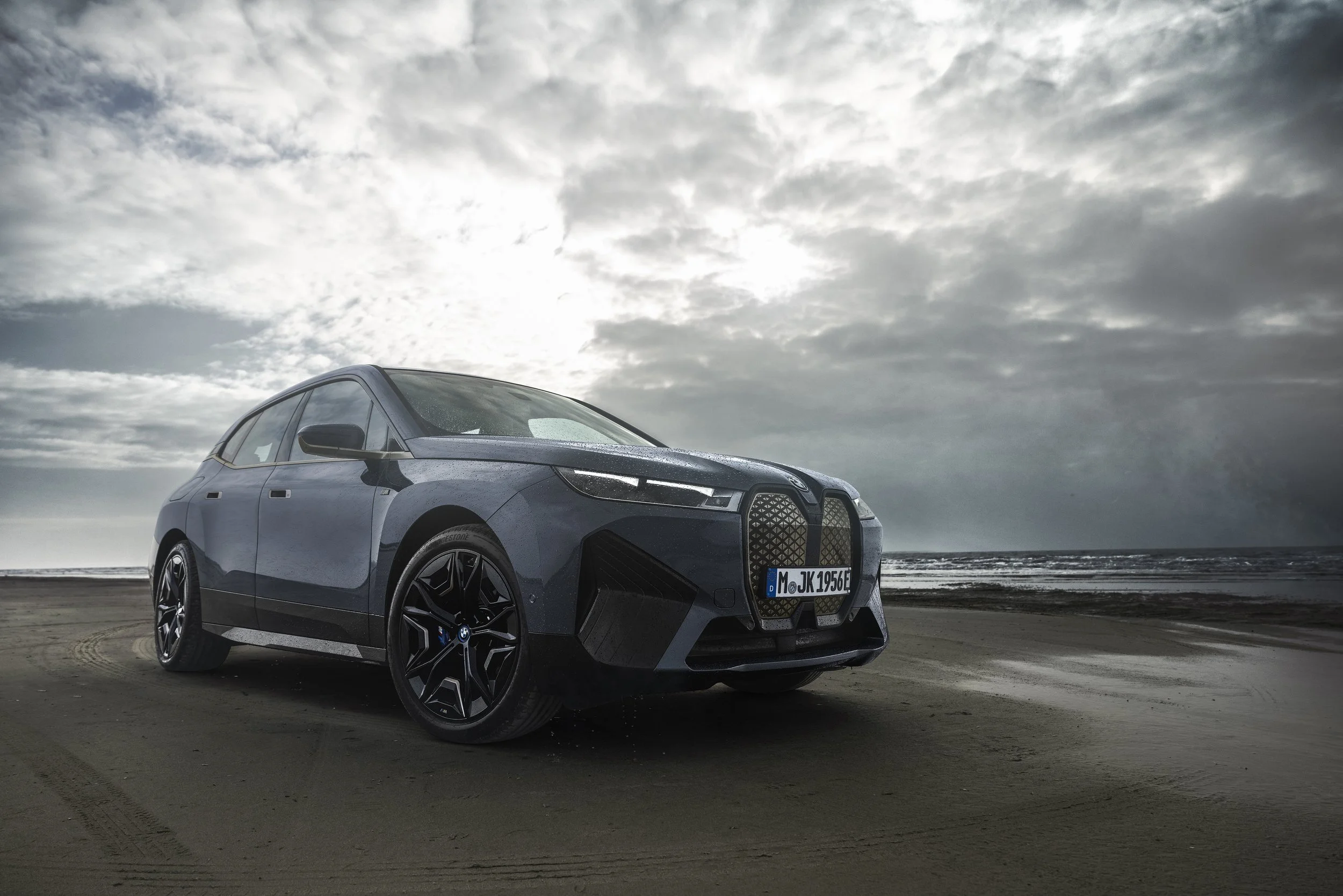
BMW iX
Purchase price: From £61,905
Range: Up to 380 miles (WLTP)
Boot space: 500 litres
Max charging speed: 200kW DC
The BMW iX is a bold, confident statement of where electric SUVs are headed. Its interior is one of the finest in any electric car, with sustainable materials used throughout and a genuinely premium ambience. The xDrive40 variant offers 380 miles of WLTP range and a 0–62 mph time of 6.1 seconds, making it both practical and enjoyable to drive. Our BMW salary sacrifice guide covers the full range of available models.
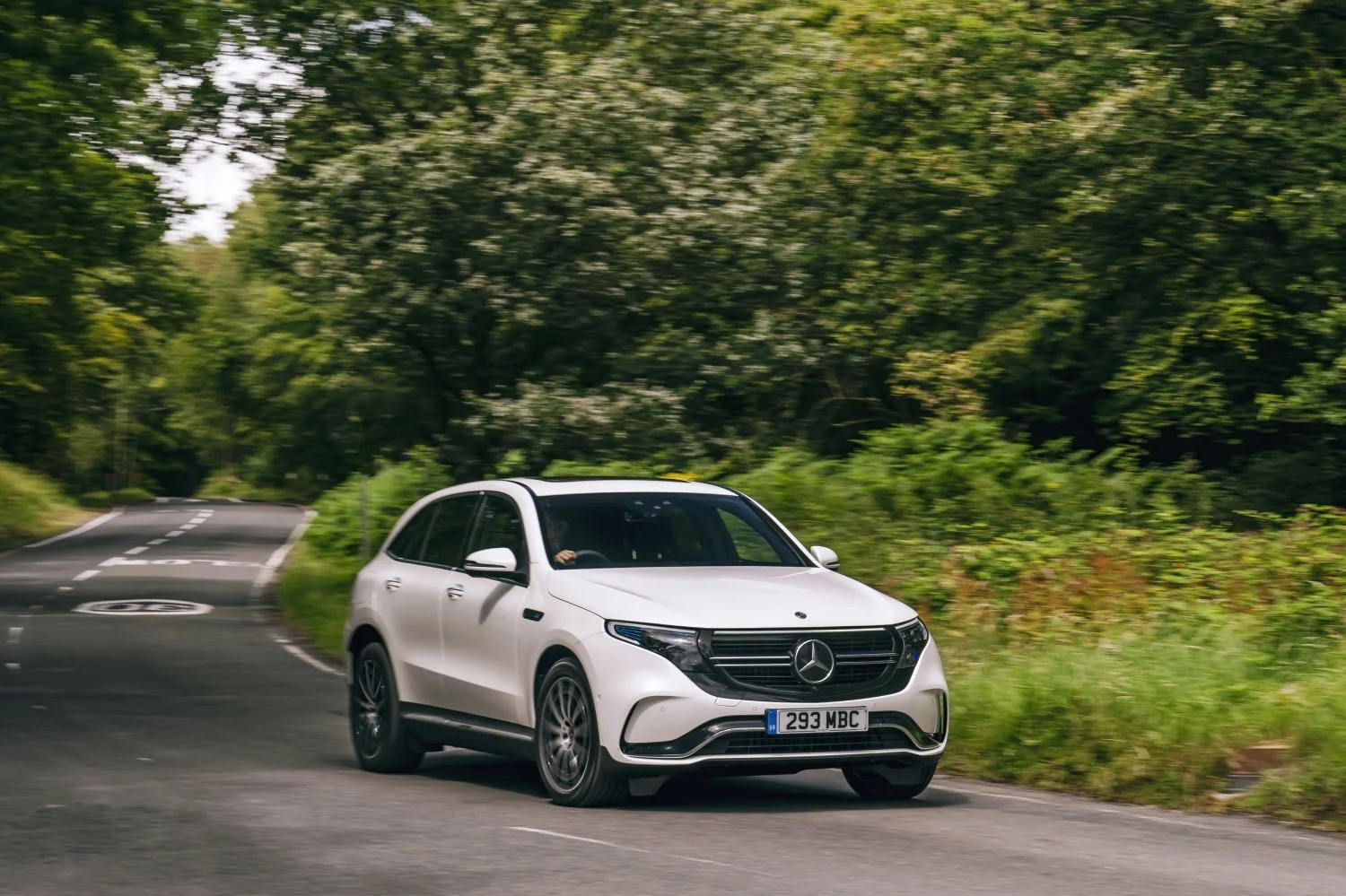
Mercedes GLC Electric
Purchase price: From ~£56,000
Range: Up to 326 miles (WLTP)
Boot space: 500 litres
Max charging speed: 150kW DC
The Mercedes GLC Electric is the direct successor to the discontinued EQC and represents a significant step forward in range, technology, and charging capability. Built on Mercedes' dedicated MB.EA electric platform, it brings the familiar GLC proportions and premium interior quality into a fully electric package. The 326-mile WLTP range is competitive for the segment, and the cabin quality is among the best of any electric SUV at this price point. Available through The Electric Car Scheme from £745/month for a 40% taxpayer on a 36-month term. See our Mercedes salary sacrifice guide.
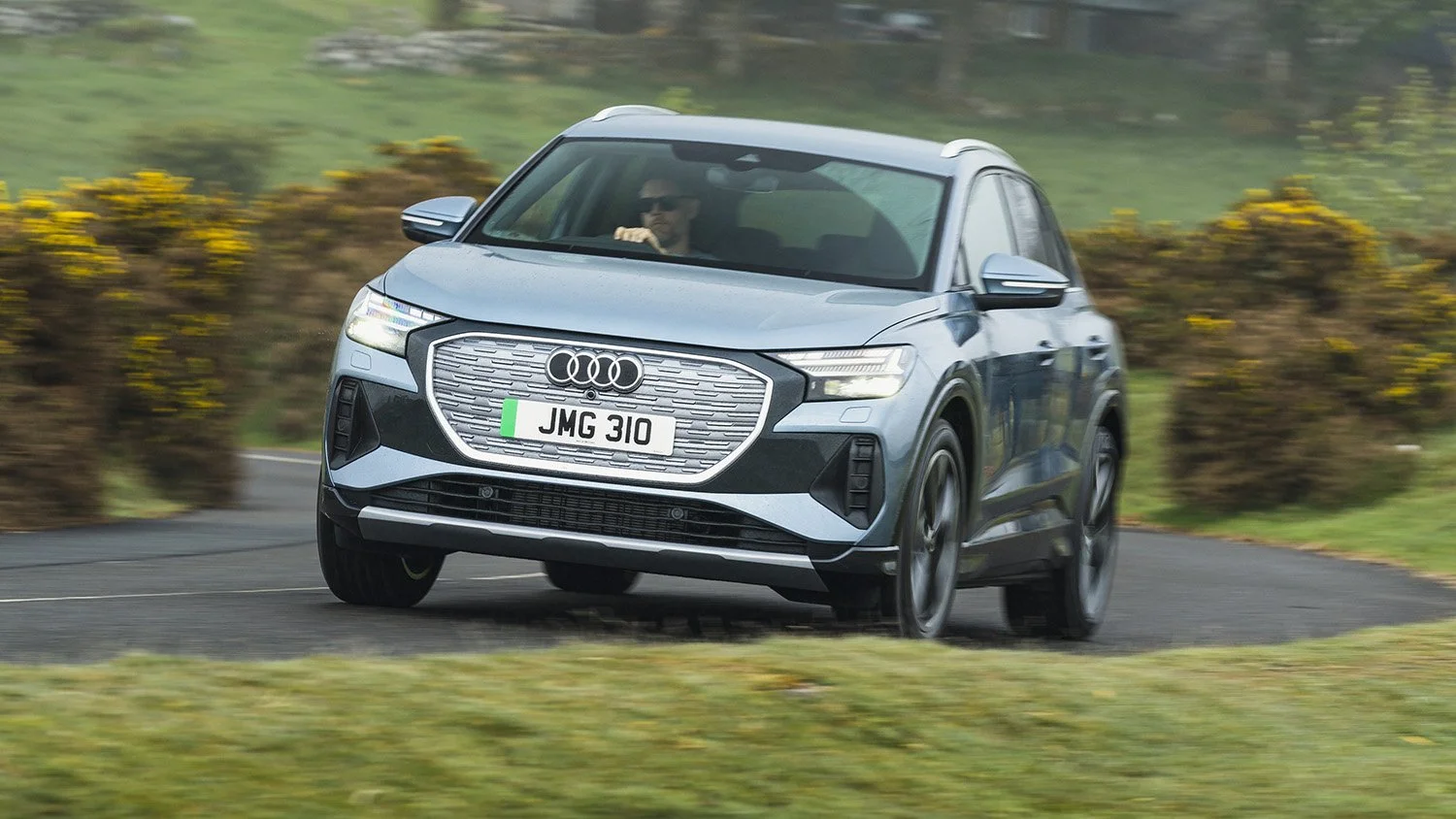
Audi Q4 e-tron
Purchase price: From £45,270 (rising to ~£56,000 for Sportback/higher trims) Range: Up to 341 miles (WLTP)
Boot space: 520 litres
Max charging speed: 175kW DC
The Q4 e-tron sits at the lower end of this tier but earns its place through its combination of Audi interior quality, practical dimensions, and competitive charging capability. The Sportback variant adds a more dynamic profile without sacrificing too much boot space. The Q4 is an excellent gateway into the Audi EV range. Visit our Audi salary sacrifice guide for full model comparisons.
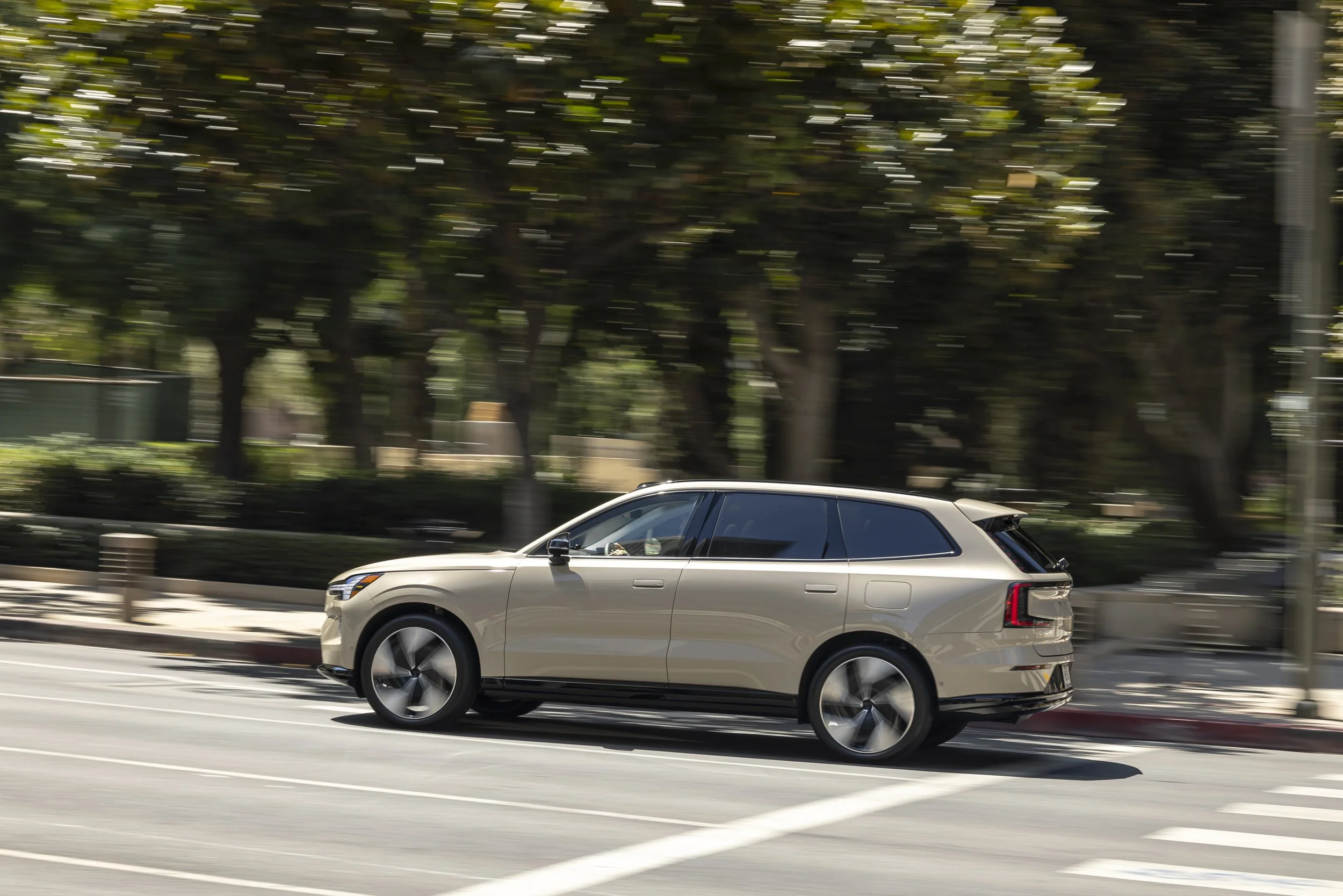
Volvo EX60 / EX90
Purchase price: From ~£54,000 (EX60) / £88,000 (EX90)
Range: Up to 350 miles (EX60 est.)
Boot space: 525 litres (EX60 est.)
Max charging speed: 200kW DC
Volvo's electric SUV lineup continues to expand. The EX60 — Volvo's successor to the XC60 — targets family buyers who want Scandinavian design, strong safety credentials, and genuine electric range. For those wanting a larger seven-seater, the EX90 is one of the most capable family EVs available, though it tips into the over-£70K tier. Read about all the electric Volvos you can salary sacrifice.
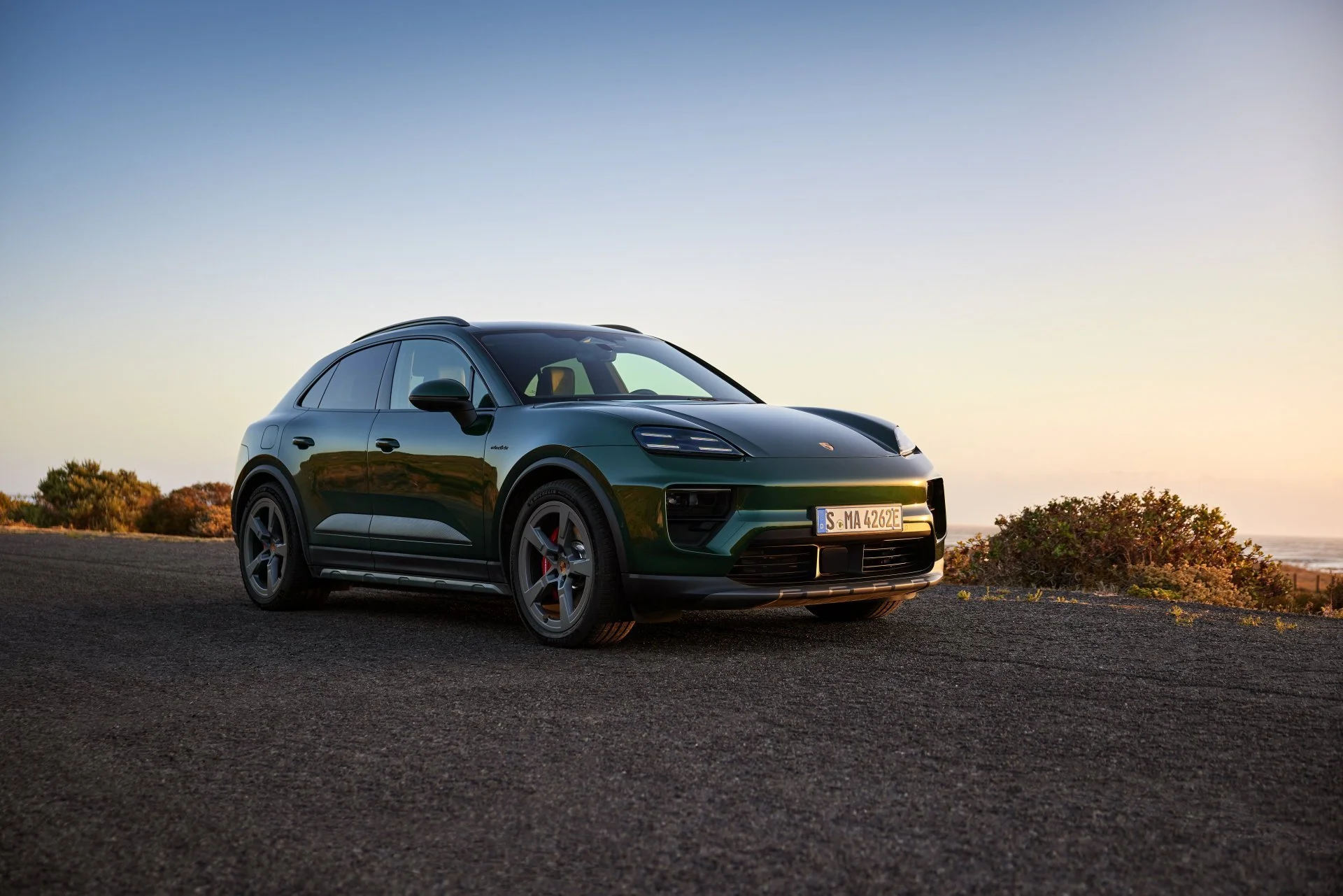
Porsche Macan Electric
Purchase price: From £59,300
Range: Up to 390 miles (WLTP — Macan 4)
Boot space: 540 litres + 84 litre front trunk
Max charging speed: 270kW DC
The electric Macan is arguably the most exciting electric SUV launched in recent years. Built on Porsche's Premium Platform Electric (PPE) architecture alongside the Audi Q6 e-tron, it combines 270kW ultra-rapid charging with SUV practicality and genuine Porsche driving dynamics. Read our full Porsche Macan electric review.
What You Get at This Price Point
Between £50,000 and £70,000 you enter true premium territory. Expect longer ranges, more powerful rapid charging, advanced driver assistance systems, and superior interior quality. Vehicles at this tier are genuinely comfortable long-distance companions and represent a convincing alternative to their petrol equivalents — often surpassing them on technology.
Salary Sacrifice Equivalent: From ~£400/month
For 40% taxpayers, monthly salary sacrifice costs in this tier typically range from £395 to £500 per month. For 20% taxpayers, expect £480–£600 per month. The savings over a standard lease remain significant — often £200 or more per month — and the BiK tax at 4% remains a fraction of what drivers would pay on a comparable petrol SUV.
Best Electric SUVs Over £70,000
The luxury electric SUV segment is increasingly competitive in 2026. These vehicles represent the best available technology, the most refined interiors, and — in several cases — genuinely impressive performance figures. Accessed through an electric car salary sacrifice scheme, even vehicles at this price point can become surprisingly attainable.

Audi Q8 e-tron
Purchase price: From £74,750
Range: Up to 374 miles (WLTP)
Boot space: 569 litres
Max charging speed: 170kW DC
The Q8 e-tron is Audi's flagship electric SUV and it shows. The interior is exceptional, the ride quality is impressive, and the 374-mile WLTP range means genuine long-distance confidence. The Sportback variant sharpens the design without meaningfully compromising practicality. For buyers who want the very best of Audi's electric technology in a large SUV package, this is the destination.

Jaguar Type 00 GT (September 2026)
Purchase price: Expected from ~£100,000-£130,000
Range: Targeted 400+ miles (WLTP)
Boot space: TBC
Max charging speed: 350kW DC (confirmed)
The Jaguar I-Pace was discontinued in 2024 after a seven-year production run. Its successor, the Type 00 GT, is confirmed for a full production reveal in September 2026, with UK order books opening at the same time and deliveries expected in early 2027. It is not yet available via salary sacrifice - check The Electric Car Scheme for availability from early 2027. Our Jaguar Land Rover salary sacrifice guide covers available options.
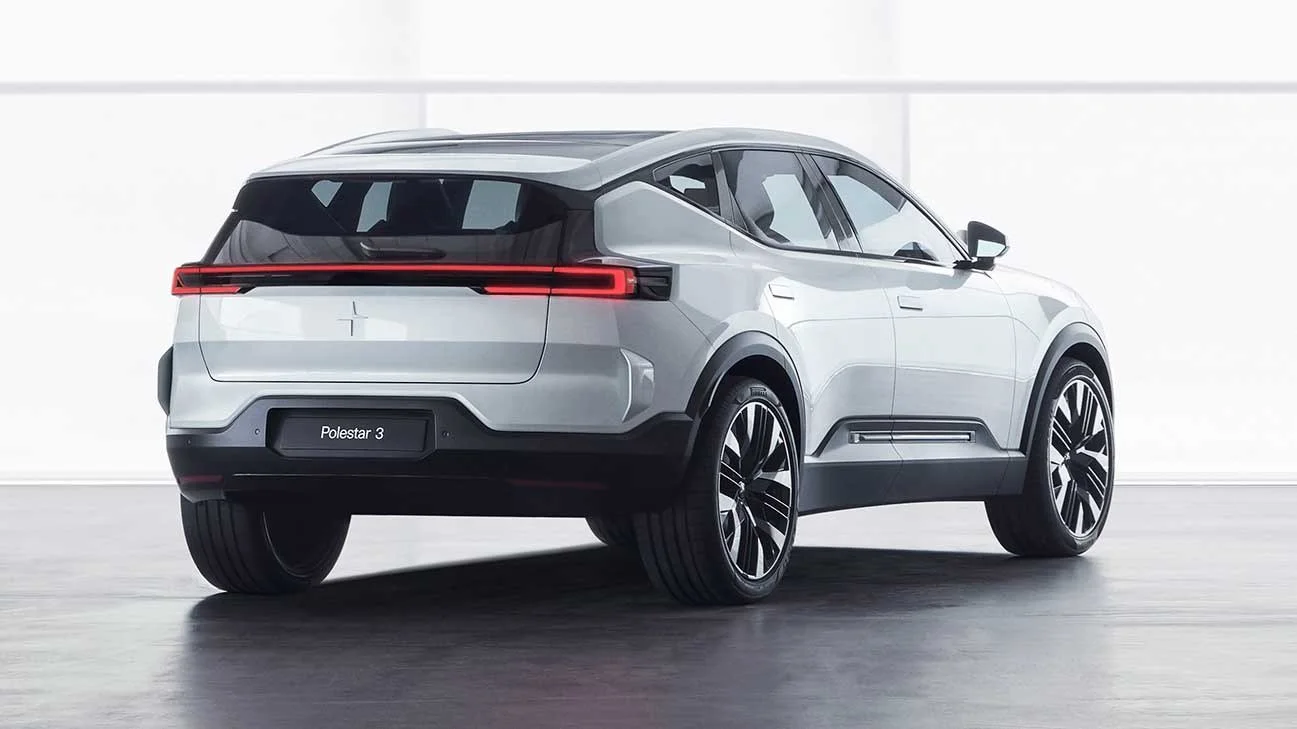
Polestar 3
Purchase price: From £73,400
Range: Up to 379 miles (WLTP)
Boot space: 484 litres + 32 litre front trunk
Max charging speed: 250kW DC
The Polestar 3 is one of the most technologically advanced electric SUVs on sale in 2026. Its 250kW charging capability means a 10–80% charge in approximately 30 minutes, and its performance — 517hp in the dual-motor configuration — is exceptional. Polestar's sustainability credentials are best-in-class, making it a strong ESG choice for businesses looking to reduce their company car fleet's carbon footprint. Read our dedicated Polestar salary sacrifice guide for full details.
What You Get at This Price Point
Over £70,000, you are accessing the very best available in the electric SUV market. Ultra-rapid charging at 200kW+, luxury interior materials, advanced driver assistance, large battery packs with 350+ miles of WLTP range, and often genuine performance credentials. These are cars that are better than their petrol equivalents in almost every measurable way — and accessed through salary sacrifice, they become meaningfully more affordable than they appear at list price.
Salary Sacrifice Equivalent: From ~£520/month
For 40% taxpayers, salary sacrifice monthly costs at this tier typically start around £520 and can reach £700+ for the highest-specification variants. For 20% taxpayers, expect £620–£850 per month. The absolute saving over a standard lease remains large — the 20–50% saving through salary sacrifice is applied to a higher base figure, meaning the cash difference in your pocket each month is significant.
Why Purchase Price Isn't the Full Story: Total Cost of Ownership
The sticker price of an electric SUV is the least useful number for most buyers. What matters is total cost of ownership — and this is where electric cars consistently outperform their petrol and diesel rivals.
Running costs are dramatically lower for EVs. Charging at home costs a fraction of petrol. Even on public rapid chargers, the cost per mile is typically lower than fuel for an equivalent petrol SUV. Drivers covering 10,000 miles per year can expect to save £600–£1,500 on fuel costs alone compared to a petrol alternative.
Maintenance is also cheaper. Electric motors have far fewer moving parts than combustion engines, and EVs skip oil changes, exhaust system repairs, and clutch replacements entirely. Servicing costs for EVs are typically around 40–50% lower than for petrol equivalents.
Tax is the third major factor. The BiK rate for electric vehicles in 2026/27 is just 4%, compared to up to 37% for high-emission petrol cars. For company car drivers, this difference alone can represent thousands of pounds per year.
Depreciation on popular EV models — particularly those from established manufacturers with strong warranty coverage — is increasingly competitive with petrol equivalents, and is supported by growing demand for used EVs and the forthcoming 2035 ban on new petrol car sales.
When you account for all of these factors, the true cost gap between an electric SUV and a petrol rival narrows considerably — and in many cases, the EV is cheaper to run over a three-year lease period. For more on this topic, read our electric cars vs petrol cars cost comparison guide.
How Salary Sacrifice Changes the Budget Equation
The most important factor in determining what an electric SUV actually costs you each month is whether you access it through an electric car salary sacrifice scheme.
Here is how it works: your employer leases the vehicle on your behalf and deducts the monthly cost from your gross salary — before Income Tax and National Insurance are calculated. This means you pay for the car with pre-tax earnings, reducing your taxable income and generating meaningful monthly savings. You can learn more about the mechanics in our guide to what is an electric car salary sacrifice scheme and our detailed salary sacrifice cars explained resource.
For 2026/27, the BiK rate for fully electric vehicles is 4%. This is added back as a taxable benefit, but at 4% it remains a small fraction of the savings generated — and is far below the maximum 37% applied to high-emission petrol cars. Our Benefit-in-Kind guide explains the calculation in full.
The net result is a saving of 20–50% compared to a standard personal lease on the same vehicle, depending on your salary, tax bracket, and the car you choose. For a higher-rate taxpayer accessing a £60,000 electric SUV, this can represent savings of £200–£350 per month compared to leasing personally.
There is no cost to your employer to run a scheme — The Electric Car Scheme operates at zero net cost to the business — and Complete Employer Protection means businesses are safeguarded from unexpected financial exposure if an employee leaves mid-contract. Learn more about Complete Employer Protection.
For a personalised figure based on your salary and chosen vehicle, use our salary sacrifice calculator.
Frequently Asked Questions
What is the cheapest electric SUV available in the UK in 2026? The Dacia Spring is the most affordable electric SUV available in the UK, starting from £16,995. Through an electric car salary sacrifice scheme, it can be accessed for as little as £128 per month for a 40% taxpayer.
What is the best electric SUV under £50,000? The Hyundai Ioniq 5 and Kia EV6 are widely regarded as the best electric SUVs under £50,000 in 2026. Both offer 300+ miles of WLTP range, ultra-rapid 800V charging, and spacious, practical interiors. Both are available through The Electric Car Scheme's salary sacrifice offering.
How does salary sacrifice reduce the cost of an electric SUV? Salary sacrifice allows you to pay for your EV from your gross salary — before Income Tax and National Insurance are deducted. Combined with the current 4% BiK rate for electric vehicles in 2026/27, this generates savings of 20–50% compared to a standard personal lease. Higher-rate taxpayers typically save more in absolute terms.
Is it worth getting a more expensive electric SUV through salary sacrifice? Yes — the savings in absolute terms are often larger on higher-cost vehicles, because the pre-tax deduction is proportionally larger. A 40% taxpayer accessing a £70,000 SUV through salary sacrifice will save more per month in cash terms than the same taxpayer accessing a £35,000 SUV, even though the percentage saving is similar.
What is the BiK rate for electric cars in 2026/27? The Benefit-in-Kind rate for fully electric vehicles in 2026/27 is 4%. This is significantly lower than the maximum 37% applied to high-emission petrol cars, and makes electric car salary sacrifice extremely tax-efficient for UK employees.
Can I get an electric SUV with over 400 miles of range? Yes. In 2026, several electric SUVs offer WLTP ranges exceeding 400 miles, including the Polestar 2 Long Range (406 miles), the Kia EV6 Long Range (328 miles), and select premium options. WLTP figures are laboratory tests — real-world range will typically be 10–20% lower depending on conditions.
Which electric SUV charges the fastest? The Porsche Macan Electric leads this tier with a 270kW maximum DC charging speed, followed by the Polestar 3 at 250kW and the Hyundai Ioniq 5 and Kia EV6 at 220kW+. These ultra-rapid charging speeds mean a 10–80% charge in under 20–30 minutes at a compatible charger.
Do I own the car under salary sacrifice? No — the car is leased by your employer on your behalf. At the end of the lease, you return the vehicle. This is consistent with how most company car schemes operate, and it means you are not responsible for depreciation or residual value risk. For a full explanation, see our guide to salary sacrifice car lease explained.
Get Your Real Monthly Cost
The monthly figures in this guide are indicative estimates. Your actual salary sacrifice cost depends on your gross salary, tax bracket, chosen vehicle, lease term, and annual mileage.
The most accurate way to find your real monthly cost is to use The Electric Car Scheme's salary sacrifice calculator, which accounts for your individual tax position and shows you exactly what you would pay — and what you would save — on any available electric SUV.
Use the calculator to see your real monthly cost →
Or, if you are an employer looking to offer an electric car scheme to your team, book a demo with The Electric Car Scheme to see how the scheme works and get set up with no net cost to your business.
Are you an employer?
BOOK A DEMOAre you an employee?
SEE AVAILABLE CARSECS GUIDES AND ADVICE
Ready to Go Electric? Your Guides and Tools to a Smooth Switch
-
 How the Scheme Works
Find out how salary sacrifice can work for you or your business.
-
 The Charge Scheme
Save 20-50% on all charging costs through salary sacrifice - at home, the office, or in public..
-
 Complete Employer Protection
All employers and drivers are protected from day 1.
-
 Used Electric Cars
Discover the most affordable way to drive electric. Cars delivered in 14 days.
You Might Also Like…


Last updated: 21/06/2026
Information and prices provided are accurate at the time of release and may be subject to change. Our pricing is based on data collected from The Electric Car Scheme quote tool. All final pricing is inclusive of VAT. All prices above are based on the following lease terms; Using a flat payment profile, 10,000 miles pa, 36 months, and are inclusive of Maintenance and Breakdown Cover. The Electric Car Scheme’s terms and conditions apply. All deals are subject to credit approval and availability. All deals are subject to excess mileage and damage charges. Prices are calculated based on the following tax saving assumptions; England & Wales, 40% tax rate. The Electric Car Scheme Limited provides services for the administration of your salary sacrifice employee benefits. The Electric Car Scheme Holdings Limited is a member of the BVRLA (10608), is authorised and regulated by the FCA under FRN 968270, is an Appointed Representative of Marshall Management Services Ltd under FRN 667174, and is a credit broker and not a lender or insurance provider.
Copyright and Image Usage: All images used on this website are either licensed for commercial use or used with express permission from the copyright holders, in compliance with UK and EU copyright law. We are committed to respecting intellectual property rights and maintaining full compliance with applicable regulations. If you have any questions or concerns regarding image usage or copyright matters, please contact us at marketing@electriccarscheme.com and we will address them promptly.
