Electric Camper Vans: Can the VW ID. Buzz Replace Your Classic Camper?
All images in this article have been sourced from VW UK Press Gallery unless stated otherwise
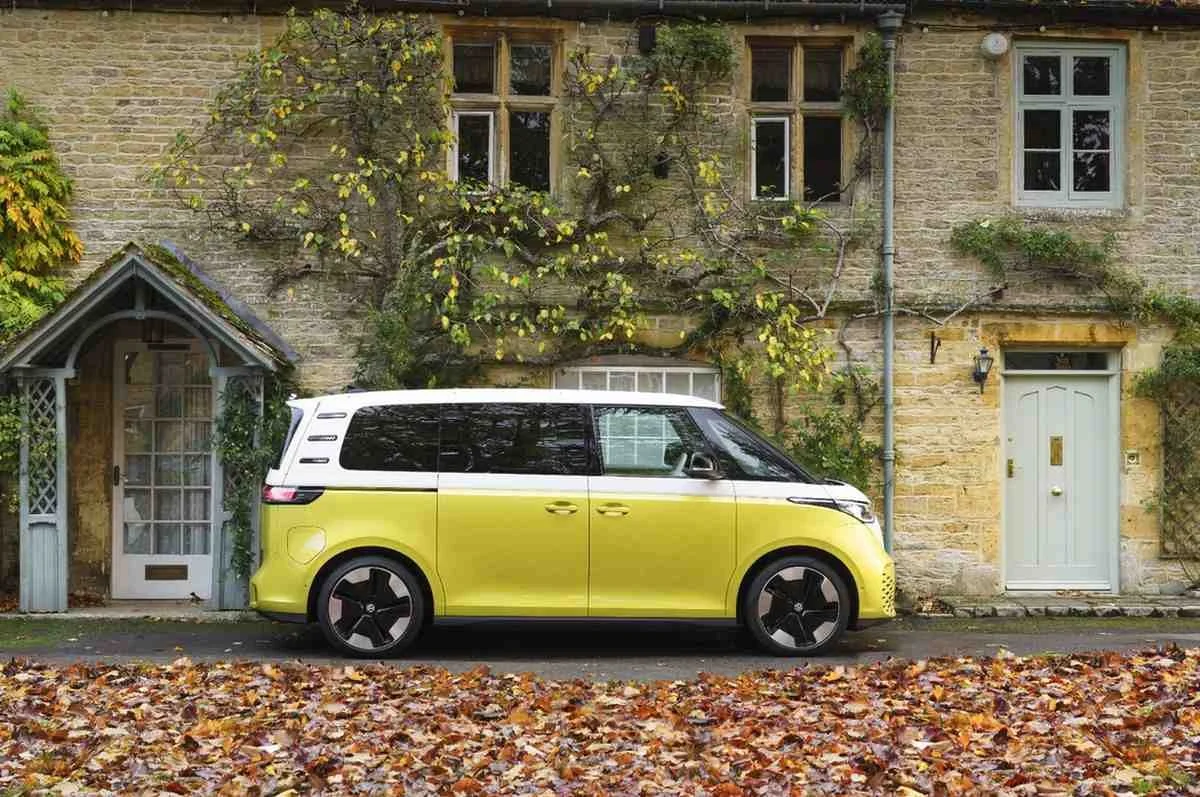
For most people, a Volkswagen ID. Buzz is what comes to mind when they think of an electric campervan. It has blended the timeless VW design with modernity. The ID. Buzz isn’t sold with a built-in kitchen and bed, but its range, space and seating already do most of what a classic camper is bought for. This guide covers what the ID. Buzz offers as a camping and family vehicle, what it costs on electric car salary sacrifice, and how Kia's PV5, also available through The Electric Car Scheme, compares.
Can the VW ID. Buzz Replace a Classic Camper?
For most weekend trips, yes, in its standard factory form. The ID. Buzz is an electric Multi-Purpose Vehicle (MPV) with a decent range, a boot that swallows tents and bikes without a roof box, and enough interior space to sleep or lounge in with the seats folded flat. You can choose between five, six, and seven seat configurations.
ID. Buzz price starts at £57,115. It’s worth noting that it isn't fitted with a kitchen or a fixed bed, so it won't replace a dedicated motorhome for full-time touring. That being said, it does cover the necessities most buyers are looking for if you’re planning a weekend camping trip.
The everyday usability of the Buzz is where it beats a classic camper. A diesel California isn’t usually someone’s choice of a daily runaround, whereas the ID. Buzz works on the school run or commute and is also camping-ready at the weekends. Either way, it compares well against the EVs with the biggest boots on the market.
Why Is There No Factory VW Electric Camper Yet?
Volkswagen has talked about an electric ID. California camper since the ID. Buzz concept first appeared, and there's still no confirmed UK launch date or pricing.
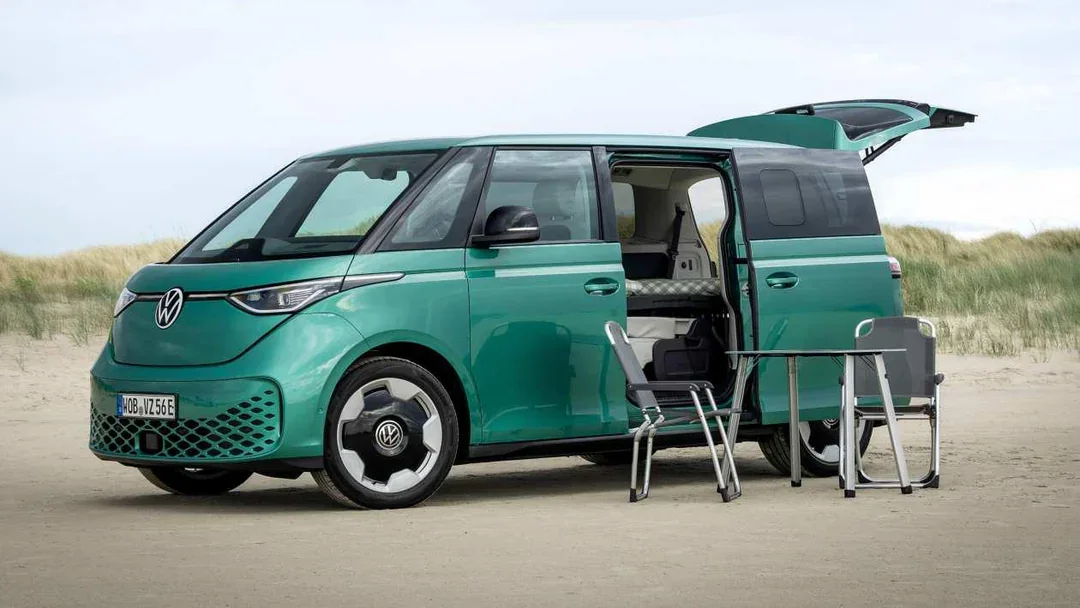
VW's own "Good-Night" camping package, a roof-bed and blackout screen upgrade sold as an option in mainland Europe, hasn't been confirmed for the UK either, despite demand from UK buyers who've been asking about it since the ID. Buzz first launched.
Image source: AutoExpress
VW has previously said the electric camper market isn't yet large enough to justify a full UK launch, which is exactly why the standard ID. Buzz, available now, is the more practical answer for most buyers rather than holding out for a model that may not arrive for years.
VW ID. Buzz Range and Practicality
Real-world range decides whether an electric camper works for long journeys, and independent ID. Buzz reviews rate it well. The standard 79kWh battery is rated at up to 254 miles, while the long-wheelbase seven-seat version steps up to an 86kWh battery and up to 293 miles. Towing has the biggest impact on range: VW rates the standard van at up to 1,000kg braked and the GTX at up to 1,800kg, and hauling near that limit cuts available range sharply.
Charging speed helps offset that trade-off, with a 10-80% top-up taking around 26 minutes on the faster versions. That rhythm suits a moderate daily distance, arriving with time to settle in, and staying a few nights before moving on, better than the long, single-charge hauls that put more strain on any EV's range.
Other Electric Campers to Consider
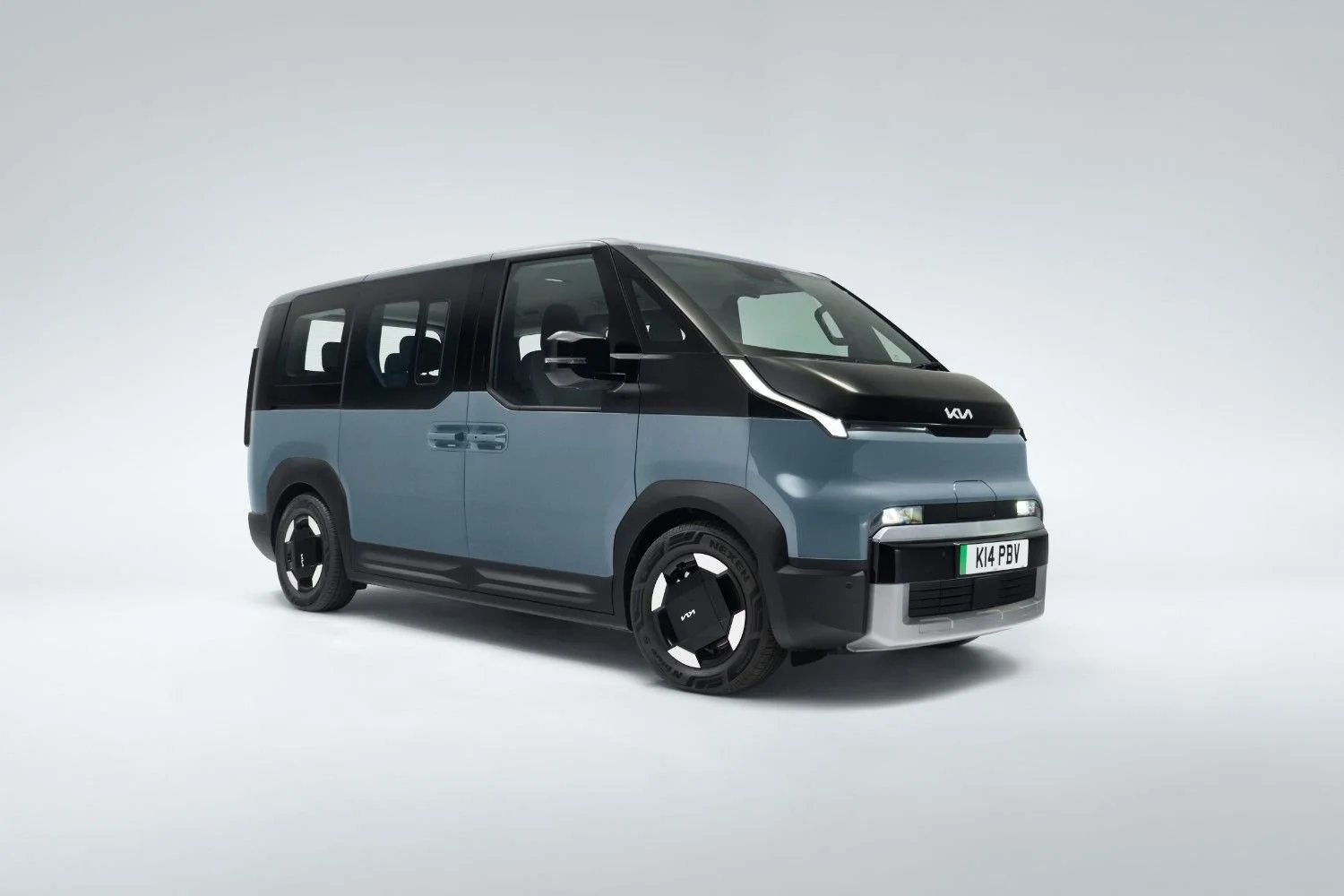
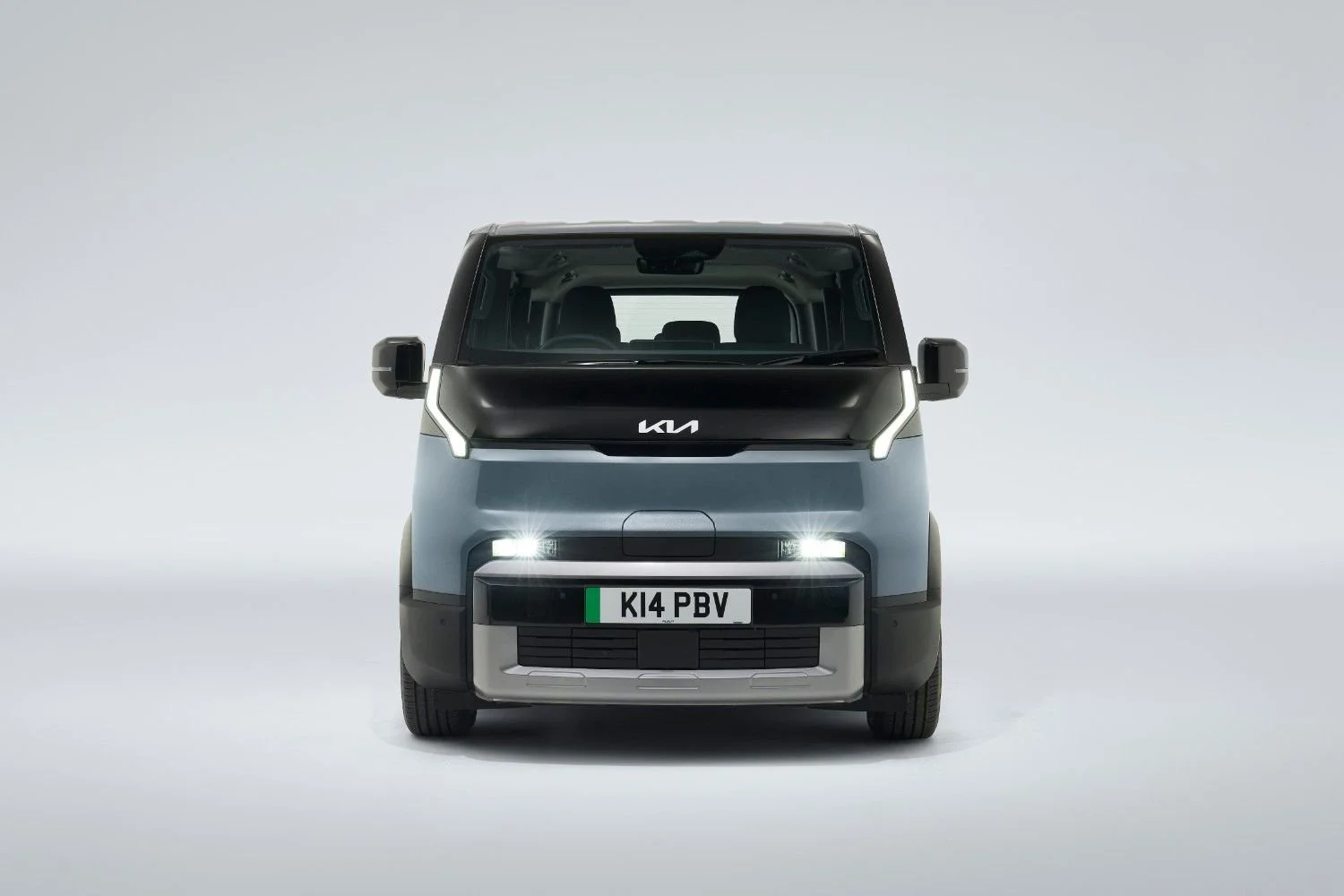
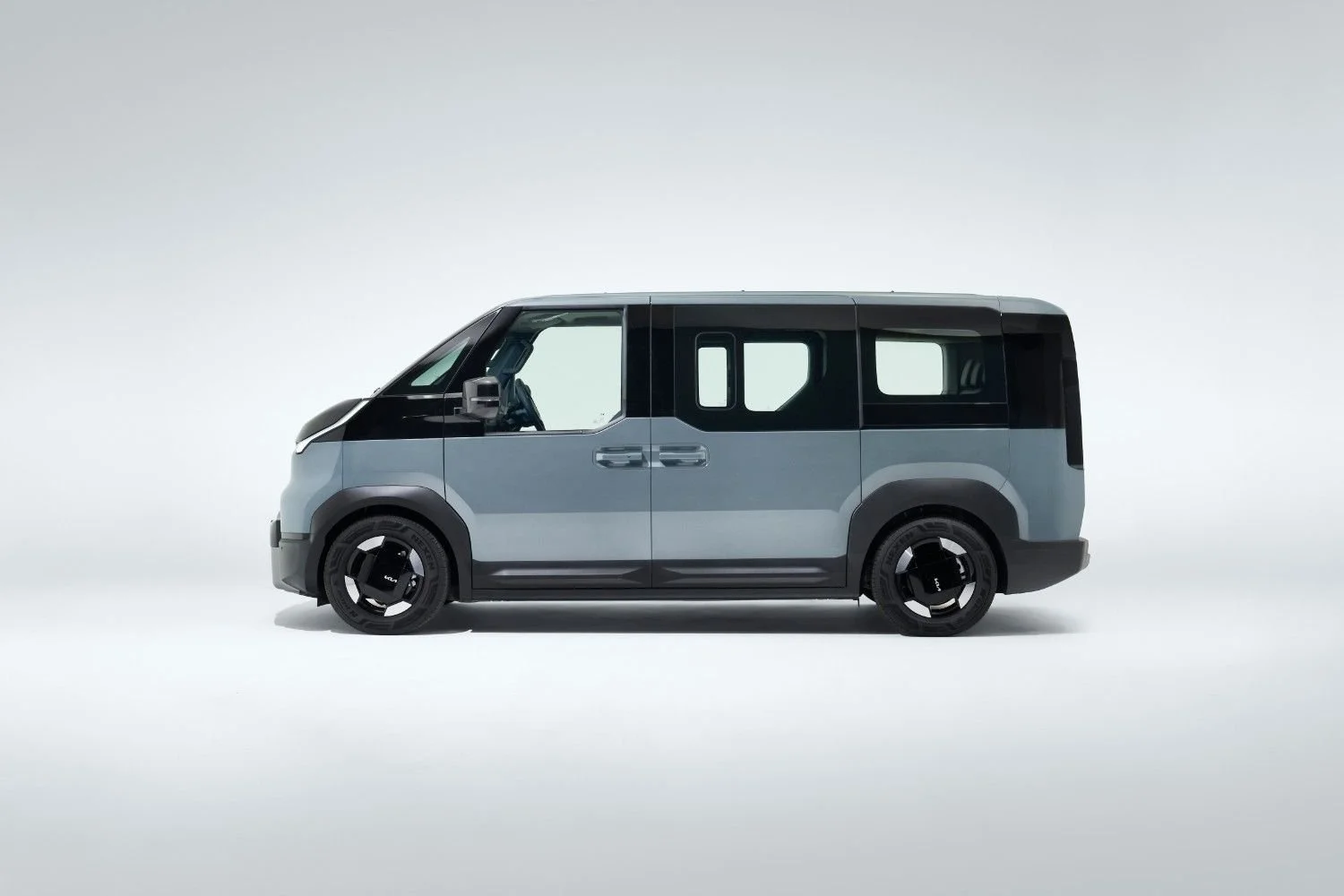
Image source: Kia Press Office
The ID. Buzz isn't the only factory-fresh electric van worth considering for camping and family use. Kia's PV5 Passenger is the strongest newcomer, with a Standard Range 52kWh battery rated at up to 183 miles and a Long Range 71kWh battery reaching up to 256 miles.
Its cabin trades some of the VW's retro appeal for a more van-like feel, since the PV5 is primarily built as a commercial vehicle rather than a family MPV, and it comes with Kia's seven-year, 100,000-mile warranty as standard. It's also available through The Electric Car Scheme, from £419 a month net on salary sacrifice, considerably less than the ID. Buzz, which makes it worth a look for anyone prioritising cost over cabin space and retro styling.
Anyone weighing wider Volkswagen options for a family or lifestyle EV can also compare the best VW models available to salary sacrifice before deciding between the two.
How Much Does It Cost To Salary Sacrifice The VW ID. Buzz and Kia PV5?
Electric car salary sacrifice is an employee benefit that lets employees pay for a new EV through their gross salary, before tax and National Insurance. In doing so, they bundle the vehicle, insurance, servicing and maintenance into one predictable monthly amount. There's no large upfront payment, and employees typically save 20 to 50% compared with a personal lease. Access relies on your employer offering the scheme - they can register their interest here.
Through The Electric Car Scheme, the ID. Buzz Life Pro 79kWh costs from £736 a month net, the Life Pro 86kWh six-seat from £739, and the Style Pro 86kWh seven-seat from £804. The Kia PV5 Passenger costs from £419 a month net on Standard Range, rising to £487 for Long Range.*
Benefit-in-Kind tax is charged at 4% for 2026/27 across both vehicles, already factored into those figures and well below the up-to-37% rate on a petrol or diesel equivalent.
| Trim | Salary Sacrifice Cost | Range |
|---|---|---|
| ID. Buzz Life Pro 79kWh | From £736/month net* | Up to 254 miles |
| ID. Buzz Life Pro 86kWh LWB (6 seat) | From £739/month net* | Up to 293 miles |
| ID. Buzz Style Pro 86kWh LWB (7 seat) | From £804/month net* | Up to 293 miles |
| PV5 Passenger Essential Standard Range | From £419/month net* | Up to 183 miles |
| PV5 Passenger Plus Long Range | From £487/month net* | Up to 256 miles |
The figures above assume a 40% taxpayer on a 36-month term with 10,000 miles a year and a flat payment profile. Costs will vary based on individual salary, tax band, mileage and contract length. Every vehicle on The Electric Car Scheme comes with insurance, servicing, maintenance, breakdown cover and road tax included in the monthly cost, backed by the same B Corp-certified service standard behind the company's Trustpilot rating of Rated Excellent (4.8 TrustScore) and its title as EV Salary Sacrifice Provider of the Year 2026 from Broker News.
Verdict and What to Check Before You Buy
For buyers looking for the best electric camper van in the UK right now, the ID. Buzz makes most sense as one vehicle for the week and a camping-ready vehicle at weekends, in its standard factory form. Buyers who specifically want a built-in kitchen and fixed bed will need to wait for a confirmed VW factory camper.
Anyone prioritising cost over cabin space and retro styling should weigh the PV5 alongside it, especially considering the saving on salary sacrifice is substantial. Before committing, check what an electric car salary sacrifice scheme includes and use The Electric Car Scheme's savings calculator to see the cost for your own salary and tax band.
Frequently Asked Questions
Are There Any Fully Electric Camper Vans?
There aren’t any fully electric camper vans in the UK yet. Volkswagen's ID. California camper hasn't received a confirmed UK launch date, so the practical option today is a standard factory electric van like the ID. Buzz or Kia PV5, which offer most of the space and range buyers actually need for camping trips.
What Is the 333 Rule for a Campervan?
The 333 rule is a touring guideline, not a legal requirement: drive no more than around 300 miles a day, aim to arrive by 3 pm, and stay at least three nights before moving on. It suits EV campers well, since shorter daily distances also ease range anxiety.
Can I Get the ID. Buzz or PV5 on Salary Sacrifice?
Yes, if your employer offers an electric car salary sacrifice scheme. ID. Buzz salary sacrifice through The Electric Car Scheme covers Life Pro and Style Pro trims, and the Kia PV5 Passenger is available too, with a single monthly amount covering the vehicle, insurance, servicing and maintenance. If your employer doesn't currently offer it, they can register their interest directly.
What Happens to Motorhomes in 2030?
Motorhomes are classed as M1 special purpose vehicles and are exempt from the 2030 deadline that ends new petrol and diesel car sales. The Department for Transport has confirmed this to the National Caravan Council, so new diesel motorhomes can continue being sold beyond 2030.
Do Electric Vans Make Good Campervans?
Broadly yes, with trade-offs around range and payload. Electric vans like the ID. Buzz and PV5 offer low running costs and a quiet cabin that suits camping well, though towing a trailer or caravan will reduce real-world range.
Can You Sleep in a Layby in an Electric Camper?
Generally yes, provided you're parked legally with no obstruction and no signage prohibiting it. There's no single UK law banning sleeping in a parked vehicle, but local bylaws and Traffic Regulation Orders can restrict it in specific laybys, so check local signage before settling in.
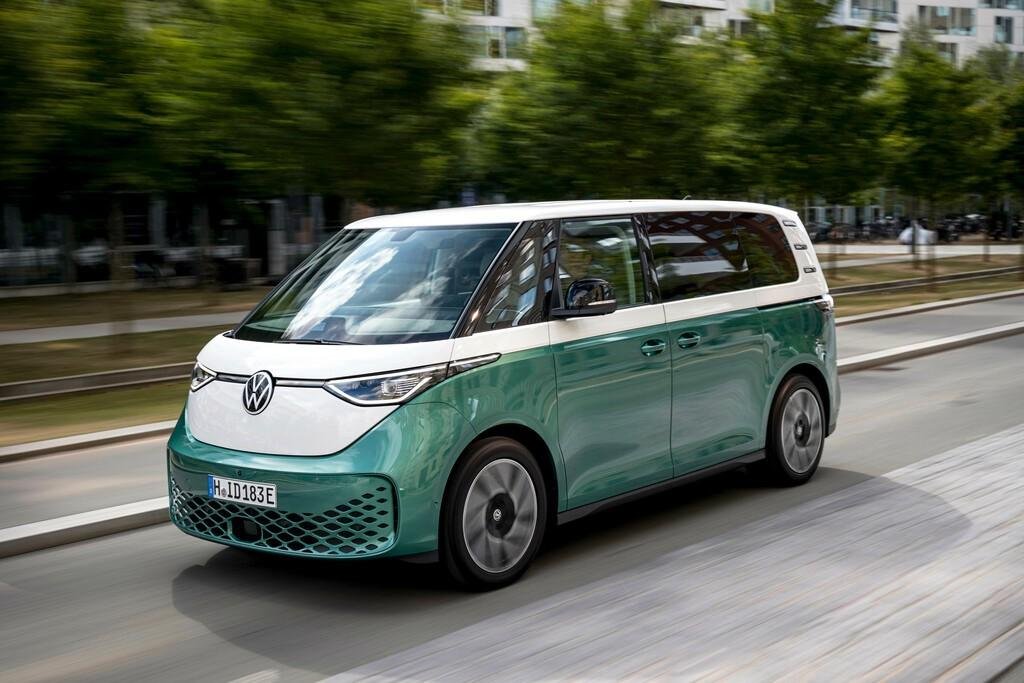
The VW ID. Buzz doesn't need a factory camper badge to work as an electric camper van for most families. It offers genuine range, family-friendly space and a design that suits camping trips, all in standard factory form with nothing to convert or fit.
Through The Electric Car Scheme salary sacrifice, it's available from £736 a month net, or from £419 a month net for the Kia PV5,* with insurance, servicing, maintenance and tax already included.
Visit our quote tool and input your desired lease terms to see how much the ID. Buzz would cost you.
ECS GUIDES AND ADVICE
Ready to Go Electric? Your Guides and Tools to a Smooth Switch
-
 How the Scheme Works
Find out how salary sacrifice can work for you or your business.
-
 The Charge Scheme
Save 20-50% on all charging costs through salary sacrifice - at home, the office, or in public..
-
 Complete Employer Protection
All employers and drivers are protected from day 1.
-
 Used Electric Cars
Discover the most affordable way to drive electric. Cars delivered in 14 days.
Are you an employer?
BOOK A DEMOAre you an employee?
SEE AVAILABLE CARSYou Might Also Like…

Last updated: 19.08.26
Our pricing is based on data collected from The Electric Car Scheme quote tool. All final pricing is inclusive of VAT. All prices above are based on the following lease terms; 10,000 miles pa, 36 months, and are inclusive of Maintenance and Breakdown Cover. The Electric Car Scheme’s terms and conditions apply. All deals are subject to credit approval and availability. All deals are subject to excess mileage and damage charges. Prices are calculated based on the following tax saving assumptions; England & Wales, 40% tax rate. The above prices were calculated using a flat payment profile. The Electric Car Scheme Limited provides services for the administration of your salary sacrifice employee benefits. The Electric Car Scheme Holdings Limited is a member of the BVRLA (10608), is authorised and regulated by the FCA under FRN 968270, is an Appointed Representative of Marshall Management Services Ltd under FRN 667174, and is a credit broker and not a lender or insurance provider.
Copyright and Image Usage: All images used on this website are either licensed for commercial use or used with express permission from the copyright holders, in compliance with UK and EU copyright law. We are committed to respecting intellectual property rights and maintaining full compliance with applicable regulations. If you have any questions or concerns regarding image usage or copyright matters, please contact us at marketing@electriccarscheme.com and we will address them promptly.