
BYD's flash-charging is great news. Stack it with UK salary sacrifice and it gets even better.
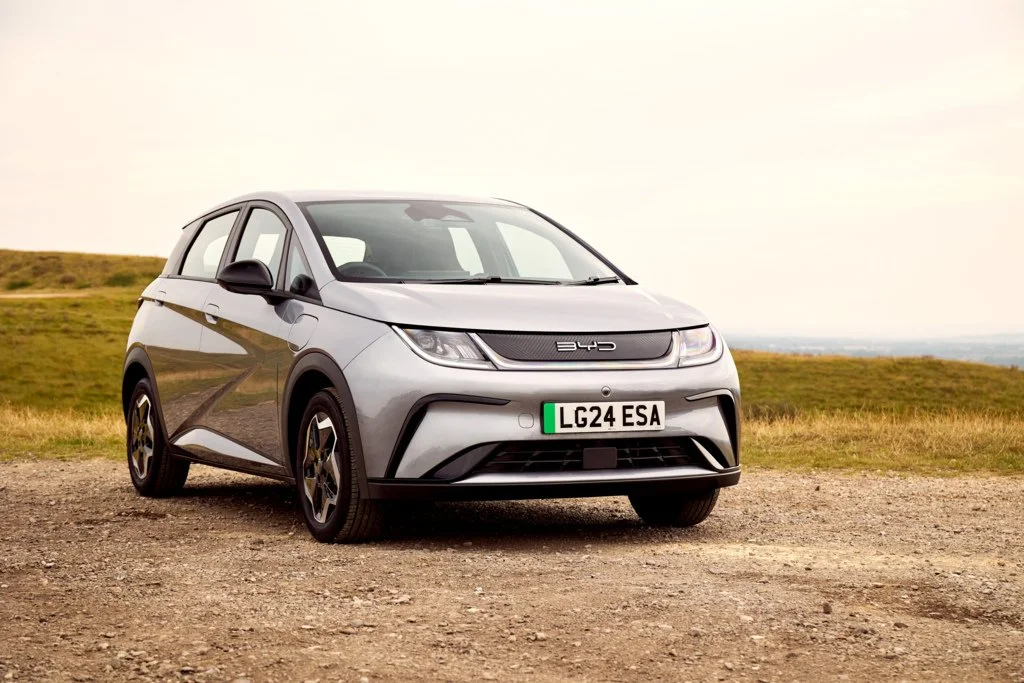
Image source: BYD
BYD made a properly exciting announcement this week. Speaking at the FT Future of the Car Summit, the company's top international executive Stella Li unveiled "flash-charging" technology that can put serious range into an EV in around five minutes — "as fast as refuelling," in her words. BYD plans to roll out 20,000 fast-charging stations in China and 6,000 internationally over the next 12 months, with 3,000 of those landing in Europe.
This is genuinely good news. Not just for BYD, not just for people who buy a BYD, but for everyone who wants to see the UK move faster on electric. We want the same thing they want: cheap, easy, low-friction electric cars in as many driveways as possible. And BYD has been one of the most useful companies in the world at chipping away at the obstacles that get in the way of that.
So let's talk about why this matters, and how it gets even more powerful when you stack it with the tools UK drivers already have.
BYD has been quietly solving the price problem
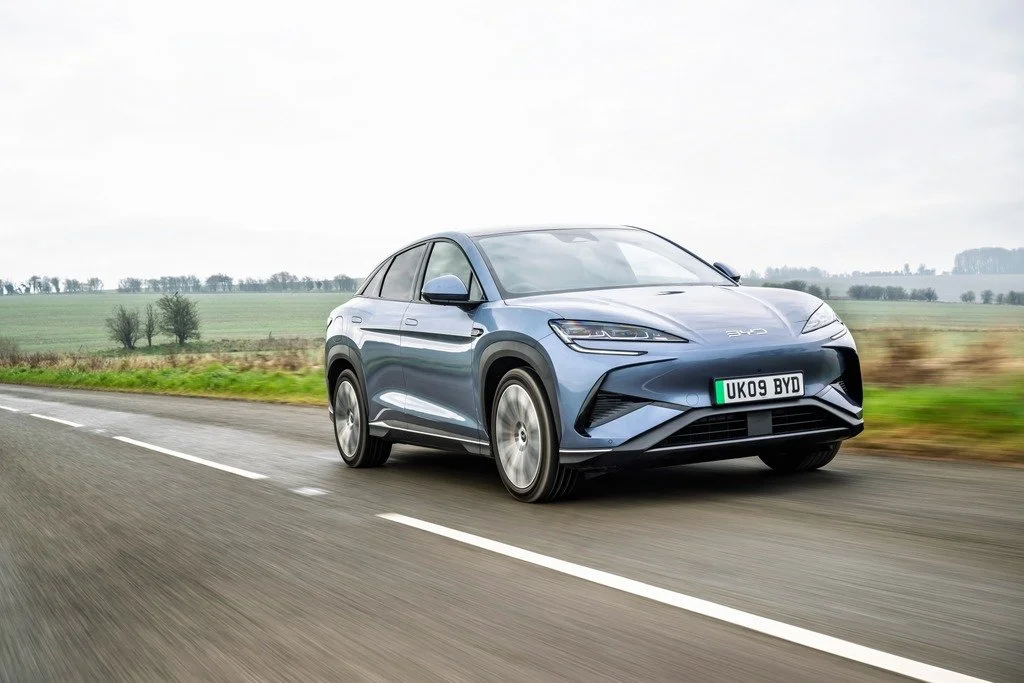
Before flash-charging ever made the headlines, BYD was already doing something arguably more important: pushing the price of a competent electric car steadily downward. The Dolphin Surf launched in the UK at well under £20,000. The Atto 3 brought a credible family EV in at a price that put it directly into Vauxhall and Kia territory. The Seal and Sealion ranges did the same thing a tier up. None of these are concept cars or vapourware. They are on UK forecourts now, with proper warranties and real dealer networks.
That is exactly the kind of pressure the market needed. For years, the EV conversation in Britain was dominated by £50,000 cars, and the "EVs are too expensive" complaint had teeth. BYD — alongside MG, Renault, Stellantis and others — is changing the price ceiling. Each new affordable model widens the pool of drivers who can plausibly think about an EV.
Flash-charging is the next layer of that same project. It is one more friction point being smoothed away, one more reason for a hesitant driver to look at the EV column and think "yes, that could work for me."
What changes when charging takes five minutes
If BYD's technology delivers in the real world the way it has in demonstrations, the people it helps most are exactly the drivers who have been the hardest to win over. Long-distance commuters. Renters and flat-dwellers who can't fit a home charger. Drivers who hated the idea of planning a road trip around a charger map. Sales reps, delivery drivers, anyone whose schedule won't bend around a 40-minute top-up.
Stella Li framed flash-charging as removing "the final barrier." Whether or not it is the final barrier, it is unquestionably a significant one — and watching it come down is exactly what you'd want to see. The UK public charging network has been growing fast — ZapMap has tracked tens of thousands of new devices in the last couple of years. Plug a flash-charging-ready vehicle into the next generation of ultra-rapids and the gap between "fill up the car" and "fill up the tank" gets very small indeed.
See what an EV would cost you on the scheme
Most UK employees save 20–50% on the cost of a new electric car when they lease it through their workplace. It takes about two minutes to find out where you'd land.
Where the UK has a stacking advantage
Here is the bit we want UK drivers to know: when you take an affordable EV — say, one of BYD's — and run it through a salary sacrifice scheme, the maths gets a lot more interesting.
Salary sacrifice lets a UK employee pay for an electric car out of gross salary, before income tax and National Insurance come off. Because EVs sit in the lowest benefit-in-kind tax band (4% for the 2026/27 tax year), most drivers end up saving 20–50% on the cost of leasing the same car privately. The Dolphin Surf that's already cheap on the forecourt becomes cheaper still. The Atto 3 that already undercuts its rivals becomes meaningfully better value than a comparable petrol car on a monthly basis. Insurance, servicing, the home charger, breakdown cover — all of it can sit inside the same monthly figure that comes off your gross pay.
In other words: BYD has been pulling the sticker price down. Salary sacrifice pulls the effective price down by another big chunk on top. The two work together. They are not in competition.
Charging speed slots into the same stack. Once a UK driver is in the car, knowing they can flash-charge at a motorway services in the time it takes to get a coffee just makes the package easier to say yes to. Every barrier that comes down — price, range, charging time, hassle — feeds into the same outcome: more electric cars, sooner, in the hands of more people.
A rising tide
It is easy, in this industry, to slip into a zero-sum frame. Western carmakers versus Chinese carmakers. Manufacturers versus leasing companies. New tech versus old. We don't see it that way. Anything that makes electric driving cheaper, easier, faster or less stressful is, in our book, a win — because every one of those wins moves another driver out of a petrol car and into something cleaner.
BYD's flash-charging announcement is one of those wins. Their affordable line-up has been another. The UK's salary sacrifice ecosystem is, quietly, a third — and the one we can do most about from where we sit. If you are looking at a BYD (or a Tesla, or a Polestar, or a Renault 5, or anything else with a plug) and wondering whether the numbers work, the answer is increasingly likely to be yes — especially if you can run it through your employer.
The "final barrier" framing is fun, but the real story is less dramatic and more cheering: barriers are coming down on multiple fronts, all at once, from companies and tools that mostly aren't even talking to each other. The flash-charger in Shenzhen and the payroll software in Slough are pulling in the same direction.
In summary
BYD's flash-charging tech is a major step forward — and a credit to a company that has been pushing EV prices down for years.
For most UK drivers, the headline barrier isn't charging time, it's still cost — and salary sacrifice is the most powerful lever available to bring that cost down today.
The two stack neatly. Cheaper cars from manufacturers + flash-charging infrastructure + salary sacrifice tax savings = more EVs, faster, with less friction.
If you're an employee, the cheapest way to drive a new EV is almost always through your workplace. If you're an employer, offering an EV scheme is one of the simplest, cheapest staff benefits you can launch.
Ready to see what an EV could cost you?
The Electric Car Scheme helps UK employers offer electric cars to their staff through salary sacrifice — including BYD models. Most drivers save 30–60% compared to leasing privately.
Employees: Calculate your savings on any EV in our range.
Employers: See how the scheme works and what it takes to launch (spoiler: not much).
Want to talk to a human? Book a quick call with the team.
Are you an employer?
BOOK A DEMOAre you an employee?
SEE AVAILABLE CARSYou might also like…


ECS GUIDES AND ADVICE
Ready to Go Electric? Your Guides and Tools to a Smooth Switch
-
 How the Scheme Works
Find out how salary sacrifice can work for you or your business.
-
 The Charge Scheme
Save 20-50% on all charging costs through salary sacrifice - at home, the office, or in public..
-
 Complete Employer Protection
All employers and drivers are protected from day 1.
-
 Used Electric Cars
Discover the most affordable way to drive electric. Cars delivered in 14 days.
Last updated: 15/05/2026
Our pricing is based on data collected from The Electric Car Scheme quote tool. All final pricing is inclusive of VAT. All prices above are based on the following lease terms; 10,000 miles pa, 36 months, and are inclusive of Maintenance and Breakdown Cover. The Electric Car Scheme's terms and conditions apply. All deals are subject to credit approval and availability. All deals are subject to excess mileage and damage charges. Prices are calculated based on the following tax saving assumptions; England & Wales, 40% tax rate. The above prices were calculated using a flat payment profile. The Electric Car Scheme Limited provides services for the administration of your salary sacrifice employee benefits. The Electric Car Scheme Holdings Limited is a member of the BVRLA (10608), is authorised and regulated by the FCA under FRN 968270, is an Appointed Representative of Marshall Management Services Ltd under FRN 667174, and is a credit broker and not a lender or insurance provider. Figures in this guide are drawn from real customer leases on The Electric Car Scheme in May 2026. Customer name and salary data is anonymised to protect their identities, however these are real quotes from our customers.
Copyright and Image Usage: All images used on this website are either licensed for commercial use or used with express permission from the copyright holders, in compliance with UK and EU copyright law. We are committed to respecting intellectual property rights and maintaining full compliance with applicable regulations. If you have any questions or concerns regarding image usage or copyright matters, please contact us at marketing@electriccarscheme.com and we will address them promptly.
