
The Most Efficient EVs For 2026
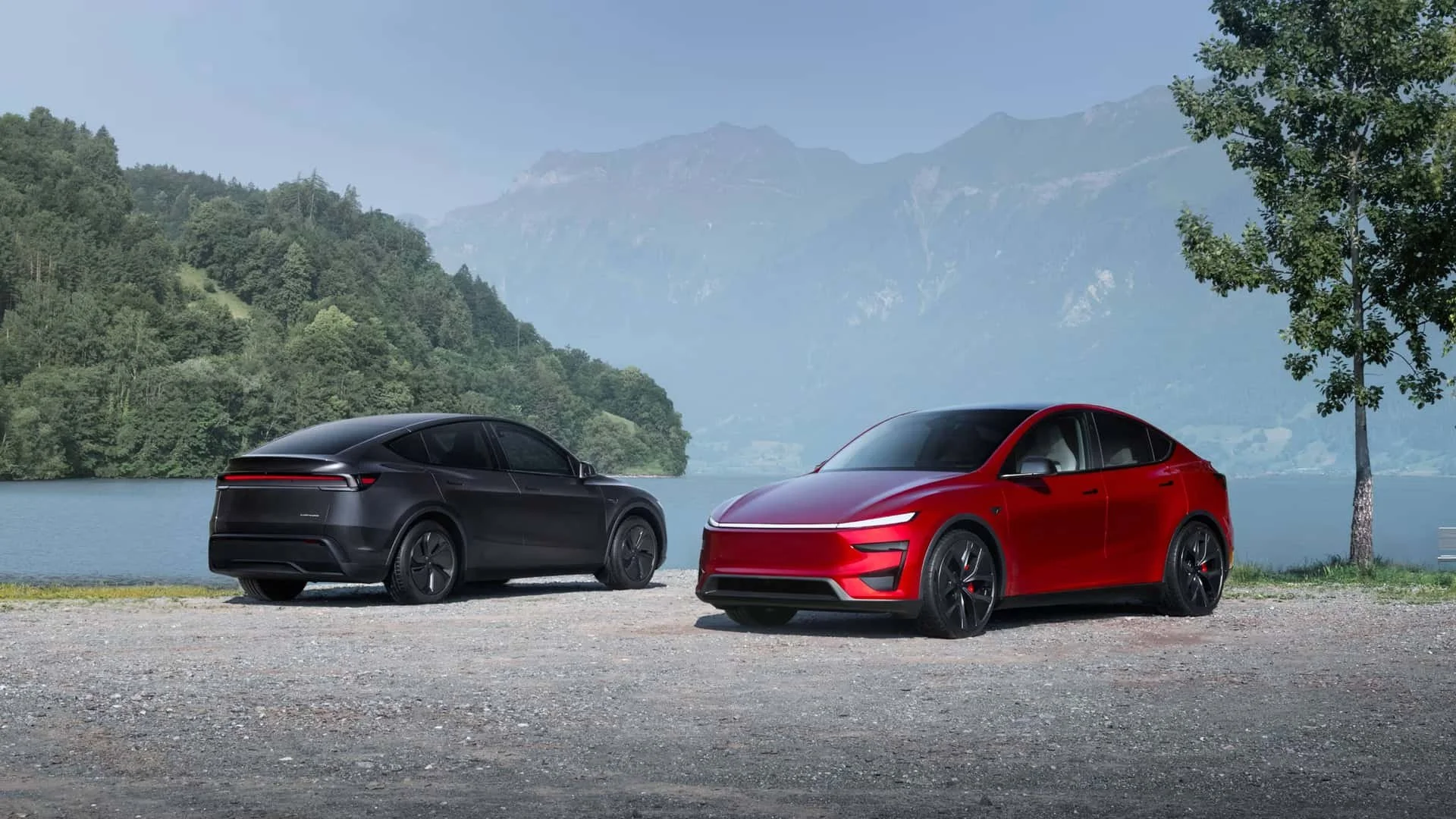
Source: Tesla Press
The Tesla Model 3 Long Range is the most efficient electric car available via salary sacrifice in the UK in 2026, using 18.3 kWh per 100 miles on the WLTP cycle and costing approximately 1.59p per mile at The Charge Scheme's off-peak rate of 7p/kWh. At 8,000 miles per year (the UK average), that equates to around £127 in annual energy costs. It's available through The Electric Car Scheme from £490/month for a 40% taxpayer on a 36-month term, with insurance, servicing, and tyres included. The Nio Onvo L60 leads on raw WLTP efficiency at 17.6 kWh/100mi, but its availability via salary sacrifice is unconfirmed at the time of writing.
Whether you're looking for the lowest cost per mile, the best annual running cost at UK average mileage, or a clear comparison of how electric efficiency translates to real-world savings, this guide covers all ten models with a consolidated efficiency table, real-world figures, and salary sacrifice costs per model. .
The Efficiency Table - All 10 Picks Compared
| Model | WLTP kWh/100mi | Real-world kWh/100mi (est.) | p/mi (Charge Scheme 7p/kWh) | Annual cost @ 8,000mi | gCO₂/km (well-to-wheel) | SS £/month |
|---|---|---|---|---|---|---|
| Nio Onvo L60 | £18 | £22 | 1.52p | ~£122 | £31 | Not confirmed via TECS* |
| Tesla Model 3 Long Range | £18 | £23 | 1.59p | ~£127 | £33 | £490 |
| Lucid Air Pure | £20 | £25 | 1.75p | ~£140 | £36 | Not available in UK† |
| Vauxhall Corsa Long Range | £21 | £26 | 1.79p | ~£143 | £37 | £308.00 |
| Fiat 500e | £20 | £25 | 1.75p | ~£140 | £36 | £380 |
| Kia EV3 (81.4kWh) | £22 | £27 | 1.89p | ~£151 | £39 | [TECS to confirm: £X/month] |
| Tesla Model Y Long Range | £22 | £27 | 1.89p | ~£151 | £39 | £641 |
| Hyundai Ioniq 6 | £23 | £28 | 1.95p | ~£156 | £40 | £396 |
| Mercedes EQS 450+ | £23 | £29 | 2.00p | ~£160 | £41 | £1,365 |
| Lexus RZ 300e | £24 | £29 | 2.06p | ~£165 | £43 | [TECS to confirm: £X/month] |
All figures above assume the UK average annual mileage of 8,000 miles. WLTP figures are official manufacturer figures tested under standardised lab conditions. Real-world figures are estimated based on independent UK testing data and assume mixed driving conditions. Cost per mile uses The Charge Scheme off-peak rate of 7p/kWh. The annual running cost is calculated at 8,000 miles per year at the real-world cost per mile figure. Well-to-wheel CO₂ uses the UK grid average of 233 gCO₂/kWh (DESNZ 2024). Salary sacrifice figures are net monthly costs for a 40% taxpayer on a 36-month, 10,000-mile-per-year term via The Electric Car Scheme.
*Nio Onvo L60: planned for UK launch but not confirmed available through The Electric Car Scheme at time of writing - verify before publishing.
†Lucid Air: not available in the UK. UK launch confirmed for 2027 with the Cosmos model; the Air will not be sold in right-hand drive.
With The Electric Car Scheme salary sacrifice and The Charge Scheme off-peak rate, the Tesla Model 3 Long Range runs at approximately £127 per year in energy costs at 8,000 miles - before the 20–50% salary sacrifice saving on the monthly lease cost. Use the salary sacrifice calculator to see your all-in monthly figure based on your salary.
2026 Update: New Efficient Models to Watch
The electric car market continues to evolve rapidly, with several exciting efficient models launching in 2026 that could reshape this list. Here's what to look out for:
Nissan's Electric Renaissance
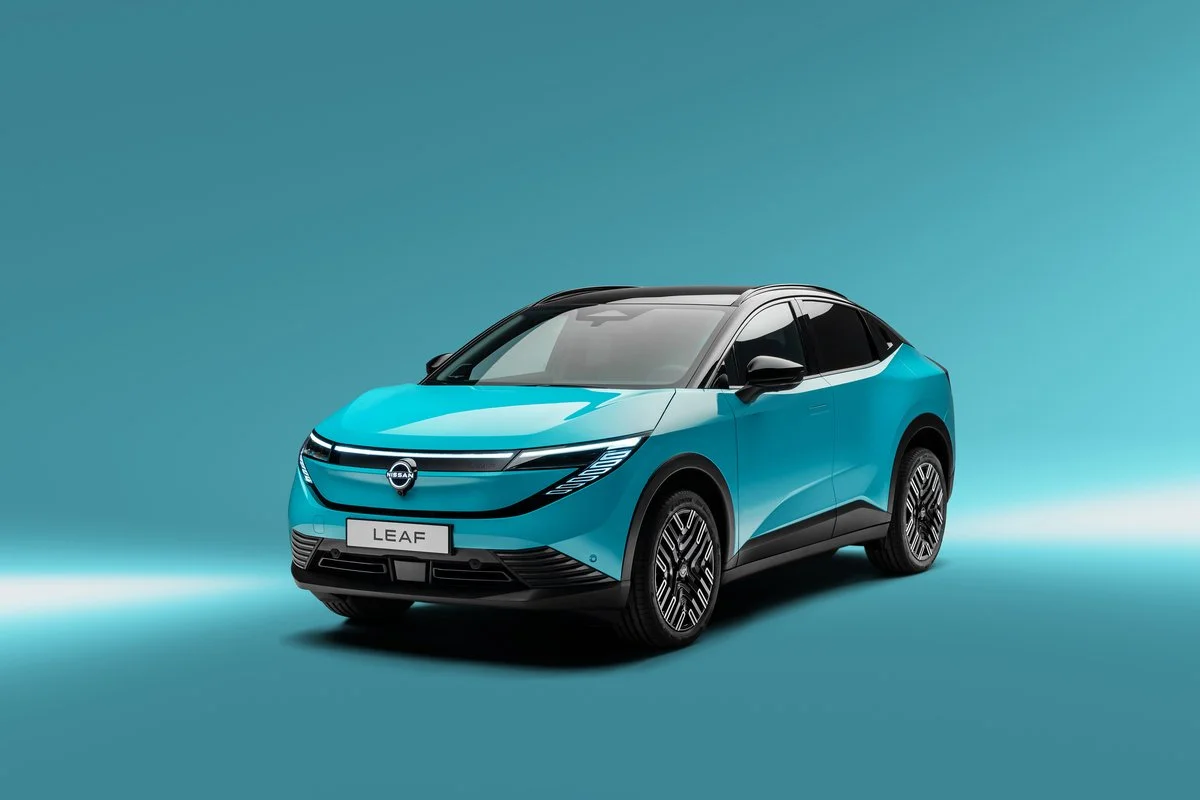
Nissan is making a significant push in the efficiency space with three new models. The all-new electric Nissan Micra, launching in late 2025/early 2026, will offer up to 248 miles of range from its 52kWh battery option – translating to an impressive 4.8 miles per kWh. Built on the same AmpR Small platform as the highly efficient Renault 5 E-Tech, it's designed specifically for European drivers seeking compact efficiency.
Following closely behind, the third-generation Nissan Leaf arrives in 2026 with a complete redesign. While full efficiency figures haven't been released, Nissan has confirmed improved aerodynamics and a more efficient powertrain. The electric Nissan Juke, also launching in 2026, will likely share similar battery options to the Micra, offering crossover practicality without sacrificing efficiency.
Mercedes CLA Electric: Long-Range Leader
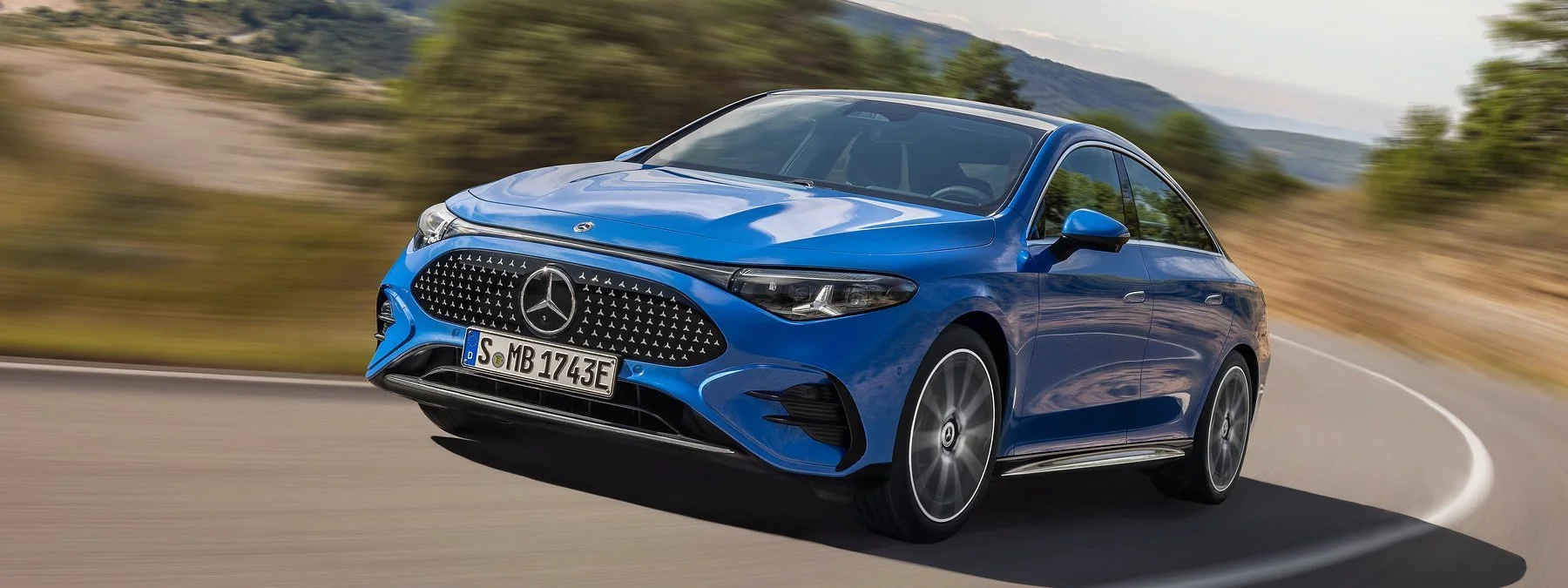
Mercedes-Benz is set to shake up the efficiency rankings with the all-new CLA Electric, boasting an extraordinary 492-mile range. While the exact battery size hasn't been confirmed, early estimates suggest it could achieve around 4.5-5 miles per kWh, potentially securing a spot among the most efficient EVs on the market. Its sleek aerodynamic design and advanced powertrain technology make it one to watch for efficiency-focused drivers.
Toyota's EV Entry
Toyota's first dedicated electric vehicle is expected to launch in 2026, and given Toyota's legendary reputation for efficiency in hybrids, expectations are high. The model will likely prioritise real-world efficiency and practicality, potentially challenging the established players in the efficiency rankings.
Budget-Friendly Efficiency
The sub-£25,000 EV market is expanding with several new efficient options. The Nio Firefly, launching in 2025, brings impressive efficiency to the budget segment, while BYD's continued expansion includes several models with rapid charging capabilities and competitive efficiency figures.
Making Efficient EVs Affordable Through Salary Sacrifice
All these new efficient models will be available through electric car salary sacrifice schemes, allowing UK employees to save 20-50% compared to traditional leasing. With the 2026 Benefit-in-Kind rate remaining at just 4%, there's never been a better time to access efficient technology. Whether you choose the compact Nissan Micra or the long-range Mercedes CLA, The Electric Car Scheme makes these efficient options genuinely affordable through pre-tax salary deductions.
Nio Onvo L60

First on the list, and perhaps the least well-known, is the Nio Onvo L60, launched in the UK in early 2025. At 17.6 kWh/100mi WLTP, the Nio Onvo L60 is the most efficient model in this comparison on official figures - though independent UK real-world testing data is limited given its recent market entry.
The single-motor 60.6kWh variant delivers 345 miles WLTP, equivalent to 5.69 miles per kWh. Its 900V architecture supports ultra-fast charging, and the lack of EU import tariffs gives it a meaningful price advantage over Chinese rivals sold into Europe.
| Make and Model | Range | Battery Size | Efficiency | Estimated Winter Range |
|---|---|---|---|---|
| Nio Onvo L60 | 345 miles | 60.6kWh | 5.6 miles/kWh | 242-276 miles |
We've used the range and battery size of the Nio Onvo L60. To understand efficiency in all of the tables included in this blog, we've used the following calculation: EV range (miles) ÷ kWh battery size = miles per kWh
Tesla Model 3 Long Range

At 18.3 kWh/100mi WLTP - equivalent to 5.47 miles per kWh - the Tesla Model 3 Long Range is the most efficient electric car confirmed available via salary sacrifice in the UK in 2026. Its 79.7kWh battery delivers 436 miles WLTP, and real-world motorway range consistently exceeds most rivals of similar battery size thanks to Tesla's highly optimised drivetrain and aerodynamics. The Supercharger network remains the most reliable rapid charging infrastructure in the UK.
Through The Electric Car Scheme, a 40% taxpayer accesses the Model 3 Long Range from £490/month on a 36-month term, with insurance, servicing, and tyres included. The most efficient electric cars tend to cluster around this efficiency band - anything below 20 kWh/100mi represents class-leading performance.
| Make and Model | Range | Battery Size | Efficiency | Estimated Winter Range |
|---|---|---|---|---|
| Long Range Rear-Wheel Drive Tesla Model 3 | 436 miles | 79.7kWh | 4.5 miles/kWh | 350 miles |
We've used the range and battery size of the Long Range Rear-Wheel Drive Tesla Model 3. To understand efficiency in all of the tables included in this blog, we've used the following calculation: EV range (miles) ÷ kWh battery size = miles per kWh
Lucid Air Pure

At 20.0 kWh/100mi WLTP - 5.0 miles per kWh - the Lucid Air Pure holds the highest MPGe rating ever awarded to a production EV by the EPA at 146 MPGe. Its 84kWh battery delivers 420 miles of EPA-estimated range, and its aerodynamic obsession produces a drag coefficient that rivals purpose-built efficiency prototypes. However, the Lucid Air is not available in the UK.
Lucid has confirmed its UK entry will come in 2027 with the Cosmos, a mid-size SUV on a new platform - the Air will not be produced in right-hand drive. It is therefore not available via salary sacrifice. It remains on this list for benchmark comparison purposes only.
| Make and Model | Range | Battery Size | Efficiency | Estimated Winter Range |
|---|---|---|---|---|
| Lucid Air Pure | 420 miles | 84kWh | 5 miles/kWh | 287-328 miles |
Fiat 500 Electric

At 20.3 kWh/100mi WLTP - equivalent to 4.92 miles per kWh - the Fiat 500e achieves its efficiency through compact dimensions and a lightweight body rather than aerodynamic sophistication. Its 24kWh battery delivers 118 miles WLTP on the standard variant; the 42kWh Long Range version extends this to 203 miles, making it a strong choice for urban and suburban drivers who charge at home nightly.
Running costs are among the lowest of any model here in absolute terms: at The Charge Scheme's off-peak rate of 7p/kWh, a full charge on the 24kWh battery costs £1.68. Through The Electric Car Scheme, a 40% taxpayer accesses the 500e from £380/month, with the full running cost package included.
| Make and Model | Range | Battery Size | Efficiency | Estimated Winter Range |
|---|---|---|---|---|
| Fiat 500e | 118 miles | 24kWh | 4.9 miles/kWh | 83-94 miles |
Vauxhall Corsa Long Range

The Vauxhall Corsa Long Range (At 20.8 kWh/100mi WLTP, equivalent to 4.8 miles per kWh) is the most efficient model in this comparison that's widely available at an accessible monthly salary sacrifice cost. Its 51kWh battery delivers 246 miles WLTP, and the standard-fit heat pump on the Long Range variant maintains efficiency more effectively in cold weather than rivals without one.
At The Charge Scheme's off-peak rate of 7p/kWh, a full charge costs £3.57 - equivalent to approximately 1.79p per mile. Through The Electric Car Scheme, a 40% taxpayer accesses it from £308/month. For drivers whose priority is minimising cost per mile rather than maximising range, the Corsa Long Range represents the strongest value proposition in this list.
| Make and Model | Range | Battery Size | Efficiency | Estimated Winter Range |
|---|---|---|---|---|
| Vauxhall Corsa Long Range | 245 miles | 51kWh | 4.8 miles/kWh | 172-197 miles |
Tesla Model Y Long Range

Source: Tesla Press
The updated Tesla Model Y Long Range combines strong efficiency with SUV practicality, with the equivalent of 4.57 miles per kWh. The 2025 Juniper update brought revised aerodynamics, improved acoustic glass, a rear touchscreen for climate and media control, and a redesigned centre console. The 84.7kWh battery delivers 387 miles WLTP, rechargeable to 80% in around 25 minutes. It's the most practical high-efficiency option in this comparison for families, with 854 litres of boot space in five-seat configuration.
Through The Electric Car Scheme, a 40% taxpayer accesses it for £641/month, with the full running cost package included.
| Make and Model | Range | Battery Size | Efficiency | Estimated Winter Range |
|---|---|---|---|---|
| Tesla Model Y Long Range RWD | 387 miles | 84.7kWh | 4 miles/kWh | 200-236 miles |
Kia EV3

At 21.7 kWh/100mi WLTP - equivalent to 4.6 miles per kWh - the Kia EV3 81.4kWh is a strong efficiency performer for its size.
Two battery options are available: 58.3kWh delivering 270 miles WLTP and 81.4kWh delivering 375 miles WLTP. The larger battery is the more efficient of the two, achieving 4.6 miles per kWh. The EV3 charges from 10–80% in around 31 minutes and includes V2L, V2G, and V2H capabilities as standard. Note that a heat pump isn't standard, which can affect real-world winter efficiency more than rivals that include one. Salary sacrifice pricing via The Electric Car Scheme is £371/month.
| Make and Model | Range | Battery Size | Efficiency | Estimated Winter Range |
|---|---|---|---|---|
| 2025 Kia EV3 | 375 miles | 77.4kWh | 4.41 miles/kWh | 263-300 miles |
Hyundai Ioniq 6

The Hyundai Ioniq 6 achieves its efficiency through a drag coefficient of 0.21, one of the lowest of any production car. Its streamlined Electrified Streamliner body, wheel gap reducers, and active air flap contribute to a 342-mile WLTP range from a 77.4kWh battery. The EPA has recognised it as the most efficient electric vehicle for two consecutive years in the US.
The 800V platform supports 10–80% charging in approximately 18 minutes. Through The Electric Car Scheme, a 40% taxpayer accesses it from £396/month. For EV charging cost-saving tips that compound the Ioniq 6's inherent efficiency advantage, see our dedicated guide.
| Make and Model | Range | Battery Size | Efficiency | Estimated Winter Range |
|---|---|---|---|---|
| Hyundai Ioniq 6 SE | 342 miles | 77.4kWh | 4.41 miles/kWh | 239-274 miles |
Mercedes-Benz EQS

The Mercedes-Benz EQS seamlessly combines luxury and comfort, setting a high standard for electric vehicles in its class. The 2024 model boasts an impressive 118kWh battery, delivering a remarkable range of up to 511 miles on a single charge, making it one of the most efficient options in the luxury EV market.
This exceptional range is matched by the EQS's striking size, measuring over 5.2 meters in length, which adds to its road presence and spacious interior. However, its considerable dimensions make it less ideal for navigating tight city streets, positioning it as a better choice for long-distance journeys or open-road driving where its performance and elegance truly shine.
| Make and Model | Range | Battery Size | Efficiency | Estimated Winter Range |
|---|---|---|---|---|
| Mercedes-Benz EQS 450+ | 511 miles | 118kWh | 4.3 miles/kWh | 358-409 miles |
Lexus RZ 300e

At 24.0 kWh/100mi WLTP - equivalent to 4.16 miles per kWh - the Lexus RZ 300e is the least efficient model in this comparison, though it remains considerably more efficient than any petrol equivalent of similar size. Its 71.4kWh battery delivers 297 miles WLTP, and its single-motor front-wheel-drive configuration gives it a meaningful efficiency advantage over the all-wheel-drive RZ 450e. The RZ 300e stands out for its spacious interior and exceptionally refined ride quality, making it well-suited to long-distance comfort rather than efficiency-first driving. Salary sacrifice pricing via The Electric Car Scheme starts from £493/month.
| Make and Model | Range | Battery Size | Efficiency | Estimated Winter Range |
|---|---|---|---|---|
| Lexus RZ 300e | 297 miles | 71.4kWh | 4.15 miles/kWh | 190-217 miles |
How Efficient Are Electric Cars Compared To Petrol Or Diesel?
Electric vehicles are cleaner, quieter and more efficient than petrol and diesel cars. This is because electric motors are more efficient than combustion engines, converting up to 95% of the energy they draw into power at the wheels, compared to roughly 20-30% for petrol or diesel engines.
By switching to an electric car, you could save up to £1,955 annually on running costs compared to petrol and diesel vehicles, with the exact savings depending on how many miles you drive.
| Annual mileage | Petrol/Diesel cost estimate per year | Electric cost estimate per year | Savings in an EV |
|---|---|---|---|
| 10,000 miles | £1,599 | £622 | £978 |
| 20,000 miles | £3,198 | £1,243 | £1,955 |
The figures above have been taken from Select Car Leasing from their Fuel Cost Calculator.
How Salary Sacrifice Makes Efficient EVs More Affordable
One of the biggest barriers to accessing these highly efficient electric cars is the upfront cost. Through an electric car salary sacrifice scheme, UK employees can significantly reduce these costs.
With the 2026 Benefit-in-Kind rate at just 4%, drivers can save 20-50% on any of the efficient models mentioned above. The scheme allows you to pay for your EV through pre-tax salary, reducing both Income Tax and National Insurance contributions.
For example, a £40,000 efficient electric car could cost you as little as £250-300 per month after tax savings through salary sacrifice, compared to £500+ per month through traditional leasing. This makes owning one of the most efficient EVs in this list more affordable.
Learn more about how salary sacrifice works for electric cars.
The Charge Scheme: Reducing the Cost of Charging Efficient EVs Further
The p/mi figures in the efficiency table above use The Charge Scheme's off-peak rate of 7p/kWh as the reference - already one of the lowest available charging rates in the UK.
With TECS salary sacrifice and The Charge Scheme combined, the Tesla Model 3 Long Range runs at approximately £127 per year in energy costs at 8,000 miles, on top of the 20–50% salary sacrifice saving on the monthly lease. Drivers without home charging typically save around £600 per year through The Charge Scheme; those with home charging save around £300 per year on top of existing off-peak tariff savings. Because The Charge Scheme payments can be bundled into the same salary sacrifice arrangement as the vehicle itself, the charging costs also come from gross salary, attracting the same income tax and National Insurance savings as the car.
How To Optimise Your Electric Car’s Efficiency
To optimise your electric car’s efficiency, you should make sure you’re doing the following:
Maximise Regenerative Braking
Regenerative braking is your EV's built-in efficiency booster, converting braking energy back into usable electricity. While some drivers disable this feature, leaving it on can recapture up to 70% of your braking energy. For best results, use gradual deceleration rather than sudden stops – this maximises the amount of energy your car can recover and store back in the battery.
Reduce the weight of your car
Aerodynamic drag caused by wind resistance can reduce the distance an EV can cover on a single charge. Increased vehicle weight demands more energy for movement, so reducing the vehicle’s weight can enhance overall efficiency and performance.
Turn Off Unnecessary Features
Battery energy is required for heating and cooling a car. If possible, try to minimise unnecessary features. Many EVs offer a pre-conditioning feature that enables you to heat or cool your car while it's plugged in which is a good way of preserving energy.
Keep An Eye On Your Tyres
The range of your electric car can be influenced by the tyre pressure and the size of the alloy wheels you've selected. Low tyre pressure reduces range by increasing tyre resistance to the road. Therefore, to keep your car moving requires more energy.
Finding Your Speed Sweet Spot
Your EV's efficiency drops dramatically at higher speeds due to aerodynamic drag. Most electric vehicles are most efficient between 45-60 mph, with efficiency declining sharply above this range. As an example, driving at 75 mph typically uses about 25% more energy than cruising at 60 mph. For maximum range, try to maintain speeds around 60 mph on motorways whenever practical.
Pre-condition Your EV: Start Your Journey Right
Warm up or cool down your car while it's still plugged in to save valuable battery power. By preconditioning your vehicle's cabin and battery using grid power, you avoid draining your battery for climate control at the start of your journey. Most EVs let you schedule this through their apps – just set it 30 minutes before departure for optimal efficiency.
Introducing electric car salary sacrifice schemes is part of the government’s initiative to create a greener future for the UK. Schemes like ours, at The Electric Car Scheme, are in place to help drivers make the switch to an electric car easier and more cost-effective - and ultimately help reach the UK’s net zero target.
With The Electric Car Scheme, employees can access the most efficient electric cars available through salary sacrifice, saving 20-50% compared to traditional leasing.
With the 2026 Benefit-in-Kind rate at just 4%, it's the most cost-effective way to drive an efficient EV. The company leases the car on an employee's behalf, and in return, the employee pays through their gross salary, maximising tax savings while minimising their carbon footprint.
Ready to Get an Efficient Electric Car? Explore our range of the most efficient electric cars available through salary sacrifice and see how much you could save. Use our EV savings calculator to find out your exact savings based on your salary.
Frequently Asked Questions
What Is the Most Efficient Electric Car in 2026?
The Tesla Model 3 Long Range is the most efficient electric car confirmed available via salary sacrifice in the UK in 2026, using 18.3 kWh per 100 miles WLTP - equivalent to 5.47 miles per kWh. At The Charge Scheme's off-peak rate of 7p/kWh, it costs approximately 1.59p per mile. It's available from £490/month for a 40% taxpayer via The Electric Car Scheme.
How Many kWh Does an Electric Car Use per 100 Miles?
Most mainstream EVs use between 20 and 29 kWh per 100 miles in real-world conditions. The most efficient models - such as the Tesla Model 3 Long Range at 18.3 kWh/100mi and Vauxhall Corsa Long Range at 20.8 kWh/100mi - sit well below that range. Larger SUVs and luxury saloons typically use 25–30 kWh/100mi.
How Much Does It Cost to Run the Most Efficient Electric Car for a Year?
At the UK average of 8,000 miles per year and The Charge Scheme's off-peak rate of 7p/kWh, the Tesla Model 3 Long Range costs approximately £127 per year in energy. That figure assumes home charging at 7p/kWh throughout - public rapid charging at 60–80p/kWh would increase annual costs significantly.
Are Tesla Cars the Most Efficient Electric Cars?
Tesla leads on confirmed UK-available models, with the Model 3 Long Range at 18.3 kWh/100mi WLTP. However, the Nio Onvo L60 edges ahead at 17.6 kWh/100mi if confirmed for UK salary sacrifice availability. The Vauxhall Corsa Long Range and Fiat 500e also outperform several Tesla models on efficiency at significantly lower monthly salary sacrifice costs.
How Does Electric Car Efficiency Compare to Petrol MPG?
A petrol car averaging 40 MPG costs approximately 14–15p per mile at current UK fuel prices of around £1.55/litre. The Tesla Model 3 Long Range costs 1.59p per mile at The Charge Scheme's off-peak 7p/kWh rate - roughly nine times cheaper per mile than a typical petrol equivalent.
Does Efficiency Matter for Salary Sacrifice?
Yes - a more efficient EV reduces monthly Charge Scheme costs, which compounds the overall salary sacrifice saving. The Tesla Model 3 Long Range at 1.59p per mile versus the Mercedes EQS at 2.00p per mile saves approximately £33 per year at 8,000 miles - a small but consistent advantage that grows with mileage.
Are you an employer?
BOOK A DEMOAre you an employee?
SEE AVAILABLE CARSECS GUIDES AND ADVICE
Ready to Go Electric? Your Guides and Tools to a Smooth Switch
-
 How the Scheme Works
Find out how salary sacrifice can work for you or your business.
-
 The Charge Scheme
Save 20-50% on all charging costs through salary sacrifice - at home, the office, or in public..
-
 Complete Employer Protection
All employers and drivers are protected from day 1.
-
 Used Electric Cars
Discover the most affordable way to drive electric. Cars delivered in 14 days.
You Might Also Like…



Last updated: 12/06/2026
Our pricing is based on data collected from The Electric Car Scheme quote tool. All final pricing is inclusive of VAT. All prices above are based on the following lease terms; 10,000 miles pa, 36 months, and are inclusive of Maintenance and Breakdown Cover. The Electric Car Scheme’s terms and conditions apply. All deals are subject to credit approval and availability. All deals are subject to excess mileage and damage charges. Prices are calculated based on the following tax saving assumptions; England & Wales, 40% tax rate. The above prices were calculated using a flat payment profile. The Electric Car Scheme Limited provides services for the administration of your salary sacrifice employee benefits. The Electric Car Scheme Holdings Limited is a member of the BVRLA (10608), is authorised and regulated by the FCA under FRN 968270, is an Appointed Representative of Marshall Management Services Ltd under FRN 667174, and is a credit broker and not a lender or insurance provider.
Copyright and Image Usage: All images used on this website are either licensed for commercial use or used with express permission from the copyright holders, in compliance with UK and EU copyright law. We are committed to respecting intellectual property rights and maintaining full compliance with applicable regulations. If you have any questions or concerns regarding image usage or copyright matters, please contact us at marketing@electriccarscheme.com and we will address them promptly.