Land Rover Electric Cars UK: Range Rover Electric Guide 2026
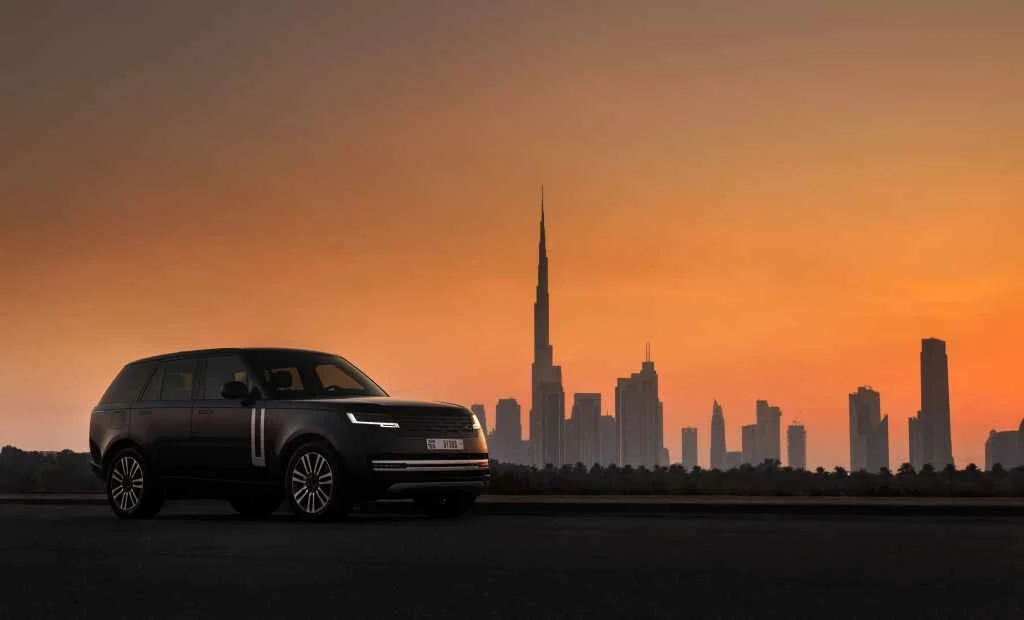
Source: Range Rover Media Centre
Land Rover is bringing its legendary off-road capability into the electric age, and the good news? You don't have to compromise on the luxury and British heritage that's defined the brand for over seven decades. The Range Rover Electric is due to launch early 2026 as their flagship vehicle, followed by the Range Rover Sport Electric, with the Velar Electric (set to arrive in spring 2026).
The transformation is built on dedicated electric architectures - the updated MLA-Flex platform and purpose-built EMA (Electric Modular Architecture). These clever foundations let Land Rover integrate large battery packs and electric drivetrains while keeping everything you love: elevated ride height, air suspension, and genuine go-anywhere capability.
Once available, Land Rover electric cars will offer substantial tax advantages through salary sacrifice with 3% Benefit-in-Kind rates (4% in April 2026). That means you'll get British luxury, impressive off-road credentials, and a tax-efficient way to drive a vehicle that stands apart from conventional premium EVs.
Land Rover Electric Cars Overview & Heritage Evolution
Land Rover started life in 1948, making robust, go-anywhere vehicles for farmers and adventurers. Over the past 75 years, it's evolved into a symbol of British luxury without losing its original DNA. Now, the electric transformation is honouring that heritage - proving you can have zero emissions without compromising on terrain ability or refinement.
This platform transition marks Land Rover's biggest technical shift. The MLA-Flex architecture - already used in the current Range Rover and Range Rover Sport hybrids - has been adapted for full electrification. Meanwhile, the EMA (Electric Modular Architecture) is arriving as a purpose-built electric foundation for future models, including the Velar Electric.
What does this mean for you? Better battery placement (low and central for balanced weight distribution), clever thermal management that handles extreme temperatures, more flexible interior space, and integrated software that makes everything work seamlessly. The message is simple: "electric, but still a Land Rover."
Land Rover's Luxury Electric Strategy
Reimagine & Net Zero Ambitions
Jaguar Land Rover's Reimagine strategy commits to net zero across everything - products, operations, and supply chains - by 2039. This isn't just about zero tailpipe emissions. It includes reducing carbon in manufacturing, sourcing sustainable materials responsibly, optimising logistics, and creating proper end-of-life recycling programmes.
UK Manufacturing & Flagship Rollout
JLR is investing significantly in UK production facilities (investing £500 million in Merseyside, for example), bringing in battery assembly capabilities and EV-specific manufacturing infrastructure. Local production means less dependency on global supply chains and supports British manufacturing expertise, reinforcing Land Rover's identity as a genuinely British luxury brand going electric.
Rather than flooding the market with multiple models at once, Land Rover is taking a sensible approach. The Range Rover Electric debuts first, proving the technology works brilliantly before bringing those innovations to the Sport, Velar, and broader range. This way, when you get your Land Rover EV, you're getting a thoroughly developed vehicle, not a rushed experiment.
What Sets Land Rover Apart
In an increasingly crowded luxury EV market, Land Rover has some clear advantages: bespoke craftsmanship with extensive personalisation options, exceptionally quiet cabins made even better by EV silence, genuine multi-terrain capability that no other luxury electric SUV can match, and distinctive British design heritage. Simply put, you can go electric without giving up what makes a Land Rover special.
Range Rover Electric Models
Range Rover Electric: The Flagship
Expected to start from £130,000
The Range Rover Electric is Land Rover's first full battery-electric model. Originally expected in 2025, the Range Rover Electric will now launch in 2026 to allow more time for testing and for demand, according to The Guardian.
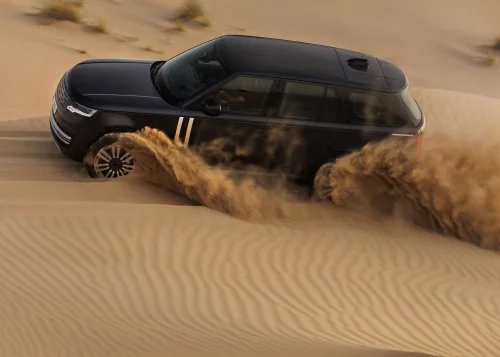
What you get:
Powertrain: Dual electric motors (one per axle) delivering all-wheel drive with approximately 540hp
Battery: 118kWh usable capacity with clever thermal management
Charging: 800-volt architecture means 10-80% rapid charging in approximately 20 minutes when you find suitable infrastructure; 22kW AC charging for destination stops; 7kW home charging overnight
Range: Over 300 miles in real-world conditions
Design: The classic Range Rover look you recognise, with subtle aerodynamic improvements
Versions: Standard wheelbase launches first, with long-wheelbase following
Capability That Actually Improves
The electric Range Rover keeps everything that defines the model: high ground clearance for tackling obstacles, adaptive air suspension that adjusts ride height, four-wheel steering for tight manoeuvres, torque vectoring for optimal traction, and the comprehensive Terrain Response system.

“The first time I went into the design studio to see it, I said, “it’s the same thing”. The guys said, “yes, it’s a Range Rover". People love this car, so why would we make it different? It’s difficult to make something better that’s already timeless.”
Thomas Müller’s response when asked, “Were you ever concerned the Range Rover BEV looks so similar to the ICE car” in a Top Gear Interview earlier this year.
Image source: JLR Media Centre
Here's what's interesting - instant electric torque actually makes low-speed technical terrain easier. Rock crawling, steep climbs, and precise manoeuvring all benefit from immediate power response without waiting for gear changes.
The cabin experience gets even better with EV architecture. You get a near-silent cabin, virtually no mechanical vibration, and that serene environment Range Rover is famous for becomes even more pronounced. Premium materials, ambient lighting, bespoke personalisation options, and luxury appointments all carry forward, with sustainability-focused materials integrated throughout.
Range Rover Sport Electric
Following the flagship, the Range Rover Sport Electric will bring zero-emission driving to Land Rover's more dynamic, performance-focused luxury SUV. It's expected to arrive relatively soon after the Range Rover Electric.

Image source: Land Rover Media
What to Expect:
Power: Around 540-550hp from dual-motor all-wheel drive
Dynamics: Sharper focus on driving engagement through adaptive suspension and dynamic handling setup
Capability: Full off-road modes, though perhaps with slightly less extreme terrain focus than the flagship
Range: Competitive with other luxury electric SUVs
For UK buyers exploring salary sacrifice options, the Sport Electric will hit a sweet spot once it's available - you'll get dynamic road presence, genuine off-road capability, and favourable company car tax treatment all in one package.
Future Land Rover EVs
Range Rover Velar Electric (Expected 2026)
The Range Rover Velar Electric is expected to arrive in the UK in 2026 as the first Land Rover built on the new EMA platform from the ground up. This matters because purpose-built EV platforms always work better than ones that have been adapted.
What Makes It Special:
Platform Benefits: Superior packaging efficiency, lighter weight, more flexible battery layouts, and potentially faster charging - possibly up to 350kW DC
Fresh Design: More futuristic styling that takes advantage of EV-specific design freedom
Market Position: Places it alongside the Porsche Macan Electric, Audi Q8 e-tron, BMW iX3, and Tesla Model X
Capability: Still gets elevated ride height, selectable terrain modes, and sufficient ground clearance for adventure, though perhaps less extreme than the flagship Range Rover
After Velar, more models transition to electric platforms, including an Evoque successor, keeping Land Rover on track for full electrification by 2030.
Land Rover Hybrid Range (2026)
Not quite ready to go fully electric? Land Rover’s plug-in hybrid (PHEV) range offers a brilliant middle ground - giving drivers the flexibility of electric driving for everyday journeys, with petrol power in reserve for longer trips. It’s a smart, low-emission bridge to Land Rover’s all-electric future.
Here’s a look at the hybrid models available across the Land Rover family in 2026.
Range Rover Electric Hybrid (P460e / P550e)
The flagship Range Rover hybrid combines quiet, all-electric refinement with effortless petrol performance. With an electric-only range of up to 73 miles (WLTP), you can complete most commutes in EV mode before switching seamlessly to petrol power for long distances.
Specifications:
Battery: 38.2 kWh
Power: 460–550 hp (depending on specification)
Charging: Up to 50 kW DC (10–80% in about 30 minutes)
Range: Up to 73 miles electric (WLTP)
Available Trims: HSE, Autobiography, SV
It’s every inch a Range Rover: whisper-quiet, commanding to drive, and still capable off-road. For many, it’s the most luxurious way to experience electrification without committing to a pure EV just yet.
Range Rover Sport Electric Hybrid (P460e)
If you prefer a sharper, more athletic SUV, the Range Rover Sport Electric Hybrid delivers the same plug-in powertrain with a more dynamic feel.
Specifications:
Battery: 38.2 kWh
Power: 460 hp
Electric Range: Up to 70 miles (WLTP)
Charging: 50 kW DC / 7 kW AC
This is for drivers who want performance with purpose. The Sport hybrid feels more agile yet still manages school runs, motorway drives, and off-road weekends in quiet comfort.
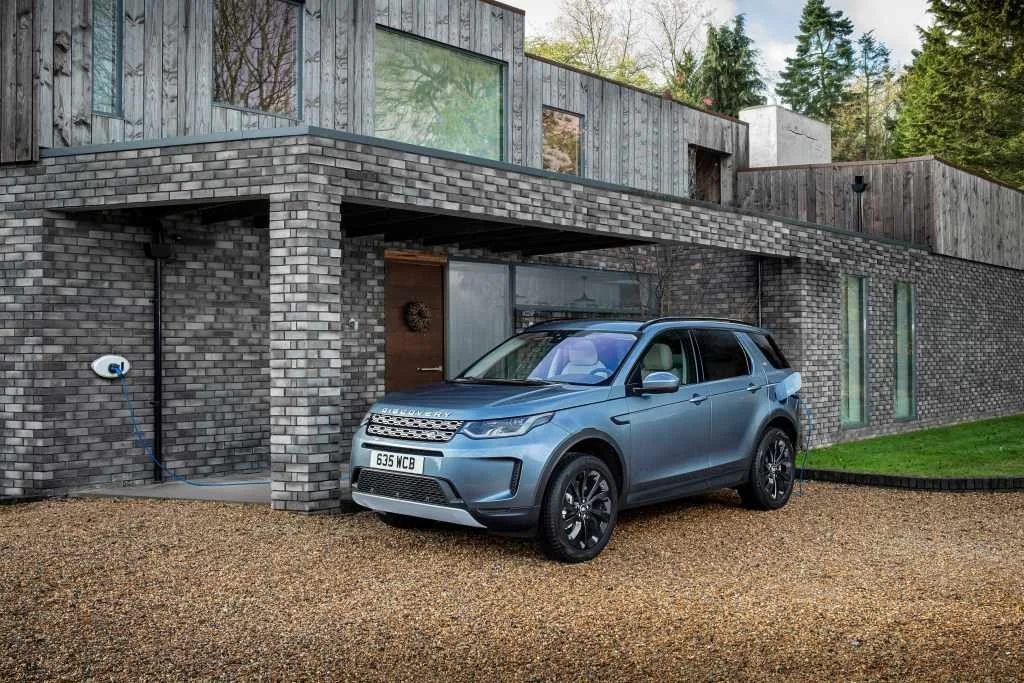
Discovery Sport Electric Hybrid (P300e)
Family practicality meets electric efficiency. The Discovery Sport PHEV gives you all the space, comfort, and versatility you’d expect from a Land Rover, now with a 37-mile electric range.
Specifications:
Battery: 14.9 kWh
Power: 309 hp
Electric Range: Up to 37 miles (WLTP)
Charging: 7 kW AC / up to 32 kW DC
Image source: Land Rover Media
This car is ideal for busy families and fleets alike. The Discovery Sport P300e keeps running costs low while offering genuine Land Rover capability, making it perfect for mixed driving and weekend escapes.
Defender Electric Hybrid (P400e)
Adventure goes electric. The Defender P400e retains its legendary toughness, pairing rugged design with hybrid versatility.
Battery: 19.2 kWh
Power: 404 hp
Electric Range: Around 30 miles (WLTP)
Charging: 7 kW AC / 32 kW DC
Whether it’s the school run or a muddy trail, the Defender PHEV delivers power, range, and refinement. It’s proof that hybrid tech can be every bit as capable as the traditional Land Rover DNA it builds upon.
Choosing the Right Land Rover Hybrid
From the luxury of the Range Rover Autobiography to the adventure-ready Defender, Land Rover’s hybrid range proves that you can reduce emissions without giving up capability, comfort, or craftsmanship.
Better still, you can lease hybrids through The Electric Car Scheme, giving you a simple, tax-efficient way to drive a premium electrified SUV. While hybrids don’t qualify for the ultra-low Benefit-in-Kind rates that apply to full EVs, salary sacrifice still helps you save by paying from your gross salary, reducing income tax and National Insurance contributions.
Land Rover Electric Technology & Capability
Battery & Charging
The flagship Range Rover Electric's 118kWh battery is one of the largest in the luxury SUV segment, which means genuine long-distance capability without constant charging anxiety. The 800-volt architecture (the same advanced system used in Porsche Taycan and Audi e-tron GT) allows for impressively quick charging when you find suitable infrastructure.
Your charging options cover different scenarios: rapid DC charging (10-80% in approximately 20 minutes) for long journeys; 22kW AC for destination charging at hotels or while you're having dinner; 7kW home charging that tops you up overnight. The advanced thermal management system cleverly balances cabin comfort, battery efficiency, and range optimisation, with an integrated heat pump as standard to handle everything from freezing cold to extreme heat.
Chassis & Dynamics
The twin-chamber air suspension system gives you variable ride height - high for off-road obstacles, low for motorway efficiency. Four-wheel steering makes urban parking easier whilst improving high-speed stability. Torque vectoring distributes power intelligently between individual wheels, giving you better control whether you're on tarmac or traversing challenging terrain.
Here's where EV packaging really helps: the battery sits low and central, which significantly lowers the centre of gravity compared to traditional engines. This means better handling, less body roll, and a more composed ride. The underbody gets reinforced protection to shield the battery when you're tackling rocks, stumps, or uneven terrain.
Real-World Performance
Instant electric torque genuinely transforms off-road driving. Rock crawling, steep ascents, and precise low-speed manoeuvring all become easier because power arrives immediately—no clutch engagement, no gear hunting, just smooth, controlled progress. Arctic testing programmes have validated cold-weather capability, with robust thermal management keeping everything working properly even in extreme conditions.
Real-world conditions - towing, challenging terrain, sustained motorway speeds - will still affect range more than official testing suggests. Land Rover recognises this and engineers accordingly with efficient regenerative braking, intelligent energy management, and robust thermal systems.
Luxury Electric Off-Road Innovation
Terrain Response Evolution
Land Rover's legendary Terrain Response system has been intelligently adapted for electric driving. It manages regenerative braking strength, traction control intervention, and battery energy strategy across different surfaces - sand, rock, snow, mud, and general terrain. The system automatically adjusts multiple parameters simultaneously, keeping that "just works" off-road capability Land Rover's famous for.
Adaptive Capability
Electric Range Rover models keep high ground clearance for off-road work (up to 296mm on the flagship), automatically lowering at motorway speeds to reduce drag and improve efficiency, then raising again when sensors detect rough terrain ahead. The combination of silent electric power, precise low-speed control, and advanced suspension creates a more connected off-road experience—you can actually hear the tyres finding grip and the suspension working.
Sustainable Materials
British luxury doesn't mean ignoring environmental impact. Land Rover incorporates recycled plastics in structural components, sustainable leather alternatives, reclaimed wood trim options, and low-VOC (volatile organic compound) finishes throughout the cabin. You get luxury that aligns with environmental responsibility without compromising on the quality you can see and touch.
Land Rover Electric Car Salary Sacrifice Benefits


Image source: Land Rover Media
Benefit-in-Kind Tax Makes Premium EVs Accessible
Pure electric vehicles qualify for 4% BiK for the 2026/7 tax year. That's rising gradually to 5% in 2027/28, then 2% annually until reaching 9% by 2029/30. Compare that with petrol or diesel vehicles taxed at up to 37%, and you can see why now is a great time to make the switch.
Once available through EV salary sacrifice, you can save every month compared to buying privately. The costs come from your pre-tax salary, which means significant savings. Combined with zero fuel duty and lower running costs, premium EVs become financially competitive with mid-range petrol or diesel models when you compare actual monthly costs.
Everything Bundled Into One Simple Payment
An added benefit of salary sacrifice is that you can choose to bundle comprehensive coverage into your monthly payment, which means no unexpected bills:
Scheduled maintenance, servicing, and consumables
Fully comprehensive insurance (including business use where applicable)
Replacement tyres when they wear out
24/7 breakdown assistance
Annual road tax (currently £10 first year, then £195 annually for EVs)
You can even choose to salary sacrifice your EV charging through The Charge Scheme!
It's straightforward, predictable, and removes the hassle of managing separate policies and service schedules.
Benefits for Your Employer
Companies offering Land Rover electric cars through salary sacrifice gain multiple advantages. They pay reduced National Insurance contributions on the sacrificed salary portions, lower their fleet emissions for ESG targets and sustainability reporting, enhance their employee benefits package (which helps with recruitment and retention), and simplify fleet management through partnerships with lease providers.
Important Considerations
Whilst salary sacrifice delivers substantial advantages, there are a few factors worth thinking through carefully:
Monthly Salary Impact
Despite the tax efficiencies, Range Rover models have high list prices, so your monthly salary deduction will be substantial. Use a salary sacrifice calculator to model your personal net income impact before committing - make sure you're comfortable with the monthly amount.
Charging Setup
Think about your home charging situation. Do you have dedicated parking? Is there electrical capacity for a home charger? Also consider the public charging network accessibility for your typical journeys. Most of your charging will happen at home overnight, but knowing your options for longer trips matters.
Contract Length
Typical salary sacrifice terms span 3-4 years. Make sure you're comfortable with this commitment period and understand what happens if your circumstances change. Most providers, like The Electric Car Scheme, offer early termination protection, but it's worth understanding the specifics.
Residual Values
Early-generation luxury EVs may depreciate differently than petrol or diesel equivalents. The good news is that salary sacrifice programmes protect you from this risk - you simply hand the vehicle back at the end of the term without worrying about its value.
Once Land Rover's electric vehicles officially launch, they'll be available through salary sacrifice schemes. Ready to explore how salary sacrifice works? Visit our instant quote tool to see potential savings on current electric vehicles.
Are you an employer?
BOOK A DEMOAre you an employee?
SEE AVAILABLE CARSECS GUIDES AND ADVICE
Ready to Go Electric? Your Guides and Tools to a Smooth Switch
-
 How the Scheme Works
Find out how salary sacrifice can work for you or your business.
-
 The Charge Scheme
Save 20-50% on all charging costs through salary sacrifice - at home, the office, or in public..
-
 Complete Employer Protection
All employers and drivers are protected from day 1.
-
 Used Electric Cars
Discover the most affordable way to drive electric. Cars delivered in 14 days.
You might also like…

Last updated: 05/11/2025
Our pricing is based on data collected from The Electric Car Scheme quote tool. All final pricing is inclusive of VAT. All prices above are based on the following lease terms; 10,000 miles pa, 36 months, and are inclusive of Maintenance and Breakdown Cover. The Electric Car Scheme’s terms and conditions apply. All deals are subject to credit approval and availability. All deals are subject to excess mileage and damage charges. Prices are calculated based on the following tax saving assumptions; England & Wales, 40% tax rate. The above prices were calculated using a flat payment profile. The Electric Car Scheme Limited provides services for the administration of your salary sacrifice employee benefits. The Electric Car Scheme Holdings Limited is a member of the BVRLA (10608), is authorised and regulated by the FCA under FRN 968270, is an Appointed Representative of Marshall Management Services Ltd under FRN 667174, and is a credit broker and not a lender or insurance provider.
Copyright and Image Usage: All images used on this website are either licensed for commercial use or used with express permission from the copyright holders, in compliance with UK and EU copyright law. We are committed to respecting intellectual property rights and maintaining full compliance with applicable regulations. If you have any questions or concerns regarding image usage or copyright matters, please contact us at marketing@electriccarscheme.com and we will address them promptly.