Mini Aceman Review 2026: Is the Cutest Small Electric SUV Worth It?

All photos in this article have been taken from BMW Press
The Mini Aceman is worth it for anyone who wants small-SUV practicality without losing Mini's hatchback character, provided its WLTP combined range of up to 252 miles fits their driving pattern. Prices start from £28,905 on the road, around £2,000 more than the three-door Mini Cooper Electric, in exchange for two extra doors and a genuinely usable boot. The 4% benefit-in-kind rate for the 2026/27 tax year means employees typically pay 20-50% less than a personal lease, which makes the cutest EV in Mini's line-up considerably easier to justify.
This review covers the Aceman's design, real-world range, trim levels, and pricing. We’ll also compare the Aceman with the Mini Cooper Electric (which is the comparison most of us want to understand). It closes with a worked example of what the Aceman costs through a salary sacrifice scheme, like The Electric Car Scheme, so you can weigh the numbers rather than the styling alone.
What Does The Mini Aceman Have To Offer?
The Aceman is Mini's first purpose-built electric crossover, sitting between the compact Cooper Electric and the larger Countryman Electric in size, price, and practicality. It doesn't out-range or out-carry the class leaders. Buyers choose the Aceman for its go-kart handling, its distinctive circular infotainment display, and its five-door usability, none of which show up in a spec sheet comparison with a small electric SUV like the Kia EV3 or Volvo EX30.
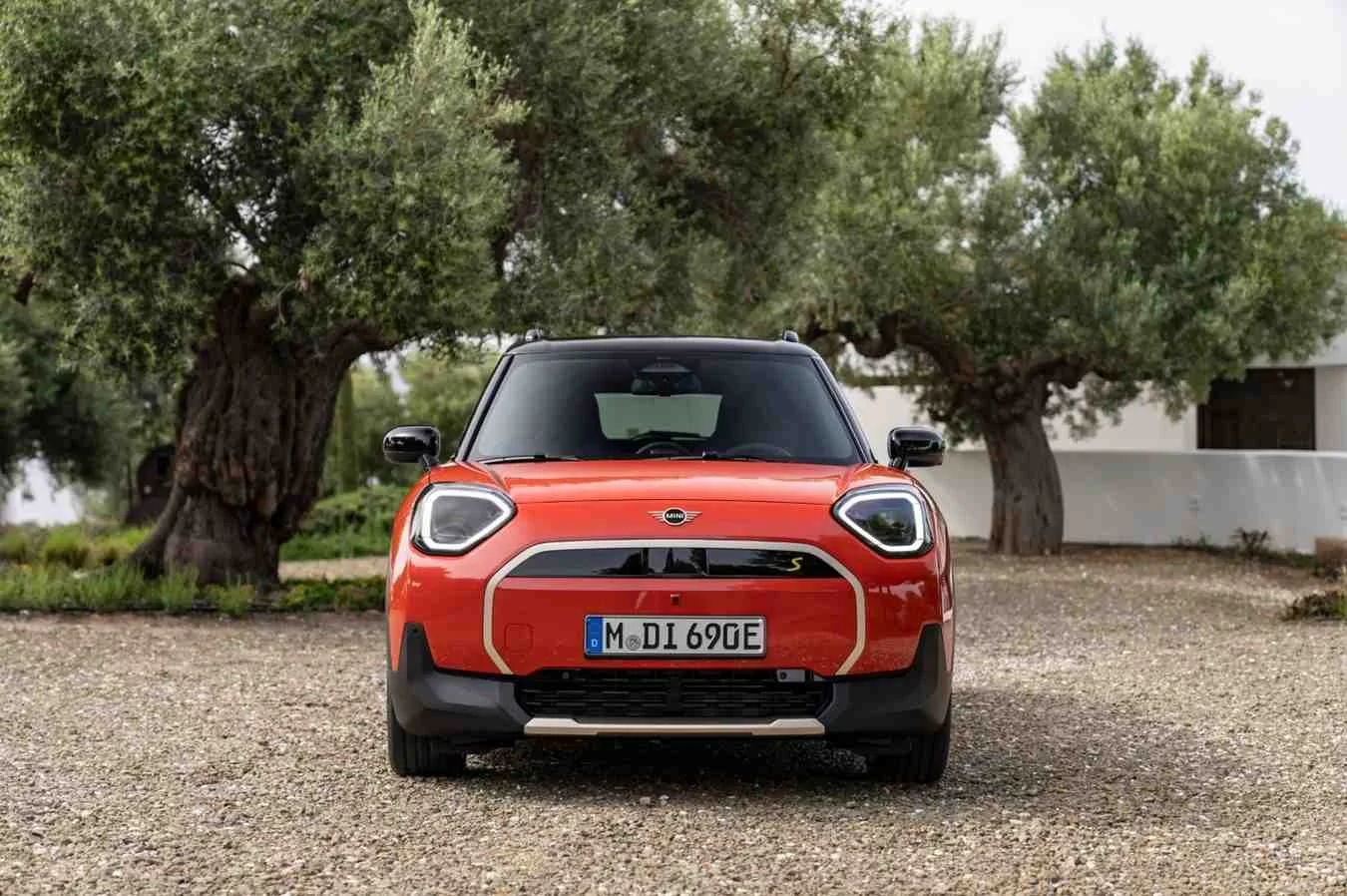
Unfortunately, where the Aceman loses ground is in relation to its charging speed and rear-seat space. Its maximum DC rate tops out at 95kW on the SE, which is modest next to rivals capable of well over double that, and the back seats are tight for adults on longer trips.
If your priority is maximum range or a spacious family SUV, this isn't the car for you. If your priority is character, practicality for city and weekend use, and a five-door alternative to the Cooper Electric, it's a strong case.
Design And Character
The Aceman looks exactly like what it is: a stretched, five-door take on the Mini Cooper hatchback with SUV-styled cladding and a slightly raised stance. It shares its platform and drivetrain with the electric Cooper, meaning the driving experience carries over almost entirely, including the sharp steering, firm ride, and instant torque that Mini's electric cars are known for.
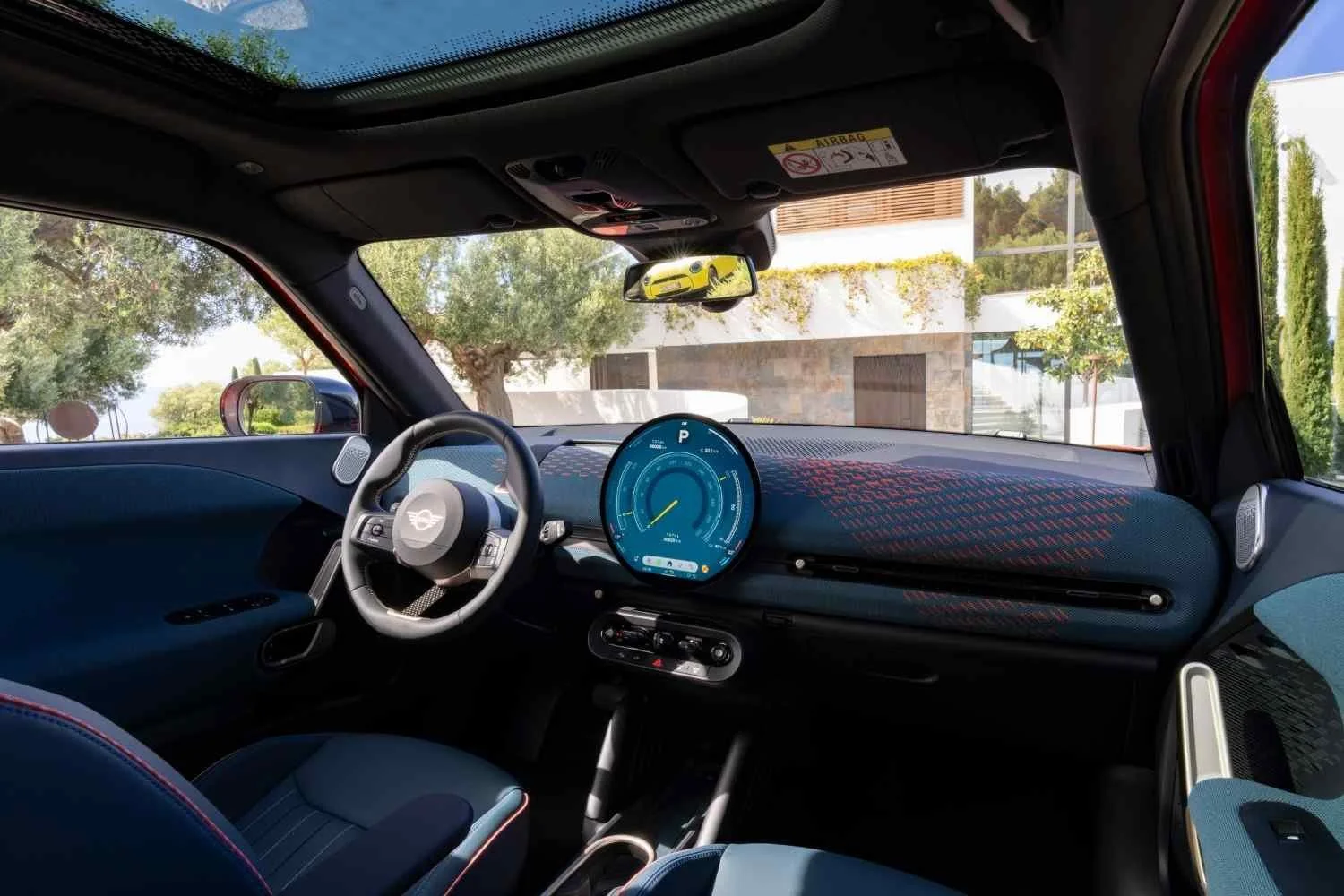
Inside, the cabin is built around Mini's 240mm circular OLED display, which handles infotainment, driver information, and climate control in one unit. Higher trims add a head-up display, Harman Kardon sound system, and a panoramic sunroof, while every version gets woven fabric trim rather than the harder plastics used by some small-SUV alternatives. The ride is firm across all three versions, a known trade-off for the go-kart handling Mini buyers expect, and worth experiencing on a test drive before committing to a longer salary sacrifice term.
What Is The Mini Aceman’s Battery, Range & Charging Like?
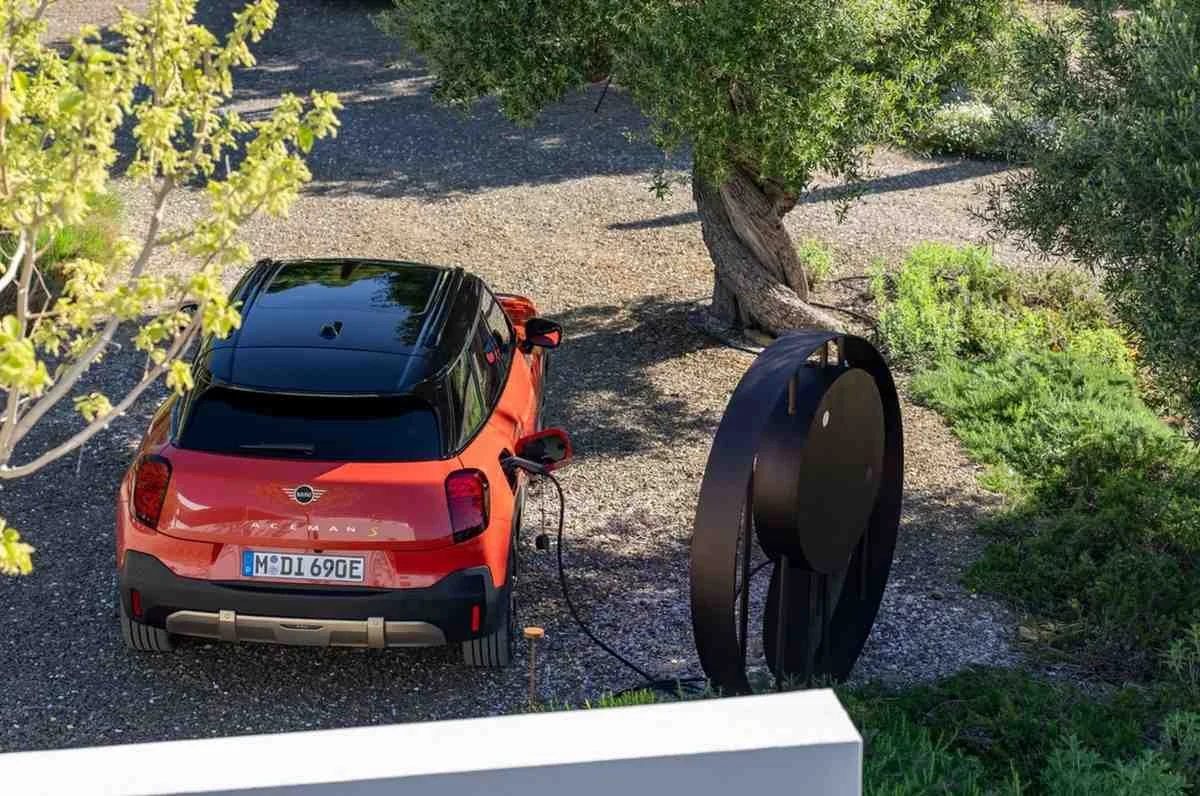
Mini's official figures put the Aceman's WLTP combined range at 185 to 252 miles, depending on trim and battery size, with an efficiency of 3.8 to 4.4 miles per kWh. The breakdown by version is more useful than the headline range alone:
Aceman E: 38.5kWh battery, up to 192 miles WLTP range, 70kW maximum DC charging.
Aceman SE: 49.2kWh battery, up to 252 miles WLTP range, 95kW maximum DC charging.
Aceman JCW: larger battery pack, up to 243 miles WLTP range, faster acceleration at the cost of some range.
A 10-80% rapid charge takes around 30 minutes on the SE and closer to 40 minutes on the entry-level E, both slower than newer small EVs with 150kW-plus charging. Home charging on a 7kW wallbox takes roughly six to eight hours, depending on the battery fitted. Real-world range typically sits below the WLTP figure once cold weather, motorway speeds, or a fully loaded car are factored in, so anyone doing regular long motorway runs should budget for meaningfully less than the quoted maximum.
Price And Trim Levels
Mini's official on-the-road starting price for the Aceman is £28,905, rising sharply once you move up through the range and add options. The Mini Aceman price in the UK is set centrally by Mini rather than by individual retailers, so the figures below apply nationwide before any dealer discount or salary sacrifice saving is factored in. The car is sold in three main versions, E, SE, and JCW, each available across Classic, Exclusive, and Sport trims, and there is also a Monochrome special edition from £29,360 OTR.
| Version | From Price (OTR) | WLTP Range | Power | Battery |
|---|---|---|---|---|
| Aceman E | £28,905 | Up to 192 miles | 135kW (184PS) | 38.5kWh |
| Aceman SE | From around £36,300 | Up to 252 miles | 160kW (218PS) | 49.2kWh |
| Aceman JCW | From around £40,800 | Up to 243 miles | 190kW (258PS) | 54.2kWh |
The SE and JCW starting prices above are third-party retailer figures rather than Mini's own published trim-by-trim price list, so treat them as indicative until confirmed against Mini's current price list at build. The E figure and the £28,905 headline price are both from Mini's official UK site.
For most buyers, the SE strikes the best balance of range and cost. The E is genuinely more affordable, but its 192-mile WLTP range is the weakest in the class, and the JCW trades some range for performance that most Aceman buyers won't use daily.
What’s It Like To Live With The Aceman Day-To-Day?
The Aceman's boot holds around 300 litres with the seats up, expanding to as much as 1,005 litres with the rear seats folded flat. That's usable for a weekly shop or a couple of cabin bags, but roomier rivals such as the Kia EV3 offer more space for family use. Rear legroom is also pretty tight, and the middle rear seat is best treated as occasional rather than everyday
Where the Aceman earns its keep is everything outside the tape measure. It's genuinely fun to drive, with the same eager steering and instant torque that make the smaller Cooper Electric so likeable, and the five doors solve the biggest practical objection to that car.
It's a good fit for city-based professionals, couples, or small families who need occasional extra seats rather than permanent ones, and it slots neatly alongside other small electric SUV options that prioritise design over cargo capacity.
Mini Aceman vs Mini Cooper
This is the comparison most UK buyers are actually trying to make, since the two cars share a platform, a drivetrain, and most of their interior. The Cooper Electric is cheaper, smaller, and marginally more efficient. The Aceman costs more but adds two doors, a bigger boot, and a bit more usable space in the back, all for a genuine price difference of around £2,000 at the entry level.
| Spec | Mini Aceman | Mini Cooper Electric |
|---|---|---|
| From Price (OTR) | £28,905 | £26,905 |
| WLTP Range | 185-252 miles | 179-250 miles |
| Doors | 5 | 3 |
| Boot Space (Seats Up) | Around 300 litres | Around 210 litres |
| Efficiency | 3.8-4.4 mi/kWh | 4.0-4.5 mi/kWh |

The Cooper Electric's boot and range figures above are drawn from independent reviewer testing rather than Mini's own published litre figure, so treat the boot comparison as indicative rather than exact. In practice, choose the Cooper Electric if you want the purest, most efficient version of Mini's electric hatchback and never need rear doors.
Choose the Aceman if the extra doors and boot space would actually get used, since the running cost difference between thewo is small next to the day-to-day usability gap.
Mini Aceman Salary Sacrifice: What It Costs
Electric car salary sacrifice works by deducting the cost of the car from an employee's gross salary before tax and National Insurance are calculated, in exchange for a small benefit-in-kind charge. For the Aceman, that charge is calculated as follows:
2026/27 benefit-in-kind rate for zero-emission vehicles: 4%.
Applied to the car's official P11D value, not the monthly lease cost.
Paid through PAYE alongside income tax, rather than as a separate bill.
Compared with a 37% maximum BiK rate on the highest-emission petrol or diesel equivalents.
The table below shows why the same car costs different people different amounts under salary sacrifice. The average monthly sacrifice barely moves across the three salaries, sitting between £479 and £498, but the net cost falls as income rises, from £374 a month for a basic rate taxpayer down to £275 for an additional rate taxpayer. That's because income tax savings grow faster than the benefit-in-kind charge does, even though National Insurance savings shrink sharply above the basic rate threshold.
The additional rate taxpayer pays the highest benefit-in-kind charge of the three, £97 over the term against £29 for the basic rate taxpayer, but still ends up with the lowest net cost because their income tax saving of £270 more than offsets it. In short, the Aceman gets relatively cheaper the higher a taxpayer's income, which is the opposite of how most car finance works.
| Cost Element | Basic Rate Taxpayer (£40,000) | Higher Rate Taxpayer (£70,000) | Additional Rate Taxpayer (£125,140) |
|---|---|---|---|
| Average Monthly Salary Sacrifice (inc VAT) | £479 | £483 | £498 |
| Employee Income Tax Savings | -£96 | -£193 | -£270 |
| Employee National Insurance Savings | -£38 | -£10 | -£9 |
| Average Benefit-in-Kind Tax Over Term | £29 | £57 | £97 |
| Net Cost / You Pay | £374 | £338 | £275 |

“The Aceman gives Mini buyers the practicality the Cooper Electric can't, without losing the character. It suits city-based drivers and small families who want a five-door Mini for weekends away as much as daily commutes, and salary sacrifice bundles the car, insurance, servicing, and breakdown cover into one monthly price." Gaurav Ahluwalia, Director of Marketing, The Electric Car Scheme
If the Aceman is on your shortlist, it's worth comparing it against other honest salary sacrifice car reviews before deciding, since range, trim, and P11D value all move the final monthly figure more than the headline OTR price suggests. The Electric Car Scheme holds a 4.8 TrustScore on Trustpilot with 97% of customers recommending the service. We also won Best Salary Sacrifice Broker at the Broker News Awards 2026, and we continue to maintain our status as an award-winning B Corp.
Frequently Asked Questions: Hyundai Inster
Is The Mini Aceman Worth It?
Yes, for buyers who value design, drivability, and five-door practicality over maximum range or boot space. It doesn't lead its class on either of those measures, but it's rarely bought for spreadsheet reasons, and few small electric SUVs match its character or interior quality.
Mini Aceman Vs Cooper Electric: Which Should You Choose?
Choose the Cooper Electric if you want the cheapest, most efficient version of Mini's electric hatchback and don't need rear doors. Choose the Aceman if the extra doors and larger boot would get used, since the price difference is small next to the practicality gap.
Can You Salary Sacrifice A Mini?
Yes. The Mini Aceman, Cooper Electric, and Countryman Electric are all eligible for electric car salary sacrifice through The Electric Car Scheme, subject to your employer offering the scheme and the car's availability at quote. The 4% benefit-in-kind rate for 2026/27 applies to all of them as zero-emission vehicles.
What Is The Mini Aceman's Range?
As a mini electric car built for city and commuter use rather than long-haul motorway driving, the Aceman's WLTP combined range spans 185 to 252 miles depending on trim, with the entry-level E managing up to 192 miles and the longer-range SE reaching up to 252 miles. The Mini Aceman range shortens in cold weather or at motorway speeds, so treat the WLTP figure as a best-case number rather than a daily guarantee.
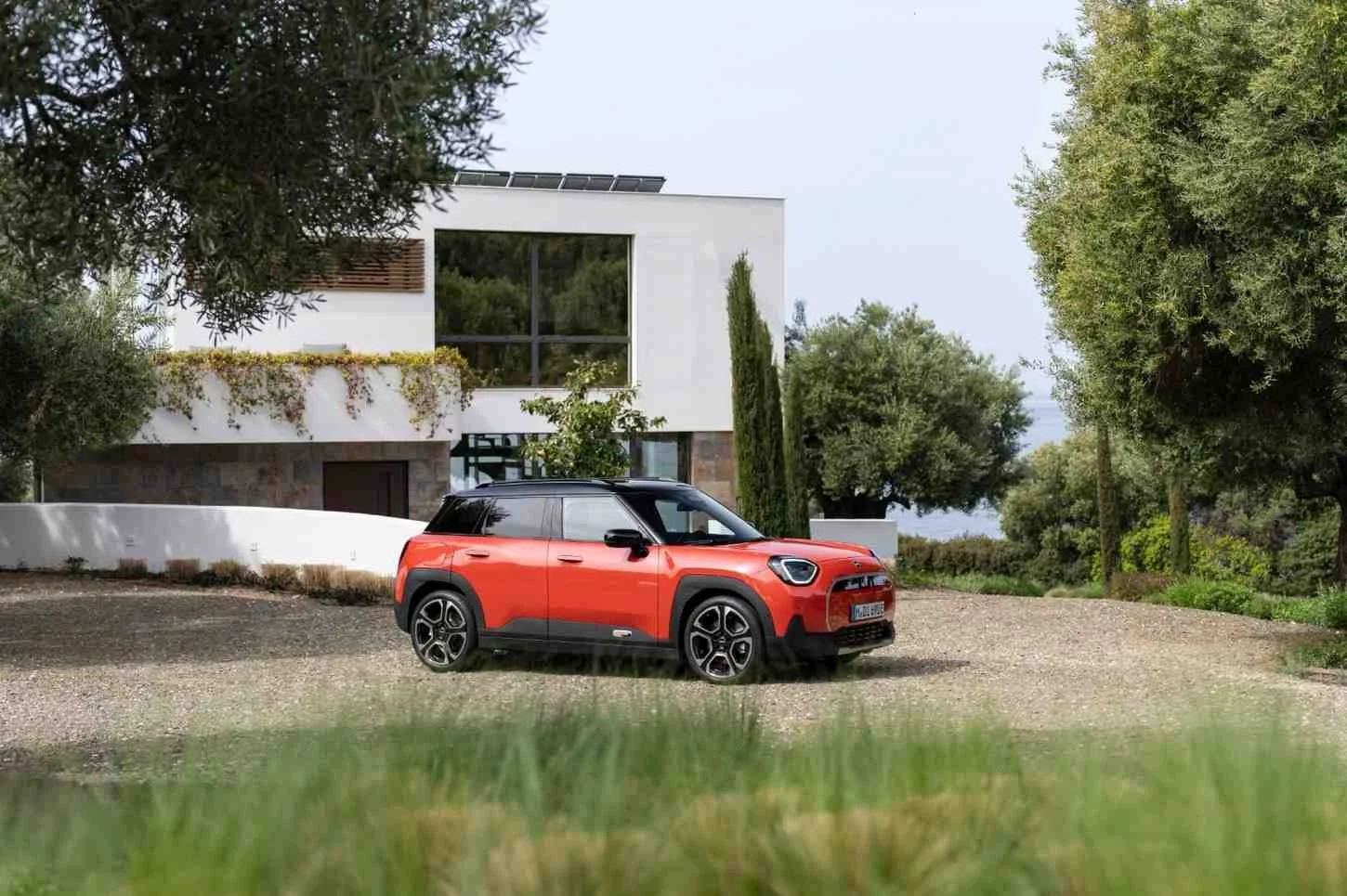
The Mini Aceman is a small electric SUV built around character rather than class-leading numbers. Its range, charging speed, and boot space are all beaten by rivals at a similar price, but its go-kart handling, distinctive interior, and five-door usability over the Cooper Electric make it a car buyers want rather than merely consider.
At £28,905 on the road, and with a 4% benefit-in-kind rate for 2026/27 keeping its salary sacrifice cost well below a personal lease, it's a stronger financial case than its styling alone suggests. Buyers cross-shopping the small electric SUV segment should weigh the Aceman's charm against its practical limits before deciding, and check the exact monthly figure for their own salary and trim choice rather than relying on the headline price.
Are you an employer?
BOOK A DEMOAre you an employee?
SEE AVAILABLE CARSECS GUIDES AND ADVICE
Ready to Go Electric? Your Guides and Tools to a Smooth Switch
-
 How the Scheme Works
Find out how salary sacrifice can work for you or your business.
-
 The Charge Scheme
Save 20-50% on all charging costs through salary sacrifice - at home, the office, or in public..
-
 Complete Employer Protection
All employers and drivers are protected from day 1.
-
 Used Electric Cars
Discover the most affordable way to drive electric. Cars delivered in 14 days.
You might also like…
Last updated: 07/07/2026
Our pricing is based on data collected from The Electric Car Scheme quote tool. All final pricing is inclusive of VAT. All prices above are based on the following lease terms; 10,000 miles pa, 36 months, and are inclusive of Maintenance and Breakdown Cover. The Electric Car Scheme’s terms and conditions apply. All deals are subject to credit approval and availability. All deals are subject to excess mileage and damage charges. Prices are calculated based on the following tax saving assumptions; England & Wales, 40% tax rate. The above prices were calculated using a flat payment profile. The Electric Car Scheme Limited provides services for the administration of your salary sacrifice employee benefits. The Electric Car Scheme Holdings Limited is a member of the BVRLA (10608), is authorised and regulated by the FCA under FRN 968270, is an Appointed Representative of Marshall Management Services Ltd under FRN 667174, and is a credit broker and not a lender or insurance provider.
Copyright and Image Usage: All images used on this website are either licensed for commercial use or used with express permission from the copyright holders, in compliance with UK and EU copyright law. We are committed to respecting intellectual property rights and maintaining full compliance with applicable regulations. If you have any questions or concerns regarding image usage or copyright matters, please contact us at marketing@electriccarscheme.com and we will address them promptly.