How Much Of Your Electric Car's Technology Comes From Formula 1?
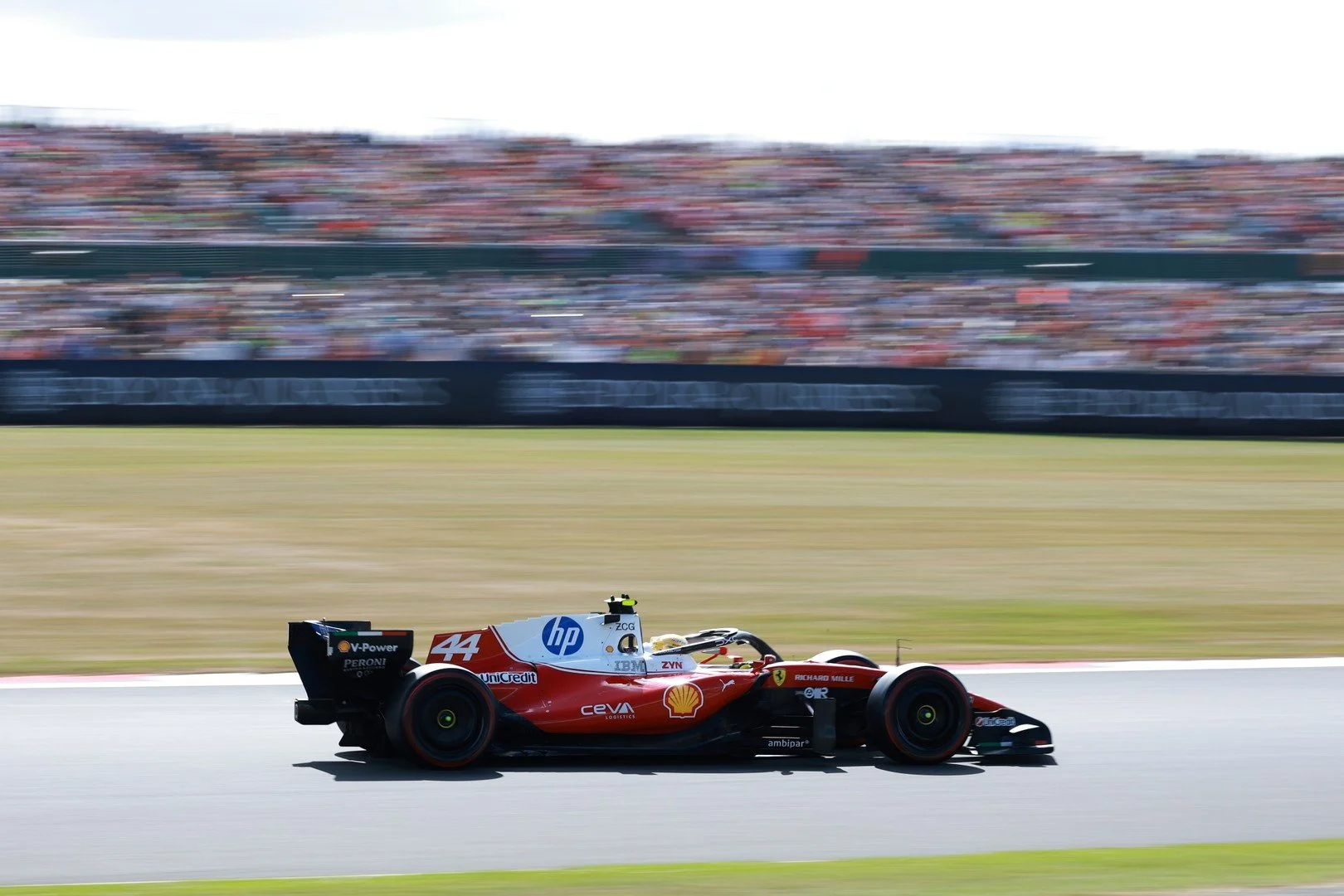
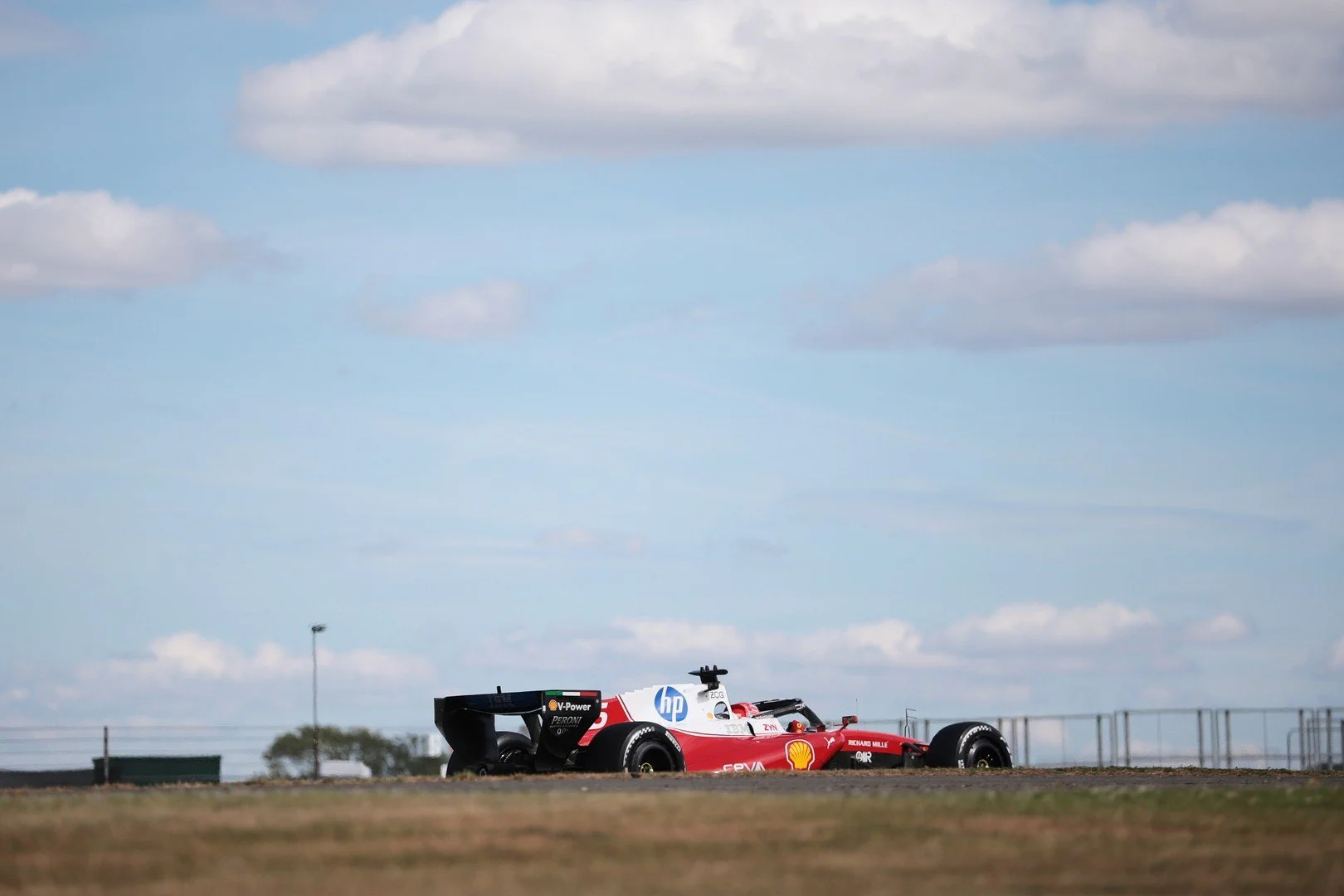
Image source: Ferrari F1 Media
You might be surprised than Formula 1 has shaped a slice of the technology in your electric car, even though the route from track to driveway may not always seem direct. Regenerative braking traces straight back to F1's KERS system, introduced in 2009. Battery thermal management, lightweighting and aerodynamic modelling all draw on the same motorsport discipline, though the clearest lineage for some of these runs through Le Mans prototypes and Formula E rather than F1 itself.
This piece breaks down all four, regenerative braking, battery thermal management, lightweighting and aerodynamics, and points to a road-legal EV that shows each one off. With the British Grand Prix returning to Silverstone every July, it's a useful moment to see how much of what happens on track ends up under your bonnet, or more accurately, under your floor.
Regenerative Braking: From KERS To Every EV On The Road
Regenerative braking is the process of converting a car's kinetic energy back into electrical charge instead of losing it as heat through the brakes. In practice, the electric motor briefly reverses its role and acts as a generator, slowing the car while sending that recovered energy back into the battery.
The F1 Origin: KERS And MGU-K
Formula 1 introduced regenerative braking at scale in 2009 with KERS, the Kinetic Energy Recovery System, which let drivers harvest energy under braking and deploy it as a short burst of extra power.
The system evolved into the MGU-K from 2014 onwards, a shift explained in Formula 1's own breakdown of its hybrid power units, and the underlying principle, catching energy that would otherwise be wasted, is now standard in every production EV.
Regenerative braking does three things at once:
Converts a car's kinetic energy back into electrical charge
Slows the car without relying solely on the friction brakes
Sends that recovered charge straight back to the battery
How Does Regenerative Braking Work In EVs?
When you lift your foot off the accelerator in most EVs the motor reverses its role, acting as a generator and slowing the car while sending charge back to the battery. The Tesla Model 3 Highland is one of the clearest examples of this on sale in the UK, with strong enough regeneration to allow one-pedal driving in most everyday conditions. It's a direct, everyday version of the same principle that lets today's F1 drivers harvest energy on the brakes into Silverstone's Copse corner.
What Is Battery Thermal Management?
Battery thermal management is the system that keeps an EV's battery pack within its ideal operating temperature range, whether that means cooling it under hard use or warming it in cold weather. A pack that runs too hot or too cold loses power, charging speed, or both, which is exactly the failure mode this branch of motorsport engineering was built to avoid.
Why Is Battery Thermal Management Important For F1?
Formula 1's hybrid power units, in use since 2014, rely on tightly controlled cooling to protect their batteries and motor generator units lap after lap. The wider discipline of extreme battery thermal control, however, owes as much to endurance and electric racing: Porsche's Le Mans-winning 919 Hybrid and its ongoing Formula E programme have both fed directly into road-car engineering.
In an EV, that system does three things:
Cooling the cells under hard, repeated use
Warming them in cold weather so performance doesn't drop
Pre-conditioning the pack ahead of a fast charge
The Porsche Taycan's 800-Volt System
The Porsche Taycan is the clearest example of this lineage in the UK.
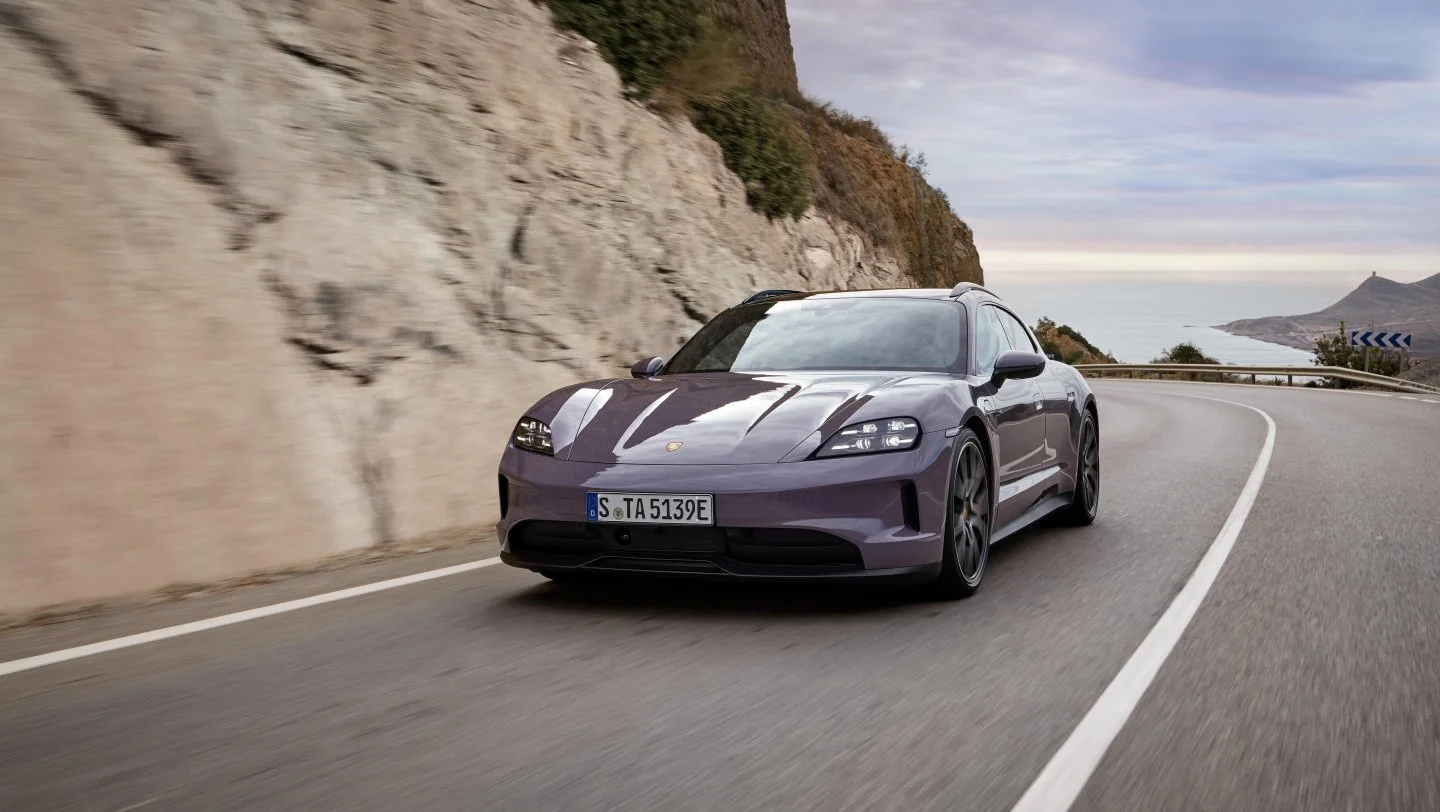
It was the first production car to use an 800-volt electrical architecture, a decision built on Porsche's motorsport-honed understanding of how to keep a battery pack cool enough to sustain repeated hard acceleration without the performance drop-off older EVs suffered.
Image source: Porsche Newsroom
Porsche's own technical notes on the Taycan's battery set out how the system supports consistent power delivery and faster charging, both of which trace back to lessons learned on track.
What Is Lightweighting & Why Does It Matter?
Lightweighting is the practice of stripping mass from every part of a car, without compromising strength or safety, to improve efficiency, performance or both. It's one of the oldest disciplines in motorsport, and one of the most directly transferable to road cars.
Why Weight-Saving Is So Important In F1
Weight has always been F1's enemy. Teams have used carbon fibre in their monocoques (structural system) since the early 1980s, and that same principle, cutting mass wherever possible without sacrificing strength, has been filtering into road cars ever since the McLaren F1 became the first production car with a carbon fibre tub in 1992, a milestone this history of F1 monocoque design sets out in full. Electric cars carry a particular version of this challenge: a large battery pack adds hundreds of kilograms before a single passenger gets in, so every other component has to work harder to keep weight in check.
The Alpine A290's Take On It
Alpine brings this heritage closer to home than most. The brand's F1 team shares its name, and much of its design language, with the Alpine A290 hot hatch.
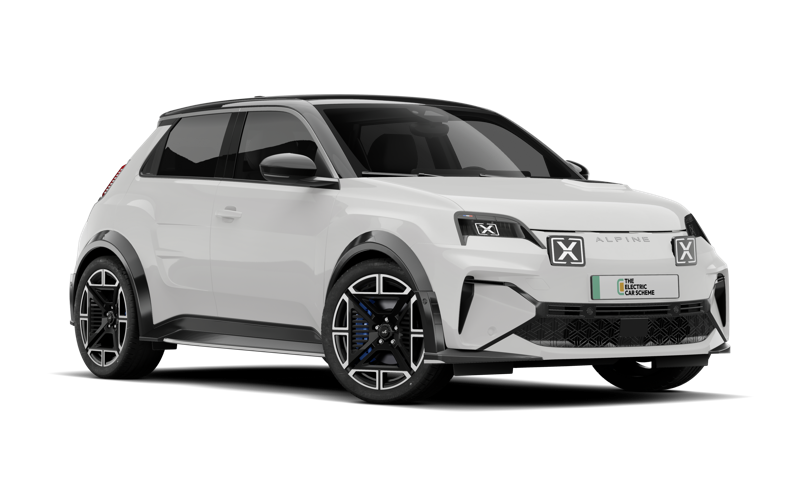
At around 1,479kg, it's one of the lightest EVs in its class, and the connection to the track goes beyond a marketing campaign: the A290's steering wheel borrows an F1-style overtake button and a rotary control for regenerative braking, both lifted almost directly from the cars that line up on the Silverstone grid each British Grand Prix.
Aerodynamics: Cutting Drag Instead Of Adding Downforce
Aerodynamics is the study of how air moves around a moving object, and in car design it governs everything from top speed to how far a battery can stretch. F1 and road EVs both spend enormous effort managing airflow, but for very different reasons.
What’s The Difference Between Airforce And Drag?
F1 aerodynamics exists to push a car onto the track, using wings, diffusers and a carefully shaped underbody to generate downforce through corners. Road EVs borrow the same underlying discipline, managing airflow beneath and around the car, but redirect it towards a different goal: cutting drag to protect range rather than adding grip for cornering speed. Both rely on the same computational fluid dynamics techniques that F1 teams have used for decades to model airflow before a car ever reaches a wind tunnel.
Tesla Model Y’s Flat Underbody
The Tesla Model Y shows this in practice. Its drag coefficient of around 0.23 comes largely from a flat underbody that smooths airflow beneath the car, similar in principle to the venturi tunnels F1 teams use to manage air under the floor, tuned for efficiency rather than downforce.
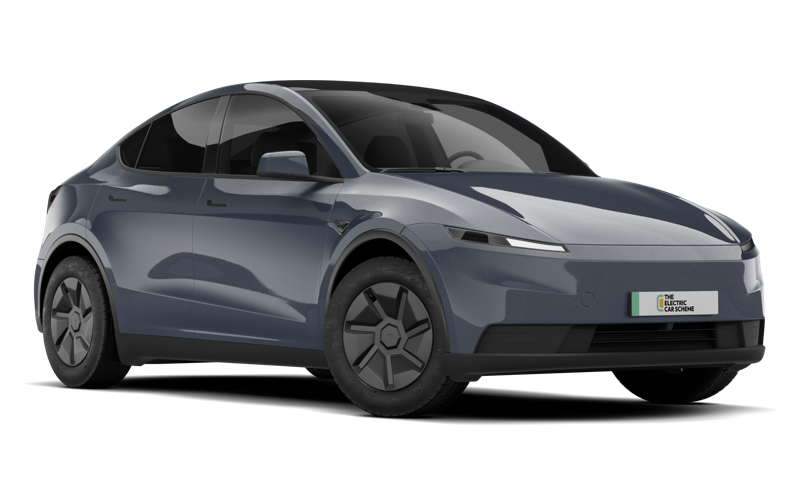
Every reduction in drag translates directly into extra real-world range, which matters more to an EV driver than lap time ever could.
| Technology | Motorsport Origin | Featured Model | 2026/27 BiK Rate |
|---|---|---|---|
| Regenerative braking | F1 KERS / MGU-K (2009–present) | Tesla Model 3 Highland | 4% |
| Battery thermal management | Le Mans, Formula E and F1 hybrid systems | Porsche Taycan | 4% |
| Lightweighting | F1 carbon fibre monocoques (1980s–present) | Alpine A290 | 4% |
| Aerodynamics | F1 underbody airflow and CFD modelling | Tesla Model Y | 4% |
Each of these cars sits on the scheme at 4% Benefit-in-Kind for the 2026/27 tax year, regardless of which piece of motorsport-derived technology drew you in. Employees typically save 20–50% against a personal lease when they access an EV this way, since the cost comes out of gross salary before tax and National Insurance are applied.
At The Electric Car Scheme, we take pride in being an award-winning B Corp rated Excellent on Trustpilot, so the saving comes with a proof point behind it as well as a number.
Frequently Asked Questions
How Much Of An Electric Car's Technology Comes From Formula 1?
A meaningful amount, though it rarely arrives unchanged. Regenerative braking traces straight back to F1's KERS system from 2009, while battery thermal management, lightweighting and aerodynamic modelling draw on a wider motorsport lineage that includes Le Mans and Formula E.
How Does Regenerative Braking Work?
Regenerative braking reverses the electric motor's role, so lifting off the accelerator or applying the brakes turns the motor into a generator. This slows the car while sending the recovered energy back to the battery instead of losing it as heat through the brake discs. Most EVs let drivers adjust how strong this effect feels, and stronger settings often allow one-pedal driving.
Are Formula 1 Cars Fully Electric?
No, F1 cars are hybrids, not full electric vehicles. Since 2014, their power units have combined a turbocharged combustion engine with an energy recovery system, contributing around a fifth of total power from the electrical side under the outgoing rules. From 2026, F1's new power units roughly double that electrical contribution.
Why Do Electric Cars Need Battery Thermal Management?
A battery pack performs best within a fairly narrow temperature range, and it loses power, charging speed or both if it runs too hot or too cold. Thermal management systems circulate coolant around the cells to keep them in that range, whether the car is being driven hard, charging quickly or sitting in cold weather.
Can I Get An F1-Inspired Electric Car Through Salary Sacrifice?
Yes, most of the cars featured in this article, the Tesla Model 3 Highland, Alpine A290 and Tesla Model Y, are available through The Electric Car Scheme. Employees typically save 20–50% against a personal lease, and every model currently sits at 4% Benefit-in-Kind for the 2026/27 tax year. Use our calculator to see how much you could save!
Formula 1's influence on road-legal EVs isn't a marketing story bolted on for a race weekend. Regenerative braking, battery thermal management, lightweighting and aerodynamic modelling each trace a genuine line from the paddock to production, even where the connection runs through Le Mans or Formula E rather than the grand prix grid itself.
The Tesla Model 3 Highland, Porsche Taycan, Alpine A290 and Tesla Model Y each put one of these technologies to work in a way UK drivers can experience every day, not only on a British Grand Prix weekend at Silverstone.
Three of the cars featured in this article are currently available through The Electric Car Scheme, and none of the technology described here requires paying supercar prices to access it. Calculate what one of these cars could cost through salary sacrifice and see how much of the track is already parked on your driveway.
Are you an employer?
BOOK A DEMOAre you an employee?
SEE AVAILABLE CARSECS GUIDES AND ADVICE
Ready to Go Electric? Your Guides and Tools to a Smooth Switch
-
 How the Scheme Works
Find out how salary sacrifice can work for you or your business.
-
 The Charge Scheme
Save 20-50% on all charging costs through salary sacrifice - at home, the office, or in public..
-
 Complete Employer Protection
All employers and drivers are protected from day 1.
-
 Used Electric Cars
Discover the most affordable way to drive electric. Cars delivered in 14 days.
You might also like…


Last updated: 09/07/2026
Our pricing is based on data collected from The Electric Car Scheme quote tool. All final pricing is inclusive of VAT. All prices above are based on the following lease terms; 10,000 miles pa, 36 months, and are inclusive of Maintenance and Breakdown Cover. The Electric Car Scheme’s terms and conditions apply. All deals are subject to credit approval and availability. All deals are subject to excess mileage and damage charges. Prices are calculated based on the following tax saving assumptions; England & Wales, 40% tax rate. The above prices were calculated using a flat payment profile. The Electric Car Scheme Limited provides services for the administration of your salary sacrifice employee benefits. The Electric Car Scheme Holdings Limited is a member of the BVRLA (10608), is authorised and regulated by the FCA under FRN 968270, is an Appointed Representative of Marshall Management Services Ltd under FRN 667174, and is a credit broker and not a lender or insurance provider.
Copyright and Image Usage: All images used on this website are either licensed for commercial use or used with express permission from the copyright holders, in compliance with UK and EU copyright law. We are committed to respecting intellectual property rights and maintaining full compliance with applicable regulations. If you have any questions or concerns regarding image usage or copyright matters, please contact us at marketing@electriccarscheme.com and we will address them promptly.